
Finding the perfect balance between style, safety, and functional illumination is a common challenge for condominium dwellers in the Philippines. In urban centers like Metro Manila, modern condo developments often feature compact, open-concept layouts with ceiling heights ranging from 2.4 to 2.6 meters. When selecting lights for dining in these low-clearance environments, traditional hanging fixtures like long pendants or heavy chandeliers are often impractical and physically hazardous. Flush mount and low-profile semi-flush mount ceiling lights represent the most effective solution, providing ample, glare-free illumination over your dining table while preserving precious headroom and maintaining an open, airy visual flow.
By sitting close to or directly against the ceiling, flush mount fixtures eliminate the risk of accidental head bumps and prevent the visual clutter that can make a small dining nook feel cramped. These fixtures distribute light outward and downward, ensuring your dining table is beautifully lit for meals, work, or social gatherings. Choosing the right fixture requires a solid understanding of spatial constraints, lighting specifications, and design styles that complement your interior decor.
Why Flush Mount Lights Work Best for Low-Ceiling Condos
Typical high-rise condominium units in the Philippines are built with concrete slab ceilings or dropped drywall ceilings designed to conceal utility pipes and electrical conduits. This architectural reality often limits the floor-to-ceiling height to approximately 2.4 meters. Hanging a low-slung pendant or a multi-tiered chandelier in such a space creates an immediate physical obstacle. Family members and guests of taller stature risk bumping into low-hanging glass or metal components when standing up, sitting down, or leaning across the dining table.
Products mentioned in this guide

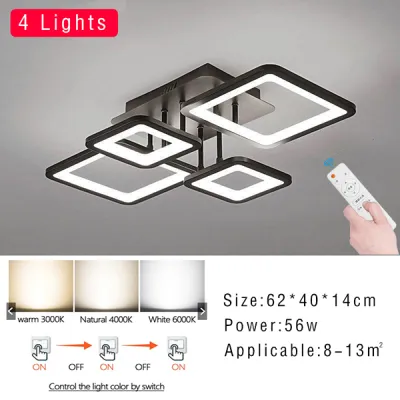
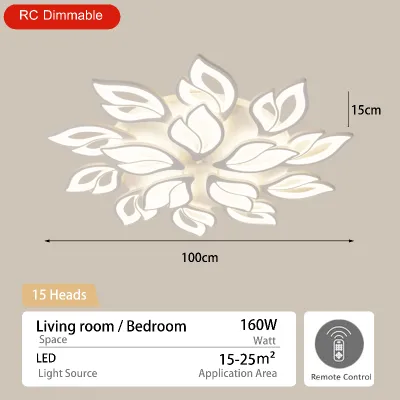
Prices are valid at publication and may change. Please refer to the product page for the latest price.
Beyond the obvious physical safety concerns, long hanging fixtures introduce significant visual clutter into a compact living space. In open-plan condo units where the dining area, kitchen, and living room share a single continuous zone, a large hanging light acts as a visual barrier. It slices through the room’s sightlines, making the entire living area feel smaller and more enclosed than it actually is. By contrast, a flush mount light keeps the overhead space clear, allowing the eye to travel uninterrupted across the room.
Flush mount fixtures also excel at distributing light efficiently in tight quarters. Because they are positioned at the highest point of the room, they can bounce light off the ceiling surface (in the case of semi-flush models) or project a wide, even beam downward. This broad distribution of ambient light eliminates dark corners and shadows, visually expanding the boundaries of your dining nook. It transforms a dark, recessed corner into a bright, welcoming space that feels integrated with the rest of your home.
Choosing the Right Lights for Dining: Essential Specifications
Selecting the ideal overhead light requires looking beyond aesthetics to evaluate key technical specifications. Because the dining table often serves as a multi-functional hub for meals, remote work, and school tasks, the lighting must be versatile, comfortable, and highly functional.

Lumens and Wattage
To ensure your dining area is sufficiently bright without feeling clinical, you must calculate the appropriate lumen output rather than relying solely on wattage. Watts measure energy consumption, whereas lumens measure the actual brightness emitted by a bulb or integrated LED fixture. For a standard four-to-six-seater condo dining table, aim for a total light output of approximately 1,500 to 2,500 lumens. If you use a fixture with replaceable bulbs, you can achieve this by installing multiple lower-lumen LED bulbs that collectively meet your target brightness.
Color Temperature
The color temperature of your light source dictates the mood and ambiance of your dining experience. Color temperature is measured in Kelvin (K). For dining spaces, warm white light ranging from 2700K to 3000K is highly recommended. This temperature range produces a cozy, golden glow that mimics candlelight, creating a relaxed, intimate atmosphere that encourages slow dining and conversation. Avoid cool white (4000K) or daylight (6500K) bulbs directly over the dining table, as they emit a blue-toned, clinical light that can feel harsh and uninviting during evening meals.
Color Rendering Index (CRI)
An often-overlooked specification is the Color Rendering Index (CRI), which measures how accurately a light source reveals the true colors of objects compared to natural sunlight. For dining areas, select fixtures or bulbs with a CRI of 80 or higher, with 90+ being the ideal choice. High-CRI lighting ensures that food looks vibrant, fresh, and appetizing. Under low-CRI light, rich local dishes like adobo, sinigang, or colorful tropical fruits can appear dull, gray, and unappealing.
Dimmability
Because a condo dining table is frequently used for different activities throughout the day, dimming capability is highly beneficial. Bright, clear light is essential for daytime tasks, reading, or food preparation, while a softer, dimmed glow is preferred for evening dinners and entertaining. When purchasing an LED flush mount, always check the product specifications to verify that the integrated LED driver or the replaceable bulbs are labeled as dimmable. Additionally, ensure that your wall dimmer switch is compatible with LED technology to prevent annoying flickering, buzzing, or premature bulb failure.
Recommended Flush Mount Styles for Condo Dining
Modern flush mount fixtures are available in a wide variety of designs that combine low-profile utility with striking visual appeal. Depending on your condo’s interior theme, several distinct styles can elevate your dining space while respecting your ceiling height.
LED Drum and Disc Flush Mounts
For ceilings with the absolute tightest clearance, ultra-slim LED disc lights and low-profile drum fixtures are exceptional choices. These fixtures often measure less than 5 centimeters in depth, virtually disappearing into the ceiling plane. Edge-lit LED technology ensures a soft, glare-free diffusion of light across the entire dining area. Because they distribute light broadly, they are perfect for open-concept layouts where the dining table sits close to the kitchen counter.
Low-Drop Semi-Flush Mounts
If you desire the elegant look of a hanging light but lack the clearance for a full pendant, a low-drop semi-flush mount offers a stylish compromise. These fixtures feature a very short stem or mounting bracket, keeping the entire unit within a 15 to 30-centimeter drop from the ceiling. To ensure safety, confirm that the bottom of the fixture remains at least 2 meters above the floor level. Look for designs with shallow bowls or geometric metal frames that add architectural interest without encroaching on your headroom.
Woven Rattan and Natural Material Flush Mounts
Embracing local design aesthetics is highly popular in modern Philippine condos. Flush mounts crafted from woven rattan, abaca, or bamboo bring an organic, tropical warmth to urban spaces. Before purchasing, examine the density of the weave. A very tight weave may block too much light, turning your primary dining light into a dim accent light. It is also important to note that open-weave natural materials cast decorative, patterned shadows on the walls and ceiling. While highly atmospheric, you may need to pair these fixtures with supplementary recessed lighting to ensure adequate task light on the table itself.
Glass and Acrylic Enclosed Flush Mounts
Enclosed fixtures featuring frosted, ribbed, or seeded glass are highly practical for dining environments. The enclosure softens the light, eliminating the harsh glare of exposed bulbs. Acrylic diffusers offer a lightweight, shatterproof alternative that is easy to handle during installation. In the humid tropical climate of the Philippines, enclosed designs are particularly beneficial because they prevent dust, grease, and small insects from accumulating inside the fixture. When choosing an enclosed model, always check the manufacturer’s maximum wattage limits; trapped heat can shorten the lifespan of standard LED bulbs if the fixture lacks adequate ventilation.
Pre-Purchase and Installation Safety Checks
Before purchasing your chosen flush mount fixture, you must perform several essential electrical and structural safety checks to ensure a successful and compliant installation.
First, verify that the fixture is fully compatible with the standard Philippine electrical grid, which operates at 220V to 240V at 60Hz. Many lighting products sold on international online marketplaces are designed for 110V/50Hz systems. Connecting a 110V fixture directly to a 220V line without a proper step-down transformer will damage the electrical components and presents a severe fire hazard. Additionally, check the socket base type—such as standard E27 screw bases—to ensure you can easily source replacement bulbs locally.
Next, evaluate the structural integrity of your ceiling. Many modern condos utilize dropped gypsum board or fiber-cement false ceilings to hide ductwork and plumbing. These hollow ceilings cannot support heavy lighting fixtures, such as thick glass bowls or solid metal frames, without proper reinforcement. Always check the weight of the fixture before buying. If the fixture is heavy, it must be anchored directly to the concrete ceiling slab or a structural metal channel using heavy-duty toggle bolts or concrete anchors. Never mount a heavy fixture directly to unsupported drywall.
Finally, prioritize safety during the installation process. Working with electrical wiring carries inherent risks of severe shock, electrocution, and electrical fires. Always isolate the power by switching off the main circuit breaker at your unit’s panel board before touching any wires. Verify that the power is completely off using a non-contact voltage tester.
For all hardwired installations, it is strongly advised to hire a registered, licensed electrician. Furthermore, be sure to consult your condominium’s Property Management Office (PMO) before commencing work. Many condo corporations require unit owners to submit a work permit and proof of their electrician’s professional credentials before altering fixed electrical wiring. Failing to obtain these approvals can violate building guidelines, void your unit’s insurance coverage, or lead to costly penalties.
Frequently Asked Questions (FAQ)
Can I use a semi-flush mount if my condo ceiling is only 2.4 meters high?
Yes, you can use a semi-flush mount on a 2.4-meter ceiling, but you must select the fixture dimensions carefully. The standard safety rule is to maintain a minimum clearance of 2 meters (approximately 6.5 feet) from the floor to the lowest point of the light fixture. On a 2.4-meter ceiling, this leaves you with a maximum allowable fixture drop of 40 centimeters. To ensure safety for taller family members and guests, look for low-profile semi-flush mounts that drop no more than 20 to 30 centimeters from the ceiling, or opt for a completely flush mount to maximize headroom.
How do I clean a flush mount light without taking it down?
Regular cleaning keeps your dining lights looking bright and prevents the accumulation of dust and kitchen grease. For routine maintenance, turn off the wall switch and use an extendable microfiber duster or a dry, lint-free cloth to gently wipe the exterior of the fixture. If you have an enclosed glass or acrylic fixture that has accumulated dust or insects inside, switch off the power at the main breaker, allow the bulbs to cool completely, and carefully remove the diffuser bowl according to the manufacturer’s instructions. Wipe the interior with a slightly damp microfiber cloth, dry it thoroughly, and reassemble. Avoid using water or harsh chemical sprays on natural materials like rattan or abaca, as moisture can warp the organic fibers or promote mold growth.
Are battery-operated or plug-in lights a good alternative for condo dining?
While battery-operated puck lights or adhesive LED strips seem convenient for renters who cannot modify their ceiling wiring, they rarely provide the high-quality, sustained brightness required for dining areas. They also tend to have low CRI ratings, making food look unappealing. Plug-in swag pendant lights with long cords are an alternative, but the visible dangling cords can look cluttered in a low-ceiling condo and present a snagging hazard. If you are renting, the best approach is to consult your landlord or condo management to request permission for a professional, hardwired flush mount installation. This ensures both safety and optimal lighting quality for your dining space.

Community discussion
Share your experience or ask a question. Comments are reviewed before publication.