
Living in a modern condominium in the Philippines often means adapting to compact layouts and limited vertical clearance. Many standard condo units feature ceiling heights of 2.4 to 2.7 meters, leaving very little room for hanging fixtures like chandeliers or low-hanging pendant lights. To maximize headroom and create an open, airy atmosphere, choosing a flat light for ceiling installations—commonly known as a flush mount fixture—is the most practical solution. These low-profile fixtures hug the ceiling closely, providing ample illumination without encroaching on your physical or visual space.
Key Requirements for Low-Ceiling Condo Lighting
When planning your lighting layout, it is essential to understand the structural realities of your unit. Most Philippine condos are constructed with solid concrete slab ceilings, also known as “buhos.” Because these slabs are structural, carving out recesses for traditional downlights is generally prohibited by building administrations. A surface-mounted flush light offers the perfect alternative, delivering a clean, modern aesthetic similar to recessed lighting without requiring structural modifications or dropping a false ceiling that would further reduce your precious headroom.
Selecting the right flush mount light involves balancing physical dimensions, light output, and visual comfort. A fixture with a minimal depth ensures that tall residents and guests can move freely without the risk of bumping into the light source. Furthermore, opting for fixtures with wide beam angles helps distribute light evenly across the room, softening harsh shadows in corners and making compact living areas feel significantly larger and more inviting.
Products mentioned in this guide
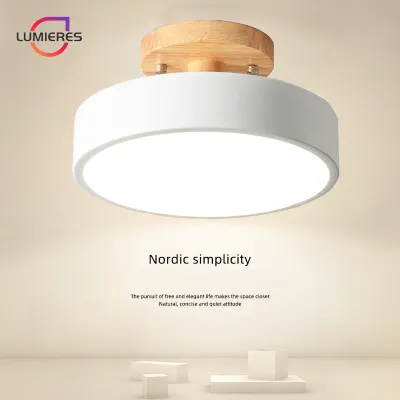
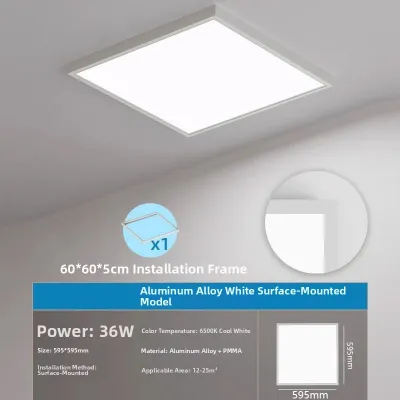
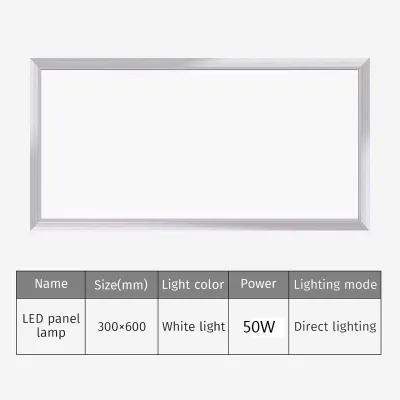
Prices are valid at publication and may change. Please refer to the product page for the latest price.
Recommended Flush Mount Styles for Limited Headroom
Selecting the ideal flush mount style requires analyzing both the aesthetic theme of your condo and the specific functional needs of each room. Different areas of your home demand different lighting characteristics, from bright, focused light in the kitchen to soft, relaxing illumination in the bedroom. By understanding the design categories available, you can select fixtures that complement your interior decor while addressing the physical constraints of low ceilings.

For high-traffic zones like hallways and entryways, ultra-slim profiles are essential to keep the pathway completely clear. In contrast, living and dining areas can accommodate slightly more decorative options that serve as subtle design accents. Regardless of the style you choose, keeping maintenance in mind is crucial in the Philippines, where tropical dust and high humidity can quickly accumulate on fixture surfaces and affect light output.
Ultra-Thin LED Panel Lights
Ultra-thin LED panel lights represent the pinnacle of space-saving design for modern, minimalist condo interiors. These fixtures utilize either edge-lit or direct-lit configurations to achieve an incredibly slim profile, often measuring less than two centimeters in thickness. By sitting almost flush with the concrete ceiling, they mimic the appearance of high-end recessed lighting while remaining entirely surface-mounted.
The primary functional advantage of these flat panels is their uniform light distribution. Because the light is diffused across a broad, flat surface, it eliminates hot spots and casts a wide, even glow that visually lifts the ceiling. This uniform illumination reduces dark corners, which is a key strategy for making small studio or one-bedroom units feel more spacious and open.
However, buyers must consider certain limitations before purchasing ultra-thin panels. Many of these fixtures feature integrated LED modules, meaning the light-emitting diodes and the driver are built directly into the unit. If a component fails after the warranty period, you cannot simply replace a bulb; instead, the entire fixture must be uninstalled and replaced. Additionally, many budget-friendly models come with fixed color temperatures, requiring you to decide on the exact light tone before making a purchase.
Edge-Lit Flush Mount Fixtures
Edge-lit flush mount fixtures offer a sophisticated balance of decorative appeal and low-profile functionality. Unlike direct-lit fixtures that shine light straight down, edge-lit models position their LEDs around the inner frame, directing the light inward through a light guide plate before diffusing it downward. This engineering approach creates an exceptionally soft, glare-free light that is highly comfortable for the eyes.
These fixtures are particularly well-suited for living rooms, dining areas, and study nooks where you spend long periods reading, working, or relaxing. The absence of harsh glare helps reduce eye strain, while the slim, elegant frames add a touch of modern sophistication without adding visual bulk to the ceiling. They allow you to introduce a styled element to your ceiling without sacrificing headroom.
On the other hand, edge-lit technology can sometimes result in lower overall light output compared to direct-lit panels of equivalent wattage. Because the light is reflected and diffused multiple times before exiting the fixture, some brightness is naturally lost. When selecting an edge-lit fixture for a larger room, it is important to verify the lumen output to ensure it provides sufficient illumination for the entire space.
Low-Profile Drum or Dome Lights
For condo owners who prefer a more traditional or transitional interior design, low-profile drum or dome lights offer a classic look adapted for tight vertical clearances. These fixtures feature shallow, rounded profiles that project only a few centimeters from the ceiling, providing a softer, more organic aesthetic than ultra-flat panels. They are excellent for adding texture and warmth to a room.
Typically equipped with acrylic, glass, or fabric diffusers, drum and dome lights excel at softening light, making them ideal for bedrooms, nurseries, and cozy dining alcoves. The diffuser scatters the light gently, creating a warm and inviting ambiance that is perfect for winding down at the end of the day. They provide a comfortable, glare-free environment that supports relaxation.
When choosing this style, pay close attention to the materials used in the diffuser. In the tropical climate of the Philippines, high humidity can cause low-quality plastics to yellow prematurely, while fabric diffusers can trap dust, moisture, and small insects. Opting for high-quality acrylic or glass diffusers makes cleaning much easier, requiring only a quick wipe with a damp microfiber cloth to maintain clarity and brightness over time.
Essential Specs and Compatibility Checks
Before purchasing any flat light for ceiling installation, conducting a thorough technical compatibility check is vital to ensure safety, longevity, and optimal performance. The electrical environment in Philippine residential buildings has specific characteristics that must match the specifications of your chosen fixture. Failing to verify these details can lead to premature product failure, electrical hazards, or poor lighting quality.
First and foremost, verify the voltage and frequency ratings of the fixture. The standard electrical supply in the Philippines is 220V at 60Hz. Many lighting fixtures sold on international ecommerce platforms are designed for 50Hz grids common in other regions. Installing a 50Hz driver on a 60Hz system can cause persistent flickering, audible buzzing, excessive heat generation, and a drastically shortened lifespan for the LED components. Always look for explicit 220V/60Hz compatibility or a wide-voltage driver rating on the product label.
Next, evaluate the wattage and lumen output to match your spatial needs. Rather than relying solely on wattage—which only measures power consumption—focus on the lumen rating to determine actual brightness. For general living areas in a condo, a baseline of roughly 150 to 200 lumens per square meter is a common target. Ensure that your existing wiring and circuit breakers can safely handle the total wattage of all planned fixtures, especially if you are replacing older, high-wattage halogen or incandescent lights with multiple LED units.
The installation environment also dictates the required Ingress Protection (IP) rating. For dry areas like bedrooms and living rooms, standard indoor fixtures are perfectly adequate. However, for condo bathrooms, laundry balconies, and kitchen cooking zones, damp-rated fixtures with an IP44 rating or higher are highly recommended. These fixtures are sealed against moisture, steam, and dust, preventing internal corrosion and electrical shorts in high-humidity environments.
If you plan to install dimmable lighting to adjust the mood of your condo, proceed with caution. Not all LED flush mounts are dimmable, and those that are require compatible LED dimmer switches. Standard incandescent dimmers can cause LEDs to flicker violently or fail to turn on at low levels. Verify whether the fixture requires a specific triac dimmer, a 0-10V system, or a dedicated smart driver, and ensure the driver is certified by recognized electrical safety bodies.
Finally, when comparing options, check current prices in ₱ across authorized local distributors and reputable online marketplaces. While budget-friendly unbranded fixtures may seem appealing, they often lack proper thermal management and electrical certification. Investing in fixtures that offer clear warranty terms for the integrated LED boards ensures that you are covered if a component fails prematurely, saving you the hassle and cost of frequent replacements.
Installation and Safety Boundaries for Condo Owners
Installing new ceiling fixtures in a condominium requires strict adherence to safety protocols, building regulations, and structural limitations. Because condo units share walls, ceilings, and utility lines, improper installation can affect not only your home but also your neighbors. Prioritizing safety and compliance is the most important step of any home improvement project.
Before beginning any electrical work, you must isolate the power supply. Locate your unit’s main circuit breaker panel and switch off the breaker dedicated to the lighting circuits. Never rely solely on the wall switch to cut the power. Use a reliable, non-contact voltage tester at the ceiling wires to verify that the circuit is completely dead before touching any bare copper or terminals.
In the Philippines, most condominium corporations enforce strict guidelines regarding unit renovations and electrical modifications. Before hiring help or starting the work, check your building’s handbook regarding the “Permit to Work” process. Many administrations require that any fixed electrical wiring or fixture installation be performed by building-accredited or licensed electricians to ensure compliance with the Philippine Electrical Code.
The structural composition of your ceiling presents another critical boundary. Because condo ceilings are typically solid concrete structural slabs, drilling into them carries inherent risks. You must avoid drilling deeply into the concrete to prevent striking embedded electrical conduits, water pipes, or structural rebar and post-tension cables. Always use shallow, high-quality masonry drill bits and appropriate expansion anchors designed specifically for concrete, and never attempt to chisel or carve out channels in the structural slab to hide wiring.
Lastly, pay close attention to the condition of your existing wiring. If you encounter brittle insulation, ungrounded circuits, or mismatched wire gauges during the uninstallation of your old fixture, stop the installation immediately. Do not attempt to force a connection. Consult a qualified professional electrician to inspect your unit’s wiring, run proper grounding lines if necessary, and safely complete the installation of your new flat light for ceiling use.
Frequently Asked Questions (FAQ)
Can I install a surface-mounted flush light on a concrete condo ceiling?
Yes, installing a surface-mounted flush light on a concrete ceiling is highly feasible and is the standard method for Philippine condos. To do this safely, you must use a hammer drill equipped with a masonry bit to drill shallow holes matching the mounting bracket of your fixture. Insert high-quality plastic or metal wall plugs (anchors) into the holes, which will securely hold the mounting screws and support the weight of the fixture. The shallow junction box or the hollow space within the fixture’s backplate is designed to house the wire connections safely, keeping them flat against the concrete surface. You must never attempt to carve, chisel, or jackhammer channels into the concrete slab to bury wires or recessed boxes, as this compromises the structural integrity of the building and violates strict condominium association rules.
What color temperature works best for low-ceiling spaces?
The choice of color temperature significantly influences how spacious and comfortable your low-ceiling condo feels, and it should be selected based on your personal preferences and room usage. Cool white light (5000K to 6500K) provides a bright, daylight-like effect that can make a space feel more expansive and clinical, making it highly functional for kitchens, bathrooms, and work areas. Warm white light (2700K to 3000K) creates a cozy, intimate atmosphere but can sometimes make a small, low-ceiling room feel visually smaller or more enclosed. For general living areas, dining rooms, and open-plan layouts, neutral white light (around 4000K) serves as an excellent, balanced baseline. Neutral white offers a clean, natural appearance that enhances spatial perception without feeling overly cold, while warmer tones can be reserved for bedrooms to promote relaxation.

Community discussion
Share your experience or ask a question. Comments are reviewed before publication.