
Living in a high-rise condominium in the Philippines offers unparalleled convenience, but it often comes with architectural constraints, most notably limited ceiling heights. Standard modern condo units typically feature ceiling heights ranging from 2.4 to 2.6 meters, which can quickly feel cramped if you install hanging light fixtures like chandeliers or low-hanging pendants. To preserve precious headroom while ensuring your living space remains bright, airy, and visually expansive, flush mount ceiling lights are the most practical and aesthetically pleasing choice. These fixtures mount directly against the ceiling surface, eliminating dead space and distributing light efficiently across your rooms.
Selecting the right flush mount involves balancing physical dimensions, light output, and the unique environmental conditions of tropical condo living. High humidity, concrete slab ceilings, and limited natural light in deep unit layouts require careful consideration of fixture materials, driver quality, and heat dissipation. By focusing on low-profile designs—such as ultra-thin LED panels, compact drum or dome fixtures, and multi-directional geometric mounts—you can transform a dim, low-ceiling condo into a bright, modern sanctuary without sacrificing vertical clearance.
Key Specifications for Low-Ceiling Flush Mounts
When shopping for indoor lights for a low-ceiling condo, the physical profile of the fixture is your primary consideration. A true flush mount should ideally have a depth or height of no more than 5 to 10 centimeters. This compact profile ensures that the lowest point of the light fixture remains well above the standard head clearance zone. For safety and comfort, aim to maintain a minimum clearance of 2.1 to 2.3 meters from the floor to the bottom of the fixture, preventing taller residents and guests from accidentally striking the light.
Products mentioned in this guide
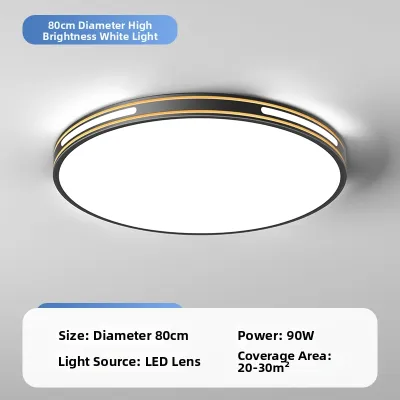
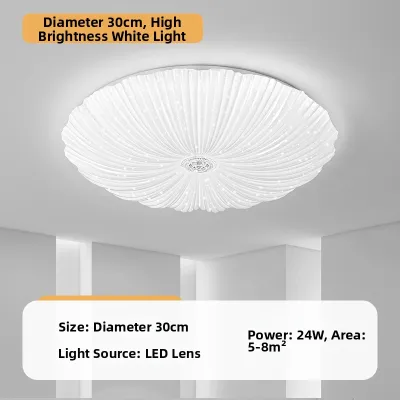
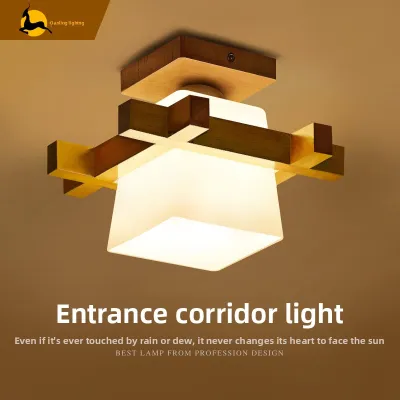
Prices are valid at publication and may change. Please refer to the product page for the latest price.
Lumen output is another critical specification, especially in local condos where deep layouts often limit natural light to a single window or balcony door. Lumens measure the total amount of visible light emitted by a source, and the required output depends heavily on the room’s function and size. For instance, a compact condo kitchen or living area may require a primary fixture emitting 1,500 to 2,500 lumens. Color temperature, measured in Kelvins (K), also dictates the mood. A neutral white light of 4000K is highly recommended for kitchens and workspaces as it mimics daylight and keeps the area feeling open, while a warm white light of 3000K is ideal for creating a cozy, relaxing atmosphere in bedrooms and living areas.
The beam angle and the type of diffuser used by the fixture play a massive role in how spacious your condo feels. In a low-ceiling room, a narrow beam angle can create a spotlight effect, leaving the upper corners of the walls in shadow and making the ceiling feel even lower. To combat this, look for flush mounts with a wide beam angle of 120 degrees or more, paired with a high-quality acrylic or frosted glass diffuser. These diffusers scatter the light evenly across the ceiling and walls, eliminating harsh glare and hot spots while creating a soft, ambient glow that visually lifts the ceiling.
Best Flush Mount Styles for Condo Living
The design of your ceiling fixture should complement the clean lines of modern condo architecture while serving its primary functional purpose. Flush mount styles have evolved far beyond basic utility lights, now offering sleek form factors that blend seamlessly into the ceiling plane. By choosing fixtures that maintain ceiling continuity, you draw the eye horizontally across the room rather than vertically downward, which naturally enhances the perception of space.

Matching the fixture style to the specific function of each condo room is key to creating a cohesive interior design. For high-traffic, utilitarian zones like hallways, entryways, and compact kitchens, ultra-thin and minimalist designs work best because they offer maximum clearance and easy maintenance. In contrast, private spaces like bedrooms or dining alcoves can benefit from softer, more textured fixtures that add warmth and character without protruding excessively into the living space.
Ultra-Thin LED Panel Lights
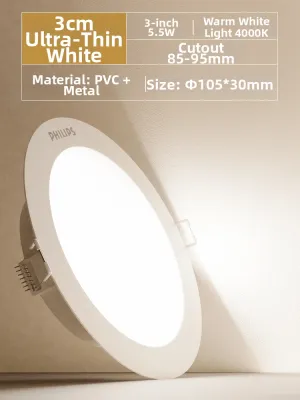
Ultra-thin LED panel lights represent the pinnacle of low-profile ceiling illumination, often measuring less than 2.5 centimeters in thickness. These fixtures sit almost flush with the ceiling surface, mimicking recessed downlights without requiring a false ceiling. They are available in two primary configurations: edge-lit and direct-lit. Edge-lit panels place the LEDs along the frame, directing light sideways into a light guide plate that diffuses it downward, resulting in an incredibly thin profile and exceptionally smooth, glare-free light. Direct-lit panels place the LEDs directly behind the diffuser, which makes them slightly thicker but often more energy-efficient and capable of delivering higher lumen outputs.
These minimalist panels are exceptionally well-suited for narrow hallways, small bedrooms, and compact condo kitchens where every millimeter of vertical space counts. Because they do not project downward, they eliminate visual clutter, making small rooms feel significantly larger and more organized. Furthermore, their sealed designs prevent dust, small insects, and moisture from entering the fixture, which is a common issue in tropical environments.
However, ultra-thin LED panels do come with specific limitations that you must verify before purchasing. Many of these fixtures utilize external LED drivers rather than internal ones. If your condo has solid concrete ceilings, finding space to tuck an external driver can be challenging unless your junction box is deep enough. Additionally, you must verify the dimmer compatibility of the panel’s driver; standard wall dimmers may cause inexpensive LED panels to flicker or hum unless they are specifically rated for triac or 0-10V dimming systems.
Drum and Dome Flush Mounts with Acrylic Diffusers
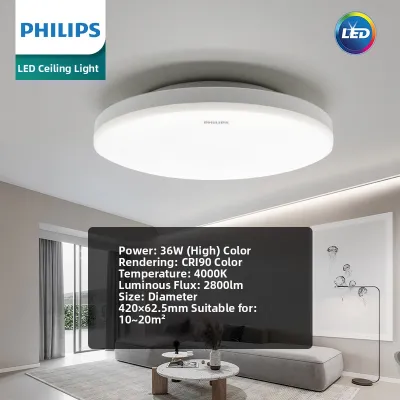
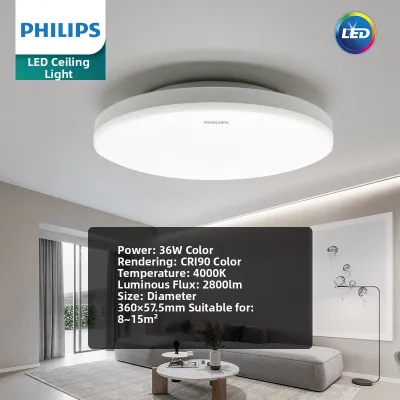
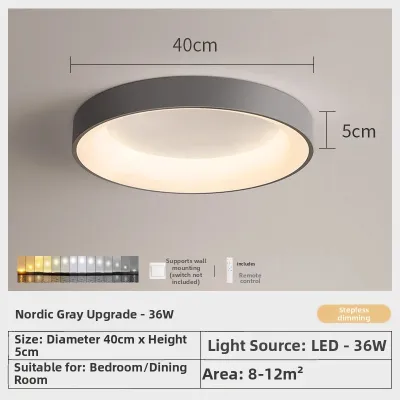
For condo owners who prefer a more traditional or transitional aesthetic, drum and dome flush mounts offer a classic look adapted for low-ceiling environments. Modern iterations of these styles utilize lightweight, shatter-resistant acrylic diffusers instead of heavy glass, making them safer and easier to install. A drum flush mount features vertical sides, resembling a shallow cylinder, while a dome mount curves gently toward the center. Both styles excel at softening light distribution, casting a warm, even glow that minimizes harsh shadows on the walls and floor.
When selecting a drum or dome fixture for a compact condo room, scaling the size correctly is vital to prevent the light from overwhelming the space. A fixture that is too wide will look disproportionate and make the ceiling feel lower, while a fixture that is too small will fail to provide adequate ambient light. A reliable rule of thumb is to measure the room’s dimensions in feet, add them together, and convert that sum to inches to find the ideal fixture diameter; for example, a 10-by-10-foot bedroom suits a 20-inch (approximately 50-centimeter) fixture.
Maintenance is another crucial factor to consider, particularly in the humid climate of the Philippines. While fabric-shaded drum mounts offer a beautiful, textured look, fabric is highly susceptible to trapping dust, cooking grease, and airborne moisture, which can lead to unsightly staining or mold growth over time. For low-maintenance condo living, acrylic or polycarbonate diffusers are highly recommended; they do not harbor mold, resist yellowing from UV exposure, and can be easily wiped clean with a damp microfiber cloth during regular cleaning routines.
Multi-Light and Geometric Flush Mounts
If you want to make a design statement without sacrificing headroom, multi-light and geometric flush mounts provide an excellent alternative to traditional single-source fixtures. These modern designs often feature flat, interlocking geometric frames or multiple low-profile light heads arranged horizontally along a shallow canopy. By spreading the light sources horizontally across a wider surface area rather than projecting them downward, these fixtures deliver high lumen output and excellent light distribution while maintaining a safe clearance line.
Many geometric and multi-light fixtures feature adjustable arms or swiveling heads, allowing you to direct light precisely where it is needed most. This directional flexibility is incredibly useful in open-plan condo layouts, where a single ceiling junction box must provide ambient light for the living area while simultaneously highlighting a nearby dining table or accent wall. By angling individual light sources, you can create distinct functional zones within a single room without cluttering the space with multiple floor or table lamps.
Before purchasing a multi-light or geometric fixture, you must carefully consider the weight of the unit and the structural capacity of your ceiling’s junction box. Philippine condos are predominantly constructed with solid concrete slab ceilings, and the junction boxes are often cast directly into the concrete during construction. These boxes may have weight limits or specific mounting screw configurations that cannot easily be altered. Ensure that any decorative fixture you choose is lightweight enough to be safely supported by your existing hardware, and always verify that the mounting bracket matches the screw spacing of your ceiling box to avoid the need for complex concrete drilling.
Pre-Purchase Installation and Safety Checks
Before purchasing any indoor lights for your condo, conducting thorough pre-purchase and safety checks is essential to ensure a smooth, hazard-free installation. The first step is to inspect your existing ceiling junction box. In many local high-rise developments, these boxes are embedded directly in the concrete slab. You must verify the weight capacity of the box; standard boxes typically support fixtures up to 22.7 kilograms, but older boxes may support less. If you are planning to install a heavier geometric or multi-light fixture, ensure the mounting hardware includes concrete anchors or expansion bolts that secure the fixture directly to the concrete slab rather than relying solely on the junction box screws.
Electrical compatibility is another critical factor that requires careful verification. The standard residential voltage in the Philippines is 220V to 240V at a frequency of 60Hz. Many imported light fixtures sold on an online marketplace or ecommerce platform are designed for 110V systems or 220V/50Hz systems. While some LED drivers are universal (100V-240V, 50/60Hz), using a fixture with a non-compatible driver can lead to overheating, flickering, buzzing, or premature LED failure. Always check the product label or specification sheet to confirm that the driver is rated for 220V-240V and 60Hz operation. Additionally, if you plan to use a dimmable fixture, verify that your wall dimmer switch is compatible with the specific dimming technology (such as trailing-edge or leading-edge phase cutting) used by the LED driver.
Working with electrical wiring carries inherent risks of shock, fire, and severe injury. Before attempting any installation, you must isolate the power by turning off the corresponding circuit breaker at your condo’s main electrical panel; simply turning off the wall switch is not sufficient to guarantee safety. Use a non-contact voltage tester to verify that the wires are completely dead before touching them. If you encounter complex wiring configurations, lack a proper grounding wire, observe damaged or brittle insulation, or if your condo’s concrete ceiling requires heavy drilling near embedded electrical conduits, stop immediately. In these scenarios, or if you are uncomfortable working with electrical systems, always hire a licensed electrician to complete the installation safely and in compliance with the Philippine Electrical Code.
Frequently Asked Questions (FAQ)
Can I use a semi-flush mount in a condo with low ceilings?
Semi-flush mount fixtures typically feature a small stem or collar that suspends the light canopy 10 to 20 centimeters below the ceiling. While they do drop lower than true flush mounts, they can still be used effectively in low-ceiling condos if placed strategically. The key is to install them exclusively in designated safe zones where foot traffic does not occur, such as directly over a dining table, a kitchen island, or a bed. In these locations, the furniture naturally prevents people from walking directly beneath the fixture, eliminating the risk of accidental head strikes. However, you should strictly avoid installing semi-flush mounts in high-traffic pathways, entryways, or narrow hallways, where they will create visual crowding and present a physical hazard.
How many lumens do I need for a low-ceiling condo bedroom?
To determine the ideal light output for a low-ceiling condo bedroom, you can use a standard lighting calculation based on square footage. For a relaxing bedroom environment, a general guideline is to provide approximately 10 to 20 lumens per square foot of space. For example, a typical 100-square-foot (approximately 9.3 square meters) condo bedroom would require a total of 1,000 to 2,000 lumens of ambient light. If your bedroom features dark accent walls, heavy drapes, or lacks natural window light, you should aim for the higher end of this range to compensate for the light absorbed by dark surfaces. To avoid relying solely on a single, overly bright ceiling fixture—which can feel harsh in a low-ceiling room—it is highly recommended to layer your lighting. Combine a moderate-output flush mount ceiling light with warm bedside table lamps or wall-mounted reading lights to distribute illumination evenly and create a cozy, versatile atmosphere.

Community discussion
Share your experience or ask a question. Comments are reviewed before publication.