
Choosing the right ceiling lights can transform a compact, low-ceiling condominium into a bright, open, and highly functional home. In the Philippines, where modern high-rise developments often feature concrete ceiling slabs with limited vertical clearance, standard hanging fixtures or bulky chandeliers are rarely practical. Flush mount ceiling lights solve this design challenge by sitting tight against the ceiling plane, maximizing precious headroom while distributing even, efficient illumination throughout your living space.
Why Flush Mount Lights Are Essential for Low-Ceiling Condos
The architectural design of modern condominiums in major Philippine metropolitan areas—such as Metro Manila, Cebu, and Davao—frequently prioritizes vertical density, resulting in typical floor-to-ceiling heights of 2.4 to 2.6 meters. In these compact layouts, every centimeter of vertical space is highly valuable. Installing low-hanging pendant lights, semi-flush fixtures, or decorative chandeliers in high-traffic zones like corridors, entryways, or dining areas can create physical hazards and visual clutter. Tall family members or guests may easily bump into low-slung shades, and the physical protrusion of large fixtures can make an otherwise cozy studio or one-bedroom unit feel cramped and claustrophobic.
Opting for true flush mount ceiling lights is the most effective way to address these spatial constraints. By mounting directly against the ceiling surface, these fixtures keep the visual field completely clear, which naturally coaxes the eye upward and creates an illusion of greater height. Rather than casting light downward in a narrow, restrictive cone that leaves corners in shadow, a strategically placed flush mount spreads light outward across the entire ceiling plane. This broad distribution of light eliminates dark spots, softens harsh shadows, and makes compact living rooms, bedrooms, and kitchens feel significantly more spacious and inviting.
Products mentioned in this guide
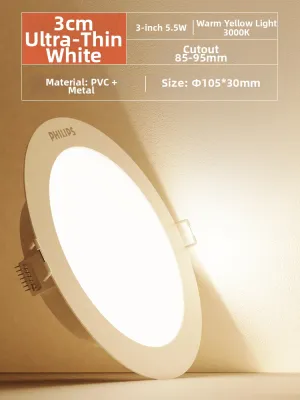
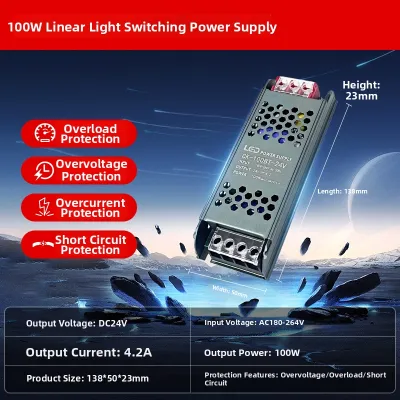
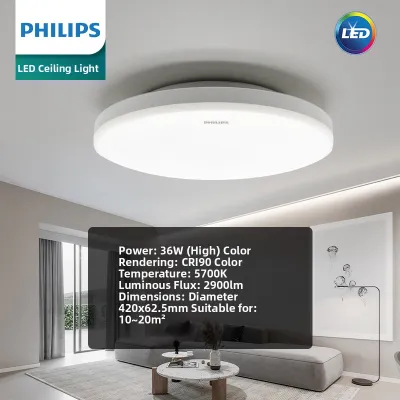
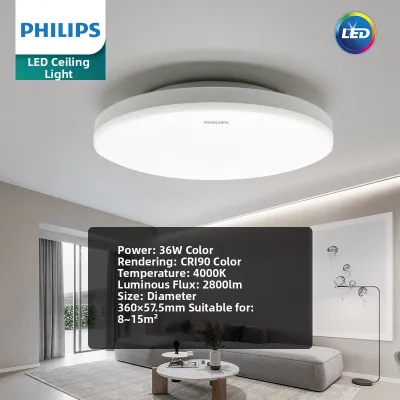
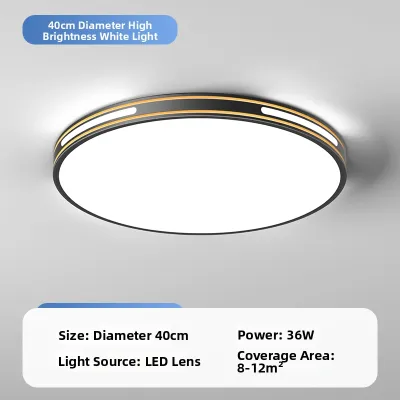
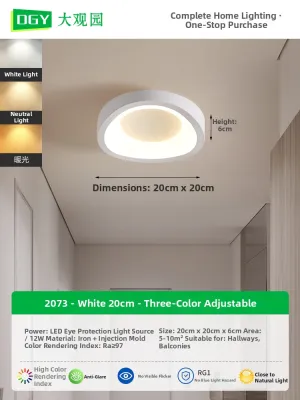
Prices are valid at publication and may change. Please refer to the product page for the latest price.
Key Features to Look for in High-Illumination Flush Mounts
Selecting the perfect ceiling lights for a condominium involves more than just picking an attractive design. To ensure your new fixtures provide ample brightness without compromising safety or clearance, you must evaluate several critical technical specifications and physical dimensions.

Ultra-Slim Profiles and Clearance
A true low-profile flush mount should feature an overall depth of less than 5 to 10 centimeters. Traditional flush mount fixtures often rely on deep glass domes and thick internal sockets to accommodate standard incandescent or compact fluorescent bulbs, which can protrude significantly into your living space. Modern integrated LED technology has completely transformed this category by embedding light-emitting diodes directly onto a flat internal circuit board. This design eliminates the need for bulky bulb sockets, allowing manufacturers to produce wafer-thin fixtures that sit almost completely flat against the ceiling. When shopping for your condo, prioritize integrated LED models with a profile depth of 2.5 to 5 centimeters to preserve maximum vertical clearance.
Lumen Output and Light Distribution
When assessing the brightness of modern LED ceiling lights, you should focus on lumen output rather than electrical wattage. Wattage only measures the amount of electricity a fixture consumes, whereas lumens indicate the actual volume of visible light emitted. To ensure your condo is adequately illuminated, you can calculate your lighting needs based on the floor area of each room.
- General Living Spaces: Aim for approximately 300 to 400 lumens per square meter in areas like living rooms and bedrooms to create a comfortable, relaxing environment.
- Task-Oriented Zones: Target 500 to 600 lumens per square meter in kitchens, bathrooms, and home office nooks where clear visibility is essential for safety and productivity.
- Light Distribution: Look for fixtures that feature wide beam angles of 120 degrees or more, or opt for edge-lit designs. Edge-lit panels direct the LED light inward toward a specialized light guide plate before diffusing it downward, resulting in an incredibly smooth, glare-free glow that covers a wider surface area.
Color Temperature and Dimmability
The color temperature of your ceiling lights plays a major role in setting the mood and functionality of your home. For multi-purpose condo spaces, a color temperature range of 3000K (warm white) to 4000K (cool or neutral white) offers the best balance. Warm white is ideal for creating a cozy, inviting ambiance in bedrooms and dining areas, while neutral white provides crisp, clear illumination that reduces eye strain in kitchens and study corners.
- Dimming Compatibility: If you choose a dimmable flush mount light to adjust the ambiance throughout the day, you must verify that the fixture's internal driver is fully compatible with your wall switches. Standard toggle switches cannot dim LED fixtures and will cause rapid flickering, buzzing, or premature component failure. Always check the manufacturer's packaging to ensure compatibility with modern leading-edge or trailing-edge phase-cut dimmer switches.
Top Flush Mount Light Styles for Ample Illumination
Because specific brand inventory and product availability can fluctuate across local home improvement centers and online marketplaces in the Philippines, focusing on distinct design categories is the most reliable way to find the right fixture. Each style offers unique advantages in terms of aesthetics, light output, and long-term maintenance.
Integrated LED Panel and Wafer Lights
Integrated LED panels and ultra-thin wafer lights represent the most modern and space-saving lighting solution available today. These fixtures are incredibly thin—often measuring less than 2 centimeters in depth—and are designed to mount flat against the ceiling, mimicking the clean look of recessed downlights without requiring deep ceiling cavities.
- Pros: They offer unmatched headroom clearance, exceptional energy efficiency, and a clean, minimalist aesthetic that complements modern interior designs. Because the light source is completely sealed within the housing, small insects, dust, and humidity cannot accumulate inside the diffuser, which is a major advantage in tropical climates.
- Cons: The primary trade-off is that when the integrated LED board or driver eventually reaches the end of its lifespan, you must replace the entire fixture rather than simply swapping out a lightbulb.
- Best Use Cases: These are highly recommended for narrow hallways, walk-in closets, low-ceiling bathrooms, and minimalist living rooms where you want a powerful, unobtrusive light source.
Multi-Bulb Flush Mounts with Standard Sockets
For homeowners who prefer long-term flexibility and straightforward maintenance, multi-bulb flush mounts with standard E27 screw sockets are an excellent alternative. These fixtures feature a slightly deeper but still low-profile housing that conceals two, three, or four individual bulb sockets behind a broad, flat diffuser.
- Pros: You can easily customize the brightness, color temperature, and color rendering of the room by selecting different E27 LED bulbs. If a bulb burns out, replacement is quick, inexpensive, and requires no electrical expertise or complete fixture replacement. This style also allows you to use smart E27 bulbs, enabling wireless dimming and color control via smartphone apps without changing your wall switches.
- Cons: They are naturally thicker than integrated LED panels, typically measuring between 8 and 12 centimeters in depth, which may feel slightly more prominent on very low ceilings.
- Best Use Cases: Perfect for dining areas, kitchens, and master bedrooms where high lumen output is required and the convenience of replaceable bulbs is a priority.
Drum and Dome Flush Mounts with Acrylic Diffusers
Low-profile drum and dome flush mounts offer a softer, more traditional decorative appeal. These fixtures feature a shallow cylindrical drum or gently curved dome shape, often accented with subtle metal, wood-look, or fabric trim, and are sealed with a frosted diffuser at the base.
- Pros: The frosted acrylic diffuser is highly effective at scattering light evenly and softening glare. This is particularly important in low-ceiling spaces where the light source sits closer to eye level, as direct exposure to unshielded LEDs can cause visual discomfort and eye strain. Acrylic diffusers are also lightweight and shatter-resistant compared to glass.
- Cons: Fabric-trimmed drum lights can trap dust and moisture more easily in humid environments, requiring more frequent surface cleaning to maintain their appearance.
- Best Use Cases: Ideal for cozy living rooms, dining nooks, and bedrooms where you want to add a touch of texture and design interest to the ceiling without sacrificing valuable headroom.
Installation and Electrical Checks for Philippine Condos
Installing ceiling lights in a Philippine condominium requires careful attention to local electrical standards and structural realities. Most residential developments in the country operate on a standard 230-volt, 60-hertz electrical system. Before purchasing any flush mount fixture, you must verify its rated voltage, base or interface type (such as standard E27 sockets or integrated LED drivers), wattage limits, and physical dimensions to ensure compatibility. Never assume a general category name guarantees safety or compatibility with your specific home setup.
Safety must be your absolute priority during any electrical installation. Before beginning, always check the product’s label and the manufacturer’s instructions for your specific fixture. If these instructions conflict with your existing setup, if the wiring is unidentified, or if your specific use case is not covered, stop immediately and consult the manufacturer or a qualified professional.
- Power Isolation: Always isolate the power by turning off the main circuit breaker at your unit’s electrical panel before attempting to remove an old fixture or install a new one. Never rely solely on a wall switch to cut power.
- Structural and Environment Checks: Inspect the ceiling junction box to ensure it is securely anchored to the concrete slab and can support the weight of your chosen fixture. Additionally, verify the installation environment; if you are installing a light in a damp area like a bathroom or near a kitchen cooking zone, ensure the fixture is certified for damp environments.
- Professional Boundary: For any fixed wiring, concrete drilling, work at height, or handling of complex electrical connections, always hire a licensed and qualified electrician to complete the installation safely and in compliance with local regulations.
Maintenance and Cleaning in Humid Climates
The tropical climate of the Philippines, characterized by high relative humidity and warm temperatures, presents unique challenges for maintaining ceiling fixtures. Dust, humidity, and small insects can easily find their way into or onto your light fixtures, reducing light output and dulling the appearance of the diffusers.
To keep your flush mount lights operating at peak brightness, establish a regular, low-risk cleaning routine:
- Preparation: Ensure the light switch is turned off and the fixture has cooled down completely to avoid thermal shock, burns, or electrical hazards.
- Check Instructions: Always check the treated item's manufacturer care instructions before applying any cleaning method. If instructions conflict or are missing, consult the manufacturer or a professional.
- Dusting: Use a clean, dry microfiber cloth or an electrostatic duster to gently wipe the exterior of the fixture and diffuser.
- Damp Cleaning: For stubborn dirt or film caused by kitchen grease, lightly dampen a microfiber cloth with water and a drop of mild dish soap. Wipe the acrylic or glass diffuser gently, ensuring no moisture enters the electrical housing.
- Safety Warnings: Never use harsh chemical cleaners, alcohol, solvent-based sprays, or abrasive scouring pads on acrylic diffusers, as these can cause micro-scratches, yellowing, or permanent clouding.
- Moisture Check: Regularly inspect the area around the fixture for signs of condensation or moisture buildup, particularly in kitchens, bathrooms, or near air conditioning vents. If you notice persistent moisture inside the housing, consult a professional to check the seal and ventilation.
Frequently Asked Questions (FAQ)
Can I install a flush mount light on a concrete condo ceiling?
Yes, you can install a flush mount light on a concrete ceiling, but the process requires specific tools and precautions. Unlike drywall or plasterboard ceilings, concrete slabs cannot be easily screwed into. You must use a rotary hammer drill equipped with a masonry drill bit to create holes, followed by inserting heavy-duty plastic or metal expansion anchors to secure the mounting bracket. Before you begin drilling, it is essential to consult your condominium’s building administration office. Many high-rise developments have strict guidelines regarding drilling into structural concrete slabs to avoid damaging embedded post-tension cables or electrical conduits. If drilling is restricted, you can explore surface-mounted wire channels or track lighting systems that utilize existing junction boxes without requiring new drill holes.
How do I calculate the right size flush mount for my condo room?
To find the ideal diameter for your flush mount light, you can use a classic interior design rule of thumb. First, measure the length and width of the room in feet. Add these two numbers together, and convert the resulting sum directly into inches. For example, if your condo’s bedroom measures 10 feet by 12 feet, the sum is 22. This means a flush mount fixture with a diameter of approximately 22 inches (or about 55 centimeters) will be visually balanced and proportional to the room. If the room is exceptionally small, such as a 6-foot by 8-foot hallway, a 14-inch (35-centimeter) fixture is more appropriate. Always consider the physical footprint of the light to ensure it provides adequate illumination without overwhelming the ceiling space.
Are flush mount lights bright enough for a kitchen or workspace?
High-lumen integrated LED flush mount lights are excellent for providing bright, uniform ambient lighting in kitchens and workspaces. However, relying solely on a single central ceiling light can create shadows when you stand at the kitchen counter or sit at your desk, as your body will block the light source. To create a highly functional workspace, we recommend a layered lighting approach. Use a bright, wide-angle flush mount light for general illumination, and supplement it with localized task lighting. For kitchens, under-cabinet LED strip lights are highly effective for illuminating food preparation areas. For home offices or study corners, a dedicated desk lamp with adjustable brightness will eliminate shadows and reduce eye strain during detailed tasks.

Community discussion
Share your experience or ask a question. Comments are reviewed before publication.