
When dealing with the compact vertical limits of modern condominium units in the Philippines, selecting the right center light is a critical decision that balances functionality, safety, and visual comfort. The ideal choice for a low-ceiling condo is a low-profile flush mount ceiling light. These fixtures sit directly against the ceiling plane, preserving precious headroom while distributing light across a wide angle. For ultra-low ceilings under 8 feet (2.4 meters), ultra-thin LED disk lights measuring under 2 inches in depth offer a seamless, minimalist solution. For living rooms and bedrooms where a softer, more inviting atmosphere is preferred, frosted drum shades provide excellent ambient illumination without harsh glare or heavy visual weight.
By opting for a flush mount center light, you eliminate the physical hazards and visual clutter associated with hanging fixtures, ensuring your living space feels open, airy, and perfectly illuminated. This guide breaks down the spatial benefits, essential technical specifications, design styles, and safety considerations to help you choose the best lighting setup for your high-rise home.
Maximize Space: Why Flush Mounts Work Best for Low Ceilings
Modern high-rise developments in major Philippine urban hubs, such as Metro Manila and Cebu, are frequently engineered with post-tensioned concrete slabs that limit floor-to-ceiling heights to approximately 2.4 to 2.6 meters. In these compact environments, vertical space is at an absolute premium. Installing hanging light fixtures like chandeliers or long pendant lights physically compromises the room, creating a cramped atmosphere and posing a direct head-bumping hazard for taller residents or when moving furniture. A hanging light also visually cuts the room in half, drawing the eye downward and making the ceiling feel even lower than it actually is.
Products mentioned in this guide
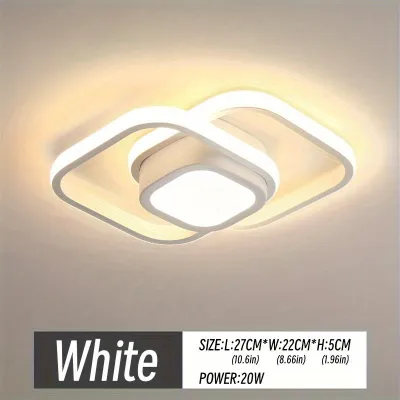
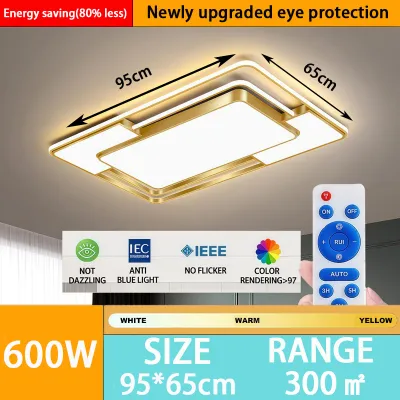
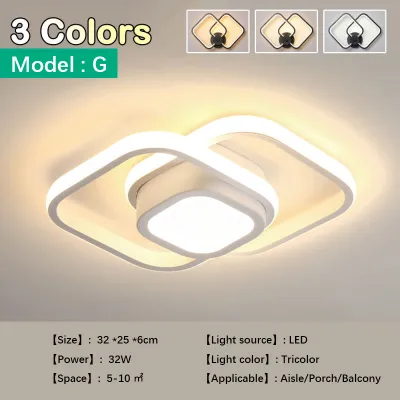
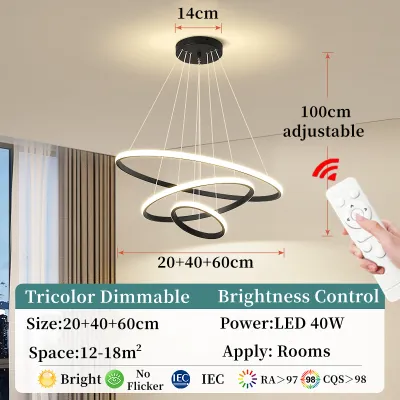
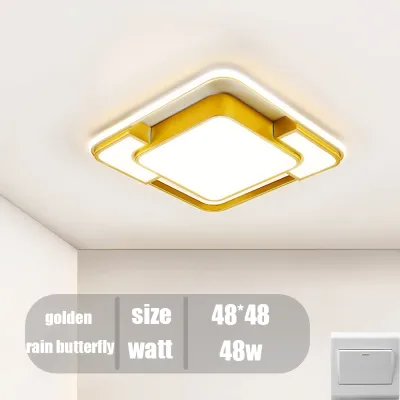
Prices are valid at publication and may change. Please refer to the product page for the latest price.
Flush mount fixtures solve this spatial dilemma by hugging the ceiling surface. By occupying minimal vertical space, they keep the overhead sightlines completely unobstructed. This architectural integration fools the eye into perceiving a higher ceiling and a more expansive room. Instead of focusing on a hanging obstacle, the gaze moves freely across the living space, which is highly beneficial in studio and one-bedroom condo layouts.
Beyond physical clearance, flush mounts excel at distributing wide, even ambient light. Because they are positioned at the highest possible point in the room, the light source can cast its beam outward over a broader horizontal plane. This wide-angle distribution minimizes dark corners and shadows, which are notorious for making small rooms feel confined. By bathing the entire room in uniform light, a well-chosen flush mount center light enhances the overall sense of volume and cleanliness in your home.
4 Essential Features to Check Before You Buy
Shopping for a center light requires looking beyond aesthetic appeal. To ensure compatibility with your condo’s structural layout and electrical system, you must evaluate several key technical and design specifications.

Profile Height
When every centimeter counts, the physical depth of the light fixture is your primary constraint. Standard flush mount lights typically have a profile height of 4 to 6 inches (10 to 15 cm). While these work well for ceilings right at the 8-foot mark, they can still feel slightly intrusive in exceptionally low spaces. For ceilings under 8 feet, prioritize ultra-thin LED panels or disk lights that measure under 2 inches (5 cm) in thickness. These ultra-low-profile options sit almost flush with the plaster or concrete, providing a clean, recessed-like appearance without the need to cut deep holes into your ceiling slab.
Brightness and Lumens
Do not rely solely on wattage to estimate how bright a light will be, especially when comparing modern LED fixtures. Wattage measures energy consumption, whereas lumens measure actual light output. To determine the brightness required for your space, calculate the square footage of the room. A standard condo living room of 15 square meters generally requires around 3,000 to 4,000 lumens of ambient light.
Because low ceilings position the light source closer to your eyes and furniture, choose a fixture with a wide beam angle of 120 degrees or more. A wide beam angle scatters the light laterally across the ceiling and walls, preventing the creation of a harsh, intense “hotspot” directly beneath the fixture while leaving the rest of the room in shadow.
Color Temperature
Color temperature, measured in Kelvin (K), dictates the color characteristics of the light and heavily influences the mood of a compact space. In the tropical climate of the Philippines, selecting the right color temperature is also a matter of thermal comfort.
- 3000K (Warm White): This range produces a cozy, relaxing yellow glow. It is highly recommended for bedrooms and living areas where you want to wind down after a long day.
- 4000K (Cool White): This neutral, clean light mimics natural daylight without being overly blue. It is ideal for multi-purpose living rooms, home offices, and kitchens because it enhances focus and keeps the space looking crisp and clean.
- 6500K (Daylight): While very popular in local households for its high visibility, daylight can sometimes feel clinical or harsh in a small condo setting. Limit its use to high-task areas like utility rooms or enclosed kitchens.
Many modern LED center lights feature tri-color technology, allowing you to toggle between 3000K, 4000K, and 6500K using your standard wall switch to match the time of day or activity.
Shade and Diffuser Material
The material covering the light source determines how effectively the light is scattered and how easy the fixture is to maintain.
- Acrylic and Polycarbonate: These lightweight, shatterproof materials are highly durable and excellent at diffusing light evenly. They are particularly suited for high-humidity areas in the Philippines, as they do not rust and are easy to wipe clean.
- Frosted Glass: Glass offers a premium, classic look that does not yellow over time when exposed to heat or UV rays. However, glass is significantly heavier than acrylic, requiring a very secure ceiling anchor.
- Fabric Shades: Fabric drums soften light beautifully, creating a sophisticated, textured look. However, in humid tropical climates, fabric can trap dust, moisture, and cooking grease, making it harder to clean and maintain over time.
Electrical and Safety Specifications
Before purchasing any fixture, verify that it is rated for the standard Philippine electrical system of 220V to 240V at 60Hz. Ensure the product carries recognized safety certifications, such as the Philippine Standard (PS) mark, the Import Commodity Clearance (ICC) sticker, or equivalent international safety certifications like CE or UL verified for 220V operation.
Additionally, check if the fixture is dimmable. If you plan to use a dimmer switch to adjust the mood, verify that both the LED driver inside the light and your wall dimmer switch are compatible (e.g., trailing-edge or triac dimming) to prevent annoying flickering or premature driver failure.
Top Flush Mount Styles for Compact Condo Rooms
Choosing a style that complements your interior design while respecting your ceiling height is key to creating a balanced home. Below are the most effective flush mount styles for low-ceiling condos.
Ultra-Thin LED Disk and Panel Lights
For the ultimate space-saving solution, ultra-thin LED disk and panel lights are unmatched. These fixtures utilize edge-lit technology, where LEDs are arranged around the frame and directed sideways into a light guide plate, which then diffuses the light downward. This engineering results in an incredibly thin profile—often less than an inch—and a perfectly even, glare-free light output with no visible hot spots.
These panels are highly energy-efficient, typically consuming between 12W to 24W of power while delivering exceptional brightness. They are perfect for modern, minimalist, or industrial condo designs. Their unobtrusive look makes them excellent for narrow hallways, walk-in closets, utility kitchens, and small bathrooms. The primary trade-off is their utilitarian aesthetic; they may feel too clinical or cold if your condo features a highly traditional, rustic, or cozy bohemian decor style.
Drum and Bowl Shades
If you want to add a touch of classic elegance or warmth to your main living spaces without sacrificing headroom, drum and bowl shades are excellent choices. Drum shades feature vertical fabric, metal, or acrylic sides with a flat bottom diffuser, while bowl shades feature a gently curved glass or acrylic dome.
These styles excel at bouncing a portion of the light off the ceiling before distributing it downward. This bounce-light effect softens shadows and makes the ceiling itself appear brighter, which visually lifts the room. When choosing a drum or bowl shade, pay close attention to the diameter. For a standard condo living room, a fixture diameter of 12 to 16 inches (30 to 40 cm) is usually the sweet spot. A larger fixture can easily overwhelm a small room, while a smaller one may look disproportionate and fail to provide adequate ambient light.
Modern Geometric and Open-Frame Designs
For homeowners who want their center light to serve as a design statement, modern geometric and open-frame flush mounts offer a stylish alternative. These fixtures utilize thin metal bands shaped into squares, hexagons, or interlocking circles that sit extremely close to the ceiling. Because the frame is open and lacks a solid shade, it maintains a light, airy visual profile that does not block views across the room.
To maximize the aesthetic appeal of an open-frame fixture, pair it with decorative LED Edison bulbs. This setup creates a striking contemporary, mid-century modern, or industrial focal point. However, because these fixtures do not have a diffuser, the light bulbs are directly visible. To avoid uncomfortable glare, use lower-wattage decorative bulbs or install the fixture in areas where you do not look directly upward, such as over a coffee table or in an entryway foyer. Always respect the maximum wattage limit printed on the fixture’s socket label.
Semi-Flush Mounts for Slightly Higher Ceilings
If your condo ceiling is closer to 8.5 or 9 feet (2.6 to 2.7 meters), you have the flexibility to use a semi-flush mount light. These fixtures feature a small stem that drops the light source down by 4 to 8 inches (10 to 20 cm) from the ceiling plane.
This small gap serves a highly functional purpose: it allows light to cast upward onto the ceiling surface, creating a beautiful halo effect. This upward illumination, known as uplighting, eliminates the dark shadow cast directly above standard flush mounts, making the ceiling feel higher and the overall room more spacious. However, do not install semi-flush mounts in high-traffic pathways, narrow corridors, or directly over beds where tall occupants might accidentally bump into them or feel visually crowded by the downward drop.
How to Place Center Lights in Different Condo Rooms
Every room in your condo serves a different purpose, requiring a tailored approach to how your center light is positioned and supplemented.
Living Room
The living room is the multi-functional heart of a Philippine condo, serving as an entertainment hub, a relaxation space, and sometimes a home office. Relying solely on a single, high-output center light can result in flat, shadowless, and clinical lighting. To avoid this, use a low-profile drum or geometric flush mount as your primary ambient light source, and layer it with secondary lighting. Add warm table lamps on side tables or a slim floor lamp in a corner. This layered approach allows you to turn off the main center light and use softer, localized lighting for watching television or relaxing in the evening.
Bedroom
In the bedroom, visual comfort is the absolute priority. When you are lying in bed, looking directly up at a bright, unshielded light bulb is highly uncomfortable. Choose a flush mount center light equipped with a high-quality frosted glass or acrylic bottom diffuser that completely hides the light source and softens the output. Opt for a warm color temperature of 2700K to 3000K to promote relaxation and prepare your body for sleep. Avoid installing semi-flush mounts directly over the bed if the clearance is tight, as the physical proximity can create an unsettling, crowded feeling while resting.
Kitchen and Dining
Kitchens and dining areas are task-heavy zones that require bright, clear illumination. In the kitchen, a flush mount center light with a neutral or cool color temperature (4000K to 5000K) is essential for safety and visibility during meal preparation. Because a central ceiling light will inevitably cast shadows when you stand at the counter, supplement your flush mount with under-cabinet LED strip lights to illuminate your work surfaces. For the dining area, if a low-hanging pendant light blocks the view across the table or risks being bumped, a stylish, low-profile geometric flush mount can beautifully define the dining space while maintaining an open, unobstructed sightline.
Safe Installation and Wiring Considerations
Installing or replacing a ceiling light involves working with electrical wiring and physical structures. Prioritizing safety and following proper installation protocols is essential to protect your home and yourself.
Before undertaking any electrical work, always turn off the power supply at the main circuit breaker or distribution board. Do not rely solely on the wall switch to cut the power. Use a reliable non-contact voltage tester on the wires at the ceiling junction box to verify that no electrical current is present before touching any connections.
When installing a new fixture, inspect the existing ceiling junction box. Ensure it is securely anchored to the concrete slab or ceiling joists and is rated to support the weight of your new light. High-rise condos in the Philippines are typically constructed with solid concrete ceilings. If you are installing a heavier glass or metal fixture, you must use a hammer drill, specialized masonry drill bits, and high-quality plastic or metal wall plugs (tox screws) to anchor the mounting bracket directly into the concrete slab. Never rely on weak adhesive or lightweight drywall anchors for concrete installations.
If you are installing a center light in a high-humidity environment, such as a bathroom, laundry area, or a covered balcony exposed to tropical air, ensure the fixture has an appropriate Ingress Protection (IP) rating. A rating of IP44 or higher is recommended for damp environments to prevent moisture, dust, and coastal salt air from entering the housing and causing short circuits or corrosion.
Finally, respect structural and professional boundaries. High-rise condominium buildings in the Philippines are governed by strict Property Management Office (PMO) guidelines. If your installation requires drilling deep into structural post-tensioned concrete slabs, running new surface-mounted plastic conduits, or modifying the main electrical panel, always hire a licensed electrician. A professional ensures all work complies with the Philippine Electrical Code (PEC), prevents accidental damage to structural tension cables embedded in the concrete, and secures the necessary work permits from your building administration.
Frequently Asked Questions (FAQ)
Can I install a flush mount light on a solid concrete condo ceiling?
Yes, you can install a flush mount light on a solid concrete ceiling, but it requires specific tools and techniques. Because you cannot easily chisel or cut into a solid concrete slab to run hidden wires, you must use the existing electrical junction box provided by the developer. To mount the fixture’s bracket, use a hammer drill with a masonry bit to drill precise holes, then insert plastic wall plugs (tox) to secure the screws. If your condo does not have a pre-installed junction box where you want the light, you will need to run the wiring through surface-mounted plastic conduits (molding) to a surface-mounted utility box, which a licensed electrician can install neatly.
How do I clean a flush mount light without taking it down?
For routine maintenance, use an extendable microfiber duster or a vacuum cleaner equipped with a soft brush attachment to remove dust, cobwebs, and insects, which are highly common in tropical environments. For a deeper clean of glass or acrylic diffusers, turn off the power at the wall switch and allow the bulbs to cool completely. Carefully remove the outer diffuser shade or cover according to the manufacturer’s instructions. Wash the cover in warm water mixed with a mild dishwashing liquid, rinse it thoroughly, and dry it completely with a lint-free microfiber cloth before reinstalling it. Never spray liquid cleaners directly onto the mounted fixture, as moisture can seep into the electrical sockets and cause damage.
Are smart flush mount lights worth it for small condos?
Smart flush mount lights are highly beneficial for small condo spaces. Because condo rooms often serve multiple purposes—such as a living room doubling as a home office or guest space—the ability to adjust your lighting is incredibly valuable. Smart lights allow you to transition from a bright, cool 4000K daylight setting for daytime work to a dim, warm 2700K setting for evening relaxation, all via a smartphone app, remote control, or voice commands. When choosing a smart fixture, ensure your condo has a stable 2.4GHz Wi-Fi connection and that the light is compatible with your existing smart home ecosystem, such as Google Home or Apple Home, for seamless integration.

Community discussion
Share your experience or ask a question. Comments are reviewed before publication.