
Selecting the right lights for room spaces in a low-ceiling condominium requires balancing functional illumination with physical and visual clearance. In many urban developments across the Philippines, standard ceiling heights often hover around 2.4 to 2.6 meters, and can drop even lower in areas with structural beams or dropped ceiling panels. Introducing bulky, hanging light fixtures into these compact layouts can make a room feel cramped, disrupt the flow of natural light, and even present a physical hazard for taller occupants.
Flush mount ceiling lights offer a practical solution by sitting directly against the ceiling surface. This design minimizes the vertical profile of the fixture, preserving precious headroom while distributing light evenly across the living space. By choosing the correct profile, brightness, and diffusion style, you can visually expand your condo’s interior, making compact studio units and low-ceiling apartments feel significantly more open and airy.
Because product availability and specific models change frequently across local retailers and online marketplaces, this guide focuses on the core technical specifications, design profiles, and safety standards you need to evaluate. Armed with this knowledge, you can confidently navigate your options to find a lighting solution that matches your condo’s structural limits and your personal style preferences.
Products mentioned in this guide
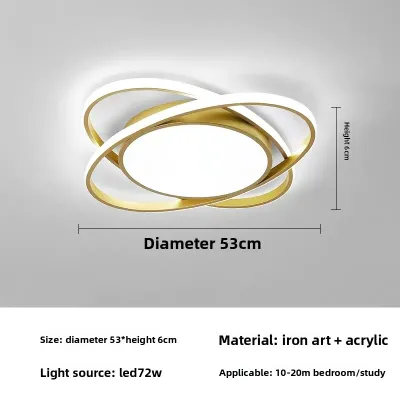
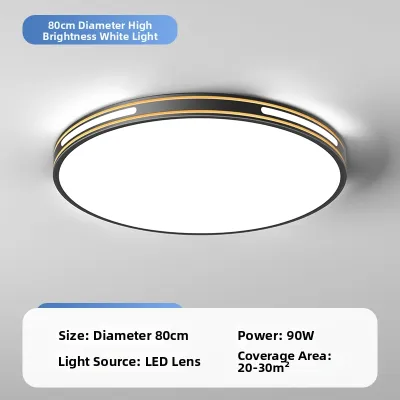

Prices are valid at publication and may change. Please refer to the product page for the latest price.
Why Ceiling Height Dictates Your Lighting Choices
Ceiling height is the primary limiting factor when planning a condo lighting layout. In a low-ceiling environment, every centimeter of vertical space counts toward maintaining comfortable headroom. Standard interior design guidelines suggest maintaining a clearance of at least 2.1 meters from the floor to the bottom of any light fixture. When your ceiling is already low, traditional chandeliers or pendant lights quickly infringe on this safety zone, creating a claustrophobic atmosphere and increasing the risk of accidental contact.
Beyond physical clearance, the way light is distributed plays a massive role in how spacious a room feels. Flush mount fixtures with wide beam angles project light outward and downward, illuminating the upper portions of the walls and reducing harsh shadows. This wide distribution draws the eye upward and outward, creating an illusion of height. Conversely, narrow beam angles focus light in tight pools on the floor, leaving the upper corners of the room in darkness and making the ceiling feel lower than it actually is.
Heat dissipation is another critical factor when mounting fixtures directly against condo ceilings. Many condominiums in the Philippines feature solid concrete slab ceilings or shallow gypsum board drop ceilings. Concrete retains heat, and enclosed ceiling cavities can trap warm air, especially in a tropical climate. Flush mount fixtures must be designed to dissipate heat efficiently to prevent damage to the ceiling material and to ensure the internal electronic components, such as LED drivers, do not overheat and fail prematurely.
Core Criteria for Choosing Flush Mount Lights for Low Ceilings
When shopping for flush mount lights, the profile depth—the distance the fixture extends downward from the ceiling—is your most critical measurement. For ultra-low ceilings, look for slim-profile fixtures with a depth of 5 centimeters or less. For slightly higher ceilings or areas where you want a decorative statement, a depth of up to 10 centimeters is acceptable. The diameter of the fixture should also scale with the room; a massive fixture in a tiny hallway will look disproportionate, while a tiny light in a living room will fail to provide adequate ambient illumination.

Lumen output and color temperature are vital for compensating for the limited natural light common in many condo layouts. Lumens measure the total amount of visible light emitted by a source. For a standard condo living room or bedroom, aim for a fixture that delivers between 800 and 1,500 lumens, depending on the room’s size. Color temperature, measured in Kelvin (K), dictates the color appearance of the light. Warm white (2700K to 3000K) creates a cozy, relaxing environment suitable for bedrooms, while cool white (4000K to 6500K) provides the crisp, clear visibility needed for kitchens, bathrooms, and study areas.
Electrical compatibility is a non-negotiable safety factor. In the Philippines, the standard residential electrical supply is 230V at 60Hz. Always verify that any fixture you purchase is rated for this voltage to avoid electrical hazards or immediate product failure. Additionally, decide between fixtures with integrated LED modules and those with replaceable bulb sockets, such as standard E27 bases. Integrated LEDs allow for much thinner designs, while socket-based fixtures offer the convenience of easily replacing individual bulbs when they burn out.
Material and finish choices affect both the durability of the fixture and the quality of the light it produces. Acrylic and polycarbonate diffusers are highly recommended for condos because they are lightweight, shatterproof, and resistant to the yellowing effects of UV exposure. Glass diffusers offer a classic, premium look but are heavier and require more robust mounting support. A matte or frosted diffuser is generally preferred over a glossy finish, as it softens the light, eliminates harsh glare, and prevents distracting reflections on polished tiled floors or television screens.
Condition-Based Shortlist: Matching Light Profiles to Condo Needs
To choose the right flush mount light, you must match the fixture’s design and functional profile to the specific demands of each room in your condo. A busy kitchen requires bright, shadow-free task lighting, while a studio living area needs versatile illumination that can transition from daytime productivity to evening relaxation. Hallways and entryways benefit from low-profile, unobtrusive designs that keep walkways clear.
When filtering products on online marketplaces or in local home improvement stores, use price ranges in Philippine Pesos (₱) as a secondary filter after you have verified all technical specifications. Basic, functional utility lights typically range from ₱300 to ₱800, while highly decorative, smart, or premium-material fixtures can range from ₱1,500 to ₱5,000 or more. Always prioritize electrical safety certifications and build quality over the lowest price tag to ensure long-term reliability.
Ultra-Slim LED Panels for Maximum Headroom
Ultra-slim LED panels are the ultimate space-saving solution for rooms with extremely low clearance, overhead bunk beds, or drop ceilings. These fixtures are available in two primary designs: edge-lit and back-lit. Edge-lit panels place the LED chips along the inner frame, directing light through a light guide plate to produce an incredibly thin profile—often less than 2 centimeters deep—and a soft, perfectly even glow. Back-lit panels place the LEDs directly behind the diffuser, making them slightly thicker but highly energy-efficient.
Before purchasing an ultra-slim panel, check the clearance of your existing ceiling junction box. Some ultra-slim models feature an external driver that must be tucked into the ceiling cavity, which requires a recessed junction box. If your condo has a solid concrete ceiling with a surface-mounted junction box, you will need to select a surface-mount slim panel that has enough internal space to house the driver within its own shallow frame.
Drum and Dome Flush Mounts for Ambient Warmth
For living rooms and bedrooms where you want to create a softer, more inviting atmosphere, drum and dome flush mounts are excellent choices. Drum lights feature cylindrical shades made of fabric, acrylic, or metal, while dome lights feature rounded glass or plastic covers. These styles add a touch of architectural interest to the ceiling without extending too far into the room’s vertical space.
When selecting these fixtures, consider the maintenance requirements in a tropical, high-humidity environment. Fabric shades can trap dust, pet dander, and moisture, which may lead to staining or mold over time if not regularly cleaned. Acrylic and glass domes are much easier to maintain, as they can be wiped clean with a damp cloth. Ensure the fixture features an easy-access mechanism, such as a twist-and-lock shade, so you can easily clean the interior and replace bulbs without having to unscrew the entire mounting bracket from the ceiling.
Smart and Dimmable Flush Mounts for Multi-Use Spaces
Studio condos often require a single room to serve multiple functions, acting as a home office by day, a dining area by evening, and a bedroom by night. Smart and dimmable flush mount lights provide the flexibility needed for these multi-use spaces. These fixtures allow you to adjust both the brightness and the color temperature, transitioning from a bright, cool white light that aids concentration to a dim, warm amber glow that promotes sleep.
When choosing a smart fixture, verify its connectivity requirements. Many smart lights connect directly to your home Wi-Fi network or via Bluetooth, allowing control through a smartphone app or voice assistants. Ensure the fixture is compatible with your existing smart home ecosystem. Keep in mind that if your internet connection goes down, you may lose smart functionality, so look for models that also include a physical remote control or can be operated via standard wall switches with basic step-dimming features.
Installation and Electrical Safety Checks for Condos
Before purchasing any ceiling light, consult your condominium corporation’s property management office to review the building’s renovation and electrical guidelines. Many condo buildings have strict rules regarding drilling into structural concrete ceiling slabs, as doing so can damage embedded post-tension cables or electrical conduits. If you are renting, you will also need written permission from your landlord before making any permanent changes to the unit’s fixtures.
Always verify the physical and electrical limits of your existing ceiling junction box. Standard plastic junction boxes have weight limits, and heavy glass or metal fixtures may require you to install a heavy-duty metal junction box or use specialized concrete anchors. Ensure that the existing wiring is in good condition and that the circuit breaker dedicated to the lighting loop is rated appropriately for the total wattage of your new fixtures. Proper grounding is essential, especially for fixtures with metal housings, to prevent electrical shocks in humid conditions.
Safety must always be your top priority when dealing with electrical installations. Before attempting to install or replace any light fixture, isolate the power by turning off the dedicated circuit breaker at your condo’s main electrical panel. Use a non-contact voltage tester to verify that the wires are completely dead before touching them. Follow the manufacturer’s installation instructions carefully, ensuring all wire connections are secure and insulated with high-quality electrical tape or wire connectors.
There are several clear stop conditions where you must halt any DIY installation and consult a licensed electrician. If you turn off the breaker and your voltage tester still detects electrical current, do not proceed. Similarly, if you discover ungrounded wiring, brittle or cracked wire insulation, outdated aluminum wiring, or if there is no junction box installed in the ceiling, stop immediately. A qualified professional will ensure your installation complies with the Philippine Electrical Code and your building’s safety standards.
Frequently Asked Questions (FAQ)
Can I use a semi-flush mount if my ceiling is slightly above standard height?
Yes, you can use a semi-flush mount light if your ceiling height is at least 2.7 meters. Semi-flush mounts feature a small stem or bracket that suspends the fixture slightly below the ceiling, usually leaving a gap of 10 to 20 centimeters. This gap allows light to reflect off the ceiling surface, creating a beautiful ambient glow and making the ceiling appear higher.
However, you must ensure that the bottom of the semi-flush fixture remains at least 2.1 meters above the floor to maintain safe headroom. In high-traffic areas like hallways or entryways, it is safer to stick to a true flush mount. For living rooms or dining areas where furniture placement naturally prevents people from walking directly under the light, a semi-flush mount can add elegant visual depth without compromising safety.
How do I clean flush mount lights without removing the entire fixture?
For routine maintenance, you can clean your flush mount lights using an extendable microfiber duster to gently remove loose dust, cobwebs, and insect debris from the exterior of the shade. This should be done weekly, especially in tropical climates where dust and small insects accumulate quickly around light sources. Always ensure the light has been turned off and the fixture is completely cool before dusting.
For a deeper clean, you will need to remove the diffuser or shade, but you do not need to uninstall the entire mounting bracket from the ceiling. Turn off the power at the main circuit breaker as a safety precaution. Carefully remove the cover according to the manufacturer’s instructions, wash it in warm water with a mild dish soap, and dry it completely with a lint-free microfiber cloth. Wipe the exterior of the mounting plate and bulbs with a dry cloth, then reassemble the fixture once the shade is entirely dry.
Are LED integrated flush mounts better than those with replaceable bulbs for condos?
LED integrated flush mounts and socket-based fixtures each have distinct advantages, and the best choice depends on your priorities. Integrated LED fixtures offer the slimmest profiles, often measuring less than 3 centimeters in depth, making them ideal for extremely low ceilings. They also provide highly uniform light distribution and boast long operational lifespans, often lasting several years under normal residential use.
Socket-based fixtures, which typically use standard E27 bulbs, are slightly thicker but offer superior long-term maintenance flexibility. If a bulb burns out, you can replace it in seconds without tools, and you can easily change the room’s atmosphere by swapping in bulbs with different color temperatures or wattages. If an integrated LED fixture fails, you will generally need to replace the entire unit or the internal LED driver, which may require basic wiring work or professional assistance.

Community discussion
Share your experience or ask a question. Comments are reviewed before publication.