
Selecting the best garden solar light with stand for your outdoor space depends on your yard’s scale, ranging from compact, low-lumen decorative stakes for small balconies to tall, high-output solar lamp posts for expansive lawns. Because outdoor lighting in the Philippines must endure intense tropical sun, high humidity, and torrential monsoon rains, selecting the right material, ingress protection (IP) rating, and structural support is crucial to ensure long-term durability and safety.
How to Choose Freestanding Solar Lights for Yards in the Philippines
When choosing a garden solar light with stand, it is vital to treat decorative styles, perceived color temperatures, and spatial lighting effects as conditional aesthetic preferences rather than universal performance facts. A warm, golden glow may create a cozy ambiance in a rustic garden, but it does not offer the high-contrast visibility required for security or detailed tasks. To guarantee safety and compatibility, you must verify the technical specifications of each fixture—including its battery voltage, base or interface design, wattage limits, physical dimensions, and electrical certifications—rather than relying on broad category names.
Brightness and Lumens
Lumen output determines how effectively a light illuminates its surroundings. For small, intimate spaces like balconies or patios, soft ambient lighting of 50 to 150 lumens is ideal to prevent harsh glare. Medium-sized backyards and garden pathways benefit from 150 to 300 lumens, which provide enough visibility for safe walking without overpowering the natural landscape. Large lawns, driveways, or security-focused areas require high-output fixtures delivering 300 to over 1,000 lumens to cover expansive ground.
Products mentioned in this guide
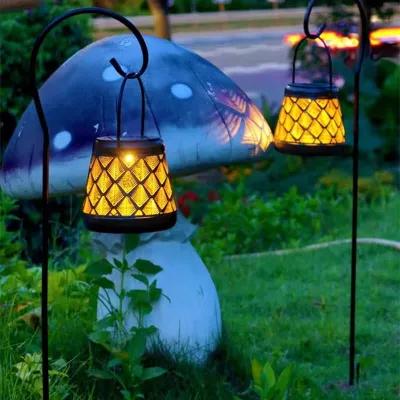
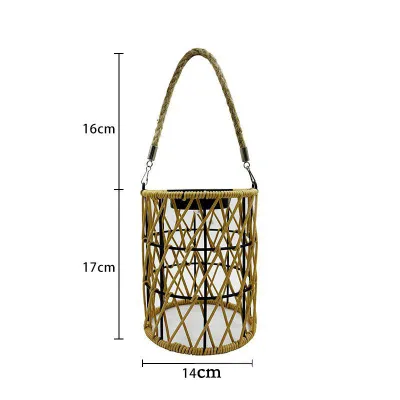
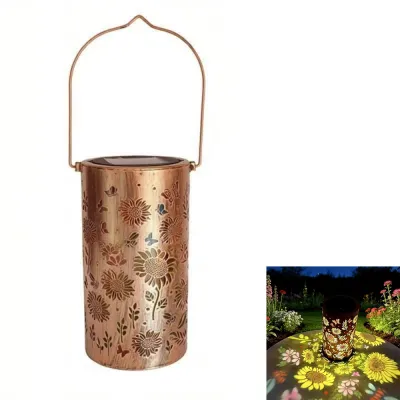
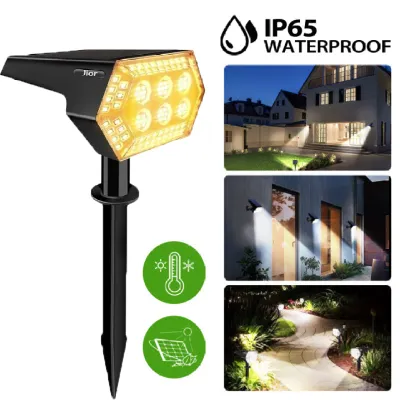
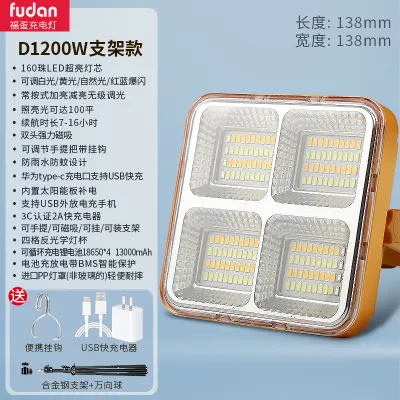
Prices are valid at publication and may change. Please refer to the product page for the latest price.
Weather Resistance
The tropical climate of the Philippines demands robust waterproofing. Look for fixtures with a minimum rating of IP65, which guarantees protection against dust ingress and low-pressure water jets from any angle. While IP44-rated lights can handle light rain, they often fail during heavy tropical downpours or typhoons. Investing in IP65 or IP67 ratings ensures the internal circuitry, battery compartment, and solar controller remain completely dry.
Material and Rust Prevention
High humidity and coastal salt air accelerate corrosion on metal surfaces. Avoid cheap, untreated sheet metal or low-grade plastics that degrade under intense ultraviolet (UV) exposure. Opt for stands constructed from powder-coated aluminum, marine-grade stainless steel, or UV-stabilized ABS plastics. These materials resist rust, maintain structural integrity over years of exposure, and do not become brittle under the scorching afternoon sun.
Stand Height and Proportion
The height of a light stand dictates the spread and angle of the light beam. Short stands (30 to 60 cm) keep the light close to the ground, making them perfect for lining pathways or highlighting low-lying flower beds. Mid-height stands (90 to 120 cm) elevate the light source, casting a wider glow that spans across garden beds and medium shrubs. Tall stands (150 to 220 cm) act as traditional lamp posts, dispersing light over a broad radius but requiring substantial structural anchoring to withstand high winds.
Best Solar Lights With Stands for Small Balconies and Patios
Small balconies, pocket gardens, and urban patios require a delicate approach to outdoor lighting. In these cozy, confined spaces, the primary goal is to create a warm, inviting atmosphere without cluttering the limited floor area. Choosing compact freestanding solar lights allows you to maximize your outdoor living space while introducing functional illumination.

Ideal Characteristics
For compact spaces, select stands ranging from 30 to 60 centimeters in height. Warm color temperatures, typically between 2700K and 3000K, are highly recommended to evoke a relaxing, living-room-like feel outdoors. Minimalist designs, such as slender metal stakes or classic hanging lantern silhouettes, blend seamlessly into container gardens without visually dominating the area.
Placement Strategy
Position your light stands in corners or tucked behind larger potted plants to add depth and eliminate dark corners. Avoid placing freestanding lights directly in high-traffic walkways where they can present tripping hazards. To prevent uncomfortable glare when seated, ensure the light source is positioned below eye level or features a frosted diffuser that softens the direct beam.
Recommended Product Types
One highly suitable option is the Solar Shepherd’s Hook Lantern. This style features a slender, powder-coated steel stake with a curved hook from which a vintage-style lantern hangs. Typically producing 15 to 30 lumens of warm light, these fixtures use a simple 1.2V Ni-MH battery and a small integrated solar panel. While they excel at adding charm and accent lighting to a balcony, their low lumen output makes them entirely unsuitable for security or task lighting.
Another practical choice is the Freestanding Mini Solar Pillar. These compact, 30-centimeter cylindrical columns are constructed from UV-resistant polycarbonate and can be placed on small outdoor tables or nestled inside planter boxes. Many models offer dual-mode lighting, allowing you to switch between a steady warm white and a soft RGB color-changing mode. However, because they feature small built-in solar panels, they must be positioned in areas that receive direct, unobstructed sunlight for at least six hours daily, which can be difficult on covered or north-facing balconies.
Top Picks for Medium Backyards and Garden Beds
Medium-sized backyards, manicured lawns, and expansive garden beds require a balance between aesthetic accentuation and practical pathway lighting. In these spaces, fixtures must be tall enough to rise above low foliage while providing a wide enough light spread to guide steps safely along garden paths.
Ideal Characteristics
Mid-height stands measuring between 80 and 120 centimeters are the standard for medium yards. Look for fixtures that offer directional or downward-diffused optics, which direct the light toward the ground where it is needed most, rather than scattering it upward into the night sky. A balanced output of 150 to 250 lumens ensures that both the pathway and the surrounding plants are gently illuminated.
Coverage and Spacing
To achieve a cohesive lighting scheme without dark, unlit gaps, correct spacing is essential. For mid-height stands with a typical 120-degree light spread, space the fixtures approximately 1.5 to 2.5 meters apart along your pathways. This layout ensures the edges of the light cones overlap slightly, providing a continuous path of illumination that enhances safety while maintaining a soft, natural garden aesthetic.
Recommended Product Types
The Mid-Height Solar Bollard Light with Integrated Stand is an excellent fit for this category. Standing at approximately 80 centimeters, these sturdy fixtures are often made of corrosion-resistant aluminum alloy and feature a top-mounted monocrystalline solar panel. Equipped with a high-capacity 3.2V LiFePO4 battery, they deliver around 150 lumens of downward-directed light. A notable limitation of these bollards is their reliance on direct sunlight; during consecutive overcast days in the rainy season, the continuous runtime may drop from an average of ten hours to under four hours.
Alternatively, Adjustable Dual-Head Solar Garden Stakes offer exceptional versatility. These fixtures feature a 100-centimeter adjustable metal stand equipped with two independent, swiveling light heads that can be angled to highlight specific landscape features, such as a prized ornamental tree or a stone water fountain. They generate up to 200 lumens of neutral white light (4000K), creating a clean, modern look. However, users should inspect the plastic adjustment joints periodically, as prolonged exposure to intense tropical UV rays can cause cheaper plastics to become brittle and crack over time.
Recommended Freestanding Lights for Large Lawns and Driveways
Large lawns, long driveways, and expansive estate gardens require powerful, high-reaching light fixtures. These areas demand substantial illumination to ensure safety, deter intruders, and provide clear visibility across wide distances.
Ideal Characteristics
For large outdoor areas, select tall stands ranging from 180 to 220 centimeters in height. These fixtures should deliver high lumen outputs, typically between 400 and 1,000 lumens, using cool or neutral white light (5000K to 6000K) to maximize visibility and contrast in the dark. Integrated passive infrared (PIR) motion sensors are highly beneficial, allowing the lights to operate at a low ambient brightness level and ramp up to full power only when movement is detected.
Structural Stability
Because of their tall profiles and large solar panels, these fixtures act like sails during high winds and tropical storms. Structural stability is a critical safety consideration. Look for stands made of heavy cast aluminum or reinforced steel with wide, pre-drilled bases. These bases must be securely bolted down or anchored deep into the ground to prevent the fixture from tipping over and causing property damage or personal injury.
Recommended Product Types
The Triple-Head Solar Lamp Post is a premier choice for large lawns. Standing at 210 centimeters, this classic Victorian-style fixture features three separate lanterns that produce a combined output of 800 lumens. It utilizes a large, multi-directional monocrystalline solar array to capture sunlight throughout the day, charging a high-capacity lithium-ion battery pack. The primary trade-offs for this robust system are its large physical footprint, heavy shipping weight, and a higher retail price, often ranging from ₱3,500 to ₱8,000.
For a more modern aesthetic, the Commercial-Grade Solar Pathway Pole with Motion Sensor is highly effective. This sleek, minimalist 180-centimeter pole is constructed from anodized aluminum and features an integrated PIR sensor. It runs at a power-saving 100 lumens of ambient light and instantly increases to 1,000 lumens when motion is detected within a 5-meter radius. While it provides exceptional security and pathway coverage, its stark, industrial design may not harmonize well with traditional, rustic, or highly natural garden layouts.
Maintenance and Care for Tropical Climates
The hot, humid, and rainy climate of the Philippines can be harsh on outdoor electronic fixtures. To maximize the lifespan of your garden solar lights and ensure they continue to perform efficiently year-round, a regular maintenance routine is essential.
Solar Panel Cleaning
Over time, dust, pollen, bird droppings, and salt residue can accumulate on the surface of the solar panels, blocking sunlight and reducing charging efficiency. Every few weeks, gently wipe the panels using a soft, damp microfiber cloth and clean water. Avoid using abrasive scrubbing pads, steel wool, or harsh chemical detergents, as these can scratch the protective tempered glass or PET coating, permanently degrading the panel’s ability to absorb sunlight.
Battery Care
If you notice your solar lights turning off after only one or two hours of operation despite a full day of bright sunshine, the rechargeable battery is likely degrading. Most solar lights use standard rechargeable batteries that can be replaced easily. When replacing them, always check the manufacturer’s exact specifications for battery chemistry (such as Lithium Iron Phosphate/LiFePO4 or Nickel-Metal Hydride/Ni-MH), voltage (typically 3.2V or 1.2V), and capacity (measured in mAh). Installing an incompatible battery can damage the internal circuitry or create a safety hazard.
Rust and Corrosion Checks
Perform a visual inspection of the metal stands, joints, and screws at least once every quarter. Look for signs of paint flaking, rust spots, or mineral buildup from hard water. To prevent screws and joints from seizing in the humid air, apply a thin coat of anti-rust spray or marine-grade silicone grease to the threads and connection points. If you detect severe structural rust, deep cracks in the housing, or water pooling inside the light casing, it is time to retire the unit or replace the compromised parts.
Safety Boundaries
Before performing any cleaning, battery replacement, or maintenance, always turn off the solar light unit using its physical power switch. Refer to the manufacturer’s user manual for specific disassembly and care instructions. If your solar light is connected to any auxiliary fixed wiring, or if you must work at heights to maintain tall lamp posts, isolate the power source at the circuit breaker and consult a qualified professional electrician. If you notice any structural instability or wobbling in a tall stand, address the anchoring immediately to prevent tipping.
Frequently Asked Questions (FAQ)
Do garden solar lights with stands work during the rainy season?
Yes, garden solar lights with stands will still function during the rainy season, but their overall performance and runtime will be reduced. Monocrystalline solar panels can capture solar energy even on overcast, cloudy days by utilizing diffuse light, but their charging efficiency drops significantly compared to direct, bright sunlight. To ensure reliable performance during the wet season in the Philippines, look for fixtures equipped with larger solar panels, high-capacity lithium batteries, or smart energy-saving modes (such as motion sensors or automatic dimming) that conserve battery power over consecutive cloudy days.
How do I secure a tall solar light stand on grass or soil?
To secure a tall solar light stand on soft grass or garden soil, you must use anchoring methods that resist wind leverage. For lightweight to medium stands, you can use heavy-duty, extra-long metal ground stakes or U-shaped rebar anchors driven deep into the ground. For very tall, heavy, or top-heavy fixtures like triple-head lamp posts, the safest and most reliable method is to pour a small concrete footing in the soil. Once the concrete cures, bolt the stand’s metal base directly into the concrete using expansion anchors or masonry bolts, ensuring the fixture remains perfectly upright and stable even during severe tropical storms and high winds.

Community discussion
Share your experience or ask a question. Comments are reviewed before publication.