
Condo balconies in the Philippines offer a valuable outdoor escape, but lighting them effectively requires fixtures that can withstand intense tropical elements without violating strict building codes. The best heavy-duty solar lights for these spaces combine high weather-resistance ratings (IP65 or higher), robust non-invasive mounting systems, and high-efficiency solar panels capable of charging in partial shade. Because drilling into exterior walls is almost universally prohibited by condominium administrations, selecting fixtures that utilize tension, clamps, or heavy freestanding bases is essential.
By focusing on durable materials like UV-stabilized polycarbonate and marine-grade aluminum, you can create a warm, inviting outdoor living room that survives both intense summer heat and torrential monsoon rains. Investing in heavy-duty solar fixtures ensures that your balcony remains safely illuminated throughout the year, providing reliable performance without increasing your monthly electricity bill.
Why Condo Balconies Need Heavy-Duty Solar Lighting
A condominium balcony serves as a unique transition zone, bridging the gap between cozy indoor living and the unpredictable outdoor environment. Homeowners and renters frequently search for “solar lights indoor heavy duty” because they want the soft, warm aesthetic typically reserved for indoor spaces, but packaged in a shell rugged enough to survive outside. Standard indoor decorative lights lack the necessary seals to keep out moisture, while cheap outdoor novelty lights quickly succumb to the harsh, localized microclimates found on high-rise buildings.
Products mentioned in this guide
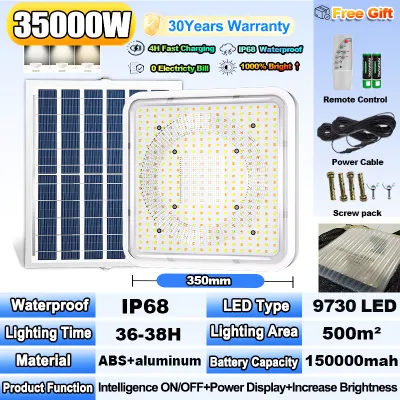
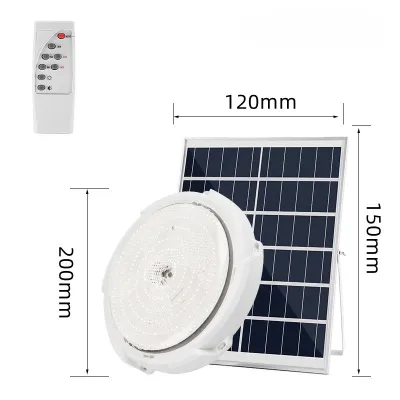
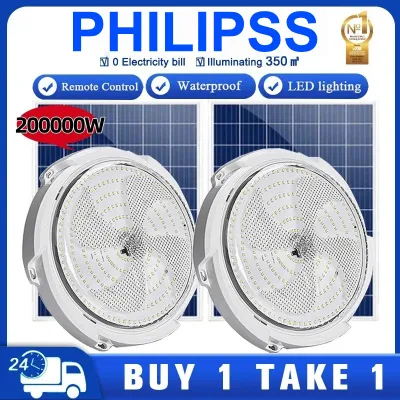
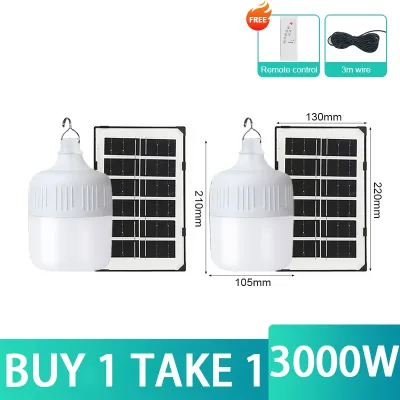
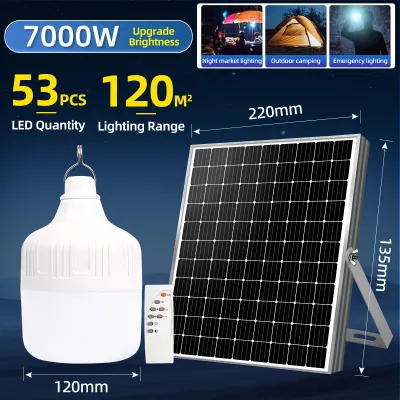
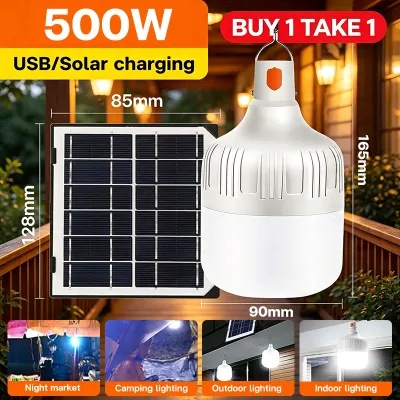
Prices are valid at publication and may change. Please refer to the product page for the latest price.
In the Philippines, these microclimates are particularly demanding. Balconies are subjected to a relentless combination of high humidity, salt-laden air in coastal cities, intense tropical UV radiation, and driving rains during the monsoon season. High-rise balconies also experience significantly higher wind speeds than ground-level gardens, turning lightweight or poorly constructed fixtures into dangerous projectiles. Standard plastics brittle and yellow under the tropical sun within a single season, leading to cracked housings, water intrusion, and electrical failure.
Furthermore, condo living introduces strict regulatory hurdles. Property management boards almost always enforce rigid guidelines regarding the exterior appearance of the building and structural modifications. Drilling into the building’s facade, columns, or balcony ceilings is typically banned to protect the structural integrity and the external waterproofing layers. Consequently, heavy-duty solar lights must not only be weather-resistant but also completely non-invasive, relying on clever engineering, weighted bases, or secure clamping systems to stay in place.
Essential Specs for Heavy-Duty Balcony Solar Lights
Before purchasing any solar lighting fixture for your balcony, it is crucial to look past aesthetic appeal and carefully evaluate technical specifications. Because you cannot easily replace hardwired parts on a rented or strictly regulated balcony, choosing a fixture with the right internal components ensures long-term safety and performance.

Material and Build Quality Avoid cheap, brittle plastics that degrade rapidly under intense ultraviolet light. Instead, prioritize heavy-duty solar lights constructed from UV-stabilized ABS plastic, impact-resistant polycarbonate, or powder-coated aluminum. Powder-coated aluminum resists rust and corrosion from coastal humidity, while polycarbonate lenses maintain their clarity without yellowing or cracking over years of sun exposure.
Weather Resistance and IP Ratings The Ingress Protection (IP) rating is the most reliable measure of a light’s durability. For a semi-exposed or fully exposed condo balcony, look for fixtures rated IP65 or higher. An IP65 rating guarantees that the light is completely dust-tight and can withstand low-pressure water jets from any direction, meaning it will easily survive blowing monsoon rains. For highly exposed balconies on upper floors, an IP66 or IP67 rating provides even greater peace of mind against driving rainstorms.
Solar Panel Efficiency and Type Balconies often suffer from limited direct sunlight due to overhead concrete slabs, adjacent high-rise towers, or deep structural recesses. To maximize energy collection, opt for monocrystalline solar panels, which offer the highest conversion efficiency under partial shade or indirect daylight. Additionally, look for split-type solar designs where the panel is separate from the light fixture, allowing you to position the panel on the sun-drenched railing while keeping the light source in a shaded seating area.
Battery Chemistry and Thermal Stability The battery is the heart of any solar light, and its lifespan is heavily influenced by operating temperatures. Standard Nickel-Metal Hydride (NiMH) batteries degrade quickly in hot tropical climates. Instead, seek out fixtures powered by Lithium Iron Phosphate (LiFePO4) or high-quality Lithium-ion (Li-ion) batteries. LiFePO4 batteries offer superior thermal stability, keeping them safe and efficient even when exposed to high balcony temperatures, and they typically last for thousands of charge cycles compared to the few hundred cycles of cheaper alternatives.
Electrical and Compatibility Verification Always verify the manufacturer’s specified voltage, base or interface type, wattage limits, physical dimensions, and dimming methods before installing any hybrid or plug-in auxiliary solar systems. Ensure the fixture carries reputable electrical safety certifications (such as CE, RoHS, or local quality marks) to prevent electrical hazards. Keep in mind that decorative style, perceived color temperature, and spatial lighting effects are highly subjective preferences rather than universal performance facts; choose specifications that align with your specific balcony layout and light tolerance.
Recommended Heavy-Duty Solar Light Types for Condos
To illuminate your balcony safely and beautifully without violating building policies, you must select fixtures designed for specific installation scenarios. Here are the three most effective heavy-duty solar light types suited for Philippine condo balconies, focusing on zero-drill installation and high durability.
Split-Type Solar Wall and Railing Lights
Split-type solar lights are the ultimate solution for deeply shaded balconies or units with heavy overhead concrete covers. In these setups, the solar panel and the light fixture are separate components connected by a durable, weather-sealed cable. This design allows you to mount the monocrystalline solar panel directly on the balcony railing where it can capture maximum daily sunlight, while the actual heavy-duty light fixture is installed deep within the shaded lounge or dining area of the balcony.
When selecting a split-type system, pay close attention to the construction of the connecting cable and bracket mounts. The cable must feature thick, UV-resistant insulation and heavy-duty, threaded waterproof connectors to prevent moisture from seeping into the electrical contacts. Look for adjustable mounting brackets made of powder-coated steel or reinforced polymer, allowing you to angle the solar panel precisely toward the sun’s path.
These fixtures are ideal for creating focused ambient light over balcony dining tables, reading corners, or outdoor sofas. They provide reliable, bright illumination precisely where you need it, completely independent of where the sun actually hits your balcony floor.
Freestanding Heavy-Duty Solar Floor Lamps
For renters or those who prefer a highly flexible layout, freestanding heavy-duty solar floor lamps offer an elegant, plug-and-play lighting solution. These lamps mimic the cozy, sophisticated look of indoor living room lamps but are engineered entirely from weather-resistant materials. They require absolutely no mounting, clamping, or structural modifications, making them fully compliant with even the strictest condo association guidelines.
The most critical factor for any high-rise floor lamp is wind resistance. Because wind speeds intensify significantly on upper floors, you must choose lamps with heavily weighted bases made of dense resin, concrete-filled polymer, or heavy cast iron with rust-resistant coatings. A lightweight lamp will easily tip over during a sudden thunderstorm, risking damage to the fixture or, worse, falling off the balcony.
Look for models that feature warm-white LEDs, ideally in the 2700K to 3000K color temperature range. This warmth mimics indoor incandescent lighting, creating a soft, relaxing, and intimate ambiance that is perfect for winding down in the evening. These lamps work beautifully when placed in empty balcony corners, next to large potted palms, or beside lounge chairs.
Clamp-On and Strap-Mount Railing Lights
When balcony floor space is at a premium, clamp-on and strap-mount railing lights allow you to maximize your usable area while providing secure, perimeter illumination. These lights attach directly to the existing balcony balustrade using non-invasive, heavy-duty mounting hardware that does not scratch or damage the building’s finishes.
To ensure these fixtures remain securely attached during strong winds, look for mounting systems that utilize marine-grade stainless steel clamps or thick, UV-resistant silicone straps. These mounting systems should be highly adjustable to accommodate various railing profiles, whether your balcony features round metal pipes, square wooden rails, or thick glass balustrades.
Safety is paramount when mounting any object on a high-rise railing. Always prioritize fixtures designed with anti-drop features, such as secondary safety steel tethers that loop around the railing, or mounts designed to face inward toward the balcony floor rather than outward over the street. These compact lights are perfect for narrow balconies, illuminating perimeter plants, or casting a gentle downward glow along the balcony pathway.
Installation Safety and Condo Compliance
Installing solar lighting on a condo balcony involves more than just finding a sunny spot; it requires a careful balance of personal safety, structural preservation, and neighborly consideration. Following proper installation boundaries ensures your balcony remains a safe, peaceful retreat.
Adhering to No-Drill Mandates Before beginning any installation, check your condominium’s house rules and master deed. Nearly all condo administrations strictly prohibit drilling into exterior walls, structural columns, or balcony ceilings to prevent compromising the building’s waterproofing membrane and structural integrity. If water leaks into the concrete structure, it can cause rebar corrosion and spalling, leading to expensive repairs and potential liability. Stick exclusively to tension mounts, heavy-duty clamps, freestanding bases, or high-strength, weather-resistant adhesive hooks designed for clean removal.
Typhoon and Severe Weather Preparedness The Philippines experiences frequent tropical storms and typhoons that bring extreme wind speeds and torrential downpours. Any outdoor fixture can become a hazard under these conditions. Ensure that split-type panels are bolted or strapped down with heavy-duty, marine-grade zip ties or stainless steel clamps. For freestanding lamps and lightweight clamp-on lights, establish a routine to bring them indoors immediately whenever a typhoon warning or severe weather advisory is issued.
Managing Light Pollution and Neighborly Courtesy Living in a high-density condominium means your balcony lighting can easily impact your neighbors. Harsh, unshielded white light shining directly into adjacent units or onto the street below can cause sleep disruption and complaints. Choose fixtures with integrated shades, downward-facing louvers, or adjustable heads that direct the light precisely onto your balcony floor or seating area. Opting for warm-white color temperatures (2700K-3000K) and moderate lumen outputs provides a cozy atmosphere without creating an intrusive glare for those living nearby.
Safety and Professional Boundaries If your chosen lighting setup involves any fixed electrical wiring, connection to the main household power grid (such as hybrid solar-electric systems), installation in highly damp areas, work at significant heights, or suspended overhead loads, you must prioritize safety. Always isolate the power supply before handling any electrical connections. Follow the manufacturer’s installation instructions to the letter. If you encounter conflicting instructions, if the structural material of your balcony is unidentified, or if the installation path is not covered by the product manual, stop immediately. Consult the manufacturer or a qualified, licensed professional to complete the installation safely and preserve your product warranty.
Frequently Asked Questions (FAQ)
Can I use standard indoor solar lights on my condo balcony?
No, using standard indoor solar lights or non-weatherproof decorative lights on a condo balcony is highly discouraged. Even if your balcony is fully covered or enclosed, semi-outdoor spaces are constantly exposed to high ambient humidity, blowing rain, salt air, and extreme temperature fluctuations. Standard indoor lights lack the rubber gaskets, sealed battery compartments, and UV-resistant coatings required to keep moisture and dust out of the electrical components. This exposure can lead to rapid corrosion, battery failure, short circuits, or even fire hazards. For fully enclosed balconies, verify that the fixture has at least an IP44 rating, but for any semi-exposed or open balcony, always opt for heavy-duty outdoor lights rated IP65 or higher to ensure long-term safety and durability.
How do I maintain solar panels in a dusty or humid environment?
To maintain optimal charging efficiency in urban Philippine environments, you should clean your solar panels every two to three weeks. Urban dust, vehicle exhaust residue, pollen, and salt spray form a thin film over the glass, which blocks sunlight and significantly reduces the panel’s power output. To clean the panel, gently wipe the surface with a soft, damp microfiber cloth using clean water or a highly diluted, mild dish soap. Always refer to the manufacturer’s care instructions before cleaning. Never use abrasive sponges, steel wool, or harsh chemical solvents like alcohol or bleach, as these can permanently scratch or strip the anti-reflective coating on the solar glass, permanently degrading its charging capacity.

Community discussion
Share your experience or ask a question. Comments are reviewed before publication.