
Quick Guide: Choosing Wall Lamps Indoor for Hallways and Bedside Areas
Selecting the right wall lamps indoor can transform both the functionality and aesthetic of your home. In the Philippines, where residential spaces range from compact high-rise condominiums in metropolitan areas to spacious multi-generational family homes, maximizing floor area is a constant priority. Wall-mounted fixtures provide an elegant, space-saving alternative to bulky floor lamps and bedside tables, clearing up valuable surface space while elevating your interior design.
While both hallways and bedrooms benefit from wall sconces, their lighting objectives are fundamentally different. Hallways require uniform, glare-free illumination to ensure safe passage and eliminate dark corners. Bedside areas, on the other hand, demand a delicate balance between focused task lighting for reading and soft, dimmable ambient light that helps you wind down after a long day. Understanding these distinct roles is the first step toward creating a cohesive, well-lit home.
Key Lighting Requirements for Hallways and Bedrooms
Corridors and entryways serve as the primary arteries of your home, demanding consistent and reliable lighting. Because these spaces are often narrow and lack natural light, fixtures must provide sufficient brightness without creating blinding glare at eye level. Furthermore, physical clearance is a critical consideration; any fixture installed in a high-traffic zone must have a low profile to prevent accidental bumps from passing family members or during the movement of furniture.
Products mentioned in this guide
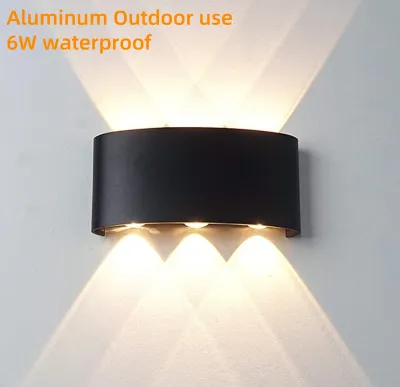
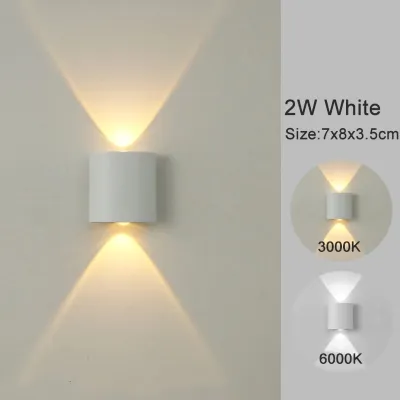
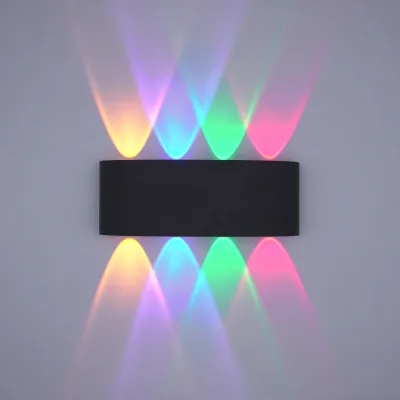
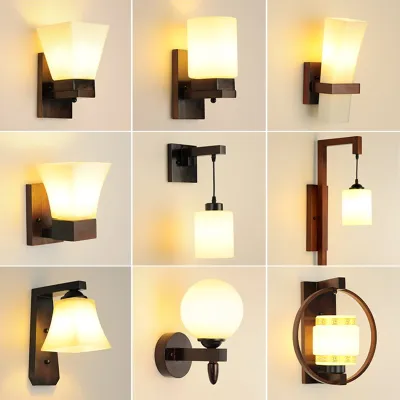
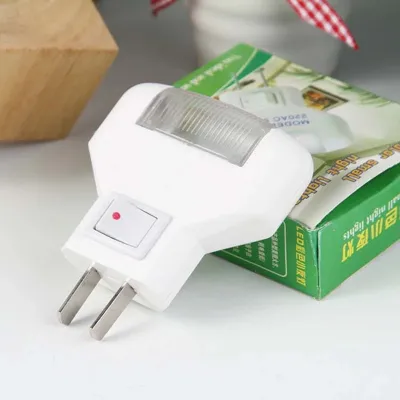
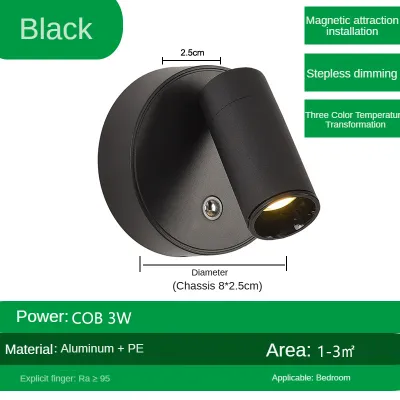
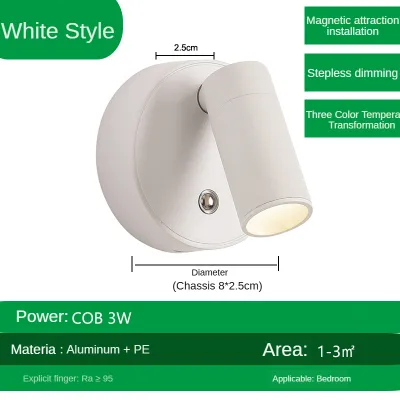
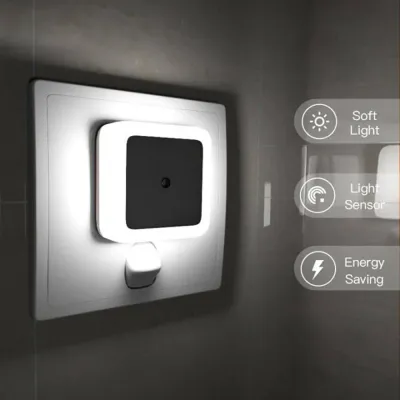
Prices are valid at publication and may change. Please refer to the product page for the latest price.

In tropical climates like the Philippines, hallways can also be subject to higher humidity levels, particularly in homes with open-air ventilation or semi-outdoor corridors. When selecting fixtures for these areas, it is wise to verify that the materials can withstand ambient moisture without rusting or tarnishing over time. Matte finishes, powder-coated metals, and treated plastics often perform exceptionally well under these environmental conditions.
Conversely, the bedroom is a personal sanctuary where lighting must adapt to shifting moods and activities. A bedside fixture needs to offer targeted illumination that allows you to read comfortably without casting harsh shadows across the pages. At the same time, this light must be highly localized to prevent spilling over to the other side of the bed, ensuring your partner’s sleep remains undisturbed.
Convenience is another non-negotiable factor for bedside lighting. The controls for your wall lamps must be easily accessible from a lying or sitting position, eliminating the need to stand up to turn off the lights before sleeping. Achieving this level of comfort requires careful planning regarding switch placement, fixture adjustability, and light diffusion.
Best Wall Lamp Features for Hallway Navigation
Upward and Downward Wash Sconces
Directional lighting is highly effective for long corridors. Sconces that cast light both upward and downward—often referred to as up-and-down lights—create a beautiful washing effect on your walls. This technique highlights architectural textures, such as plaster finishes or wooden paneling, while visually expanding the height of the ceiling. By directing the light against the wall surface rather than outward into the eyes of passersby, these fixtures provide excellent wayfinding illumination that remains soft, indirect, and entirely glare-free.
Flush-Mount and Low-Profile Designs
In narrow hallways, every centimeter of physical clearance matters. Standard decorative sconces can protrude significantly from the wall, presenting a physical hazard in tight spaces. Opting for flush-mount or low-profile designs ensures that the fixtures hug the wall closely, typically extending less than ten centimeters outward. These slim profiles minimize the risk of being knocked loose by active children, pets, or bulky items being carried through the corridor, making them a highly practical choice for modern townhouses and apartments.
Placement and Spacing Guidelines
Achieving balanced illumination in a hallway depends heavily on precise placement and spacing. As a general rule of thumb, indoor wall lamps should be mounted at approximately 150 to 170 centimeters above the finished floor, aligning roughly with average eye level to keep the light source comfortable. To maintain continuous coverage and eliminate dark, shadowy pockets, space the fixtures roughly 1.8 to 2.4 meters apart along the length of the wall. If your corridor features architectural elements like doorways or artwork, align the sconces symmetrically around these features to create a polished, intentional look.
Ideal Bedside Sconces for Reading and Relaxation
Adjustable and Swing-Arm Sconces
For those who enjoy reading, journaling, or using devices in bed, adjustable swing-arm sconces offer unparalleled utility. These fixtures feature articulated joints or flexible goosenecks that allow you to pull the light source closer for detailed tasks or push it back against the wall when it is no longer needed. By directing the beam precisely onto your book, you can maintain excellent visibility while keeping the rest of the bedroom dim and peaceful.
Dimmable and Diffused Ambient Sconces
When it is time to wind down, harsh, direct light can disrupt your body’s natural sleep signals. Sconces equipped with fabric shades, frosted glass globes, or integrated dimming capabilities are ideal for creating a soothing, low-glare environment. Softly diffused light mimics the warm glow of sunset, helping to signal to your brain that it is time to rest. For added versatility, look for fixtures that support dimmable LED bulbs, allowing you to transition seamlessly from bright morning preparation to cozy evening relaxation.
Switch Placement and Convenience
The usability of a bedside lamp is directly tied to how easily you can operate it. If you are retrofitting your bedroom without opening up the walls, look for plug-in sconces that feature inline cord switches or built-in toggle switches on the backplate itself. For a more integrated look, hardwired fixtures can be connected to a dedicated wall switch positioned just above your nightstand or headboard. Whichever option you choose, verify that you can comfortably reach the control without having to stretch, strain, or sit up fully from your pillow.
Cross-Scenario Compatibility: Using the Same Sconce in Both Areas
Achieving a cohesive design throughout your home often prompts the question of whether you can use the exact same wall lamp in both hallways and bedrooms. Minimalist, geometric designs—such as simple cylinder sconces or sleek rectangular LED bars—possess a versatile aesthetic that blends seamlessly into both environments. These modern fixtures offer clean lines that complement contemporary Philippine interiors while providing reliable, indirect illumination.
However, using a single fixture type across both spaces requires careful consideration of functional trade-offs. A low-profile, flush-mount sconce that is perfect for keeping a narrow hallway clear may lack the adjustable, focused beam needed for comfortable bedside reading. Conversely, a highly flexible swing-arm lamp that excels at the bedside might protrude too far and look out of place if installed along a high-traffic corridor.
To strike the perfect balance, consider selecting fixtures from the same manufacturer collection or design family. This approach allows you to use a slim, fixed version of the lamp in your hallways and an adjustable, swing-arm counterpart in the bedroom. By maintaining consistent materials, colors, and finishes—such as brushed brass, matte white, or natural wood accents—you can establish a unified visual language throughout your home without compromising on the specific functional needs of each space.
Electrical Safety and Installation Tips for Philippine Homes
Before purchasing any lighting fixture, especially from online marketplaces or international suppliers, it is critical to verify its electrical specifications. The standard electrical supply in the Philippines is 220V at 60Hz. Ensure that both the wall lamp housing and any accompanying bulbs are rated for this specific voltage and frequency. Operating a 110V fixture on a 220V system without a proper step-down transformer will cause immediate damage to the product and poses a severe electrical fire hazard. Always look for local safety certifications, such as the Philippine Standard (PS) mark or the Import Commodity Clearance (ICC) sticker, to verify compliance with national safety regulations.
Choosing between hardwired and plug-in wall lamps often depends on your living situation and the structural design of your home. Hardwired fixtures offer a clean, premium look with all electrical wiring hidden behind the wall surface, making them an excellent choice for homeowners undergoing major renovations. However, if you are renting an apartment or wish to avoid the mess of drilling into solid walls, plug-in sconces are an incredibly convenient alternative. These fixtures mount easily to the wall and plug directly into a nearby standard outlet, and you can use decorative cord covers to keep the exposed wire neat and secure.
Working with electrical wiring carries inherent risks of shock, short circuits, and fire. For any installation that involves fixed wiring, mounting fixtures in damp areas, working at heights, or handling heavy suspended loads, always isolate the power at your home’s main circuit breaker before starting. If your project requires installing a new junction box, cutting channels into concrete walls (a process known as wall chasing), or modifying your home’s existing electrical circuit, do not attempt to do it yourself. Always hire a licensed electrician or a qualified professional to perform the work. This ensures that all connections are safe, secure, and fully compliant with the Philippine Electrical Code.
Frequently Asked Questions (FAQ)
How high should I mount bedside wall lamps?
For optimal comfort, bedside wall lamps should generally be mounted so that the bottom of the shade sits approximately 30 to 40 inches (76 to 102 centimeters) above the top of your mattress. Alternatively, you can sit up in bed and have the fixture positioned so that the light source is roughly at eye level, which prevents glare while providing sufficient light for reading.
Are integrated LED wall lamps better for hallways?
Integrated LED wall lamps are highly recommended for hallways due to their exceptional energy efficiency and long operational lifespan. Because hallway lights are often left on for extended periods for safety and wayfinding, LEDs help keep electricity bills low while eliminating the need for frequent bulb replacements in hard-to-reach areas.
Can I install wall sconces on solid concrete walls?
Yes, you can install wall sconces on solid concrete walls, which are very common in Philippine construction. The process requires using a hammer drill with a masonry drill bit to create holes for heavy-duty plastic wall plugs or anchors. If you prefer a clean, hardwired look without exposed cords, a professional must chase the concrete to run the electrical conduit behind the wall surface.

Community discussion
Share your experience or ask a question. Comments are reviewed before publication.