
Creating a cozy, warm sanctuary in a compact condo bedroom or living room relies on choosing low-heat, energy-efficient LED string lights—specifically micro copper wire fairy lights or warm-toned globe lights. These options offer the flexibility needed for tight spaces without overwhelming the room’s existing decor. Condo living presents unique layout and structural characteristics, such as concrete walls and specific electrical outlet placements, which require a thoughtful approach to holiday decorating. By selecting the right style, brightness, and installation methods, you can transform your urban home into an inviting festive retreat while maintaining a safe and clutter-free environment.
Evaluating Condo Constraints Before You Buy
Before purchasing any holiday lighting, map out the electrical layout of your condo. Condo units often have strategically placed but limited wall outlets, meaning you must plan your light paths carefully. Measure the distance from your desired display area to the nearest outlet to avoid relying on long, unsightly extension cords.
Daisy-chaining multiple extension cords or light strands is a common hazard in compact spaces. To maintain a safe environment, check the manufacturer’s specifications for the maximum number of strands that can be safely connected end-to-end. If your layout requires spanning a long distance, look for single, longer light runs rather than linking multiple short segments.
Products mentioned in this guide
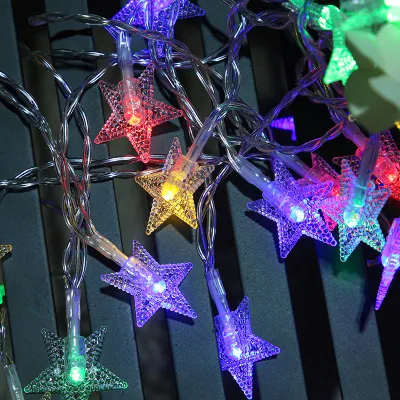
Prices are valid at publication and may change. Please refer to the product page for the latest price.
Review your condo association’s house rules regarding holiday decorations. Many high-rise and mid-rise developments enforce strict guidelines concerning window displays, balcony visibility, and exterior-facing lights to maintain a uniform building facade. Ensuring your indoor setup does not violate these rules prevents potential fines or requests for removal.
Take precise measurements of your walls, ceilings, and furniture pieces before buying. A strand of lights that is too short will look incomplete, while an excessively long strand can create cluttered, heavy bundles that disrupt the clean lines of a condo. Knowing your exact dimensions helps you select the correct strand length and bulb density for a balanced look.
Selecting Light Styles and Color Temperatures for Ambiance
The color temperature of your lights dictates the overall mood of your living space. For a relaxing, intimate bedroom or living room vibe, warm white lights (typically ranging from 2200K to 2700K) are highly effective because they mimic the soft glow of candlelight. Multicolor options, while festive and vibrant, tend to stimulate the eyes and are often better suited for active, high-energy gathering spaces rather than quiet relaxation zones.

Bulb shapes and wire materials significantly influence how the light interacts with your decor. Micro LEDs on thin copper or silver wire are incredibly discreet, making them perfect for delicate draping where you want the wire to disappear, leaving only tiny points of light. Globe bulbs and Edison-style filaments offer a more pronounced, vintage aesthetic that serves as a design statement even when the lights are turned off.
Consider the physical weight of the light strands in relation to where you plan to hang them. Heavy glass globe bulbs require sturdy mounting points and may not be suitable for temporary adhesive hooks on painted drywall. Lightweight plastic LEDs or micro fairy lights, on the other hand, put minimal stress on temporary fasteners, reducing the risk of wall damage.
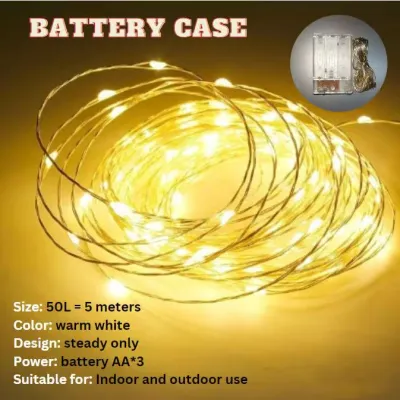
Choosing between battery-operated and plug-in models depends on your placement goals and outlet accessibility. Battery-powered fairy lights offer unmatched flexibility, allowing you to decorate centerpieces, floating shelves, or remote corners without worrying about trailing cords. However, for primary ambient lighting that runs for several hours daily, plug-in models or USB-powered options provide consistent brightness without the ongoing cost and waste of replacing batteries.
Room-by-Room Placement Strategies
In the bedroom, the goal is to create a soft, glare-free environment that promotes rest. Draping micro fairy lights over a headboard or weaving them through sheer curtain rods softens the natural light during the day and provides a gentle glow at night. Another elegant option is placing a coiled strand of warm LEDs inside a tinted glass jar or lantern on your bedside table, creating a localized accent light that replaces harsh overhead fixtures.
The living room offers more diverse opportunities for creative integration. Wrapping indoor potted plants, such as a parlor palm or snake plant, with lightweight copper wire lights adds depth and highlights natural textures. You can also line the undersides of open shelving units or run a strand along the top of a media console to create a subtle, indirect backdrop accent that enhances your television viewing experience.
Before beginning any installation, especially when working near curtain rods or reaching to wrap high shelves, isolate the power by keeping the lights unplugged until the setup is fully secured. Protecting your condo’s walls and paint is crucial, especially if you are renting or want to avoid tedious drywall repairs after the holidays. Always use removable, damage-free adhesive hooks or clips designed specifically for lightweight cables. When applying these hooks, clean the wall surface with rubbing alcohol first, let it dry completely, and press the adhesive firmly to ensure a secure hold that won’t peel away your paint when removed.
Essential Safety and Installation Checks
Safety must remain your top priority when introducing temporary electrical installations to your living space. Always verify that your selected lights are explicitly rated for indoor use by thoroughly checking the manufacturer’s label and packaging. Indoor-rated lights are designed to operate at lower temperatures and lack the heavy, weather-resistant insulation that can make outdoor lights a stiff, bulky fire hazard inside a confined room.
Before hanging any lights, inspect the entire length of the cord for signs of wear, such as fraying, exposed copper, or cracked plastic housing. Ensure that your plugs are inserted securely into wall outlets or certified surge protectors, and avoid overloading a single outlet with multiple high-wattage adapters. When purchasing, verify the voltage compatibility with your condo’s outlets, check the wattage limits, and look for official electrical safety certifications, such as national standards marks, to ensure the product has undergone rigorous testing.
Establish a strict routine to turn off all holiday lighting whenever you leave your condo or go to sleep. To make this process effortless, integrate a smart plug or a mechanical timer into your setup. This allows you to program specific operating hours, ensuring your cozy ambiance is active only when you are awake to enjoy it, while conserving energy and minimizing any electrical risks.
Frequently Asked Questions (FAQ)
Can I use outdoor Christmas lights inside my condo?
It is highly recommended to avoid using outdoor-rated Christmas lights inside your condo. Outdoor lights are manufactured with thicker, heavy-duty insulation designed to withstand harsh weather elements, which can trap heat when used in confined indoor spaces. Always check the product label to ensure the lights are certified for indoor use to minimize fire hazards and ensure compatibility with standard indoor electrical outlets.
How do I hide the battery pack for fairy lights?
Concealing bulky battery packs is essential for maintaining a clean, seamless aesthetic in your condo. You can easily tuck them behind headboards, place them inside decorative woven baskets, or hide them behind framed photos on a shelf. For vertical surfaces, use removable mounting tape or hook-and-loop strips to secure the battery pack to the back of furniture pieces, keeping it accessible for battery changes while remaining completely out of sight.

Community discussion
Share your experience or ask a question. Comments are reviewed before publication.