
Selecting the right lampshade material is the most critical decision when setting up a living room reading corner, as it directly determines how light is diffused, directed, and softened. For the ultimate balance of high visibility and low eye strain, fabric (such as linen) and frosted glass are the premier choices because they scatter light evenly to eliminate harsh glare. While opaque materials like metal offer excellent directional focus, they require careful placement and supplementary ambient light to prevent high-contrast eye fatigue.
By analyzing how different textures, densities, and shapes interact with light, you can design a reading nook that is both highly functional and visually inviting. Understanding these material dynamics allows you to make an informed choice that suits your reading habits and your home’s environment.
What Makes a Lampshade Ideal for Reading?
To choose the best lampshade for a reading corner, you must first understand the fundamental requirements of task lighting. Reading is a visually demanding activity that requires a dedicated light source to supplement the general, ambient lighting of your living room. The primary goal of a reading lampshade is to deliver sufficient brightness to the reading surface while preventing direct exposure to the bare bulb, which is the leading cause of glare and visual fatigue.
Products mentioned in this guide
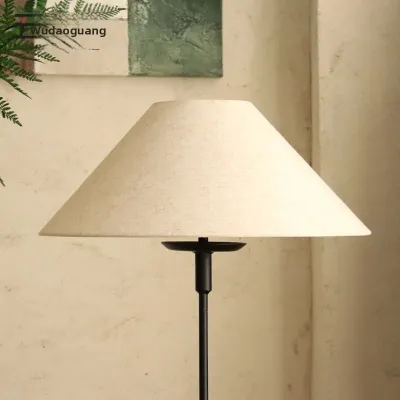
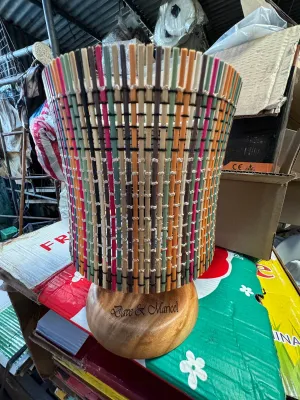
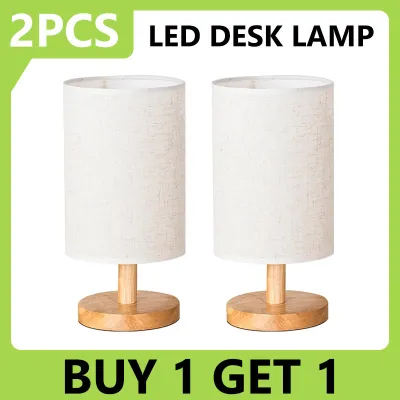
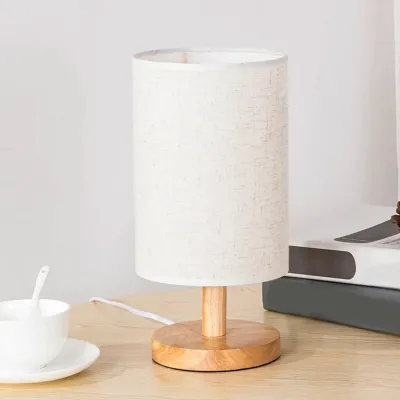
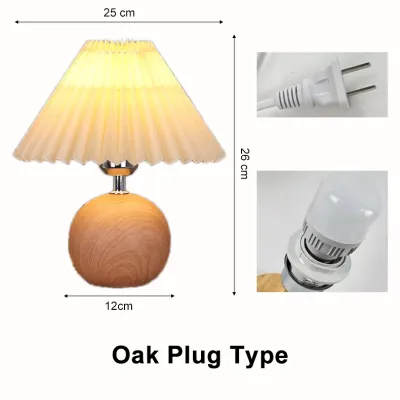
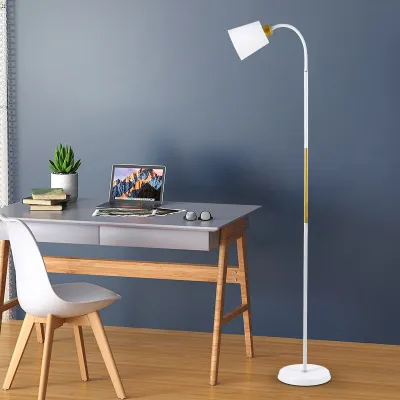
Prices are valid at publication and may change. Please refer to the product page for the latest price.
Glare occurs when there is a harsh, uncontrolled contrast between a bright light source and the surrounding environment, or when light reflects directly off a page or digital screen into your eyes. A high-quality lampshade acts as a barrier and a modifier. It diffuses the light, which means it scatters the light rays in multiple directions, softening the illumination and eliminating the intense “hot spots” that can make reading uncomfortable.
Furthermore, the physical design of the lampshade helps direct the light where it is needed most. For reading, you generally want a mixture of downward task lighting to illuminate your book, and soft lateral diffusion to keep the immediate surrounding area from falling into deep shadow. The height of your floor lamp, the angle of the shade, and the opacity of the material all work together to create this balance. If the shade is too opaque, it creates a harsh spotlight effect; if it is too translucent, it may fail to shield your eyes from the intense glow of the bulb.
How Different Lampshade Materials Affect Reading Light
The material of your lampshade is the single most important factor determining how light behaves as it leaves the bulb. Different materials absorb, reflect, and transmit light in distinct ways, directly impacting your reading comfort.

Fabric and Linen Shades
Woven fabric shades, particularly those made from natural linen or cotton, are highly regarded for reading corners due to their exceptional light-diffusing properties. The microscopic spaces between the woven threads allow a portion of the light to pass through softly, creating a warm, ambient glow that gently illuminates the surrounding living room. At the same time, the fabric scatters the remaining light, eliminating harsh shadows and preventing glare on your book or e-reader screen.
The density of the weave plays a significant role in performance. Tighter weaves, such as heavy canvas or dense linen blends, block more lateral light, directing a greater portion of the illumination downward through the bottom opening of the shade. This creates a more focused beam of task light on your lap. Conversely, looser weaves allow more light to escape horizontally, which increases the overall brightness of the corner but may occasionally reveal the silhouette of the bulb if the fabric is too thin.
When choosing a fabric shade, always inspect the inner lining. The color and material of this lining heavily influence the quality of the light. A white or silver inner lining is highly reflective, ensuring that maximum brightness is directed downward onto your reading material. A dark or colored lining, on the other hand, will absorb light and significantly reduce the overall efficiency of your task lighting, requiring a more powerful bulb to achieve the same reading comfort.
Paper and Parchment Shades
Paper and parchment shades offer a unique aesthetic and highly uniform light diffusion. Because paper is a dense but semi-translucent material, it acts as an excellent diffuser, distributing a soft, even, and omnidirectional glow across your reading corner. This completely eliminates the sharp, directional shadows that can cause eye strain over time.
However, paper shades require careful safety considerations. Paper is inherently flammable, making it critical to verify the manufacturer’s maximum wattage rating, which is typically printed on a label near the lamp’s socket. Exceeding this limit can lead to heat damage, scorching, or even a fire hazard. This is especially true when using traditional incandescent bulbs, which generate substantial heat; opting for low-wattage, high-lumen LED bulbs is a much safer alternative.
Additionally, environmental factors must be considered, particularly in tropical climates like the Philippines. High humidity levels can cause paper and parchment shades to absorb moisture from the air over time. This moisture absorption can lead to warping, sagging, or the development of unsightly water spots and mold. To prolong the lifespan of a paper shade in humid regions, place the lamp away from open windows, damp walls, or areas with direct exposure to outdoor air currents during the rainy season.
Frosted and Textured Glass
Glass shades provide a highly durable and structurally stable option for living room task lighting. When selecting glass for a reading corner, it is vital to distinguish between different finishes. Frosted, acid-etched, or heavily textured glass is excellent for reading because the treated surface scatters the light, softening the output and shielding your eyes from the intense glare of the bulb filament. Clear glass, by contrast, offers no diffusion and is generally unsuitable for a dedicated reading corner unless paired with a specialized, heavily diffused bulb, as the exposed filament will cause severe glare.
One of the primary advantages of glass is its resilience. Unlike fabric or paper, glass is completely unaffected by high humidity, making it an incredibly practical choice for homes in the Philippines. It does not warp, stain, or degrade when exposed to moisture. Cleaning is also straightforward, requiring only a gentle wipe with a dry microfiber cloth to remove dust and maintain optimal light transmission.
The main trade-off with glass is its fragility. Glass shades must be handled with extreme care, particularly during installation, cleaning, or bulb replacements. Ensure that the floor lamp base is exceptionally stable to prevent the lamp from tipping over, which could shatter the shade and create a safety hazard in your living room.
Metal and Opaque Materials
Metal, solid wood, and thick, opaque plastic shades block light entirely along their sides, allowing illumination to escape only through the open top and bottom. This design creates a highly concentrated, directional spotlight effect, making it exceptionally efficient at directing light precisely onto your book or magazine.
To maximize the efficiency of an opaque shade, it is essential to choose one with a highly reflective inner lining. A matte white inner surface reflects the maximum amount of light downward, preventing the metal or wood from absorbing the illumination. Without a reflective lining, an opaque shade will require a much higher-wattage bulb to produce sufficient reading light, which can cause the shade itself to become hot to the touch.
The primary limitation of opaque shades is the high contrast they create. Because no light escapes through the sides of the shade, the area directly beneath the lamp will be highly illuminated, while the rest of your reading corner remains in deep shadow. This sharp boundary forces your eyes to adjust constantly as you look up from your book and back down, leading to rapid eye fatigue during extended reading sessions. To prevent this, always pair a directional metal lamp with soft, low-level ambient lighting in the rest of the living room to bridge the contrast gap.
Key Factors Beyond Material for Optimal Reading Light
While the material of the lampshade is foundational, several secondary specifications and design elements interact with the material to shape your overall reading experience.
- Inner Lining Color: As noted previously, the interior surface of the shade acts as a reflector. A bright white lining is the standard for task lighting because it reflects light cleanly without altering its color temperature, preserving the natural contrast of printed text. Gold, brass, or copper linings are popular for creating a warm, cozy, and luxurious ambiance in a living room. However, these metallic warm tones absorb a significant portion of the blue and green light spectrum, reducing the perceived brightness of the lamp. If you opt for a warm-toned lining, you may need a bulb with higher lumen output to compensate for the lost brightness.
- Shade Shape and Size: The geometry of the shade dictates the spread of the light. Drum and empire shapes feature wide bottom openings, which cast a broad, generous cone of light that easily covers your lap, your book, and a side table. This wide distribution is highly forgiving and allows you to shift positions in your chair without losing light. Narrow, highly tapered shapes or deep cylinder shades restrict the light beam, producing a narrow spotlight that requires precise positioning of the lamp to keep your reading material illuminated.
- Bulb Compatibility and Electrical Specs: To ensure both safety and optimal light quality, you must match your bulb selection to the physical limitations of your floor lamp. In the Philippines, the standard household voltage is 220V, and the most common socket interface for floor lamps is the E27 screw base. Always check the manufacturer's maximum wattage limit, which is typically printed on a safety label near the socket (for example, "Max 40W"). Exceeding this limit can damage the socket, melt synthetic fabrics, or pose a fire hazard. Opt for LED bulbs, which deliver high brightness (lumens) at a fraction of the wattage and heat output of traditional bulbs. For comfortable reading, aim for a bulb that delivers between 450 and 800 lumens.
- Dimmer Switches and Smart Bulbs: Natural light in a living room changes constantly throughout the day, especially in tropical regions where bright afternoon sun transitions quickly into dark evening hours. A floor lamp equipped with a built-in dimmer switch, or one paired with a compatible smart LED bulb, offers invaluable flexibility. You can set the lamp to a lower, gentler setting during the day to soften shadows, and increase the brightness at night to maintain high contrast on your pages without straining your eyes.
Setting Up Your Floor Lamp for the Living Room Reading Corner
Proper installation and positioning are just as critical as selecting the right lampshade material. Even the best diffused light can cause discomfort if the lamp is placed incorrectly.
- Positioning for Comfort: To prevent direct glare, position your floor lamp slightly behind and to the side of your reading chair. The lamp should be placed on the side opposite your dominant hand to prevent your hand or body from casting shadows across the page as you read or turn pages. Ideally, the bottom rim of the lampshade should align with your eye level when you are seated comfortably in your reading position. This height shields your eyes from direct exposure to the bare bulb while allowing the full cone of light to fall directly onto your book or tablet.
- Cord Management and Stability: Living rooms are active, high-traffic spaces. Unsecured electrical cords present a significant tripping hazard and can lead to the lamp being pulled over, risking damage to the shade and bulb. Route the power cord neatly along the baseboards or beneath heavy furniture. Ensure that the floor lamp has a heavy, wide base that provides excellent stability, particularly if the lamp is placed on a plush rug or in a home with active pets and children.
- Electrical Safety and Inspections: Before plugging in your lamp, thoroughly inspect the power cord, plug, and switch for any signs of wear, fraying, or exposed wires. In the Philippines, look for certified electrical components bearing the Philippine Standard (PS) mark or the Import Commodity Clearance (ICC) sticker to ensure compliance with local safety standards. If you are planning a more complex installation—such as converting a plug-in floor lamp into a hardwired wall sconce, installing a dedicated in-wall dimmer switch, or modifying the internal wiring of an antique lamp—always isolate the power at the main circuit breaker first and consult a qualified professional electrician to handle the work safely.
Frequently Asked Questions (FAQ)
Can I use a clear glass shade for reading if I choose the right bulb?
While pairing a clear glass shade with a specialized frosted or diffused LED bulb can reduce some of the intense glare, clear glass still poses a high risk of direct eye exposure. As you shift positions in your reading chair, you are highly likely to catch a direct glimpse of the bright bulb filament from certain angles, which can cause temporary visual discomfort and eye strain. For prolonged reading sessions, a frosted glass, fabric, or paper shade is a much safer, more comfortable choice because it provides continuous, reliable diffusion regardless of your viewing angle.
How do I clean a fabric lampshade without damaging it?
To clean a fabric lampshade safely, start by gently removing surface dust using a soft-bristled brush, a clean microfiber cloth, or a lint roller. Always check the manufacturer’s care label before applying any liquids or cleaning agents. Water and liquid cleaners can leave permanent watermarks on delicate fabrics like silk or linen, and moisture can compromise the adhesive binding the fabric to the inner plastic liner or cause the metal wire frame to rust. If a deeper clean is required for stubborn stains, consult a professional cleaner or contact the manufacturer for specific care instructions.
What is the best light color for a reading lamp?
The best light color depends on your personal comfort and when you typically read. When shopping for bulbs, check the packaging for the color temperature rating, measured in Kelvins (K). Warm white bulbs (typically 2700K to 3000K) emit a soft, gentle, yellowish light that is highly relaxing and ideal for evening reading, as it does not interfere with your body’s natural sleep prep. Cool white or daylight bulbs (typically 4000K to 5000K) provide a crisp, bluish-white light that offers excellent contrast for detailed reading or daytime tasks. However, cool white light can feel harsh and clinical in a cozy living room setting at night, so a warm white bulb is generally preferred for a relaxing reading corner.

Community discussion
Share your experience or ask a question. Comments are reviewed before publication.