
Establishing a dedicated reading corner at home offers a quiet sanctuary for relaxation and intellectual focus. However, the quality of your reading experience depends heavily on your lighting choice, as standard ambient room lights often fail to provide the targeted illumination required for comfortable, long-term reading. Selecting the ideal floor led light involves understanding how task lighting interacts with your eyes, your seating arrangement, and your room’s existing environment.
Unlike general ambient fixtures that scatter light across a wide area, a dedicated reading lamp focuses its beam directly onto your page or screen. This targeted approach minimizes shadows and enhances text contrast, preventing the early onset of eye fatigue. By evaluating key physical and optical specifications, you can transform a dim corner into an ergonomically sound reading nook tailored to your personal visual preferences.
Key Specifications for a Reading Floor LED Light
When evaluating a floor led light for your reading space, brightness is the first technical metric to consider. Task lighting requirements differ substantially from ambient lighting; instead of filling a room with a soft glow, a reading lamp must deliver concentrated light to a specific surface. Look for a fixture that provides adjustable brightness levels, typically ranging from 450 to 800 lumens. This range ensures you have sufficient light to read fine print clearly without creating a harsh, reflective glare off white pages or digital screens. Dimmable options are particularly valuable because they allow you to adjust the light output as natural daylight fades, maintaining a consistent level of eye comfort from afternoon to late night.
Products mentioned in this guide
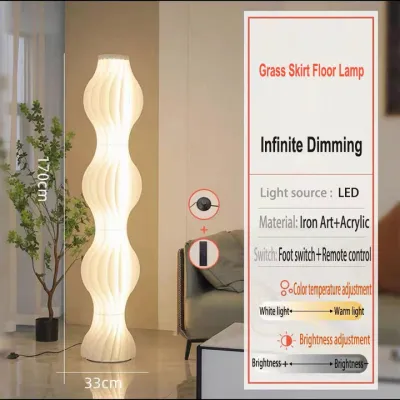
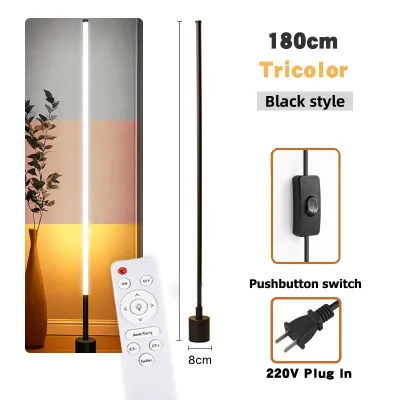
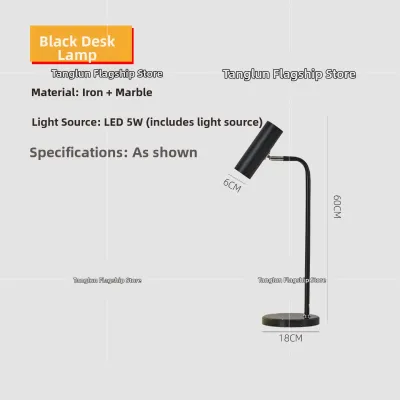
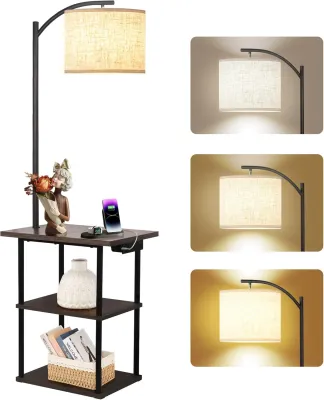
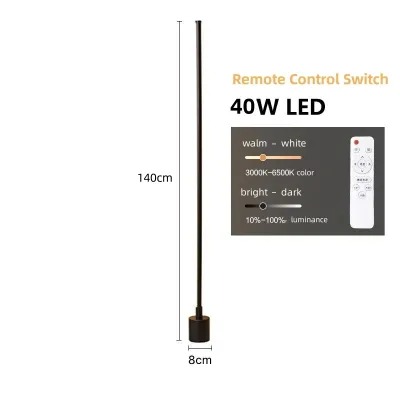
![[Free Bulb] Floor Lamp Living Room Bedroom Bedside Lamp Modern Creative Fabric Decorati Study Floor Light](https://img.lazcdn.com/g/p/6fbd0a8d0da73272a99a4af63204e2bb.jpg_400x400q80.jpg_.webp)
Prices are valid at publication and may change. Please refer to the product page for the latest price.
Color temperature, measured in Kelvin (K), directly influences both visual clarity and your body’s natural circadian rhythms. Cool or neutral white light, ranging from 4000K to 5000K, excels at enhancing contrast and rendering crisp details, making it highly effective for daytime study sessions, technical reading, or proofreading. Conversely, warm white light between 2700K and 3000K offers a relaxing, cozy atmosphere that mimics traditional incandescent bulbs. This warmer spectrum is far gentler on the eyes during evening hours, helping you wind down before sleep. Choosing a lamp with adjustable color temperature controls allows you to transition seamlessly between high-focus daytime reading and relaxing nighttime sessions.
Color rendering index (CRI) is another critical factor that determines how accurately a light source reveals the true colors of objects. For reading, especially when handling illustrated books, art portfolios, or magazines, look for an LED floor lamp with a CRI of 90 or higher. Low-CRI light sources can make text look muddy and colors appear washed out, forcing your eyes to strain to distinguish subtle details. A high CRI ensures sharp contrast between black ink and white paper, allowing for a much more comfortable and natural reading experience over extended periods.
Finally, pay close attention to the driver design and physical construction of the LED light source. Low-quality LED drivers often produce high-frequency flickering that, while invisible to the naked eye, can cause rapid eye strain, headaches, and physical fatigue during long reading sessions. Opt for lamps equipped with certified flicker-free drivers and integrated physical diffusers. Frosted lenses or deeply recessed LED chips help scatter the light beam evenly, eliminating harsh hot spots and reducing the sharp, direct glare that bounces off glossy book pages or tablet screens.
Top LED Floor Lamp Designs for Your Reading Nook
The physical structure of your lamp determines how effectively you can position the light source relative to your reading material. Different seating arrangements and room layouts require specific lamp designs to maximize comfort and utility.

Adjustable Arm and Gooseneck Lamps
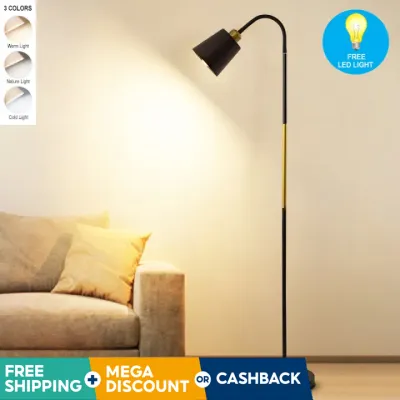
Adjustable arm and gooseneck lamps are specifically engineered for highly targeted task lighting, making them a favorite choice for dedicated reading chairs, deep recliners, or cozy corner sofas. These lamps feature either a flexible, silicone-coated gooseneck or an articulated metal arm with tension springs, allowing you to position the light head exactly where you need it.
For the most comfortable reading setup, place the lamp slightly behind and to the side of your shoulder. This positioning projects the light directly onto your book from behind, preventing your head or hands from casting shadows on the pages while keeping the light source completely out of your direct line of sight.
The primary advantage of this design is its exceptional directional flexibility and compact physical footprint, allowing it to slip easily into tight spaces between furniture. However, lower-quality goosenecks can begin to droop over time under the weight of the lamp head, and articulated joint mechanisms may require periodic tightening. To ensure long-term durability, look for models constructed with heavy-duty steel joints or premium, high-tensile silicone sleeves.
Torchiere Lamps with Integrated Reading Lights
Torchiere lamps with integrated reading lights offer a highly versatile, dual-purpose solution for multi-use spaces or smaller rooms where floor space is limited. This design features an upward-facing bowl at the top of the pole that bounces light off the ceiling to provide general ambient illumination, combined with a smaller, adjustable secondary arm positioned lower down the pole for focused task reading.
This configuration is exceptionally space-saving, allowing a single electrical outlet and floor fixture to serve as both the primary room light and a dedicated reading light. Most high-quality models feature independent switches for each light source, allowing you to use the ambient uplight, the focused reading light, or both simultaneously depending on the time of day.
Despite their versatility, these lamps do have some physical limitations. The secondary reading arm is typically shorter and has a more restricted range of motion than a dedicated gooseneck lamp. Consequently, you must position the main pole of the lamp very close to your seating area, which may not be practical if you have wide, plush armchairs or deep-set sectional sofas.
Full-Spectrum and Dedicated Task Floor Lamps
Full-spectrum and dedicated task floor lamps are engineered specifically for individuals who engage in prolonged, uninterrupted reading, detailed crafting, or academic study. These fixtures utilize specialized LED arrays designed to mimic the balanced spectral distribution of natural daylight, minimizing the intense blue-light spikes common in standard budget LEDs.
These lamps are highly beneficial for serious readers, students, and individuals experiencing age-related visual changes, such as presbyopia, which require higher contrast and brighter light to read comfortably. They typically feature superior optical lenses that distribute light with absolute uniformity, eliminating hot spots and reducing glare across the entire reading surface.
While they offer unmatched optical performance and ergonomic adjustability, full-spectrum lamps often prioritize clinical functionality over decorative style. Their utilitarian, minimalist appearance may not blend seamlessly with warm, traditional, or rustic home decor. Additionally, they tend to feature larger, wider bases and broader lamp heads, requiring a more generous physical footprint in your reading corner.
Practical Setup, Power, and Safety Checks Before You Buy
Before finalizing your purchase, it is essential to conduct several practical spatial, electrical, and safety verifications to ensure your new floor lamp integrates safely and effectively into your home environment.
First, evaluate the physical footprint and base weight of the lamp. A stable, heavy base is crucial for preventing tipping hazards, particularly if the lamp will be placed on plush carpets, near high-traffic walkways, or in homes with active children and pets. As a general safety check, a well-engineered floor lamp should resist tipping even when tilted at a 15-degree angle. If you choose an adjustable arm lamp that extends far to the side, ensure the base is heavy enough to act as an effective counterweight when the arm is fully extended.
Next, plan your power access carefully by measuring the distance from your preferred reading chair to the nearest wall outlet. Standard floor lamp power cords typically range from 1.5 to 2 meters in length. Avoid stretching cords tightly across open walkways, as this creates a serious tripping hazard and can damage the cord or pull the lamp over. If your layout requires an extension cord, select a heavy-duty, safety-certified cord that matches the power requirements of your lamp, and secure it neatly along the baseboards using cable clips.
Electrical compatibility is another vital consideration, especially when purchasing imported fixtures online. In the Philippines, the standard household electrical supply operates at 220V and 60Hz. Always verify the manufacturer’s input voltage specifications on the product label before plugging the lamp into an outlet. Look for a rating that specifies “Input: 100-240V” or “220V-240V” to ensure safe operation. Using a lamp designed exclusively for 110V systems without a proper step-down transformer will permanently damage the LED driver and pose a severe electrical fire hazard. Additionally, ensure the plug type matches your wall outlets (typically Type A or Type B) or use a high-quality, safety-certified adapter.
Finally, consider heat dissipation and material safety. While LED technology is highly efficient and runs much cooler than traditional halogen or incandescent bulbs, the internal LED driver and the light-emitting diodes still generate localized heat. Quality lamps feature aluminum housings or integrated metal heat sinks that draw warmth away from the LEDs, ensuring safe, prolonged operation and extending the lifespan of the fixture. When assembling or maintaining your lamp, always isolate the power by unplugging the unit first. For cleaning, particularly in humid tropical climates, use a dry microfiber cloth to wipe down the fixture, and avoid allowing moisture to contact any electrical connections or control panels.
Frequently Asked Questions (FAQ)
How many lumens do I need for a reading floor lamp?
For comfortable reading, a dedicated task lamp should deliver between 450 and 800 lumens directly onto your reading surface. If you are reading very fine print, studying detailed diagrams, or if you are an older reader, you may benefit from a higher output of up to 1000 lumens.
Because your lighting needs change depending on the time of day and the ambient light in the room, choosing a dimmable floor led light is highly recommended. This allows you to lower the brightness in a dark room to prevent harsh, high-contrast glare, or boost the output during overcast afternoons to maintain optimal visibility.
Is warm or cool light better for reading at night?
For nighttime reading, warm white light (2700K to 3000K) is highly recommended. Warm light contains lower levels of blue wavelengths, which helps protect your natural sleep cycle by allowing your body to produce melatonin normally as you prepare for bed.
Cool light (4000K to 5000K) is excellent for daytime study because it enhances contrast and promotes alertness, but using it late at night can disrupt your sleep patterns. To get the best of both worlds, opt for a floor lamp with adjustable color temperature controls so you can switch from cool focus light during the day to warm, relaxing light in the evening.
Can I use a smart LED floor lamp for reading?
Yes, smart LED floor lamps offer excellent convenience for reading corners. They allow you to adjust brightness levels, tune color temperatures, and set automated lighting schedules directly from your smartphone or through voice commands.
However, it is crucial to ensure the smart lamp uses a high-quality internal driver. Some budget-friendly smart bulbs and fixtures utilize low-frequency pulse-width modulation (PWM) to control dimming, which can introduce rapid, invisible flickering. To prevent eye strain and headaches during long reading sessions, verify that the smart lamp is certified as flicker-free before purchasing.

Community discussion
Share your experience or ask a question. Comments are reviewed before publication.