
To transform a bedroom into a relaxing sanctuary, choosing the right meteor shower lights involves selecting a soft color temperature, manageable brightness levels, and appropriate tube dimensions that complement your space. In the Philippines, where warm tropical evenings call for a soothing indoor retreat, these cascading lights offer a unique motion effect that mimics falling stars. Achieving a cozy ambiance requires moving away from the harsh, high-intensity outdoor variants and focusing on gentle, warm-toned indoor configurations that promote restfulness. By understanding how to evaluate technical specifications, power sources, and mounting safety, you can easily select a lighting setup that enhances your bedroom’s comfort without introducing unwanted glare or electrical hazards.
Evaluating Light Color, Brightness, and Tube Length for Bedrooms
The visual impact of meteor shower lights depends heavily on their color temperature. For a bedroom, the primary goal is to foster relaxation and prepare the body for sleep. Warm white lights, typically ranging from 2700K to 3000K, emit a soft, golden glow that mimics the natural hues of sunset. This warm spectrum is highly recommended for intimate spaces because it does not interfere with sleep cycles. In contrast, cool white lights (5000K and above) produce a crisp, blue-toned illumination that can feel clinical or overly stimulating, making them less suitable for a cozy bedroom environment. While multi-color RGB options offer a playful variety, they often feature rapid color-changing modes that can be too distracting for a sleeping area; if you choose RGB, look for models that allow you to lock in a single, calming hue like deep amber or soft blue.
Brightness control is another critical factor when installing cascading lights indoors. Because meteor shower lights feature sequential LEDs that light up in a downward motion, the constant movement naturally draws the eye. If the LEDs are too bright, this motion can quickly become a source of visual fatigue and glare. To prevent this, prioritize light sets that feature adjustable brightness levels or are specifically labeled for indoor ambient use. If a particular set does not include a built-in dimmer, you must verify if the power adapter is compatible with external inline dimmers. Many low-voltage LED drivers cannot be dimmed safely without causing flickering or buzzing, so checking the manufacturer’s specifications regarding dimming compatibility is essential before making a purchase.
Products mentioned in this guide
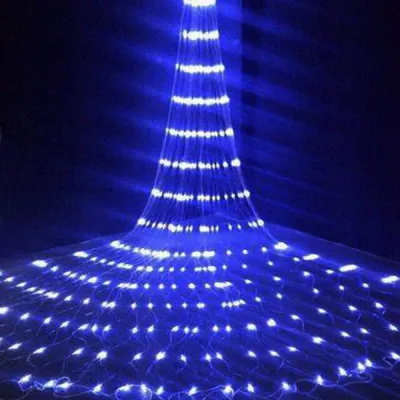
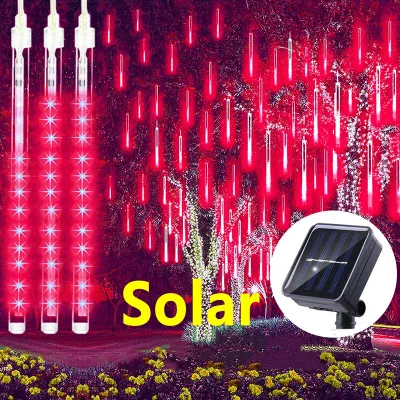
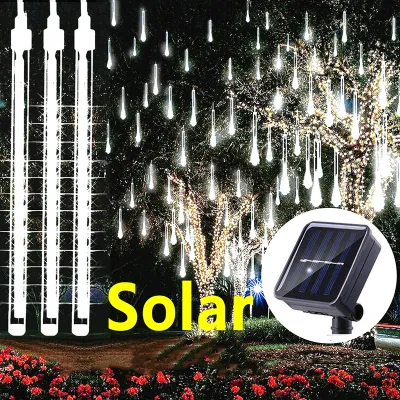
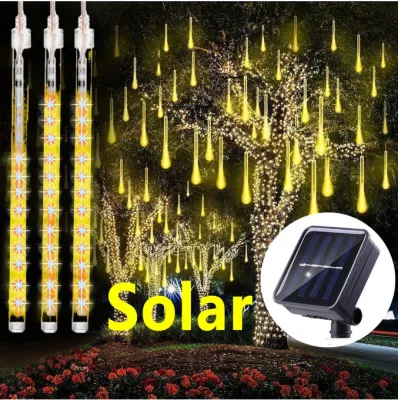
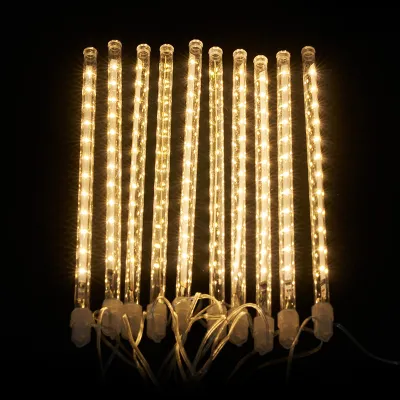
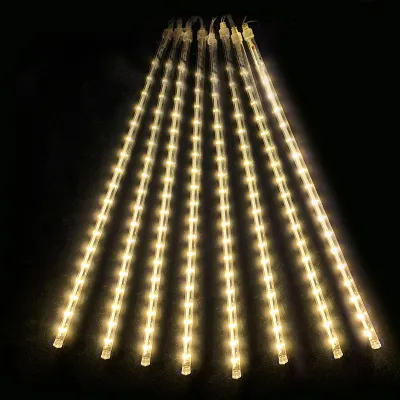
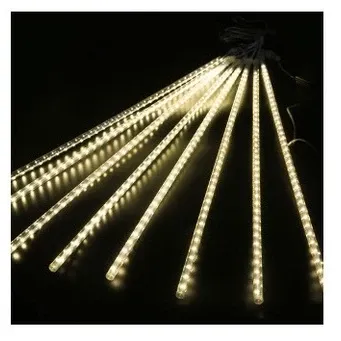
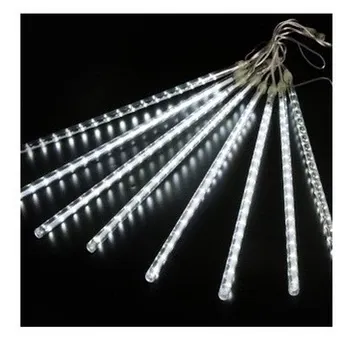
Prices are valid at publication and may change. Please refer to the product page for the latest price.
The physical dimensions of the light tubes must also match the scale of your bedroom. Meteor shower lights are commonly available in tube lengths of 30 centimeters and 50 centimeters. For standard bedroom walls, headboards, or window frames, 30-centimeter tubes generally offer a more balanced and proportional look. The longer 50-centimeter tubes are better suited for spacious rooms with high ceilings or large floor-to-ceiling glass doors. Additionally, consider the LED density, which refers to the number of individual light-emitting diodes packed inside each tube. A higher LED density results in a smoother, more continuous cascading effect, whereas a lower density can make the falling light look pixelated and choppy. Measure your target installation area carefully to ensure the total strand length, including the spacing between tubes and the length of the lead wire, fits comfortably within your space.
Choosing the Right Power Source and Ensuring Installation Safety
Selecting the appropriate power source for your bedroom lights involves balancing convenience, cable management, and electrical safety. USB-powered meteor shower lights are highly popular for indoor use because they operate on a low-voltage 5V system. This low voltage minimizes heat generation, making them exceptionally safe to drape near fabrics, wood, or drywall. They can be powered using standard phone chargers, power banks, or smart wall adapters, offering great flexibility in placement. Battery-operated models provide complete freedom from wall outlets, making them ideal for temporary setups or central bed canopies where running a cord to the wall is impractical. However, they require regular battery replacements, which can become costly and less eco-friendly over time unless you use rechargeable cells. Direct plug-in models connect straight to your wall outlets and deliver consistent, bright performance over longer strands, but they require careful routing to keep cords tidy and out of walking paths.

When purchasing plug-in models in the Philippines, verifying electrical compatibility is a crucial safety step. The standard household electrical system in the Philippines operates at 220V and 60Hz. Always inspect the power adapter or transformer included with the lights to confirm it is rated for this input. Using a 110V-only adapter without a proper step-down transformer will cause the unit to overheat, fail, or potentially spark a fire. Look for recognized safety certifications on the product packaging, such as the Philippine Standard (PS) mark or the Import Commodity Clearance (ICC) sticker. For products sourced internationally, look for reputable safety marks like CE, RoHS, or UL, which indicate the device has undergone rigorous testing for electrical safety and material hazards.
Safe mounting practices are essential to protect both your bedroom surfaces and your electrical system. Avoid using metal staples, nails, or tacks to secure the light strands, as these can easily pierce the protective plastic insulation of the wires, leading to short circuits or shock hazards. Instead, use damage-free adhesive hooks, plastic cable clips, or tension rods to support the weight of the tubes. Ensure that the wires are not pinched behind heavy furniture, such as wardrobes or bed frames, which can damage the internal copper conductors over time. Additionally, position the power adapter or transformer in a well-ventilated area. Avoid burying the adapter under pillows, blankets, or heavy drapes, as these materials can trap heat and cause the adapter to degrade prematurely or pose a fire risk.
Building a Reliable Shortlist on Online Shopping Platforms
When searching for the perfect meteor shower lights on online shopping platforms, it is easy to get overwhelmed by the sheer volume of listings. To find a high-quality product, start by defining your must-have specifications based on your bedroom’s layout and design. Write down your preferred tube length, power interface, total strand length, and color temperature. Having these criteria clear in your mind allows you to filter out irrelevant listings and avoid purchasing outdoor-grade holiday lights that are far too bright or bulky for an intimate indoor setting.
Evaluating seller credibility is the next step in building a reliable shortlist. Look for digital storefronts that are designated as official brand stores or have earned high ratings from local buyers. Check the seller’s overall rating, response rate, and the clarity of their product descriptions. A reputable seller will provide detailed technical specifications, including voltage ratings, tube quantities, and wire lengths. Furthermore, review the seller’s return policies and warranty terms. Since delicate electronics can occasionally sustain damage during transit, choosing a seller who offers a hassle-free return or replacement window provides valuable peace of mind.
User reviews are an invaluable resource for verifying the actual performance of the lights. Do not rely solely on the polished promotional images provided by the manufacturer, as these often use long-exposure photography to make the lights appear denser or warmer than they are in reality. Instead, scroll down to the customer review section and look for real photos and videos uploaded by buyers in the Philippines. Pay close attention to comments regarding the durability of the plastic tubes, the smoothness of the cascading effect, and whether the “warm white” option actually delivers a cozy, golden glow or has an unwanted greenish or harsh yellow tint. Reviews that mention flickering issues or premature bulb failure can help you identify low-quality products to avoid.
Placement and Styling Techniques for Maximum Ambiance
The way you position and style your meteor shower lights can dramatically alter the overall feel of your bedroom. One of the most popular techniques is draping the main strand along the top of a headboard, allowing the individual tubes to hang down behind your pillows. This creates a soft, cascading backdrop that frames your bed beautifully without shining directly into your eyes when you lie down. If you have a canopy bed, you can weave the light strands through sheer fabric drapes. The fabric acts as a natural diffuser, softening the movement of the cascading LEDs and creating a dreamy, cloud-like effect that is incredibly soothing.
Window frames and curtain rods also serve as excellent mounting locations. Hanging the meteor shower lights behind sheer curtains allows the light to filter through the fabric, reducing glare and creating a gentle, glowing backdrop that mimics a soft rain shower outside. To achieve a balanced and cozy environment, avoid relying on the meteor shower lights as your sole source of illumination. Instead, combine them with other low-intensity, static light sources to create a layered lighting scheme. For example, pairing the cascading lights with warm bedside lamps, under-bed LED strip lights, or delicate static fairy lights helps fill in dark corners and softens the high-contrast shadows created by the moving LEDs.
Integrating smart home technology can elevate your bedroom lighting experience. By connecting your meteor shower lights to a smart plug or a simple mechanical timer, you can automate your lighting routines to match your sleep schedule. Program the lights to turn on automatically during your evening wind-down hour, signaling to your body that it is time to relax. You can also set a timer to shut the lights off after you fall asleep, ensuring your rest is not disrupted by moving lights during the deeper stages of sleep. This automation not only enhances convenience but also helps conserve energy and extends the overall lifespan of your lighting fixture.
Routine Maintenance and Safe Troubleshooting
To keep your meteor shower lights functioning beautifully and safely, regular maintenance is essential. Over time, dust can accumulate on the exterior of the plastic tubes, which can dim the light output and alter the perceived color temperature. Before performing any cleaning, always unplug the lights from the power source to eliminate any risk of electrical shock. Use a dry, soft microfiber cloth to gently wipe down each tube and the connecting wires. Avoid using wet cloths, liquid sprays, or harsh chemical cleaners, as moisture can bypass the seals of the tubes and damage the internal LED circuitry.
If you encounter issues with your lights, a systematic troubleshooting approach can help you identify the cause safely. If a single tube fails to light up while the rest of the strand functions normally, check the physical connections along the wire. Many meteor shower light sets feature modular, screw-on connectors between the tubes that can loosen over time due to movement or vibration; gently tightening these connections often resolves the issue. If the entire strand begins to flicker intermittently, try plugging the power adapter into a different wall outlet or using a different USB port to rule out a faulty power supply.
Knowing when to stop troubleshooting and replace the unit is critical for electrical safety. If you discover exposed copper wires, cracked or melted plastic tubes, or if the power adapter becomes excessively hot to the touch, immediately disconnect the lights and discard them. Do not attempt to splice broken wires, tape over damaged insulation, or repair the internal controller yourself. Low-voltage decorative lights are not designed for DIY electrical repairs, and attempting to fix them can lead to short circuits, shocks, or fire hazards. Replacing a damaged strand with a new, certified set is always the safest course of action.
Frequently Asked Questions (FAQ)
Can meteor shower lights be left on all night?
Although high-quality LED meteor shower lights generate minimal heat compared to traditional incandescent bulbs, leaving them on continuously overnight is not recommended. Extended operation can accelerate the wear on the internal LED drivers and the power adapter, potentially shortening the lifespan of the product. To maintain safety and conserve electricity, it is highly beneficial to use an automated timer or a smart plug to turn the lights off once you have fallen asleep.
Are waterproof meteor shower lights necessary for indoor bedroom use?
Waterproof ratings, such as IP44 or IP65, are generally not necessary for dry indoor bedroom environments. Standard indoor-rated lights are perfectly adequate and often feature lighter, more flexible wiring that is easier to mount on delicate surfaces like headboards or drywall. However, if your bedroom experiences high humidity or condensation due to air conditioning setups in the tropical climate of the Philippines, choosing a light set with a basic IP44 moisture-resistance rating can provide an extra layer of durability.
How do I safely connect multiple strands of meteor shower lights?
Many meteor shower light models are designed with end-to-end connectors that allow you to daisy-chain multiple strands together. However, you must always consult the manufacturer’s instructions to verify the maximum number of strands that can be safely connected in series—typically limited to three or five sets. Exceeding this limit can overload the primary power adapter, leading to dimming, flickering, or overheating. If you are connecting multiple USB-powered strands, ensure that your USB wall adapter has a sufficient amperage rating, such as 2A or higher, to handle the combined electrical load safely.

Community discussion
Share your experience or ask a question. Comments are reviewed before publication.