
Why Flush Mount Lights Work Best in Low-Ceiling Condo Dining Areas
Modern flush mount ceiling lights are the ideal solution for low-ceiling condo dining areas because they maximize overhead clearance while delivering focused, glare-free illumination directly onto the dining table. In typical high-rise developments in the Philippines, standard ceiling heights often hover between 2.4 to 2.7 meters. Hanging a low-slung pendant or a dramatic chandelier in these spaces can restrict head clearance, block cross-room sightlines, and make the dining zone feel cramped.
When space is at a premium, every centimeter of vertical clearance matters. Standard pendant lights require a minimum clearance of 75 to 90 centimeters between the tabletop and the bottom of the fixture. In a condo with a 2.4-meter ceiling, this leaves very little room for the suspension cable, often forcing the fixture too close to the ceiling anyway or positioning it so low that it obstructs the view across the room. A modern flush mount solves this dilemma by sitting directly against the ceiling plane, keeping the physical footprint of the light source entirely out of the active living zone.
Beyond physical clearance, the spatial flow of modern open-plan condos benefits significantly from low-profile lighting. Many contemporary condos combine the kitchen, dining, and living areas into a single continuous space. A massive, dangling light fixture can visually segment the room, making a compact layout feel smaller than it actually is. By utilizing a flush mount, you maintain an unobstructed sightline across the entire unit. This visual continuity enhances the perceived volume of the room, creating an airy, expansive atmosphere that makes compact urban homes feel much more comfortable.
Products mentioned in this guide
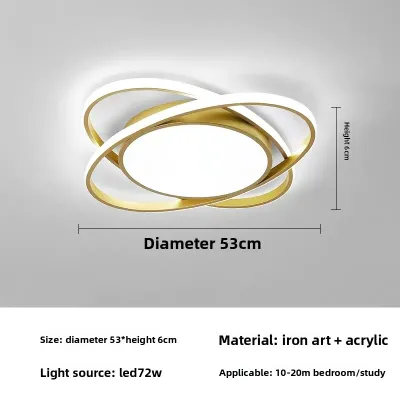
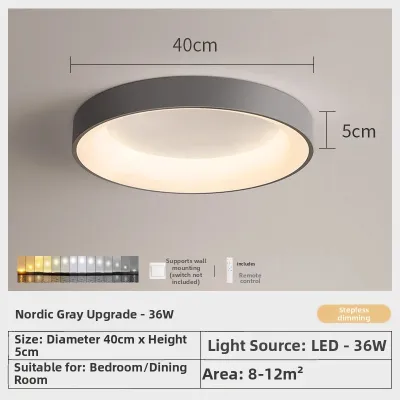
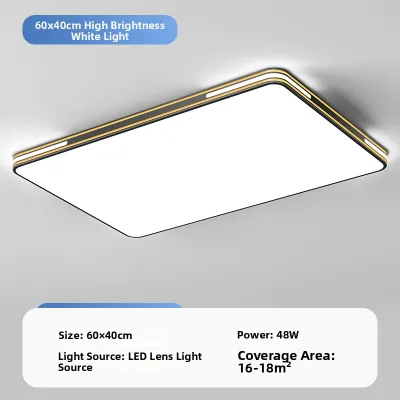
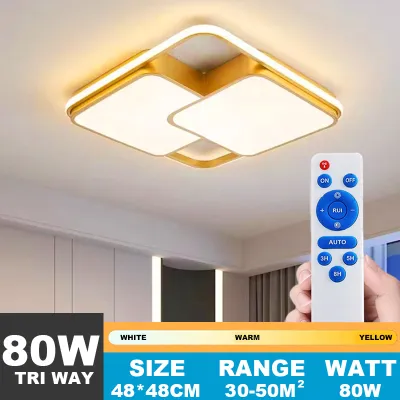
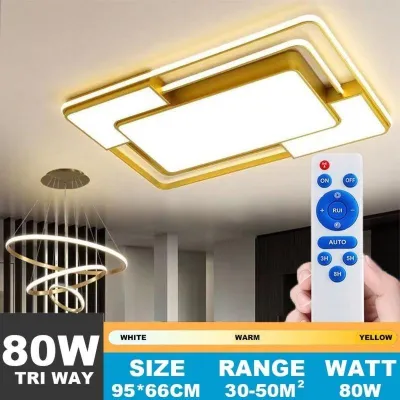
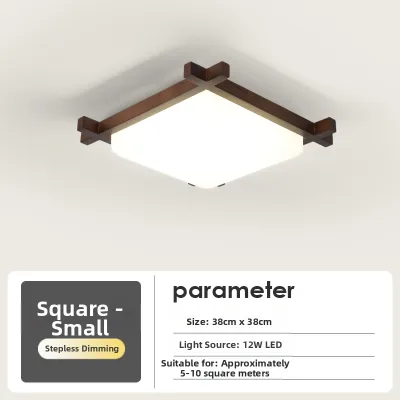
Prices are valid at publication and may change. Please refer to the product page for the latest price.
Furthermore, modern flush mount designs have evolved far beyond the basic, uninspired utility fixtures of the past. Today’s options feature sophisticated optics, premium materials, and integrated LED technology specifically engineered to cast wide, even pools of light. This ensures your dining table receives high-quality, functional illumination for dining, working, or socializing, without the physical and visual clutter of a suspended fixture.
What to Look for in a Modern Dining Flush Mount
Selecting the perfect dining ceiling light modern fixture requires a careful balance of technical specifications, physical dimensions, and aesthetic design. Because the dining table serves as a multi-functional hub in most condos—used for meals, remote work, and casual gatherings—the lighting must be highly adaptable and carefully calibrated.

Illumination & Beam Angle: Dining areas require a balance of functional task lighting and soft ambient glow. Look for fixtures that distribute light downward and outward. Standard color temperatures between 2700K (warm white) and 4000K (cool neutral white) work best for meal ambiance. Warm white enhances the appearance of food and creates an inviting, cozy atmosphere, while neutral white provides a clean, modern aesthetic. A high Color Rendering Index (CRI) of 90 or above is highly recommended for dining spaces. A high CRI ensures that the colors of your food, decor, and tableware appear vibrant and true to life, which significantly enhances the overall dining experience. Additionally, opt for fixtures with a wide beam angle (100 degrees or more) or those equipped with high-quality acrylic diffusers. This setup ensures that the light is evenly distributed across the entire table surface, eliminating harsh shadows and reducing eye strain.
Proportions & Scale: To maintain visual balance, the fixture’s diameter should ideally be one-half to two-thirds the width of your dining table. For low ceilings, keep the fixture’s total depth (height from ceiling to bottom of the light) under 15 to 20 centimeters. This ensures the light remains well above eye level when diners are seated or standing. For instance, if you have a round four-seater dining table with a diameter of 90 centimeters, a flush mount with a diameter of 45 to 60 centimeters will provide excellent visual proportions without overwhelming the space. Keeping the profile slim ensures that the fixture does not become a physical hazard when guests stand up or move around the dining area.
Modern Aesthetics: Choose minimalist, clean-lined designs. Mixed materials such as matte black metal, brushed brass, and frosted glass or acrylic diffusers complement contemporary, Scandinavian, or industrial condo interiors. Integrated LED profiles offer sleek, ultra-thin silhouettes that traditional bulb-based fixtures cannot match. These integrated designs allow for creative geometric shapes, ultra-thin rings, and seamless metallic finishes that elevate the dining area’s style. When selecting finishes, consider the existing hardware in your condo, such as kitchen cabinet pulls or door handles, to create a cohesive design language throughout the open-plan space.
Condo-Specific Limits: Low-clearance fixtures trap heat closer to the ceiling. Ensure the fixture has adequate heat dissipation features, such as aluminum heat sinks, to prolong the lifespan of the LEDs. Additionally, check the weight of the fixture; heavy glass or metal designs require robust structural support, which may be limited in certain condo ceiling configurations. In tropical environments like the Philippines, where ambient temperatures and humidity can be high, efficient heat dissipation is even more critical. Excess heat can cause LED drivers to degrade prematurely, leading to flickering or early failure. Always verify that the fixture is rated for continuous use in warm climates and features a well-ventilated housing design.
Recommended Modern Flush Mount Designs for Condo Dining
To help you navigate the vast array of options available on modern home decor platforms, we have categorized the most effective modern flush mount designs into three distinct structural types. Each style offers unique aesthetic benefits and addresses specific physical constraints commonly found in low-ceiling condo layouts.
Minimalist LED Drum and Disc Flush Mounts
Best Use Case: Ideal for highly restrictive ceilings under 2.4 meters (8 feet) where every centimeter of vertical clearance is critical to maintaining a comfortable living environment.
Design & Technology: These ultra-low-profile fixtures, often measuring between 2 to 5 centimeters in total depth, utilize advanced edge-lit or direct-lit LED technology. Edge-lit panels feature LEDs arranged around the inner frame, casting light sideways into a light guide plate that redirects it downward through a high-performance diffuser. This design delivers incredibly soft, uniform, and glare-free illumination across the entire dining table, completely eliminating the harsh “hot spots” associated with traditional light bulbs. Direct-lit disc lights, on the other hand, place the LEDs directly behind the diffuser, providing maximum lumen output for tasks like reading or meal preparation.
Materials: Spun aluminum frames, matte white or black polymers, and accents of light-toned wood are popular material choices that align perfectly with modern, Japandi, or Scandinavian interior styles. Acrylic diffusers are highly recommended for condo environments because they are lightweight, shatterproof, and easy to clean. Unlike glass, acrylic will not crack or shatter if accidentally bumped during furniture rearrangement or lively gatherings.
Limitations: Because of their flat, highly understated profile, minimalist disc lights can sometimes lack the decorative presence or visual “weight” expected of a dining room centerpiece. To prevent the dining area from feeling sterile or unfinished, use table styling to anchor the space. A textured table runner, a low-profile centerpiece, or vibrant ceramic tableware can draw the eye downward, creating a warm, defined dining zone that complements the clean, unobtrusive light source overhead.
Geometric Metal and Glass Flush Mounts
Best Use Case: Perfect for adding architectural interest and a distinct modern focal point to a plain dining area while maintaining strict vertical clearance.
Design & Technology: These fixtures feature intersecting metal frames, layered frosted glass shades, or multi-light geometric configurations. They create a modern, structured look that draws the eye upward without physically encroaching on the dining space. By utilizing geometric lines—such as squares, hexagons, or interlocking circles—these fixtures serve as functional art pieces on the ceiling plane.
Materials & Diffusion: Textured, ribbed, or frosted glass shades are essential. They softly diffuse the light, eliminating harsh hot spots or glare from exposed LED bulbs or diodes. Matte black or brushed gold metal frames add a touch of luxury. The contrast between solid metal lines and soft, glowing glass panels creates a sophisticated play of light and shadow that enhances the dining ambiance.
Limitations: Glass and metal components add significant weight to the fixture. Before purchasing, verify your condo ceiling’s structural anchor capacity. Heavy multi-glass fixtures cannot be mounted directly to standard gypsum board or thin drywall without proper reinforcement. Additionally, in humid tropical climates, glass surfaces can attract dust and moisture more rapidly, requiring regular cleaning to maintain their pristine appearance and optimal light transmission.
Low-Profile Linear or Branching Semi-Flush Mounts
Best Use Case: Best suited for slightly higher “low” ceilings (around 2.5 to 2.7 meters) positioned over long, rectangular, or oval dining tables.
Design & Technology: These semi-flush mounts feature a minimal drop (typically between 10 to 20 centimeters) and spread horizontally. Linear or branching configurations mimic the elegant look of a chandelier or pendant but remain close to the ceiling plane. They align beautifully with the long axis of rectangular tables, providing uniform light distribution across the entire surface.
Limitations: Because these fixtures drop slightly lower than true flush mounts, you must measure the total drop height carefully. Ensure the lowest point of the fixture does not obstruct eye contact across the table, interfere with tall centerpieces, or create a collision hazard for taller individuals standing near the dining area.
Installation Rules and Safety Checks for Condo Ceilings
Installing a new ceiling fixture in a condominium requires careful adherence to structural safety guidelines and building regulations. Because condo units share structural elements with neighboring units, improper installation can lead to structural damage, electrical hazards, or violations of building policies.
Before purchasing or installing any new ceiling fixture, consult your condo corporation or building administration office. Many developments have strict guidelines regarding electrical modifications, drilling depths, and structural alterations. You may need to submit a work permit request detailing the scope of the installation, the weight of the fixture, and the credentials of the person performing the installation.
It is crucial to understand the type of ceiling structure in your dining area to choose the correct mounting hardware:
- Concrete Slabs: Many high-rise residential buildings in the Philippines feature exposed or painted concrete structural slabs as ceilings. Mounting a fixture directly onto a concrete slab requires a heavy-duty rotary hammer drill, masonry bits, and specific concrete expansion anchors or sleeve anchors. This process must be executed with extreme caution to avoid drilling too deeply and hitting embedded electrical conduits, post-tension cables, or structural rebar.
- Dropped Drywall Ceilings: Often installed to hide utility pipes, air conditioning ducts, or electrical wiring. Drywall cannot support heavy fixtures on its own. You must locate the wooden or metal ceiling joists using a stud finder to secure the mounting bracket. If a joist is unavailable, you must use heavy-duty, weight-rated metal toggle bolts, provided the fixture's weight falls well within the safe load limits of the ceiling structure.
Always prioritize electrical safety during any installation or maintenance task. Verify that the fixture is rated for the standard 220V/60Hz electrical supply used in the Philippines. Ensure the fixture carries appropriate safety certifications, such as the Philippine Standard (PS) mark or Import Commodity Clearance (ICC) sticker, or international equivalents like CE or UL.
Before beginning any work, isolate the power by switching off the main circuit breaker at the distribution panel. Never rely solely on the wall switch to turn off the power. Use a non-contact voltage tester to verify that the wires are completely dead before touching them. If your installation involves drilling into concrete slabs, running new electrical lines, modifying the junction box, or handling heavy, complex fixtures, hire a licensed electrician or a qualified professional to complete the work safely.
Frequently Asked Questions (FAQ)
How many lumens do I need for a condo dining table?
To determine the lighting needs for your dining area, calculate the required lumens based on the size of your dining table rather than the entire room. A standard recommendation for dining tables is approximately 30 to 40 foot-candles, which translates to roughly 300 to 400 lumens per square meter of table surface. For example, a standard 4-seater dining table (about 1.2 meters by 0.8 meters, or roughly 1 square meter) requires a fixture that delivers a minimum of 300 to 400 useful lumens directly to the surface. It is highly beneficial to choose a fixture with a dimmable LED driver or compatible dimmable bulbs. This allows you to adjust the light output from bright, functional illumination for task-oriented activities to a softer, warmer glow for intimate evening meals.
Can I install a heavy flush mount on a condo drywall ceiling?
You should not install a heavy flush mount directly onto a standard condo drywall ceiling without proper structural support. Standard gypsum board or drywall sheets are not designed to bear the weight of heavy metal or glass fixtures and can fail over time, leading to serious damage or injury. If the fixture weighs more than 2.3 kilograms (5 pounds), it must be secured directly to a structural wooden or metal ceiling joist behind the drywall, or mounted to a heavy-duty, ceiling-rated junction box that is independently supported by the building’s structure. Always check the fixture’s net weight in the manufacturer’s specifications and inspect the existing junction box to ensure it is securely anchored. If you notice any wobbling, cracking, or instability in the ceiling material, stop immediately and consult a qualified structural professional or building maintenance personnel before proceeding.

Community discussion
Share your experience or ask a question. Comments are reviewed before publication.