
Finding the right lighting for a modern condominium in the Philippines often comes with a unique structural challenge: low ceilings. Most high-rise developments in metropolitan areas like Metro Manila, Cebu, and Davao feature solid concrete slab ceilings with a floor-to-ceiling height of around 2.4 to 2.7 meters. Standard recessed downlights require a dropped ceiling cavity to house the fixture’s body and heat sink, but dropping the ceiling further reduces precious headroom, making the space feel cramped. The solution lies in selecting a high-performance, low-profile modern pin light ceiling fixture or a sleek surface-mounted flush mount that delivers bright, even illumination without sacrificing vertical space.
Condo owners must balance aesthetics, brightness, and structural limitations when upgrading their lighting. By choosing modern surface-mounted pin lights, ultra-thin LED panels, or minimalist geometric flush mounts, you can create a bright, airy, and visually spacious home. Navigating technical specifications, local building regulations, and installation safety standards is essential to achieving a stylish, functional lighting layout that complies with condo administration rules.
Pin Lights vs. Flush Mounts: What Works Best for Low Ceilings?
To design an effective lighting plan for a compact living space, it is important to understand the terminology used in the local Philippine market. Homeowners and interior designers often use the term “pin lights” to refer to small, focused downlights. Historically, these were deeply recessed into a ceiling cavity, but modern variations include compact surface-mounted cylinders and adjustable spotlights. In contrast, “flush mount lights” are wider fixtures designed to sit completely flat against the ceiling surface, spreading light across a broader area. Both fixture types serve distinct roles, but their suitability depends heavily on your condo’s structural design.
Products mentioned in this guide
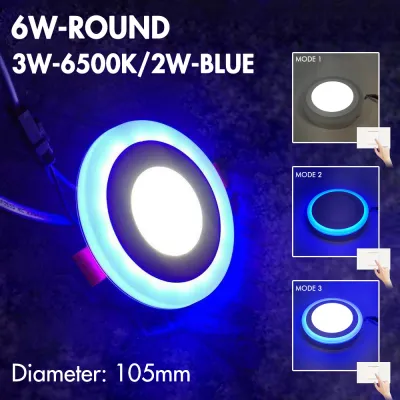
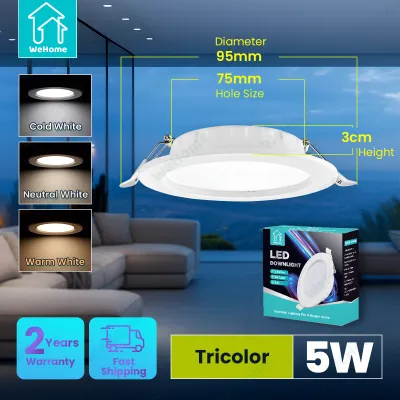
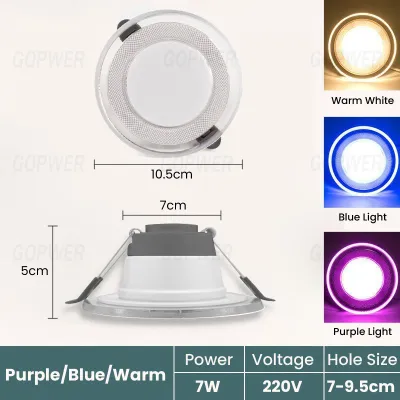
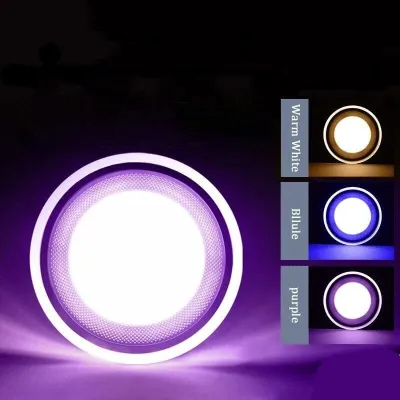
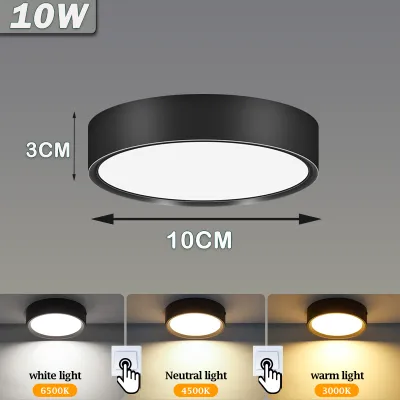
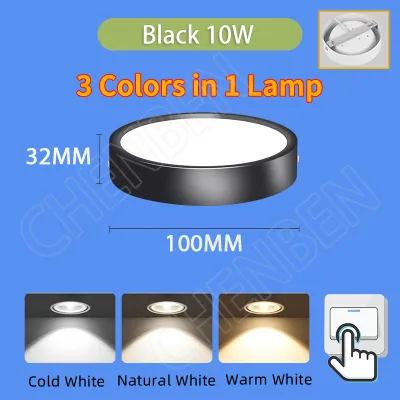
Prices are valid at publication and may change. Please refer to the product page for the latest price.
In many Philippine condo units, the ceiling is a solid, post-tensioned concrete slab. Creating a dropped ceiling using gypsum board or light metal frames to install traditional recessed pin lights is a popular design choice, but it comes with a significant trade-off. A dropped ceiling typically lowers the room height by 10 to 15 centimeters to accommodate the fixture housings and electrical conduits. In a unit that already has a low ceiling, this loss of vertical clearance can make the space feel restrictive and block natural light from sliding balcony doors.
The core goal for low-ceiling condo lighting is to maximize headroom while maintaining a layered, sophisticated light design. Surface-mounted pin lights and ultra-thin flush mounts allow you to bypass the need for a dropped ceiling entirely. These fixtures mount directly onto the existing concrete slab, utilizing the pre-installed junction boxes provided by the developer. This approach preserves every centimeter of ceiling height, keeps the room feeling open, and avoids the high labor and material costs associated with constructing a suspended ceiling.
4 Must-Check Specs Before Buying Low-Profile Condo Lights
Selecting the perfect ceiling fixtures involves more than just picking a stylish design. Because low ceilings bring light sources closer to eye level, technical specifications directly impact your daily comfort, visual safety, and electrical compatibility. Before purchasing any fixtures from local lighting stores or online marketplaces, verify these four critical specifications.

Profile Height and Mounting Type When space is at a premium, every millimeter counts. Ultra-thin flush mount panels often feature a profile height of less than 2.5 centimeters (1 inch), making them virtually flush with the concrete slab. If you prefer the architectural look of surface-mounted pin lights, look for compact cylinders with a height of 5 to 8 centimeters. Before buying, measure the clearance above tall furniture pieces, such as floor-to-ceiling wardrobes, kitchen overhead cabinets, and pantry doors. Ensure that the swing path of these doors will not collide with your chosen light fixtures.
Lumens and Wattage In compact condo spaces, over-lighting can create a harsh, clinical environment, while under-lighting makes the space feel gloomy. Focus on lumens (the measure of visible light output) rather than wattage (energy consumption). For general living areas and bedrooms, aim for a total of 300 to 500 lumens per square meter. A typical 9-watt to 12-watt LED fixture generally provides sufficient brightness for a small room. Ensure the fixture operates on the standard Philippine voltage of 220V to 240V at 60Hz to prevent flickering or premature driver failure.
Color Temperature and Ambience Color temperature is measured in Kelvin (K) and determines the warmth or coolness of the light. While color preference is highly subjective, it alters how spacious a room feels. Warm white (2700K to 3000K) creates a cozy, intimate atmosphere ideal for bedrooms and living rooms, though it can make small spaces feel slightly more enclosed. Neutral white (4000K) closely mimics natural daylight, making it an excellent choice for kitchens, bathrooms, and study areas because it enhances clarity and makes walls appear more expansive. Cool white (6000K and above) is highly functional but can feel sterile if used as the primary light source in a low-ceiling living space.
Beam Angle and Glare Control Low ceilings position light sources closer to your direct line of sight, increasing the risk of uncomfortable glare. To prevent eye strain, select fixtures equipped with frosted acrylic diffusers, which distribute light evenly across the room. For surface-mounted pin spots, choose designs with deep-recessed LED chips or integrated baffles. These design features shield the light source from direct view, directing the beam downward at a controlled angle (typically 30 to 60 degrees) to highlight specific zones without blinding occupants walking through the room. Always verify that the products carry official safety certifications, such as the Philippine Standard (PS) mark or the Import Commodity Clearance (ICC) sticker, to ensure they meet local electrical safety standards.
Recommended Modern Lighting Styles to Maximize Headroom
Achieving a modern, spacious aesthetic in a low-ceiling condo requires a thoughtful mix of ambient and accent lighting. By choosing low-profile fixtures designed specifically to hug the ceiling, you can establish distinct functional zones while keeping the visual landscape clean and uncluttered. The following lighting styles represent the most effective solutions for modern Philippine condo interiors, balancing compact dimensions with high-quality light output.
Ultra-Thin LED Flush Mount Panels
For general ambient lighting in main living areas, hallways, and kitchens, ultra-thin LED flush mount panels are highly efficient. These fixtures utilize edge-lit LED technology to emit a soft, even glow across a wide area, eliminating harsh shadows and making the ceiling appear visually higher. Most high-quality panels feature a depth of less than an inch, allowing them to blend seamlessly into the concrete slab.
While older utility panels often looked clinical, modern designs feature stylish geometric shapes—such as slim circular discs or minimalist squares—and elegant frame finishes. Matte black, brushed brass, or satin white borders allow you to match the fixtures to your condo’s hardware and color scheme. When purchasing, look for models with integrated, non-replaceable LED drivers designed for 220V systems, and check if they support triac dimming so you can adjust the brightness to suit different times of day.
Surface-Mounted Pin Spotlights and Low-Profile Tracks
If you want to create a dramatic, gallery-like atmosphere or highlight specific architectural features, surface-mounted pin spotlights are an excellent alternative to recessed lighting. These compact, cylindrical fixtures mount directly onto existing concrete ceiling junction boxes. Because they do not require a ceiling cavity, they provide the directional focus of a spotlight while preserving your vertical clearance.
For added flexibility, low-profile magnetic track systems or slim surface-mounted tracks allow you to position multiple adjustable pin spots along a single electrical feed. This is highly beneficial for kitchen islands, dining tables, or living room accent walls where you want to direct light precisely onto work surfaces or artwork. Keep in mind that track systems require careful planning of visible track layouts; choosing tracks finished in the same color as your ceiling (usually matte white) helps them blend into the background.
Minimalist Geometric and Ring Flush Mounts
For areas where you want a decorative statement piece—such as above a dining table or in the center of a master bedroom—standard flush panels might feel too plain, while traditional chandeliers hang too low. Minimalist geometric and ring flush mounts offer the perfect middle ground. These fixtures feature artistic, low-profile designs, such as interlocking luminous rings, sleek linear bars, or overlapping squares that sit close to the ceiling.
These decorative fixtures use integrated LEDs to deliver high light output while maintaining a profile height of under 15 centimeters. Because they are constructed with metal frames and acrylic diffusers, they are heavier than simple plastic panels. Always verify the weight capacity of your existing ceiling junction box and mounting brackets before installation. These fixtures are generally priced in a mid-to-high band, ranging from ‛2,500 to ‛8,000, making them worthwhile investments for key focal points in your home.
Condo Admin Rules and Safe Installation Practices
Modifying or installing electrical fixtures in a Philippine condominium requires strict adherence to building administration policies and electrical safety standards. Unlike standalone houses, condo units share structural elements, electrical risers, and safety systems, meaning improper installation can impact the entire building.
Before purchasing fixtures or scheduling installation, consult your condo’s Property Management Office (PMO) to secure the necessary work permits. Most building administrations require a detailed unit work permit, a list of materials, and the credentials of the personnel performing the work. Crucially, ask about structural drilling restrictions. Drilling deep into a concrete ceiling slab is strictly prohibited in most developments because of the risk of severing embedded electrical conduits, plumbing lines, or high-tension structural cables. Limit any drilling to shallow depths (typically under 2 to 3 centimeters) using appropriate masonry anchors designed for light-to-medium loads.
Electrical compatibility is another vital safety factor. Ensure that all new fixtures match the local utility standard of 220V to 240V at 60Hz. Standardize on fixtures that utilize high-quality, certified LED drivers to prevent electrical noise, flickering, and overheating in our tropical, humid climate. If you are installing heavier decorative flush mounts, verify that the ceiling junction box is securely anchored to the concrete slab and rated to support the weight of the fixture.
For your safety, establish clear boundaries between simple maintenance and tasks that require professional expertise. Always turn off the power at the main circuit breaker of your unit before inspecting or handling any electrical wiring. Simple, like-for-like replacements—where you are replacing an existing surface fixture using the pre-installed bracket and wires—can be performed safely as a DIY task, provided you use a reliable voltage tester to verify the lines are dead.
However, if your project involves running new electrical conduits, moving junction boxes across the concrete slab, installing complex track systems, or wiring fixtures in damp environments like bathrooms, you must hire a licensed electrician or a registered electrical engineer. Ensure all work complies with the Philippine Electrical Code (PEC) and the manufacturer’s specific installation instructions. Never bypass safety grounding, and always ensure that wire connections are secured with high-quality electrical tape or professional wire connectors inside an approved junction box.
Frequently Asked Questions (FAQ)
Can I install recessed pin lights without dropping my condo ceiling?
True recessed pin lights cannot be installed directly into a solid concrete slab ceiling because they require an empty cavity to house the fixture body, wiring, and heat sink. Attempting to chisel or core out a cavity in a structural concrete slab is extremely dangerous and strictly prohibited by condo building administrations. If your condo has a solid concrete ceiling, you must use surface-mounted pin lights, low-profile track lights, or ultra-thin surface-mounted LED panels as safe, stylish, and non-destructive alternatives.
How do I clean and maintain ultra-thin flush mount lights?
To clean and maintain modern low-profile LED fixtures safely, always turn off the power at the main wall switch and allow the fixture to cool completely. Gently wipe the exterior diffuser and frame with a dry or slightly damp microfiber cloth to remove dust and insect debris. Never spray liquid cleaners directly onto the fixture, and avoid using harsh chemical solvents, alcohol, or abrasive pads, as these can scratch, yellow, or crack the acrylic diffusers over time. For integrated LED fixtures, check the manufacturer’s care instructions to ensure long-lasting performance in humid tropical climates.

Community discussion
Share your experience or ask a question. Comments are reviewed before publication.