
The best night light for a relaxing bedroom atmosphere is one that emits a soft, warm glow—ideally under 2700K—while offering adjustable dimming to minimize blue light exposure before sleep. Unlike bright overhead fixtures, a carefully selected ambient lamp acts as a gentle transition tool, signaling to your brain that it is time to wind down. Whether you prefer the artistic gradients of a sunset projection lamp, the organic warmth of a diffused bedside globe, or the high-tech automation of a smart ambient light, matching the fixture to your nightly routine is key to reclaiming your evenings.
In the Philippines, where bustling urban environments and tropical humidity shape our daily lives, creating a serene indoor sanctuary is more important than ever. High-rise condos and suburban homes alike often suffer from external light pollution, making interior lighting control a critical factor in sleep hygiene. By replacing harsh, cool-white utility bulbs with low-intensity, warm-toned ambient sources, you can transform your bedroom from a high-energy space into a cozy, restful retreat.
Why Lighting Matters for Bedroom Relaxation
Our bodies rely on natural light cues to regulate the circadian rhythm, the internal biological clock that dictates when we feel awake and when we feel sleepy. For thousands of years, the human brain associated the cool, blue-rich light of midday with high alertness, and the warm, dim tones of sunset with rest. Modern homes, however, are frequently flooded with artificial cool-white lighting and screen glare, which trick the brain into thinking it is still daytime.
Products mentioned in this guide
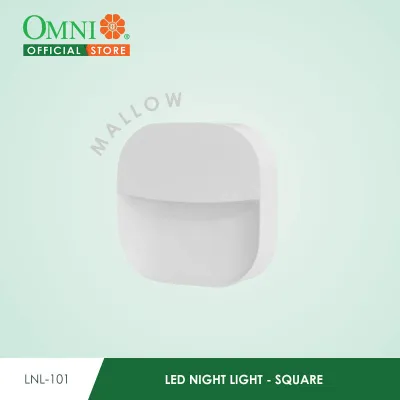
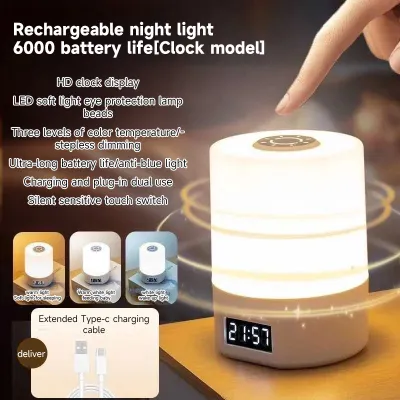
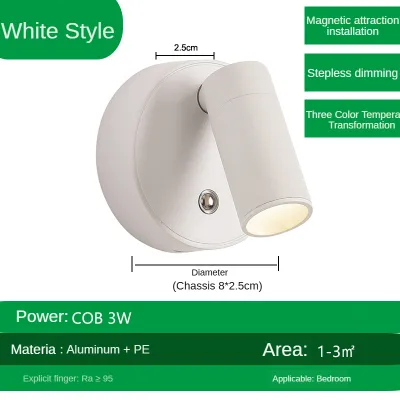
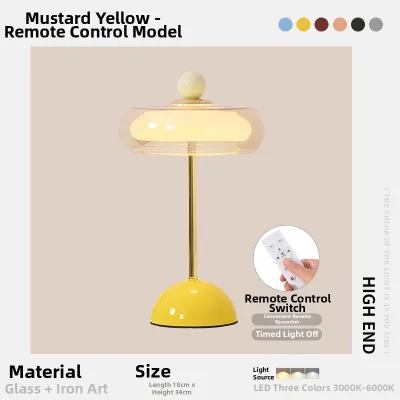
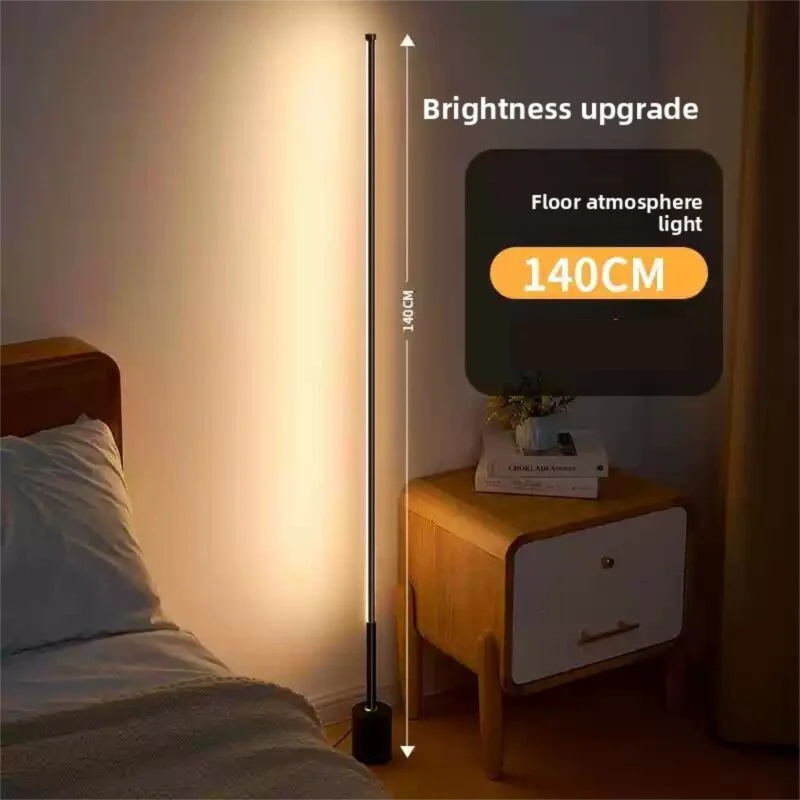
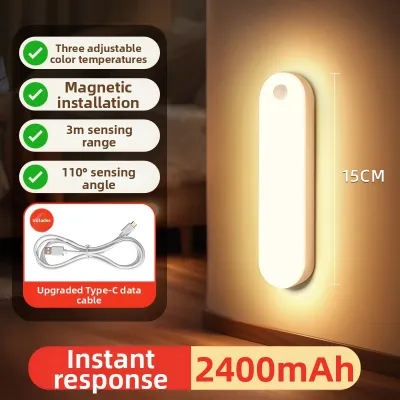
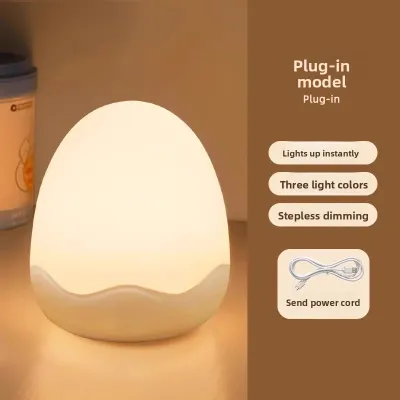
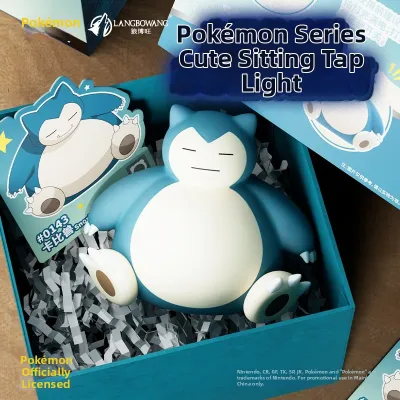
Prices are valid at publication and may change. Please refer to the product page for the latest price.
Exposure to bright or blue-rich light in the evening suppresses the production of melatonin, the essential hormone responsible for initiating sleep. When your eyes register high-intensity light, photoreceptors send signals to the brain to halt melatonin synthesis, leaving you feeling wired and restless even when physically exhausted. Introducing a dedicated low-lumen light source helps mitigate this disruption, allowing your natural sleep hormones to rise gradually as bedtime approaches.
A truly relaxing bedroom scene is defined by low glare, warm color tones, and soft light diffusion. Direct light sources that expose bare bulbs or create sharp, harsh shadows can trigger visual fatigue and mental alertness. By utilizing fixtures that shield the light source or project it indirectly against surfaces, you create a visually soothing environment that encourages physical and mental relaxation.
It is important to distinguish a dedicated relaxation night light from other types of bedroom fixtures. Task lighting, such as a focused reading lamp or desk light, is engineered to provide high-contrast illumination for specific activities, which can inadvertently keep you awake. Similarly, bright motion-sensor hallway lights or security fixtures are designed for high visibility and navigation, whereas a calming ambient light focuses entirely on low-intensity, non-disruptive guidance and mood enhancement.
Best Night Light Styles for a Calming Ambiance
Sunset Projection Lamps
Sunset projection lamps have become incredibly popular for their ability to paint a room with the rich, dramatic colors of dusk. These fixtures project a soft, circular gradient of warm orange, deep red, or golden amber light directly onto your walls or ceiling. The resulting visual effect mimics the soothing transition of a natural sunset, bringing a sense of outdoor tranquility into an indoor urban setting.

The primary benefit of a sunset lamp is its ability to create a highly immersive, cozy atmosphere without illuminating the entire bedroom. Because the light is projected outward in a controlled beam, it bathes a specific wall or corner in warm color while leaving the rest of the room in soft, restful shadow. This high-contrast, low-glare distribution is highly effective for unwinding at the end of a long, stressful day.
However, these lamps do come with practical limitations that you should consider before purchasing. They are designed purely as ambient mood lights and do not provide functional illumination for activities like reading, organizing, or navigating dark corners safely. If you require a light that assists with bedtime tasks in addition to relaxation, a sunset projector is best used as a secondary accent light alongside a more traditional bedside lamp.
Warm-Tone Mood and Glow Lamps
If you prefer a more localized, traditional light source, warm-tone mood and glow lamps are an excellent choice for bedside tables or corner shelves. These fixtures typically feature frosted glass, natural wood, or soft silicone covers that diffuse light evenly in all directions. By scattering the light rays, these materials eliminate harsh shadows and create a gentle, comforting halo of warmth around the lamp.
The physical design of these lamps plays a significant role in both bedroom decor and psychological comfort. Soft-touch silicone lamps, often shaped like playful animals or minimalist domes, offer a tactile element that feels welcoming and safe, making them popular for both children and adults. Natural materials, such as wood-base lamps or salt lamps, introduce organic textures that ground the room’s aesthetic.
For residents in the Philippines, a crucial maintenance detail applies to natural Himalayan salt lamps. Because salt is naturally hygroscopic, it absorbs moisture from the air, which can cause the lamp to “sweat” or weep water in high-humidity tropical environments. To prevent damage to wooden nightstands or electrical components, it is wise to place a protective coaster underneath them or opt for sealed synthetic alternatives that mimic the warm, organic glow without the moisture risk.
Many modern mood lamps feature convenient tactile controls, such as touch-sensitive bases or tap-to-dim surfaces. This makes them incredibly user-friendly when you are half-awake, as you can easily adjust the brightness or turn the light off with a simple tap, eliminating the need to fumble for small inline cord switches in the dark.
Dimmable Smart Ambient Lamps
For those who want complete control over their sleep environment, dimmable smart ambient lamps offer unparalleled versatility. These modern fixtures utilize tunable white or RGBWW (Red, Green, Blue, Warm White) LED technology, allowing you to customize the exact shade and intensity of your light. You can easily transition from a soft, warm white for evening journaling to a deep, low-lumen amber or candlelight orange for the final half-hour before sleep.
The standout feature of smart ambient lamps is their capacity for automation. Through dedicated mobile apps, you can establish schedules that gradually dim the light over a set period, mimicking a natural sunset right in your bedroom. Setting a sleep timer ensures the light fades out completely once you have drifted off, preventing any light exposure from disrupting your deep sleep cycles during the night.
When selecting a smart lamp, it is important to verify its connectivity requirements and app reliability. Some models connect directly via Bluetooth, which is simple to set up but has a limited range, while others require a stable 2.4GHz Wi-Fi connection to enable remote access and smart home integration. Ensure your bedroom has adequate Wi-Fi coverage if you plan to rely on automated schedules or voice commands through local smart assistants.
Key Features to Check Before Buying
To ensure your chosen night light provides the maximum relaxing effect while remaining safe and practical, keep these essential specifications in mind before making a purchase.
- Color Temperature: The color temperature of a light source is measured in Kelvin (K). For bedroom relaxation and sleep preparation, look for lamps that offer warm color temperatures of 2700K or lower. Ideally, a dedicated sleep light should reach down to 1800K or 2200K, which closely replicates the warm, amber glow of candlelight. Avoid any lamps that emit cool white or daylight tones (4000K to 6500K) for evening use, as these will actively suppress melatonin and keep you awake.
- Brightness and Dimming Capabilities: High-intensity light of any color can disrupt your sleep cycle. Therefore, look for a night light with low-lumen output (under 50 lumens is ideal for bedtime) and robust dimming capabilities. Stepless dimming or multi-level dimming allows you to dial the brightness down to a bare whisper of light, providing just enough visibility to prevent tripping without straining your eyes in a darkened room.
- Power Source and Electrical Safety: In the Philippines, the standard electrical grid operates at 220V and 60Hz. When browsing online marketplaces or local shops, always verify that the lamp's voltage rating is fully compatible with the local 220V system, especially if purchasing imported models designed for 110V. Look for basic electrical safety certifications on the product label, such as the Philippine Standard (PS) mark, the Import Commodity Clearance (ICC) sticker, or reputable international safety marks like CE and RoHS. To prevent electrical hazards, avoid overloading power strips with multiple high-draw appliances alongside your bedside lamps, and always inspect cords for signs of wear.
- Heat Emission and Venting: Some older or lower-cost sunset lamps utilize halogen bulbs, which can generate significant heat during prolonged operation. In a warm, tropical climate, unnecessary heat sources can make your sleeping environment uncomfortable. Furthermore, high heat poses a safety risk if the lamp is placed near curtains, bedding, or wooden surfaces. Opt for energy-efficient LED models, which remain cool to the touch even after hours of continuous use, ensuring both safety and comfort.
Placement and Usage Tips for Better Sleep
How you position and use your night light is just as important as the style you choose. Proper placement ensures that the light enhances your room’s ambiance without causing glare or disrupting your sleep.
- Utilize Indirect Lighting: To minimize visual fatigue, avoid pointing projection lamps or high-intensity mood lights directly at your bed or into your eyes. Instead, position sunset projection lamps to bounce their light off blank walls, ceilings, or neutral-colored curtains. This creates a soft, diffused wash of color that fills the room gently. Avoid projecting light onto highly reflective surfaces like mirrors or glossy wardrobes, which can create distracting glare points.
- Strategic Bedside Positioning: Place ambient lamps on low dressers, side tables, or nightstands that sit below eye level when you are lying down in bed. Biologically, our eyes are accustomed to light coming from high above during the day (the sun) and from lower angles at night (campfires). Keeping your evening light sources low helps reinforce the brain's natural transition to sleep while preventing direct glare from entering your field of vision.
- Safety and Environmental Boundaries: Always maintain a safe distance between your lamps and flammable materials. Even cool-operating LED lamps require adequate ventilation to dissipate internal heat, so avoid crowding them with books, heavy bedding, or decorative fabrics. If you are using a plug-in night light in a shared space or near a humid area, ensure the outlet is dry and free from dust. If you ever encounter conflicting safety instructions on a product label or are unsure about your home's wiring compatibility, consult a qualified electrician.
- Leverage Automation and Timers: The ideal environment for deep, restorative sleep is complete darkness. While a night light is incredibly helpful for winding down, leaving it on all night can interfere with your sleep architecture, even if your eyes are closed. Use built-in sleep timers, smart plugs, or automated schedules to ensure your ambient lights turn off automatically 30 to 60 minutes after you typically fall asleep.
Frequently Asked Questions (FAQ)
Can I leave a sunset lamp on all night?
While many modern LED-based sunset lamps are designed to be highly energy-efficient and generate minimal heat, it is generally not recommended to leave any projection lamp on all night. Continuous exposure to light, even in warm tones, can disrupt your deep sleep cycles and prevent your body from achieving fully restorative rest. Additionally, leaving budget-friendly projection lenses running for eight or more hours straight can shorten the lifespan of the LED chip or cause the housing to overheat. To ensure safety and optimal sleep hygiene, utilize a built-in timer or a smart plug to turn the lamp off automatically once you fall asleep.
What is the best color temperature for sleep?
The best color temperature for sleep preparation is a warm, amber, or red-toned light rating under 2700K, with the absolute ideal range falling between 1800K and 2200K. This ultra-warm spectrum mimics the natural light of a sunset or candle flame, which does not interfere with your body’s melatonin production. In contrast, cool white and daylight temperatures above 4000K should be strictly avoided in the bedroom during the evening. These cool tones contain high amounts of blue light, which mimics midday sun, signaling your brain to stay alert and suppressing the hormonal triggers needed for sleep.

Community discussion
Share your experience or ask a question. Comments are reviewed before publication.