
Quick Answer: Elevating Your Space with Orange Lighting
An orange floor lamp is a striking design intervention that does far more than illuminate a dark corner. In Philippine homes, where neutral concrete finishes, white walls, and warm wood tones are highly popular, introducing a splash of orange provides an instant visual anchor. The color orange naturally evokes feelings of warmth, energy, and tropical comfort, making it an exceptional choice for balancing the cool, air-conditioned environments of modern living rooms.
To find the ideal orange floor lamp, you must first determine how you intend to use the light. If your goal is to cast a soft, welcoming glow across an entire seating area, a lamp designed for ambient diffusion is your best option. Conversely, if you want to carve out a quiet reading corner, you will require a lamp that delivers focused, adjustable, and glare-free illumination directly onto your book. Balancing these functional needs with your personal style ensures your new lighting fixture is both beautiful and highly practical.
Key Factors When Choosing an Orange Floor Lamp
Selecting a floor lamp involves analyzing how the physical fixture interacts with your room’s layout, your existing electrical setup, and your daily habits. Because a floor lamp is a highly visible piece of furniture, understanding these technical and structural elements beforehand prevents common buying mistakes.
Products mentioned in this guide
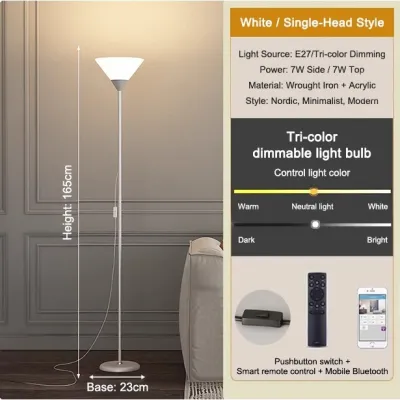
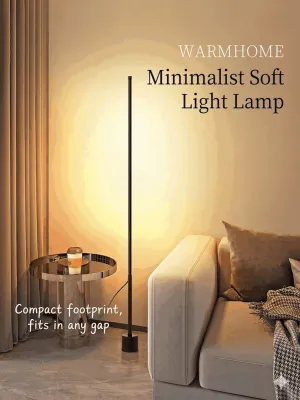
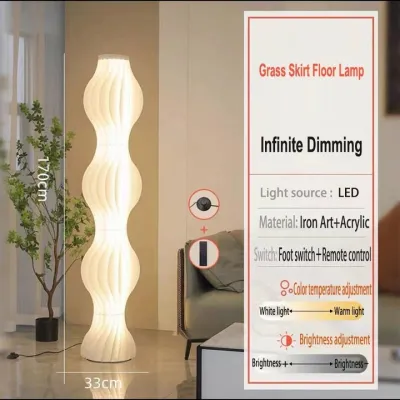
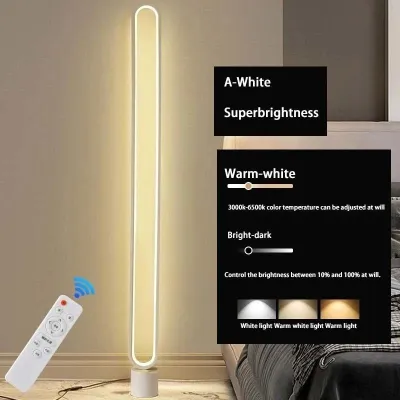
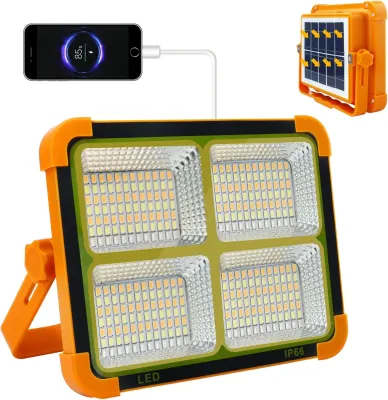
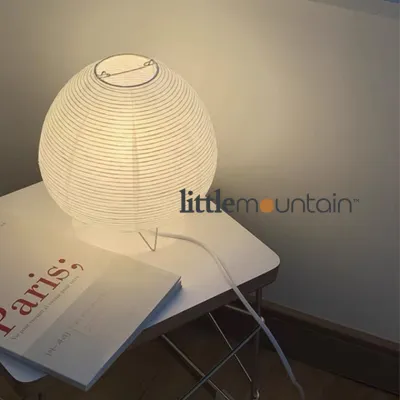
Prices are valid at publication and may change. Please refer to the product page for the latest price.

Balancing Ambiance and Task Lighting
Ambient lighting and task lighting serve two entirely different purposes, and your choice of lamp style should reflect which one you need most. Ambient lighting relies on diffusion, where the light source is shielded or directed upward to bounce off walls and ceilings. This creates a soft, low-contrast glow that minimizes harsh shadows, making it perfect for relaxing in the evening or entertaining guests in your living room.
Task lighting, on the other hand, is highly focused and directional. For a reading corner, you need a lamp that channels light downward without scattering it across the room. This concentrated beam increases contrast on the page, which significantly reduces eye strain during long reading sessions. Before browsing styles, evaluate your space: do you need to brighten a dim room, or do you need a dedicated spotlight for your favorite armchair?
Bulb Compatibility and Light Temperature
An orange lampshade has a profound effect on the color of the light emitted, meaning your choice of lightbulb is critical. To maximize the cozy, inviting appeal of an orange lamp, pair it with a warm white LED bulb, ideally rated between 2700K and 3000K. This temperature range enhances the rich amber and terracotta tones of the shade, creating a deeply relaxing atmosphere.
Avoid using cool daylight bulbs (6000K to 6500K) inside an orange shade. The blue-heavy light from a cool bulb clashes with the warm orange material, often resulting in a muddy, dull, or sickly greenish-gray light output that ruins the room’s aesthetic. Additionally, always verify that your chosen bulb matches the lamp’s socket type—most standard fixtures in the Philippines use an E27 screw base—and ensure the bulb’s wattage does not exceed the manufacturer’s specified maximum limit.
Because electrical standards in the Philippines run on 220V at 60Hz, you must confirm that any imported lamp you purchase is fully compatible with this voltage. Using a lamp designed strictly for 110V systems without a proper transformer can damage the fixture or present a serious fire hazard. Always look for safety certifications and check the manufacturer’s electrical specifications before plugging the lamp into your wall outlet.
Dimensions, Base Weight, and Cord Management
Before finalizing your purchase, carefully measure the floor space and ceiling clearance in your intended room. A lamp that looks perfectly proportioned in a spacious showroom can easily overwhelm a compact urban condominium or a tight reading nook. Pay close attention to the diameter of the base and the maximum extension of the lamp head to ensure it will not block walkways or interfere with cabinet doors.
Stability is another critical safety consideration, particularly in active households with young children, curious pets, or high foot traffic. Look for lamps that feature a heavy, well-weighted base made of materials like solid marble, cast iron, or thick steel. A sturdy base prevents the lamp from tipping over if it is accidentally bumped, protecting both your family and your investment.
Finally, plan how you will manage the power cord. A loose, trailing cord is not only a tripping hazard but also detracts from the clean, polished look of your interior design. Use adhesive cord clips to run the cable neatly along the baseboards, or position the lamp close to an outlet so the excess wire can be discreetly tucked behind a sofa or side table.
Recommended Orange Floor Lamp Styles for Your Home
To help you find the perfect match, let us explore the three primary styles of orange floor lamps available through local lighting specialty stores and reputable online marketplaces. Each style offers unique spatial and functional advantages.
Statement Arc and Tripod Lamps for Living Rooms
Statement arc and tripod floor lamps are designed to be the visual centerpiece of a room. Arc lamps feature a dramatic, sweeping metal arm that extends upward and outward, allowing the orange shade to hang directly over a coffee table or the center of a sectional sofa. This design provides overhead ambient light without the need for complex ceiling wiring, making it an excellent temporary installation for renters.
Tripod lamps utilize a three-legged wooden or metal base topped with a large drum shade. The broad, fabric shade diffuses light both upward and downward, washing the surrounding walls in a warm, orange-tinted glow. These lamps look exceptionally handsome when placed in empty corners or next to large accent chairs, where their architectural lines can be fully appreciated.
Before You Buy Checklist for Arc and Tripod Lamps:
- Ceiling Clearance: Ensure your ceiling is high enough to accommodate the peak of an arc lamp, which often stands over two meters tall.
- Footprint: Measure the leg span of a tripod lamp; these bases require significant floor space and can crowd smaller rooms.
- Shade Material: Decide between a translucent fabric shade for soft, scattered light, or a solid metal shade that directs all light downward.
- Base Stability: Verify that the counterweight on an arc lamp is heavy enough to support the extended arm without wobbling.
Adjustable Task Lamps for Dedicated Reading Corners
If your primary goal is to create a cozy, highly functional reading nook, an adjustable task lamp is your best companion. These lamps typically feature adjustable joints, swing arms, or flexible goosenecks that allow you to position the light source precisely where you need it. By directing the light downward onto your book, you keep the glare out of your eyes and maintain a comfortable reading posture.
Pair an adjustable orange metal task lamp with a deep, comfortable armchair or a native rattan lounger. Opt for a lamp height that places the bottom of the shade at roughly shoulder level when you are seated; this ensures the bulb remains hidden from your direct line of sight while providing ample illumination for your reading material.
Before You Buy Checklist for Adjustable Task Lamps:
- Joint Durability: Check that the tightening screws and tension springs are robust enough to hold their position over time without drooping.
- Switch Location: Ensure the power switch or dimmer is easily accessible from a seated position, rather than located far down the power cord.
- Heat Output: If the lamp head sits close to your face or hands, use a low-wattage LED bulb to prevent the metal shade from radiating uncomfortable heat.
- Range of Motion: Verify that the lamp head can tilt and swivel smoothly to accommodate different seating angles.
Space-Saving Pole and Torchiere Lamps
For compact apartments, narrow hallways, or tight corners where floor space is at a premium, space-saving pole and torchiere lamps are the ideal solution. A classic pole lamp features a slim, vertical metal rod with one or more small orange shades attached. This minimalist profile allows you to tuck the lamp into incredibly tight spaces, adding a vibrant pop of color without cluttering the room.
Torchiere lamps are designed to direct their light straight up toward the ceiling, creating a beautiful indirect bounce. An orange torchiere shade can transform a cold, stark ceiling into a warm, glowing surface that makes the entire room feel larger and more inviting. This style is highly effective for general ambient lighting in rooms that lack overhead fixtures.
Before You Buy Checklist for Pole and Torchiere Lamps:
- Base Weight: Because these lamps are tall and thin, a heavily weighted base is absolutely essential to prevent tipping.
- Ceiling Color: Ensure your ceiling is painted white or a very light neutral; dark or wood-paneled ceilings will absorb the upward light rather than reflecting it.
- Shade Angle: Check if the torchiere glass or acrylic bowl is angled correctly to distribute light evenly across the ceiling.
- Height Proportion: Choose a height that keeps the bright top of the torchiere bowl above eye level for standing adults to avoid direct glare.
Styling and Placement Tips for Maximum Impact
Integrating a bold color like orange into your home decor requires a thoughtful approach to color coordination and spatial balance. When styled correctly, an orange floor lamp becomes a sophisticated design statement rather than a distracting anomaly.
To create a harmonious color scheme, pair your orange lamp with complementary and contrasting tones. Orange looks incredibly rich when set against neutral backdrops of charcoal gray, warm beige, or crisp off-white. For a bolder, more luxurious aesthetic, position the lamp against a deep navy blue or forest green accent wall; the contrast between the cool wall and the warm orange light creates a stunning visual depth. Additionally, orange naturally complements local Philippine materials such as polished mahogany, natural bamboo, and woven rattan furniture.
When positioning your lamp, consider the layout of the entire room. Avoid placing a floor lamp directly in the line of sight of your television screen, as the reflection can cause distracting glare during movie nights. If you have a large sofa, you can create a balanced, symmetrical look by placing a tall orange lamp on one end and a low side table with a matching accessory on the other. For reading corners, position the lamp slightly behind and to the side of your chair to ensure the light casts downward over your shoulder, preventing shadows from falling across your book.
Finally, pay attention to the visual weight of your furniture. A large, dramatic arc lamp or a wide tripod lamp pairs best with substantial furniture pieces, such as a plush sectional sofa or a heavy wooden bookcase. If your living room features sleek, minimalist, or mid-century modern furniture, opt for a slim pole lamp or a delicate metal task lamp to maintain a balanced, uncluttered aesthetic.
Electrical Safety and Routine Maintenance
Proper care and regular safety checks will extend the lifespan of your orange floor lamp while keeping your home safe from electrical hazards. Because floor lamps are easily accessible to everyone in the household, establishing a safe maintenance routine is essential.
Electrical Safety Guidelines:
- Power Isolation: Always turn off the lamp and unplug it from the wall outlet before changing a lightbulb, moving the fixture, or performing any cleaning.
- Wattage Limits: Never install a bulb that exceeds the maximum wattage rating printed on the lamp's socket label. Overheating can melt plastic shades, scorch fabric, or damage the internal wiring.
- Cord Inspection: Periodically inspect the entire length of the power cord for signs of wear, fraying, or pet chew marks. If you discover any damage, stop using the lamp immediately and consult a qualified electrician to replace the cord.
Routine Cleaning and Maintenance:
- Fabric Shades: Dust fabric or textile shades weekly using a soft-bristled brush, a lint roller, or the upholstery attachment of your vacuum cleaner to prevent dust from embedding in the fibers.
- Metal and Glass: Wipe metal poles, bases, and glass shades with a clean, dry microfiber cloth. For stubborn smudges, slightly dampen the cloth with water, but avoid using harsh chemical cleaners or abrasive pads that could scratch the finish.
- Delicate Materials: For shades made of delicate paper, parchment, or specialty natural fibers, avoid all contact with water or liquid cleaners. Clean these shades using dry dusting methods only, and always refer to the manufacturer's specific care instructions.
- Humidity Protection: In highly humid tropical environments, wipe down metal bases regularly to prevent moisture buildup, which can lead to rust or corrosion over time.
Frequently Asked Questions (FAQ)
Can I use a smart bulb in an orange floor lamp?
Yes, you can use a smart bulb in an orange floor lamp, provided the bulb’s base type (usually E27) and physical dimensions match the lamp’s socket and shade clearance. Using a smart bulb allows you to adjust the brightness and fine-tune the color temperature to complement the orange shade perfectly. However, you should avoid installing smart bulbs in lamps that feature a built-in physical dimmer switch, as the conflicting dimming technologies can cause the bulb to flicker, buzz, or suffer premature electrical failure.
How do I clean a fabric or paper orange lampshade?
To clean an orange fabric lampshade, gently sweep away dust using a soft-bristled brush, a clean microfiber cloth, or a lint roller. If the shade has a light stain, you can spot-clean it carefully with a damp cloth and a drop of mild soap, but test a small, hidden area first to ensure the color does not bleed. For paper or parchment shades, never use water or liquid cleaning agents, as moisture will warp, stain, or tear the material. Instead, use a dry makeup sponge or a soft feather duster to gently lift away surface dust, and always follow the manufacturer’s official care guidelines.

Community discussion
Share your experience or ask a question. Comments are reviewed before publication.