
Choosing the right outdoor lighting for a home in the Philippines requires balancing aesthetic appeal with structural resilience. With the country’s unique mix of intense tropical sunshine and severe monsoon seasons, finding a high-quality solar light lamp outdoor setup is key to illuminating your property without spiking your electric bill. By matching specific solar fixtures to your home’s distinct zones—such as pathways, entryways, gardens, and perimeters—you can create a safe, well-lit exterior that withstands the elements.
While solar technology has advanced significantly, not all fixtures are built to handle the same environments. A light that excels under a covered porch may quickly fail if exposed to torrential rains in an open backyard. Understanding the technical specifications, installation demands, and limitations of each product type ensures you make an investment that keeps your property bright and secure for years to come.
Key Features to Check Before Buying a Solar Light Lamp Outdoor
Selecting the right solar light requires looking beyond aesthetic appeal to evaluate how the fixture will perform under real-world conditions. Because outdoor lights are entirely self-contained systems, their reliability depends on the quality of their individual components. Prioritizing robust specifications up front will save you from premature product failures and frequent replacements.
Products mentioned in this guide
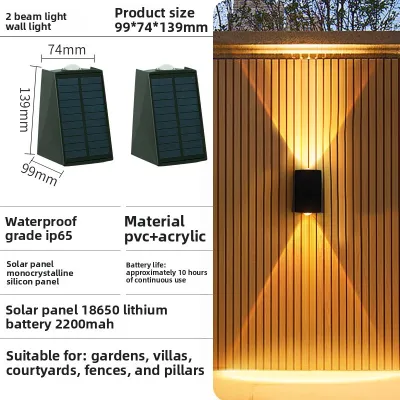
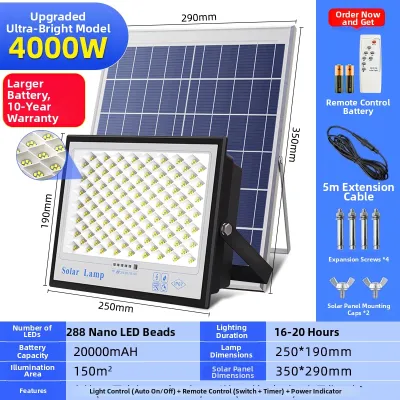
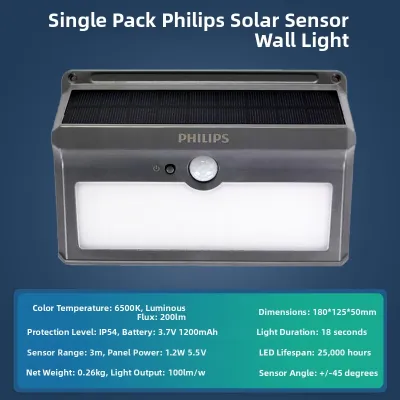
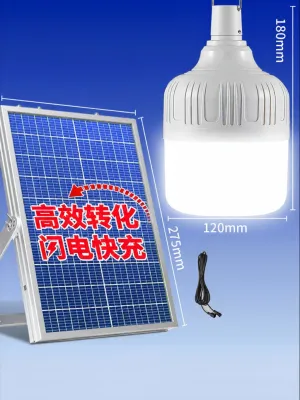
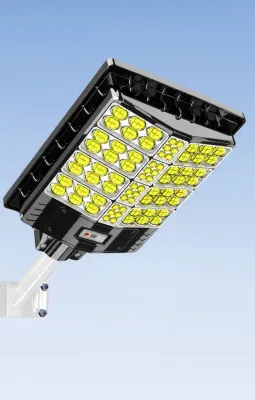
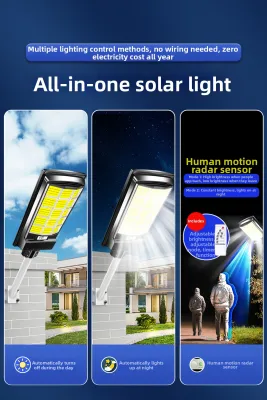
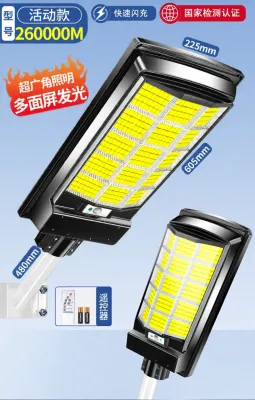
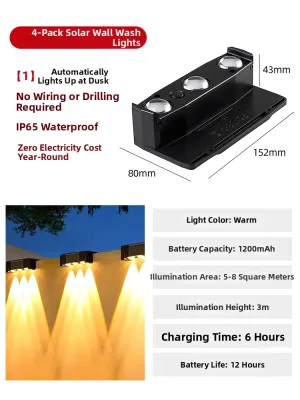
Prices are valid at publication and may change. Please refer to the product page for the latest price.
Weather resistance is the single most critical factor for outdoor installations in the Philippines. You should always verify the Ingress Protection (IP) rating of any fixture before purchasing. For basic garden and pathway installations, an IP65 rating is the recommended minimum, as it ensures protection against dust and low-pressure water jets from any angle. For areas completely exposed to heavy tropical downpours or typhoons, look for IP66 or IP67 ratings, which offer superior protection against powerful water jets and temporary submersion.
Understanding the difference between lumens and lux will help you plan your lighting layout accurately. Lumens measure the total amount of light emitted by the source in all directions, while lux measures how much of that light actually reaches a specific surface. A high-lumen light with a very wide beam angle might spread light so thin that the ground remains dim, whereas a focused beam angle concentrates those lumens to provide high surface brightness (lux) over a smaller area. Match the beam angle to your goal: wide angles (120 degrees or more) work best for general floodlighting, while narrow angles (under 45 degrees) are ideal for accentuating specific features.
Battery and solar panel technologies directly dictate how long your lights will run each night. Monocrystalline solar panels are highly recommended over polycrystalline alternatives because they boast higher energy conversion efficiency, allowing them to charge batteries even on overcast or rainy days. For energy storage, lithium-ion (Li-ion) or lithium iron phosphate (LiFePO4) batteries are vastly superior to older Nickel-Metal Hydride (NiMH) options, offering faster charging times, longer lifespans, and better performance under high ambient temperatures.
Additionally, look for fixtures that offer versatile lighting modes to conserve energy. Dusk-to-dawn sensors automatically turn the light on at sunset and off at sunrise, which is ideal for low-level ambient lighting. Motion-sensor modes keep the light dim or completely off until movement is detected, triggering a high-brightness boost that is excellent for security. Dimmable modes allow you to manually adjust the brightness to match your specific needs, helping to stretch battery life during consecutive rainy days.
Finally, always verify the technical compatibility and safety certifications of the product. Check the battery voltage, base or interface specifications, and physical dimensions to ensure they match your installation space. If the system includes a hybrid backup charging option, verify the AC wattage limits and ensure the product carries recognized electrical certifications (such as CE, RoHS, or local safety marks) to guarantee safe operation. Never rely on a generic category name as proof of safety or compatibility.
Best Solar Pathway Lights for Walkways and Driveways
Pathway lighting serves the dual purpose of safe navigation and aesthetic border definition. These fixtures are typically installed at low heights along garden paths, driveways, stepping stones, and pool decks to outline walking boundaries clearly. By casting light downward, they prevent trips and falls without creating blinding glare for people walking nearby.

Stake-mounted lights and low-profile bollard lights are the recommended choices for these areas. Stake lights are incredibly easy to install, requiring you to simply push the sharp end into soft soil or garden beds. Bollard lights offer a more permanent, architectural look and are often bolted directly onto concrete walkways or wooden decking. For pathways, look for fixtures that feature a 360-degree downward-facing light distribution or a shielded hood that directs all light toward the ground.
When evaluating performance, prioritize warm white light (approximately 3000K) to create a welcoming, comfortable ambiance. It is important to note that color temperature and spatial effects are highly subjective, conditional preferences rather than universal performance facts; while warm light is often preferred for residential landscaping, some homeowners may prefer a neutral white (4000K) for higher contrast. Ensure the stakes or mounting brackets are made of corrosion-resistant materials like heavy-duty ABS plastic, aluminum, or stainless steel to withstand constant contact with damp soil and lawn care equipment.
Keep in mind that pathway lights have distinct limitations. They are designed for low-level, localized illumination and are not suitable for high-security applications or for lighting up large, open spaces. If your pathway is heavily shaded by dense trees or house eaves during the day, standard stake lights with integrated panels may struggle to charge fully, requiring you to opt for models with adjustable solar panels that can be angled toward the sun.
Best Wall-Mounted Solar Lights for Porches and Entrances
Wall-mounted solar lights are designed for vertical surfaces near entry points, seating areas, and architectural transitions. They provide crucial illumination for front doors, patio walls, garage exteriors, and balcony railings, making these high-traffic areas safer and more functional after dark. Because they are mounted at eye level or higher, their design and light distribution must be carefully considered.
Recommended styles include wall sconces, integrated flat-panel wall lights, and split-system lights. Integrated flat-panel lights are compact and sit flush against the wall, making them excellent for narrow walkways or balconies where space is limited. Split-system lights feature a separate solar panel connected to the light fixture by a long cable, allowing you to mount the light in a shaded porch or entryway while placing the solar panel on a sunny roof or wall nearby.
For entryways, look for fixtures equipped with dusk-to-dawn sensors that provide a continuous, low-level ambient glow throughout the night. A motion-sensor boost is highly beneficial here, as it can instantly ramp up to full brightness when someone approaches the door, making it easier to find keys and identifying visitors. Adjustable mounting brackets are also valuable, allowing you to tilt the light downward to illuminate steps or outward to cover a wider porch area.
Installing wall-mounted fixtures often involves working at heights and drilling into concrete, brick, or wood surfaces. If your chosen lighting system involves fixed wiring, hybrid power backups, or damp-area installations, always isolate the power source at the main breaker before beginning work. Strictly follow the manufacturer’s installation instructions to ensure the mounting is secure and watertight. If you are uncomfortable drilling into structural walls or handling electrical connections, hire a qualified professional to complete the installation safely.
Best Solar Spotlights and Garden Lights for Landscaping
Landscape lighting is used to highlight specific outdoor features, transforming your garden into a visual highlight after dark. These fixtures are ideal for accenting mature trees, statues, water features, flower beds, or unique architectural textures on your home’s facade. Instead of flooding an entire yard with light, landscaping lights create contrast by illuminating specific focal points while leaving other areas in soft shadow.
Adjustable stake spotlights are the premier choice for this application. These fixtures feature a highly directional, focused beam angle that allows you to aim the light precisely at your target. Most models can be pushed into the ground using a stake or mounted directly onto walls or fences using screws. Look for spotlights with fully adjustable heads and solar panels, which allow you to angle the light toward the feature while angling the panel toward the sun.
To make foliage, flowers, and natural stone textures stand out, cool or neutral white light (4000K to 5000K) is highly effective, as it brings out the natural greens and blues of plants. However, this remains a matter of personal preference; warm white can be used instead to create a softer, more dramatic effect. Look for spotlights with a higher lumen output (ranging from 150 to 400 lumens) and a narrow beam angle (under 60 degrees) to ensure the light has enough throw distance to reach the upper branches of tall trees.
One of the main limitations of landscape spotlights is that they require regular adjustment. As your plants and trees grow, or as the seasons change, you will need to physically reposition the lights to maintain the desired visual effect. Additionally, because these lights are placed low to the ground and aimed upward, they are highly susceptible to being covered by falling leaves, dirt splatters from heavy rain, or growing underbrush, requiring frequent monitoring.
Best Solar Security Floodlights for Perimeters and Dark Corners
Security floodlights are high-power fixtures designed to deter intruders, illuminate blind spots, and provide maximum visibility around your property’s perimeter. They are best suited for backyards, side alleys, main gates, driveways, and dark corners where security is a primary concern. Unlike decorative lights, security floodlights prioritize raw brightness and wide area coverage.
High-lumen floodlights equipped with Passive Infrared (PIR) motion sensors are the industry standard for security. These units typically feature multiple adjustable light heads that can be angled in different directions, allowing a single fixture to cover a very wide area. The PIR sensor detects heat signatures from moving objects—such as humans or vehicles—and instantly triggers the light to shine at maximum brightness, drawing attention to any activity.
When shopping for security floodlights, look for a high lumen output (at least 1000 to 2000 lumens or more) to ensure intense illumination. A wide detection angle (120 to 180 degrees) and a long detection range (at least 8 to 10 meters) are essential for early detection. Given that these fixtures are completely exposed on roofs, eaves, or high poles, an IP66 or higher weather resistance rating is crucial to prevent water ingress during severe tropical storms.
Because security floodlights are typically mounted high up on walls or eaves to maximize their coverage area, they constitute suspended loads in damp environments. Ensure you follow all safety protocols for working at heights, including using a stable ladder and wearing appropriate safety gear. Prioritize isolating any nearby electrical feeds if you are mounting the fixture close to existing wiring. Always verify that the mounting surface can support the weight of the heavy battery pack and solar panel, and strictly follow the manufacturer’s structural guidelines or consult a qualified professional to ensure a secure installation.
Additionally, be aware of the operational limitations of solar security lights. Frequent activations caused by passing pets, swaying tree branches, or heavy traffic can drain the battery rapidly, leaving the light inactive during the later hours of the night. To mitigate this, choose models that allow you to adjust the sensor sensitivity, light duration, and detection range to minimize false triggers.
Installation and Maintenance Tips for Tropical Climates
To maximize the lifespan and daily runtime of your outdoor solar lights in a tropical climate like the Philippines, proper installation and routine maintenance are essential. The combination of intense heat, high humidity, salt air in coastal areas, and heavy seasonal monsoons presents unique challenges that can quickly degrade low-quality or poorly maintained fixtures.
When planning your installation, placement is everything. Solar panels require direct, unobstructed sunlight for at least 6 to 8 hours a day to charge the internal batteries fully. Avoid placing panels under the shadow of roofs, deep eaves, overhanging gutters, or dense tree canopies. Even partial shading on a single cell of a solar panel can drastically reduce its charging efficiency, leading to short runtimes or lights that fail to turn on entirely.
Regular cleaning is vital to keep your solar panels operating at peak efficiency. Over time, a thin film of dust, pollen, bird droppings, and air pollution will accumulate on the glass surface, blocking sunlight. Wipe the panels down at least once a month using a soft, damp microfiber cloth and clean water. Avoid using abrasive sponges, harsh chemical detergents, or dry cloths, as these can scratch the protective tempered glass or plastic coating, permanently reducing light transmission.
| Maintenance Task | Recommended Frequency | Key Focus Area |
|---|---|---|
| Panel Cleaning | Monthly | Wipe with a damp microfiber cloth to remove dust and bird droppings. |
| Debris Clearing | Weekly | Clear fallen leaves, twigs, and growing foliage blocking the panel or light. |
| Battery Inspection | Every 6 Months | Check accessible compartments for moisture, rust, or terminal corrosion. |
| Hardware Check | Before Typhoon Season | Tighten mounting screws, brackets, and secure loose stake lights. |
Battery care is another critical maintenance step, particularly in high-humidity environments where moisture can seep into battery compartments. Every six months, inspect accessible battery compartments for signs of water ingress, rust, or white powdery corrosion on the terminals. Clean any minor corrosion using a small brush and a mixture of baking soda and water, ensuring the compartment is completely dry before reassembling. If a light’s runtime drops significantly despite receiving full sunlight, the rechargeable battery has likely reached the end of its life cycle and should be replaced.
Finally, proactive storm preparation is essential for protecting your lighting investment. Before a typhoon or severe monsoon hits, take a few minutes to secure your outdoor fixtures. Temporarily remove lightweight stake lights from your garden and store them indoors to prevent them from being swept away, submerged, or damaged by flying debris. For permanently mounted wall lights and floodlights, check that all mounting screws and brackets are tightly secured to prevent the wind from tearing them loose from the walls.
Frequently Asked Questions (FAQ)
Do solar lights work during the rainy season?
Yes, outdoor solar lights will still charge and operate during the rainy season, but their performance will be noticeably reduced. Solar panels do not require bright, direct sunlight to generate electricity; they can still harvest energy from ambient daylight on cloudy or overcast days. However, because the intensity of this light is much lower, the solar panel will produce less power, resulting in a partially charged battery and shorter runtimes at night. To ensure reliable performance during the rainy season, prioritize buying fixtures with high-efficiency monocrystalline panels and larger battery capacities, and utilize energy-saving motion-sensor modes to conserve power.
Can I replace the batteries in outdoor solar lights?
Whether you can replace the batteries depends entirely on the design of the specific fixture. Many high-quality solar lights feature accessible battery compartments that allow you to easily swap out old rechargeable batteries by unscrewing a cover. When replacing these batteries, you must match the original battery’s chemistry (such as Li-ion, LiFePO4, or NiMH), voltage, and physical dimensions, while aiming for an equal or higher milliampere-hour (mAh) capacity. However, some budget-friendly or ultra-slim fixtures are completely sealed during manufacturing to achieve high waterproof ratings; once the internal batteries in these sealed units degrade, the entire fixture must be replaced.
How long do outdoor solar lights typically last?
The lifespan of an outdoor solar light is determined by its individual components, which wear out at different rates. The LED light sources themselves are highly durable and can easily last between 50,000 to 100,000 hours, which translates to over ten years of nightly use. High-quality monocrystalline solar panels typically maintain excellent efficiency for 5 to 10 years before showing signs of degradation. The rechargeable batteries are the most common failure point and generally need to be replaced every 1.5 to 3 years, depending on how often they undergo full charge and discharge cycles. Regular maintenance, such as cleaning the panels and securing fixtures during extreme weather, will significantly extend the overall lifespan of your lights.

Community discussion
Share your experience or ask a question. Comments are reviewed before publication.