
Personalized LED letter signs offer a vibrant, energy-efficient way to illuminate your personal style or elevate your brand identity. Finding the best custom sign in the Philippines requires balancing aesthetic preferences with practical considerations like local climate conditions, electrical compatibility, and installation environments. Whether you want to add a warm glow to a cozy condo bedroom, attract foot traffic to a boutique storefront, or create a photogenic backdrop for a special event, understanding the technical specifications and customization options is key to making a lasting investment.
By focusing on material durability, power safety, and clear communication with local fabricators, you can secure a high-quality sign that performs reliably. This guide walks you through the essential technologies, design choices, and safety checks needed to select, order, and install the perfect personalized LED letter sign for your space.
Understanding LED Letter Sign Technologies
To make an informed baseline choice, you must first understand the primary materials and lighting methods used in modern custom letter signs. The market is largely divided between flexible LED neon and rigid acrylic LED letters, each offering distinct visual textures and structural properties.
Products mentioned in this guide
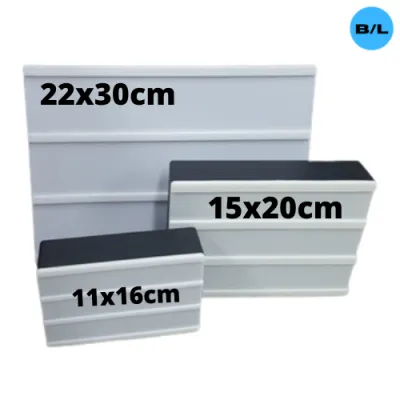
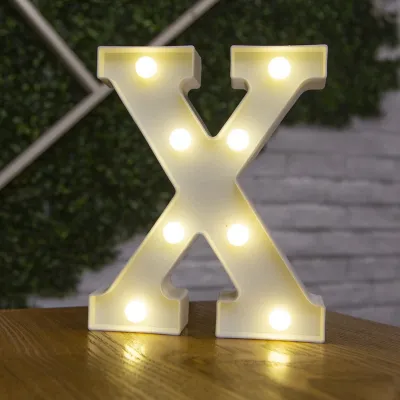
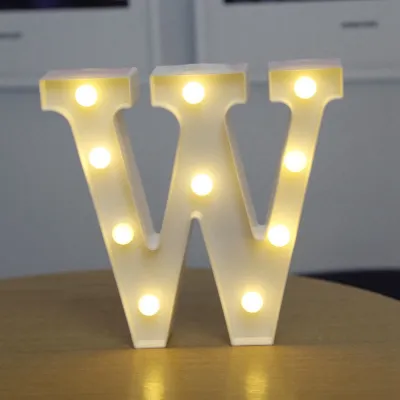
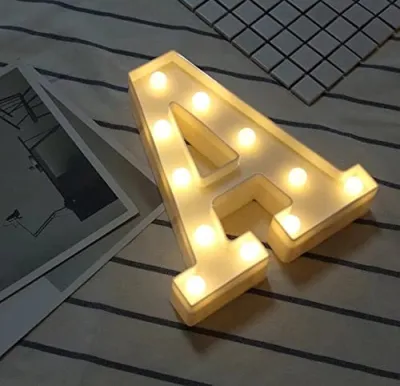
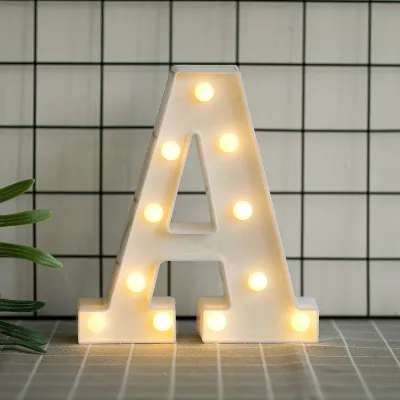
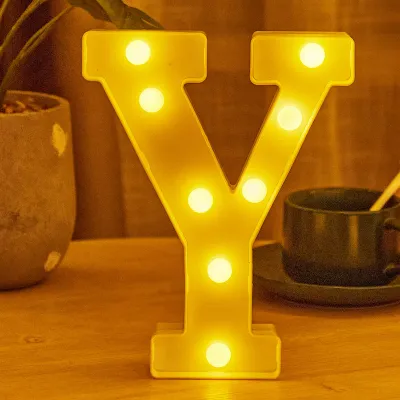
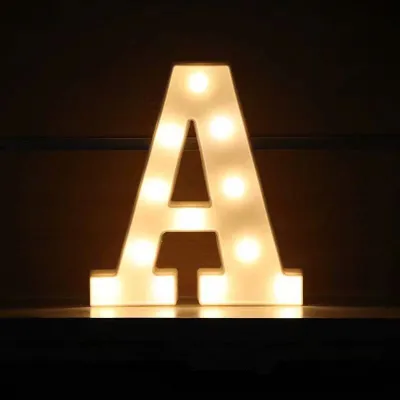
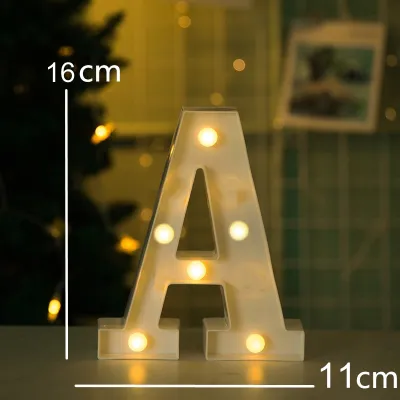
Prices are valid at publication and may change. Please refer to the product page for the latest price.
Flexible LED neon signs utilize flexible silicone or polyvinyl chloride (PVC) tubes packed with closely spaced light-emitting diodes. This design mimics the classic look of traditional glass neon but without the fragility, high voltage risks, or extreme heat generation. Silicone tubes are generally preferred over PVC in tropical climates because they offer superior resistance to yellowing and cracking when exposed to ambient heat and sunlight. The light emitted from flexible LED neon is highly diffused, creating a continuous, smooth glow that works exceptionally well for script fonts, continuous line art, and organic shapes.
Rigid acrylic LED letters, on the other hand, consist of solid acrylic sheets that are precision-cut or molded, with LED modules embedded inside or mounted behind them. This technology allows for sharp, clean edges and highly detailed block typography. Acrylic letters can be designed for face illumination, where the front of the letter glows brightly, or edge illumination, which projects light sideways to create a distinct halo effect. The visual texture of acrylic is sleek, modern, and highly professional, making it a popular choice for corporate logos and formal business signage.
In terms of durability, both materials offer excellent longevity when manufactured with quality components. Flexible silicone LED neon is highly impact-resistant and can withstand minor bumps during transport or installation, making it highly versatile. Rigid acrylic is incredibly sturdy and weather-resistant, though it can be prone to scratching if handled roughly. Maintenance for both types is relatively low, typically requiring only periodic dusting to ensure maximum light output and heat dissipation.
Matching LED Letter Signs to Your Space and Purpose
Selecting the right sign style, size, and brightness depends heavily on where and how you plan to display it. The three primary use cases—residential decor, commercial branding, and temporary events—each demand a different approach to lighting design and structural support.

While a soft, dimmable glow is ideal for a relaxing home environment, commercial spaces require high-intensity illumination to compete with ambient streetlights and sun glare. Understanding these distinct requirements ensures your sign serves its intended purpose effectively without causing visual discomfort or failing to attract attention.
Room Decor and Ambient Lighting
For personal spaces such as bedrooms, living rooms, or condo accent walls, the primary goal is to create a comfortable, inviting atmosphere. Softer color temperatures, such as warm white, peach, or pastel pink, are highly recommended to avoid eye strain in enclosed spaces. Incorporating a dimmable controller is essential for residential installations, allowing you to transition the sign from a bright daytime accent to a subtle, low-light nightlight.
Sizing should be carefully proportioned to your wall space and surrounding furniture. A sign that is too large can overwhelm a small room, while an undersized sign may look lost on a spacious wall. As a general rule, the sign should occupy roughly two-thirds of the width of the furniture piece it hangs above, such as a bed headboard or a sofa.
To make installation simple and damage-free, look for lightweight backing options. Clear acrylic backboards cut to shape are highly popular because they blend seamlessly into any wall color. Wire frames or lightweight hollow backings also offer excellent support while keeping the overall weight low enough to be mounted with heavy-duty adhesive hooks or simple wall anchors.
Business Storefronts and Branding
Commercial signage must work hard to establish brand identity and draw in customers. For business storefronts, high brightness and bold, high-contrast color choices are non-negotiable. The sign needs to remain highly visible even under bright daylight or busy street lighting, helping your business stand out in crowded commercial districts.
Typography plays a critical role in commercial readability. While cursive scripts can look elegant, they often become illegible from a distance when illuminated. Opt for clean, bold sans-serif fonts and ensure the spacing between letters is sufficient to prevent the light from blurring together into a single bright mass. Consider the average viewing distance of pedestrians and motorists to determine the appropriate letter height for your storefront.
Before finalizing any commercial design, it is crucial to check your commercial lease agreement and local building facade guidelines. Many shopping malls, office buildings, and local government units have strict regulations regarding sign dimensions, projection distances, maximum brightness levels, and operating hours. Verifying these rules beforehand prevents costly modifications or fines after installation.
Event Styling and Temporary Displays
For weddings, birthday parties, corporate launches, or temporary pop-up shops, portability and rapid setup are the top priorities. Because event venues often have strict rules against drilling into walls, freestanding designs or lightweight hanging mechanisms are highly advantageous. Look for signs mounted on self-standing acrylic bases or those equipped with pre-drilled holes for hanging from decorative arches and metal frames.
Power flexibility is another key consideration for temporary setups. Opting for low-voltage USB-powered signs or battery-operated models allows you to place the sign in the center of a room, on a photo booth backdrop, or at an outdoor reception table without worrying about trailing extension cords. These low-voltage options are highly portable and safe to handle throughout the event.
When planning your design, consider whether you want a highly personalized, single-use sign (such as a couple’s names) or a reusable, versatile phrase (such as “Better Together” or “Welcome”). Reusable designs offer excellent long-term value, as they can be rented out, resold, or repurposed as home decor after the event concludes.
Key Specifications to Check Before Ordering
Before placing an order with a local maker or an online seller, you must verify several technical specifications to ensure safety, compatibility, and product quality. Taking the time to review these details protects your investment and prevents electrical hazards.
First, verify the voltage requirements of the sign and its power adapter. In the Philippines, the standard electrical grid operates at 220V at 60Hz. Ensure the product description explicitly states compatibility with 220V input, and confirm that the seller includes a certified step-down power adapter (usually converting 220V AC to 12V or 5V DC). Operating a low-voltage LED sign directly from a high-voltage outlet without the proper transformer will instantly destroy the LEDs and pose a severe fire hazard.
Second, check the Ingress Protection (IP) rating if you plan to place the sign in a humid area, near an open window, or outdoors. For indoor residential use, a standard IP20 rating is sufficient. However, for bathrooms, covered patios, or outdoor storefronts exposed to tropical rains and high humidity, look for a minimum rating of IP65. This rating ensures the LED strips and electrical connections are sealed against dust and water splashes.
Third, inspect the physical construction details. Ask the seller about the thickness of the acrylic backing plate; a thickness of 5mm to 8mm is ideal to prevent warping over time, especially for larger signs. Ensure the backing includes pre-drilled mounting holes in logical positions to distribute the weight evenly.
Finally, clarify the warranty terms and return policies. Because personalized LED signs are custom-made to your specific text and design, most sellers do not accept returns for simple changes of mind. Confirm that the seller provides a warranty covering electrical defects, faulty power adapters, or dead LED segments upon arrival, and document the unboxing process to support any transit damage claims.
How to Order and Customize Your LED Letters
Navigating the customization process on e-commerce platforms or with local fabricators requires clear communication and precise planning. Following a structured workflow helps ensure the final product matches your creative vision.
Start by selecting a highly readable font. Avoid overly intricate, thin, or tightly looped script fonts, as the physical LED neon tubing has a minimum bending radius. If a font is too complex, the fabricator may have to simplify the shapes, which can alter the look of your design. Stick to clean lines and moderate line weights for the best illuminated results.
Accurately measure the wall or display area where the sign will hang. Do not guess the dimensions; use a physical measuring tape to determine the maximum width and height available. When communicating with the seller, provide these exact measurements and ask how they affect the scale of your text. A short word like “Home” will look much taller at a 50cm width than a long phrase like “Welcome to Our Home” at the same width.
Always request and carefully review a digital mockup or proof before authorizing production. This proof should show the exact font, layout, backing cut style (cut-to-shape, whole board, or stand), wire exit point, and color combination. Check for spelling errors, spacing issues, and the placement of the power cord, as these cannot be easily corrected once the acrylic is cut and the LEDs are glued.
Lastly, do your due diligence when choosing a seller on online marketplaces. Look for established shops with high ratings, positive customer reviews, and a robust portfolio of completed custom projects. Pay close attention to user-uploaded photos in the review section to assess the neatness of the glue work, the consistency of the illumination, and how well the seller packages the items for shipping.
Installation and Safety Guidelines
Proper installation ensures your personalized LED letter sign remains securely mounted and operates safely for years to come. Depending on the size, weight, and location of your sign, you must choose the appropriate mounting method and electrical setup.
Simple plug-in setups are highly user-friendly and can be installed without professional help. For lightweight indoor signs, you can use heavy-duty, damage-free adhesive strips or wall-mounting screws with plastic anchors. Always ensure the wall surface is clean, dry, and free of dust before applying adhesives. For heavier signs or installations on concrete or brick walls, drilling holes and using proper masonry wall plugs is necessary to prevent the sign from falling.
For large commercial signs, outdoor installations, or designs that require seamless integration without visible wires, hardwired setups are often necessary. Any installation involving direct connection to your building’s main electrical panel, running wires through walls, or working at significant heights must be handled by a qualified electrician. This ensures compliance with the Philippine Electrical Code and prevents dangerous short circuits.
Heat dissipation is another critical safety factor. While LEDs run much cooler than traditional glass neon, the power adapters (transformers) can become warm during prolonged use. Always place the power adapter in a well-ventilated area, away from curtains, bedding, or flammable materials. Avoid covering the adapter or tucking it into tight, unventilated wall cavities.
Stop your DIY installation immediately and consult a professional if you encounter any structural or electrical conflicts. These include drilling near hidden water pipes or electrical conduits, discovering unstable or crumbling wall plaster, or noticing that your power outlet sparks or feels hot to the touch when the sign is plugged in.
Frequently Asked Questions (FAQ)
Can I use a personalized LED letter sign outdoors?
Yes, you can use a personalized LED letter sign outdoors, but only if it is specifically manufactured with weather-resistant materials and carries an appropriate Ingress Protection (IP) rating. Check the product label or consult the manufacturer to verify that the sign has a minimum rating of IP65, which indicates protection against dust and water jets. Standard indoor signs will quickly fail and pose electrical hazards if exposed to rain or high humidity.
Additionally, you must protect the power adapter, controller, and electrical connections from direct weather exposure. These components are rarely waterproof and should be housed in an IP-rated weatherproof junction box or kept indoors. Keep in mind that prolonged exposure to intense tropical sunlight and UV rays can cause silicone and PVC tubing to degrade or yellow over time, so placing the sign under a canopy or awning is highly recommended to extend its lifespan.
How do I clean and maintain my LED neon or acrylic sign?
To clean and maintain your LED neon or acrylic sign safely, always begin by unplugging the power adapter from the wall outlet and allowing the sign to cool down completely. This eliminates any risk of mild electrical shock and prevents static buildup during cleaning.
Use a dry or slightly damp, clean microfiber cloth to gently wipe away dust, fingerprints, and smudges from the acrylic backing and LED tubing. Never use harsh chemical cleaners, alcohol-based solvents, glass sprays, or abrasive scrubbing pads, as these can permanently scratch the acrylic surface or degrade the flexible silicone casing. During your routine cleaning, perform a quick visual inspection to check for loose wiring connections, signs of wear on the power cord, or any flickering LED segments, ensuring everything remains in safe working order.

Community discussion
Share your experience or ask a question. Comments are reviewed before publication.