
Personalized outdoor light boxes and custom neon signs are excellent ways to elevate your home’s exterior, patio, garden, or condo balcony. In the Philippines, where tropical weather presents unique challenges like high humidity, intense solar heat, and torrential rains, selecting the right outdoor light box requires careful attention to materials and electrical safety. By understanding the key specifications of weatherproofing, you can ensure your custom sign remains vibrant and functional for years.
Quick Guide: Choosing the Right Custom Outdoor Sign
An outdoor light box or personalized exterior sign must do more than simply look appealing; it must withstand relentless environmental exposure. Unlike indoor signage, which remains in climate-controlled environments, outdoor installations face direct sunlight, high ambient temperatures, and heavy moisture. To ensure longevity, your sign must feature robust weatherproofing, durable structural materials, and sealed electrical components.
When planning your custom sign, consider how its style and scale fit your specific outdoor environment. A large, backlit acrylic panel might serve as a bold statement on a spacious garden wall, whereas a sleek, custom LED neon flex sign is often more suitable for a cozy condo balcony or a covered patio lounge. The scale of the sign should complement the surrounding architecture without overwhelming the space or creating excessive wind resistance.
Products mentioned in this guide
Prices are valid at publication and may change. Please refer to the product page for the latest price.
Your primary decision criteria should always center on technical specifications rather than aesthetics alone. Prioritize signs with a certified Ingress Protection (IP) rating to prevent water and dust entry. Ensure all plastics, silicones, and backings are UV-resistant to avoid rapid yellowing or warping under the tropical sun. Finally, verify that the entire electrical system is fully compatible with the local 220V power standard and features certified safety components.
Must-Have Features for Outdoor Durability
To survive the demanding tropical climate of the Philippines, any personalized outdoor sign must meet strict material and electrical standards. The combination of intense ultraviolet (UV) radiation, high relative humidity, and seasonal typhoons will quickly degrade substandard materials. Understanding these technical requirements helps you make an informed investment that remains safe and beautiful.

Ingress Protection (IP) Rating
The IP rating is a standardized measure of a light fixture’s resistance to environmental solids and liquids. For an outdoor light box, an IP65 rating is the minimum standard required for safe operation. The first digit, “6,” indicates complete protection against dust and solid particulates, which prevents airborne dirt from accumulating inside the sign and causing dim spots or short circuits. The second digit, “5,” signifies protection against water jets from any angle, ensuring the sign can withstand heavy tropical downpours. For highly exposed areas with no overhead cover, upgrading to IP67-rated components provides even greater peace of mind, as these can withstand temporary immersion.
UV and Heat Resistance
The intense sunlight in the Philippines can cause rapid degradation of standard plastics. When ordering a custom sign, verify that the manufacturer uses UV-stable silicone, high-grade acrylic, or polycarbonate panels. Standard PVC and low-quality plastics will turn yellow, become brittle, and crack within a few months of direct exposure to sunlight. UV-stabilized materials retain their clarity, flexibility, and color vibrancy despite prolonged exposure to solar radiation. Additionally, these materials must be rated to handle high surface temperatures, as dark-colored backings can absorb significant heat during the afternoon hours.
Power Supply and Voltage
Electrical safety is paramount when installing illuminated signs outdoors. The standard residential voltage in the Philippines is 220V at 60Hz. Your custom sign will typically use a step-down transformer or LED driver to convert this high voltage to a safer 12V or 24V direct current (DC). It is critical to confirm that this transformer is specifically rated for outdoor use (ideally IP67) and is housed in a weatherproof, ventilated enclosure. Never use an indoor-rated power adapter for an outdoor installation, even if the light box itself is waterproof, as moisture ingress into the power supply poses severe shock and fire hazards.
Backing Materials
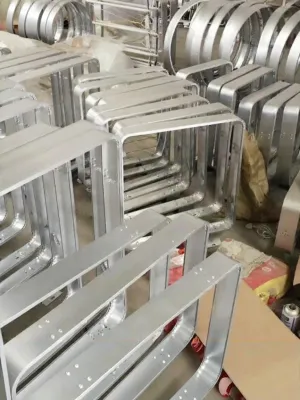
The structural backing of your sign holds the entire assembly together and must resist warping, rusting, and corrosion. Powder-coated aluminum or stainless steel frames are highly recommended for outdoor installations because they do not rust when exposed to salty coastal air or high humidity. If plastic backing is used, high-density PVC or thick, solid acrylic sheets are preferred over cheap compressed wood or thin fiberboards, which absorb moisture, swell, and rot. Ensure all assembly screws, brackets, and mounting hardware are made of stainless steel to prevent unsightly rust streaks from staining your exterior walls.
Best Types of Personalized Outdoor Lighting
Custom outdoor signs come in several distinct styles, each offering unique visual characteristics, installation requirements, and structural limitations. Selecting the right type depends on your desired aesthetic, the mounting location, and how the sign will be viewed during the day and night.
Custom LED Neon Flex Signs
Modern LED neon flex signs have largely replaced traditional glass neon for residential and light commercial outdoor applications. These signs consist of high-density LED light strips encased in a flexible, diffusing silicone or PVC sleeve. This construction provides a continuous, dot-free line of vibrant light that mimics the classic glow of gas-charged glass tubes while offering several practical advantages.
LED neon flex is highly durable, shatterproof, and operates at low voltages, making it exceptionally safe for areas where people might touch the sign, such as patio walls or balcony seating areas. It is highly customizable, allowing fabricators to bend the tubing into intricate cursive scripts, detailed logos, and complex geometric shapes. Because LEDs are highly energy-efficient, these signs consume minimal electricity and generate very little heat.
However, LED neon flex signs have specific structural limitations when installed outdoors. Because the flexible tubing lacks structural rigidity, it must be mounted to a solid backing sheet, typically clear or colored acrylic. For outdoor use, this backing must be thicker (usually 5mm to 8mm) to prevent warping under thermal expansion. Additionally, the adhesive used to secure the silicone tube to the backing must be an industrial-grade, weather-resistant silicone sealant rather than standard superglue, which fails when exposed to moisture and heat.
Backlit Acrylic Light Boxes
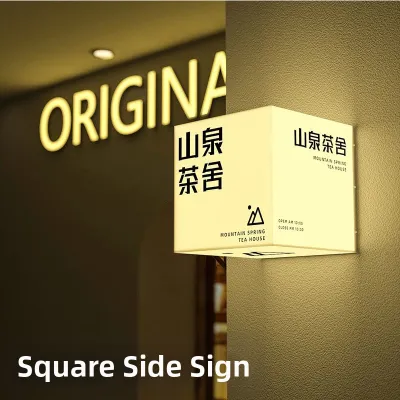
A backlit acrylic outdoor light box is a classic, highly durable format that offers excellent visibility and structural integrity. This design features a fully enclosed metal or heavy-duty plastic frame with internal LED modules that evenly illuminate a translucent acrylic front panel. The personalized design—such as a family name, house number, or custom graphic—is applied to the acrylic face using UV-printed outdoor vinyl or precision laser-cut overlays.
This style is ideal for applications requiring high legibility from a distance, making it a popular choice for front gates, driveway entrances, and exterior home facades. The enclosed design protects the internal LEDs and wiring from direct exposure to rain, wind, and pests. Backlit light boxes also offer a clean, professional aesthetic during daylight hours, as the electrical components and wiring are completely hidden inside the chassis.
The primary challenge with large acrylic light boxes is wind load. In the Philippines, where strong winds accompany seasonal typhoons, a large flat-surface sign can act like a sail. It is essential to secure the light box using heavy-duty masonry anchors and robust mounting brackets. Furthermore, because temperature fluctuations can cause humidity to condense inside the sealed box, the enclosure should feature small, baffled weep holes at the bottom to allow moisture to drain without letting rain or insects enter.
Metal Marquee Letter Signs
For a vintage, industrial, or rustic aesthetic, metal marquee letter signs offer a striking three-dimensional look. These signs consist of individual metal letter shells—often made of powder-coated steel, aluminum, or brass—fitted with exposed or recessed LED bulbs. The classic “open-face” design creates a dramatic play of light and shadow on the mounting wall, making it a popular choice for garden walls, outdoor entertainment bars, and spacious patios.
Marquee signs are highly customizable in terms of font, finish, and bulb style. You can choose warm-toned LED filament bulbs for a nostalgic, cozy glow, or vibrant colored bulbs for a festive atmosphere. Because the letters are individual units, they can be spaced out to fit large wall areas or arranged vertically to suit narrow architectural pillars.
The main limitation of outdoor marquee signs is the complexity of weatherproofing. Because the bulb sockets are exposed to the elements, each socket must feature a tight rubber gasket seal to prevent water from entering the electrical housing. The bulbs themselves must be rated for wet locations, and the heavier weight of the metal letters requires secure, rust-proof mounting anchors. Additionally, the wiring harness connecting the individual letters must be carefully routed and protected inside weatherproof conduits to maintain a clean appearance and ensure electrical safety.
Where to Order a Custom Outdoor Light Box in the Philippines
Finding a reliable fabricator for your personalized outdoor light box requires balancing custom design capabilities, material quality, and reliable after-sales support. Because outdoor signs must meet strict weatherproofing standards, working with experienced professionals is highly recommended.
Local Signage and Fabrication Studios
Collaborating with local signage workshops and specialized neon fabrication studios in the Philippines offers significant advantages. These businesses understand the local climate challenges and can recommend the best materials for your specific location. Visiting a local studio allows you to examine physical material samples, test different LED brightness levels, and discuss your design directly with a graphic artist. Furthermore, local fabricators can often provide professional installation services and offer straightforward, localized warranties that are easy to claim if a component requires servicing.
Online Marketplaces
If you choose to order through an online marketplace or ecommerce platform, diligent vetting is essential. Look for established sellers who specialize specifically in custom signage rather than general novelty items. Carefully read customer reviews, paying close attention to photos and feedback from buyers who have installed their signs outdoors. Look for comments regarding how well the sign has performed after several months of exposure to rain and sun. Avoid sellers who cannot provide clear specifications regarding the IP rating of their products or the weatherproofing of their power adapters.
What to Ask the Seller
Before finalizing your order and sending a deposit, protect your investment by asking the fabricator or seller these critical questions:
- Is the power adapter or transformer explicitly rated for outdoor use, and what is its IP rating?
- Do you offer a warranty that covers outdoor exposure, and what is its duration?
- Can you provide a digital proof or 3D mockup of the design, including wire exit points, before production begins?
- What specific materials are used for the backing and frame to prevent rusting and warping in high humidity?
- Are the electrical connections and LED strip ends sealed with waterproof silicone or heat-shrink tubing?
Installation and Safety Guidelines for Outdoor Setup
Proper installation is just as important as material quality when it comes to the safety and longevity of your outdoor sign. Incorrect mounting can lead to physical damage during high winds, while improper electrical connections pose serious safety hazards.
Preparation and Mounting
Before mounting your sign, carefully measure the space and mark the drill holes on the wall surface. For concrete, brick, or hollow-block walls common in Philippine homes, always use a hammer drill with a masonry bit and high-quality plastic wall plugs (tox) or stainless steel sleeve anchors. Ensure all mounting brackets, screws, and chains are made of stainless steel or zinc-plated steel to prevent rust. When mounting the sign, leave a small gap (about 5mm to 10mm) between the backing plate and the wall to allow rainwater to flow freely behind the sign instead of pooling against the backing material.
Electrical Safety
All outdoor electrical installations must prioritize shock prevention. Always plug your outdoor sign into an outlet protected by a Ground Fault Circuit Interrupter (GFCI) or a Residual Current Device (RCD). These safety devices instantly cut off power if a current leak is detected, protecting you from electrical shocks. Ensure all outdoor plug connections are housed inside a weatherproof, lockable outlet cover. When routing the power cable, create a “drip loop”—a simple downward loop in the cord just before it enters the outlet or connection box—to ensure rainwater runs off the bottom of the loop instead of tracking directly into the electrical socket.
Professional Boundaries
While mounting a lightweight sign on a covered patio can be a straightforward DIY project, complex installations require professional expertise. Any task involving fixed electrical wiring, routing cables through solid exterior concrete walls, installing heavy metal enclosures, or working at significant heights must be performed by a licensed electrician or qualified professional. Always isolate the power supply by turning off the main circuit breaker before handling any existing exterior wiring or making permanent electrical connections. Always check the applied product’s label and the treated item’s manufacturer instructions. If instructions conflict, the item is unidentified, or the use is not covered, stop and consult the manufacturer or a qualified professional.
Maintenance
Regular maintenance will significantly extend the lifespan of your custom sign. Periodically inspect the sign for any signs of physical damage, loose mounting hardware, or cracking in the silicone seals. To clean the sign, first turn off the power and ensure the unit is fully dry. Wipe the exterior surfaces gently using a damp microfiber cloth and mild, non-abrasive soap. Never use harsh chemical solvents, alcohol, or abrasive scrubbing pads, as these can scratch acrylic panels and degrade UV-protective coatings. Allow the sign to dry completely before restoring power.
Frequently Asked Questions (FAQ)
Can I leave my custom neon sign outside during heavy rain?
Yes, you can leave your custom neon sign outside during standard rainfall, provided the sign assembly is certified with an IP65 rating or higher and all electrical connections are properly sealed. However, the power adapter, plug, and wall outlet must be housed in a dedicated weatherproof enclosure. During extreme weather events, such as typhoons or severe tropical storms characterized by violent winds and driving rain, it is highly recommended to turn off the power, disconnect the sign, and bring it indoors. This precaution prevents physical damage from flying debris and eliminates the risk of high-pressure water breaching the weather seals.
Do outdoor light boxes require a special power supply?
Yes, outdoor light boxes require a specialized power supply that is specifically rated for outdoor or damp locations. Standard indoor power adapters are highly vulnerable to moisture, which can cause short circuits, electrical fires, or shock hazards. The outdoor power supply must convert the local 220V standard utility power to the low-voltage DC power (typically 12V or 24V) required by the LEDs. Ensure the power supply features an IP67 rating, is constructed with a sealed aluminum or heavy-duty plastic housing, and is installed in a shaded, well-ventilated area away from direct water accumulation.

Community discussion
Share your experience or ask a question. Comments are reviewed before publication.