
Selecting the right rechargeable flood light led for your garden or yard in the Philippines requires balancing brightness, battery capacity, and environmental durability. The ideal choice depends on your specific layout and lighting goals, whether you want to secure a dark driveway, illuminate a pathway, or create a relaxing patio ambiance. In the tropical Philippine climate, where heavy monsoons alternate with intense summer heat, a standard indoor light will quickly fail. You must look for specialized outdoor fixtures engineered to withstand high humidity, heavy rainfall, and elevated ambient temperatures.
To make an informed purchase, you must understand the key technical specifications that dictate performance. This guide breaks down the essential decision pillars—brightness, battery runtime, and weatherproofing—while categorizing the best options for different areas of your yard. By evaluating these factors, you can invest in a reliable, energy-efficient lighting setup that keeps your outdoor spaces safe and beautifully lit throughout the year.
Defining the "Best" Rechargeable Flood Light for Your Yard
Finding the right rechargeable flood light led is not about buying the model with the highest wattage or the lowest price. Instead, it is about matching the technical specifications of the fixture to the physical characteristics of your yard. A compact townhouse garden in Metro Manila has vastly different lighting requirements than a sprawling rural property or a coastal home exposed to salty sea breezes.
Products mentioned in this guide
![[Buy 1 take 1]58H outdoor lighting solar flood light outdoor waterproof IP68 rechargeable led lamp for room at night garden lamp for courtyard automatic with remote control](https://img.lazcdn.com/g/p/7e6ec0b943416abf93d247b796867a0c.png_400x400q80.png_.webp)
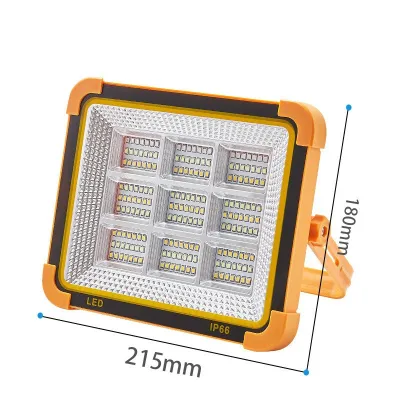
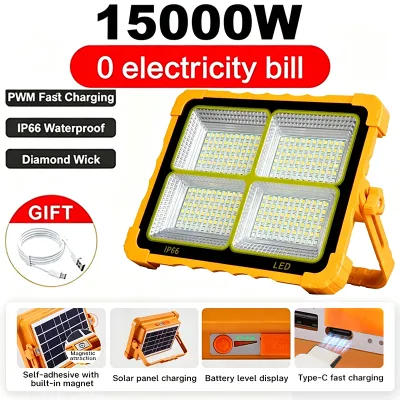
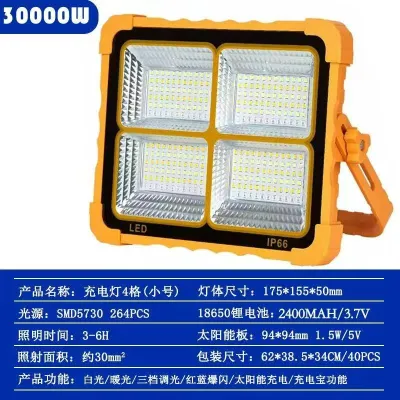
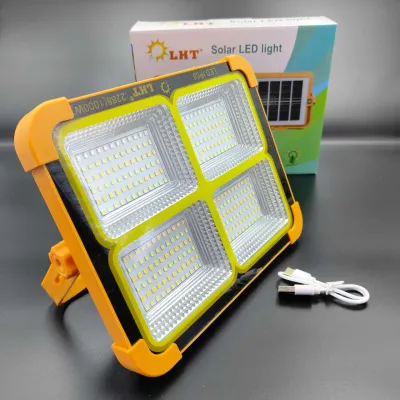
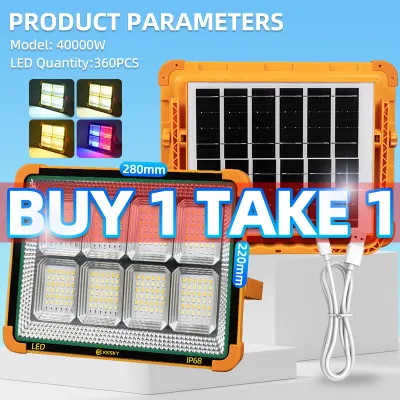
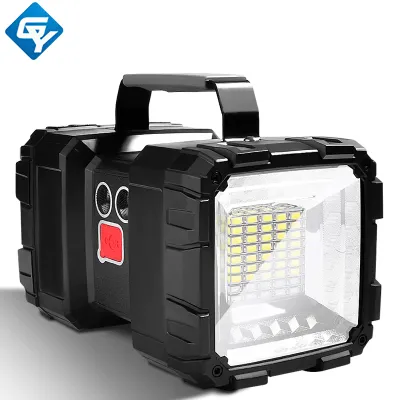
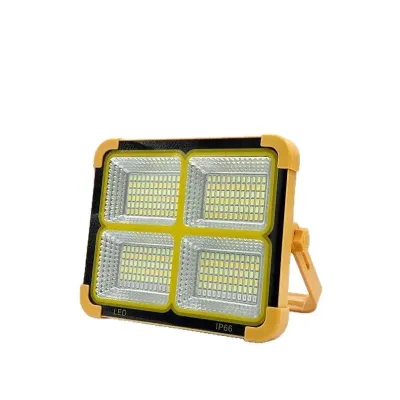
Prices are valid at publication and may change. Please refer to the product page for the latest price.
Your evaluation should begin with three primary decision pillars:
- Brightness (Lumens): Lumens measure the total amount of visible light emitted by a source. For decorative garden accents or path lighting, a lower output of 300 to 800 lumens is sufficient. For security monitoring or illuminating large driveways, look for high-output models that deliver 1,000 to 3,000 lumens.
- Battery Capacity (mAh or Wh): The battery capacity determines how long the light can operate on a single charge. This is typically measured in milliampere-hours (mAh) or Watt-hours (Wh). A larger battery capacity allows the light to run longer, but higher brightness settings will deplete this energy more rapidly.
- Weather Resistance (IP Rating): The Ingress Protection (IP) rating indicates how well the light's housing seals out dust and moisture. Because outdoor lights in the Philippines are subjected to extreme tropical downpours, verifying the IP rating is critical to preventing premature electrical failure.
You must also decide between purely mains-rechargeable models and solar-assisted rechargeable models. Purely rechargeable units are charged indoors using a USB cable or a DC power adapter and then mounted outdoors. They offer highly reliable, consistent brightness regardless of the weather, but they require you to manually retrieve and recharge them every few days. Solar-assisted models feature an integrated or detached solar panel that trickle-charges the internal battery during the day. These offer hands-off, off-grid operation, but their performance depends heavily on daily sunlight exposure.
Essential Durability Specs for the Philippine Climate
The tropical climate of the Philippines presents unique challenges for outdoor electronic devices. High relative humidity, intense solar radiation, and torrential rains can rapidly degrade poor-quality materials and compromise internal circuitry. To ensure your rechargeable flood light survives these harsh conditions, you must verify several key durability specifications before purchasing.

Water and Dust Resistance (IP Ratings)
The IP rating consists of two digits: the first represents protection against solid objects (0 to 6), and the second represents protection against liquids (0 to 9). For any rechargeable flood light installed in an uncovered garden or yard, an IP65 rating is the absolute minimum. This rating indicates the fixture is completely dust-tight and protected against water jets from any angle.
For areas fully exposed to driving monsoon rains, strong winds, and typhoons, prioritizing an IP66 or IP67 rating is highly recommended. An IP66-rated light can withstand high-pressure water jets, making it much more resilient during severe tropical storms. An IP67-rated light goes a step further, offering protection against temporary submersion in water up to one meter deep for 30 minutes. This is particularly valuable for low-lying garden beds or pathways that are prone to temporary flooding or puddling during heavy downpours.
Heat and Battery Degradation
Lithium-ion and lithium iron phosphate (LiFePO4) batteries are highly sensitive to extreme heat. Prolonged exposure to direct sunlight and high ambient temperatures can accelerate battery degradation, reducing the overall lifespan of the cells and shortening the nightly runtime. When selecting a light, look for models designed with heat-dissipating aluminum housings rather than thin plastic casings. Aluminum draws heat away from the internal battery and LED chips, keeping them running cooler.
If you plan to install a solar-assisted model in a spot that receives intense, direct midday sun, consider choosing a unit with a split design. These models feature a separate solar panel connected to the light fixture via a long cable. This setup allows you to position the solar panel in full sunlight while mounting the light fixture—and its sensitive internal battery—in a cooler, shaded area under an eave or tree canopy.
Material and Corrosion Resistance
Moisture and salt air (especially in coastal regions) can quickly rust iron-based metals, while intense ultraviolet (UV) radiation from the sun can make cheap plastics brittle and yellowed within months. To prevent structural failure, verify that the light fixture uses UV-stabilized polycarbonate plastics, stainless steel hardware, or powder-coated aluminum frames. Powder coating provides an extra protective barrier that resists chipping, scratching, and corrosion, ensuring the housing remains watertight for years.
Top Categories of Rechargeable Flood Lights by Garden Need
To choose the right light, you should categorize your garden into specific functional zones. Different areas of your yard serve different purposes, and matching the light’s features to those purposes will optimize both energy efficiency and performance.
High-Brightness Models for Security and Driveways
Security lighting requires maximum visibility to deter potential intruders and provide clear site lines for homeowners or security cameras. For these areas, you should target rechargeable LED flood lights that offer at least 1,000 to 2,000 lumens. These fixtures project a wide, intense beam of light across large open spaces, such as main gates, driveways, and dark side-yards.
Because high-brightness LEDs consume power rapidly, running them continuously at full capacity will quickly drain the battery, often within 3 to 5 hours. To balance security needs with battery conservation, prioritize models equipped with a built-in Passive Infrared (PIR) motion sensor. These sensors detect heat signatures from moving objects, keeping the light in a low-power standby mode (or completely off) until someone approaches. Once triggered, the light flares to full brightness for a set duration (usually 30 to 90 seconds) before dimming back down, allowing a single charge to last for weeks.
Long-Runtime Models for Pathways and Patios
For social areas like patios, outdoor dining spaces, and garden pathways, high-intensity security lighting can be harsh and uncomfortable. Instead, these zones benefit from softer, warmer illumination between 300 and 800 lumens. A warm white color temperature (3000K to 4000K) is ideal for these spaces, as it creates a cozy, inviting atmosphere and is gentler on the eyes during evening gatherings.
To ensure your patio lights last through long dinners and late-night conversations, look for models with large battery capacities—ideally 10,000mAh or higher. These fixtures should also feature adjustable dimming controls or multiple brightness modes. By running the light on a medium or low setting, you can easily extend the continuous runtime to 12 or even 18 hours on a single charge, ensuring reliable illumination from dusk until dawn.
Solar-Assisted Rechargeable Flood Lights
Solar-assisted rechargeable flood lights are the most convenient option for remote corners of your yard, perimeter fences, or garden beds where running electrical wiring is difficult or expensive. These systems use a photovoltaic panel to convert sunlight into electricity, storing it in the internal battery during the day so the light can turn on automatically at night.
However, you must consider the limitations of solar charging during the rainy season in the Philippines. From June to October, frequent overcast skies and heavy rains significantly reduce the amount of direct sunlight reaching the solar panel. A panel that fully charges the battery in 6 hours during the dry summer month of April may only receive a fraction of that charge during a rainy August day. To mitigate this, choose hybrid solar flood lights that include a secondary USB or DC charging port. This allows you to easily dismount the unit and charge it using a standard indoor wall outlet during prolonged periods of bad weather.
Quick Spec Guide: Matching Lights to Your Garden Zones
The following table serves as a practical planning tool to help you match the correct specifications to the different areas of your yard. Use these guidelines to verify product labels before making a purchase.
| Garden Zone | Recommended Lumens | Minimum IP Rating | Ideal Battery & Functional Features |
|---|---|---|---|
| Main Gate / Driveway | 1,000 – 2,000 lm | IP66 | PIR Motion Sensor, High-Capacity Battery, Cool White (6000K) |
| Patio / Dining Area | 300 – 800 lm | IP65 | Dimmable Settings, Warm White (3000K), USB-C Fast Charging |
| Flower Beds / Pathways | 100 – 400 lm | IP65 (IP67 if flood-prone) | Solar-Assisted Charging, Dusk-to-Dawn Auto Sensor |
| Perimeter Fences | 800 – 1,500 lm | IP66 | Split Solar Panel, Motion Sensor Override, Aluminum Housing |
Safe Installation and Maintenance for Outdoor Battery Lights
Proper installation and routine maintenance are vital to maximizing the lifespan of your outdoor rechargeable lights, preserving their waterproof seals, and preventing electrical hazards. Always read the manufacturer’s instruction manual for your specific model before beginning installation.
Placement and Mounting
When mounting your lights, ensure they are securely fastened to walls, posts, or fences using rust-resistant stainless steel screws. This prevents the fixtures from being knocked loose or damaged during strong winds and typhoons. If you are installing a solar-assisted model, position the solar panel facing south at an angle of roughly 15 to 20 degrees. This orientation maximizes daily sunlight exposure in the Philippines while allowing rainwater to run off the glass surface, naturally cleaning away dust and debris.
Never mount a light fixture in low-lying soil, deep mulch, or areas prone to standing water unless the manufacturer explicitly states the device is rated IP68. Accumulating mud and stagnant water can clog drainage paths, degrade rubber seals, and cause internal short circuits.
Battery Care and Off-Season Storage
To prolong the life of the internal lithium-ion battery, avoid letting the battery drain completely to 0% on a regular basis. If you are using a purely USB-rechargeable model, try to recharge it when the battery level drops to around 20%.
During severe weather events, such as Category 3 or higher typhoons, extreme wind-driven rain can force moisture past even high-quality IP66 seals. If your lights are mounted on portable stands or easily accessible brackets, it is highly recommended to temporarily dismount them and store them indoors until the storm passes. If a light has been exposed to extreme wet weather and you suspect water ingress, do not turn it on. Place it in a dry, well-ventilated indoor area and allow it to dry completely for several days before testing it.
Seal Integrity and Electrical Safety
Warning: Never attempt to open or unscrew the factory-sealed housing of an IP-rated outdoor light. Doing so will permanently damage the rubber gaskets and silicone seals, immediately voiding the manufacturer’s warranty and exposing the internal electronics to moisture and corrosion.
While the light fixture itself operates on safe, low-voltage direct current (DC), the charging adapters and indoor wall outlets operate on high-voltage alternating current (220V AC, 60Hz in the Philippines). Always charge your light fixtures indoors in a completely dry environment. Keep all charging cables, adapters, and indoor outlets dry and out of reach of children or pets. If you must charge a unit outdoors, you must plug the adapter into a certified, weatherproof outdoor outlet box rated IP66 or higher. If you are integrating fixed electrical wiring to power an outdoor charging station, always isolate the power supply at the main circuit breaker before installation, follow local electrical codes, and consult a qualified professional electrician.
Frequently Asked Questions (FAQ)
Can I leave rechargeable LED flood lights outside during heavy rain?
Yes, you can leave rechargeable LED flood lights outside during heavy rain, provided they have an appropriate outdoor IP rating. A minimum rating of IP65 is required to protect the light against rain showers and splashing water. For areas exposed to heavy tropical downpours and strong winds, look for IP66 or IP67 ratings. Always check the manufacturer’s label to confirm the rating before leaving a light exposed to the elements. During severe typhoons, it is best practice to temporarily bring portable or easily removable lights indoors to protect them from extreme wind-driven moisture and flying debris.
How long do the batteries in outdoor rechargeable flood lights last?
The internal lithium-ion or LiFePO4 batteries in outdoor flood lights typically last between 1.5 to 3 years, which equates to roughly 300 to 500 complete charge-discharge cycles, before their capacity begins to noticeably decline. High ambient temperatures, which are common in the Philippines, can accelerate this battery aging process. Before purchasing, check the manufacturer’s product specifications to see if the battery is user-replaceable (such as standard 18650 or 21700 lithium cells). If the unit features a permanently sealed, non-replaceable battery, the entire fixture will need to be replaced once the battery can no longer hold a charge.
Are solar-rechargeable flood lights bright enough for garden security?
Solar-rechargeable flood lights can produce high lumen outputs (1,000 lumens or more), making them bright enough for garden security. However, because they rely entirely on stored solar energy, they cannot sustain this maximum brightness continuously through the night. To use a solar flood light effectively for security, you should set it to motion-sensor mode. This allows the light to remain in a low-power standby mode and only switch to full brightness when movement is detected, conserving the battery so it remains operational even after cloudy or rainy days.

Community discussion
Share your experience or ask a question. Comments are reviewed before publication.