
Transforming a tropical garden into a vibrant, welcoming evening retreat requires the right balance of ambiance, convenience, and durability. In the Philippines, where outdoor spaces serve as natural extensions of the home for family gatherings and quiet evenings, decorative lighting plays a pivotal role. The best smart fairy lights for outdoor garden decoration are those that combine a high weatherproof rating (IP65 or higher) with reliable wireless connectivity (Wi-Fi or Bluetooth) and safe power configurations tailored to local electrical standards.
Choosing the ideal setup is not merely a matter of finding the brightest bulbs; it requires navigating the unique environmental demands of a tropical climate. High humidity, intense daytime heat, and torrential monsoon rains can quickly destroy standard indoor or poorly insulated outdoor lights. By focusing on robust technical specifications, appropriate power sources, and secure installation methods, you can select a lighting system that remains safe and beautiful throughout the year.
Smart functionality adds a layer of convenience that traditional string lights cannot match. Instead of stepping outside into a sudden downpour to unplug your lights, or relying on mechanical timers that lose sync during power interruptions, smart systems allow you to manage your garden’s ambiance directly from your smartphone. Whether you want to dim the lights for a relaxed evening, schedule them to turn off automatically at midnight, or sync them to music for an outdoor celebration, the right smart fairy lights offer complete, effortless control.
Products mentioned in this guide
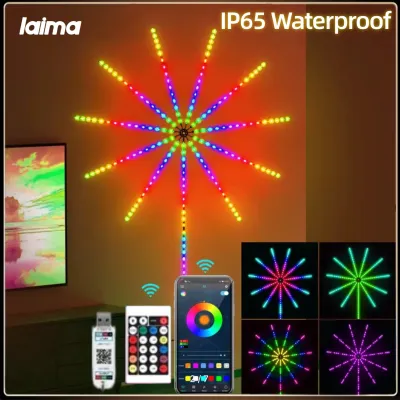
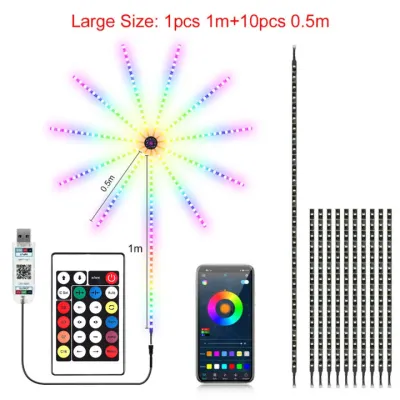
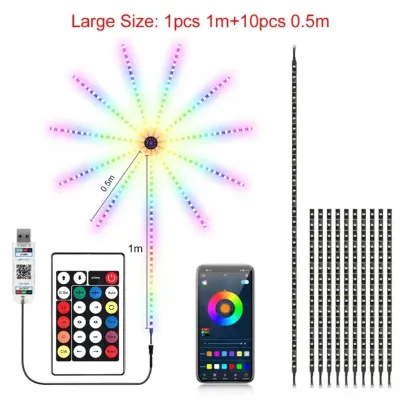
Prices are valid at publication and may change. Please refer to the product page for the latest price.
Quick Guide: What to Look for in Outdoor Smart Fairy Lights
When shopping for outdoor smart fairy lights, three critical factors should guide your decision: weather resistance, connectivity range, and power delivery. Because Philippine gardens are exposed to both intense tropical sun and heavy seasonal rains, choosing lights with an inadequate protection rating will inevitably lead to short circuits and premature failure.
Additionally, the physical layout of your home and garden dictates the type of smart control you should choose. Thick concrete exterior walls, which are standard in local residential construction, can severely degrade wireless signals, making connectivity a vital consideration.
This guide focuses on evaluating light types, technical specifications, and safety standards rather than highlighting specific commercial brands. This approach ensures you can confidently assess any product you encounter on e-commerce platforms, helping you make an informed, safe, and cost-effective purchase.
Essential Weatherproof and Smart Features to Verify
Before purchasing any smart fairy lights, it is essential to look past marketing buzzwords and verify the technical specifications printed on the product label or detailed in the manufacturer’s user manual. Understanding these key metrics ensures that your investment can withstand the elements and integrate seamlessly into your daily routine.

Understanding IP Ratings for Tropical Weather
The Ingress Protection (IP) rating is the standard measure of a product’s resistance to solids and liquids. It consists of two digits: the first represents protection against dust and solid objects, while the second indicates resistance to water. For outdoor garden installations in the Philippines, understanding these ratings is the single most important factor in preventing electrical hazards.
An IP44 rating means the lights are protected against solid objects larger than 1 millimeter and splashes of water from any direction. While suitable for covered patios, balconies, or under-eave installations, IP44 lights are not robust enough to survive direct, heavy rainfall or typhoons.
For fully exposed garden areas, such as wrapping tree trunks, lining fences, or draping over open pergolas, you must look for lights rated at IP65 or IP67. IP65-rated lights are completely dust-tight and can withstand low-pressure water jets, making them highly resilient against heavy monsoon downpours. IP67-rated lights offer even greater protection, surviving temporary submersion in water, which is highly beneficial for low-lying garden borders prone to temporary pooling during sudden storms.
Always inspect the product packaging to verify the IP rating of every component. In many cases, manufacturers will advertise a light string as waterproof, but a closer look reveals that the smart controller box, battery compartment, or plug adapter carries a much lower rating, such as IP44 or even IP20 (indoor use only). The overall safety of your lighting setup is always limited by its weakest link, so ensure that any vulnerable component is either rated for full outdoor exposure or safely housed in a weatherproof enclosure.
Smart Connectivity Options
Smart fairy lights rely on wireless communication to receive commands from your smartphone, tablet, or smart home hub. The two primary wireless protocols used for these systems are Wi-Fi and Bluetooth, each offering distinct advantages and limitations depending on your garden’s layout.
Wi-Fi-enabled smart fairy lights connect directly to your home network, allowing you to control them from anywhere with an internet connection. This is highly convenient for setting up automated schedules, linking your lights to local weather forecasts, or integrating them with voice assistants like Google Home or Amazon Alexa. However, because most smart home devices operate on the 2.4 GHz frequency band, you must ensure your home router can project a strong, stable signal through your exterior walls into the garden.
Bluetooth-enabled smart fairy lights establish a direct connection to your smartphone. This setup requires no home internet connection or router, making it incredibly easy to configure and highly reliable for remote areas of your yard. The primary drawback of standard Bluetooth is its limited range, which typically restricts control to within 10 to 15 meters of the lights. If you step inside your home or move too far away, you will lose the ability to adjust the settings unless you integrate a compatible Bluetooth mesh gateway or smart hub that bridges the connection to your home network.
When evaluating smart lighting applications, look for features that enhance your daily usage. High-quality companion apps offer stepless dimming (from 1% to 100%), color-temperature tuning (allowing you to transition from a warm, cozy yellow to a crisp, cool white), custom scene creation, and automated timers that adjust dynamically to sunset and sunrise times.
Power Sources and Voltage Safety
Choosing how your smart fairy lights are powered involves balancing convenience, operating costs, and electrical safety. The two main power options for outdoor garden lighting are solar energy and plug-in grid electricity.
Solar-powered systems are highly appealing for their ease of installation and eco-friendly operation. They require no outdoor wiring or nearby electrical outlets, completely eliminating the risk of high-voltage shocks in wet garden beds. However, their performance is entirely dependent on the availability of direct sunlight, which can be highly variable during the rainy season.
Plug-in options provide consistent, bright illumination regardless of cloud cover, but they require careful attention to electrical safety. You must verify that the plug-in adapter is designed to support the local Philippine standard of 220V AC at 60Hz. Using an uncertified or incompatible adapter can lead to overheating, electrical shorts, or permanent damage to the smart controller.
To protect your investment from local power fluctuations, look for power adapters with built-in surge protection and recognized safety certifications. Ensure the adapter has a clear safety mark, which indicates that the product has undergone rigorous testing to meet local or international safety standards.
Best Types of Smart Fairy Lights for Philippine Gardens
To choose the right smart fairy lights, it is helpful to categorize them by their power delivery and connectivity methods. This allows you to match the specific characteristics of the lights to the physical layout and environmental conditions of your outdoor space.
Solar-Powered Smart Fairy Lights
Solar-powered smart fairy lights are an excellent choice for open garden beds, perimeter fences, and landscape features located far from the main house. These systems consist of an LED light string connected to a small, ground-mounted or wall-mounted solar panel containing a rechargeable battery and an integrated light sensor.
The primary benefit of solar-powered lights is their complete independence from the electrical grid, resulting in zero operating costs. They are incredibly safe and easy to install, as there are no high-voltage cables to bury or route. Modern smart solar lights feature Bluetooth connectivity, allowing you to adjust brightness levels, select color patterns, and set timers directly from your phone when you are within range.
However, solar lights have distinct limitations in a tropical environment. They rely heavily on receiving 6 to 8 hours of direct, unobstructed sunlight daily to fully charge the internal battery. If your garden is heavily shaded by large trees, or during the peak of the monsoon season when overcast skies persist for days, the lights may run for only a few hours or fail to turn on entirely. Additionally, solar-powered LEDs generally have a lower maximum brightness compared to plug-in alternatives.
Low-Voltage Wi-Fi Smart String Lights
For large, permanent installations where consistent brightness and robust automation are required, low-voltage Wi-Fi smart string lights are the gold standard. These systems plug into a standard household outlet but utilize a step-down transformer or adapter to convert the 220V AC current into a safe 12V or 24V DC current before it reaches the garden.
Operating at a low voltage significantly reduces the risk of severe electrical shock, making these lights highly suitable for damp outdoor environments, lawns, and pathways where wires might accidentally come into contact with wet soil or garden tools. Because they draw power from the grid, they deliver constant, high-intensity illumination that does not fade over the course of the night.
The integration of Wi-Fi connectivity allows you to incorporate your garden lights into complex smart home routines. You can program them to turn on automatically at sunset, change colors to match holiday themes, or dim gradually as the night progresses. The main trade-off is the installation complexity, as you must safely route the low-voltage cables from your outdoor outlet to the garden and ensure that your Wi-Fi signal is strong enough to maintain a stable connection with the outdoor controller.
USB-Powered Bluetooth Smart Fairy Lights
USB-powered Bluetooth smart fairy lights offer a highly flexible, portable solution that is ideal for covered patios, gazebos, balconies, and temporary event decorations. These lights operate on a standard 5V DC current and can be powered by any standard USB port, including those found on weatherproof outdoor power banks, wall adapters, or portable power stations.
The ultra-low 5V operating voltage makes these lights exceptionally safe, virtually eliminating any electrical hazard. Bluetooth connectivity allows for instantaneous pairing with your smartphone, enabling quick color adjustments, dynamic lighting effects, and music-synchronization modes without the need for a home Wi-Fi network or internet access.
While highly versatile, USB-powered lights are not intended for permanent, fully exposed outdoor use. The USB connection point, power bank, and smart controller are highly vulnerable to water damage and must be kept in a completely dry, sheltered environment. Additionally, because they rely on Bluetooth, you must remain in relatively close physical proximity to the lights to change their settings or turn them on and off manually.
Safe Installation and Routing Checklist
Installing outdoor lighting requires a careful, methodical approach to ensure both personal safety and the longevity of your equipment. Follow this comprehensive checklist to install your smart fairy lights safely:
- Pre-installation inspection: Before hanging your lights, unroll the entire string on a clean, dry indoor surface. Plug the lights in and test all functions, including color changes, dimming, and smart app pairing. Inspect the entire length of the cable for any signs of damage, such as cut insulation, exposed copper wires, or loose bulb sockets.
- Secure mounting practices: When securing your lights to trees, fences, or pergolas, use UV-resistant nylon zip ties, insulated cable clips, or specialized outdoor adhesive hooks. Never use metal nails, staples, or tacks to secure the wires, as these can easily pierce the protective plastic insulation over time, leading to short circuits, water ingress, or electrical shocks.
- Elevate sensitive components: Keep all smart controllers, power adapters, and cable connections elevated at least 30 centimeters above the ground. This prevents them from being submerged in pooling water during heavy rains or damaged by lawn sprinklers. Use drip loops—a simple downward curve in the wire just before it enters an outlet or controller—to ensure that rainwater runs off the cable rather than trickling directly into the electrical connection.
- Electrical safety boundaries: Always plug your lights into an outdoor-rated outlet protected by a Ground Fault Circuit Interrupter (GFCI). If you must use an extension cord, ensure it is specifically rated for outdoor use and features a waterproof connection cover. Crucial Safety Boundary: If your installation requires hardwiring directly into your home's main electrical panel, running cables through roof spaces, or modifying exterior walls, do not attempt to do this yourself. Stop and consult a licensed electrician to ensure your setup complies with the Philippine Electrical Code.
- Optimize wireless signal: Place your smart controller as close to your home's exterior walls as possible to minimize signal blockage from concrete and steel. If you experience frequent offline issues with Wi-Fi lights, consider installing a weatherproof Wi-Fi range extender on the outside of your home to provide a dedicated, strong signal to your garden.
Maintenance Tips for Tropical Humidity and Monsoons
The tropical climate of the Philippines, characterized by high humidity, intense heat, and severe seasonal storms, presents a challenging environment for outdoor electronics. Implementing a regular maintenance routine will significantly extend the lifespan of your smart fairy lights.
- Regular cleaning: Over time, dust, pollen, bird droppings, and algae can accumulate on your light strings and solar panels. This accumulation not only reduces the brightness of the LEDs but also severely degrades the charging efficiency of solar panels. Every few weeks, wipe down the lights and solar panels with a soft, damp microfiber cloth. Avoid using abrasive scrubbing pads or harsh chemical cleaners, which can scratch the protective coatings.
- Moisture and corrosion checks: Periodically inspect the seals on your smart controller boxes, battery compartments, and plug connections. Look for any signs of internal condensation, rust, or white powdery corrosion on the metal contacts. If recommended by the manufacturer, apply a thin layer of dielectric grease to exposed pin connectors and threaded joints to create a moisture-resistant barrier and prevent oxidation.
- Storm and typhoon preparation: The Philippines experiences numerous typhoons and severe tropical storms each year. When a severe storm warning is issued, take down any loose or suspended light strings to prevent high winds from tearing the wires or slamming them against branches and structures. Bring removable components, such as solar panels, USB power banks, and plug-in controllers, indoors. For permanent low-voltage fixtures, ensure they are securely anchored to solid structures to withstand high winds.
Frequently Asked Questions (FAQ)
Can I leave smart fairy lights outside during the rainy season?
You can leave smart fairy lights outside during the rainy season only if every component of the system—including the light string, smart controller, and power supply—carries an IP65 rating or higher. If any part of the system, such as the plug adapter, is only rated IP44, it must be housed inside a certified weatherproof enclosure to prevent water ingress. During extreme weather events, such as typhoons or severe flooding, it is highly recommended to unplug and store all outdoor lighting components indoors to prevent physical damage and electrical hazards.
Do smart fairy lights use a lot of electricity?
No, smart fairy lights are highly energy-efficient because they utilize modern LED technology. A standard 10-meter LED fairy light string typically consumes between 5 to 10 watts of power. Operating these lights for 6 hours every night will consume only a minimal amount of electricity, adding a negligible amount—often less than ₱15 to ₱30 per month—to your household electricity bill. Solar-powered smart fairy lights run entirely on stored solar energy, resulting in zero operating costs.
How far can the smart app reach?
The control range of your smart fairy lights depends entirely on the wireless technology they use. Wi-Fi-enabled lights can be controlled from anywhere in the world, provided your smartphone has an active internet connection and the lights remain connected to your home Wi-Fi network. Bluetooth-enabled lights, on the other hand, establish a direct point-to-point connection with your phone, which typically limits the control range to 10 to 15 meters. Physical obstacles, such as thick concrete walls and metal security grates, can significantly reduce this range.

Community discussion
Share your experience or ask a question. Comments are reviewed before publication.