
Setting up a relaxing outdoor retreat on a compact high-rise balcony requires smart, cordless design. Finding the best solar bulb lamp involves choosing a compact, weather-resistant light source that delivers a warm, inviting glow without cluttering your limited floor area. For small condo balconies, the ideal setup combines space-efficient mounting options, a detached solar panel to bypass overhead concrete shadows, and a soft, low-lumen output that fosters relaxation.
Why Solar Bulb Lamps Work Best for Compact Balconies
Condominium balconies in urban areas are often highly restricted in square footage. Introducing traditional plug-in outdoor lighting to these tight spaces presents immediate practical challenges. Running extension cords from indoor outlets out to the balcony creates tripping hazards, blocks sliding glass doors from sealing properly, and exposes indoor-rated wiring to the elements. Drilling through exterior concrete walls to install permanent light fixtures is also strictly prohibited by most property management offices.
A wireless solar bulb lamp bypasses these hurdles entirely, providing an independent power source that requires no wiring or structural modifications. In the tropical climate of the Philippines, utilizing solar energy is highly practical due to abundant sunlight year-round. Even on overcast days, modern solar cells can capture enough ambient light to power low-draw LED bulbs for several hours.
Products mentioned in this guide
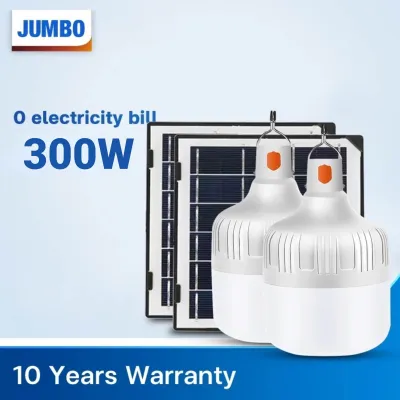
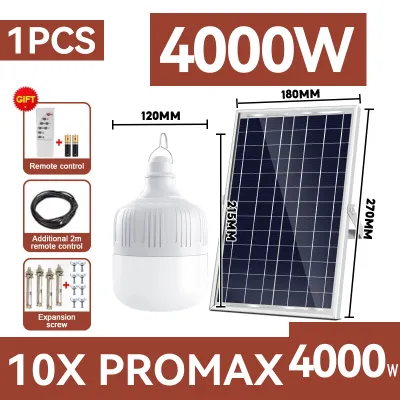
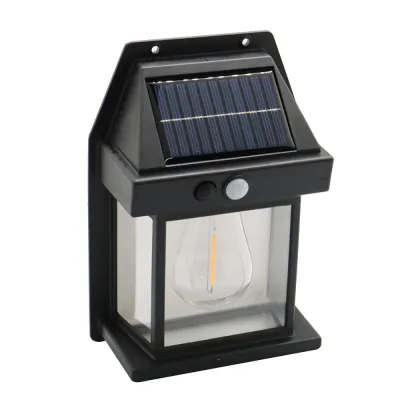
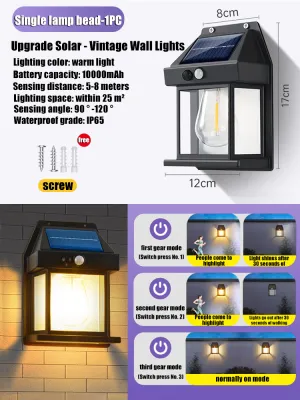
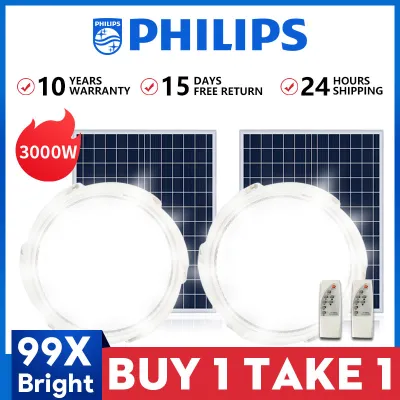
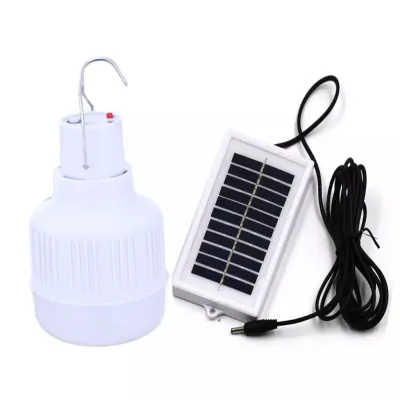
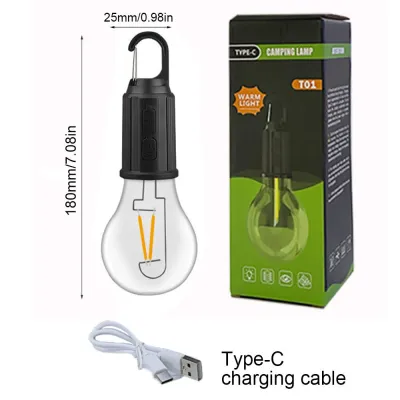
Prices are valid at publication and may change. Please refer to the product page for the latest price.
However, the local climate also demands careful consideration of seasonal weather shifts. While the dry season offers optimal charging conditions, the wet season brings heavy monsoon rains and frequent typhoons that can test the physical limits of outdoor decor. Choosing a solar lamp designed to withstand these intense weather patterns ensures your balcony remains a safe, functional retreat year-round.
Ultimately, the goal of balcony lighting is to create a cozy, warm retreat where you can unwind after a long day. Harsh, overhead utility lights installed by developers often feel sterile, casting sharp shadows that make a small space feel even smaller. Soft, warm solar bulbs provide a gentle wash of light that defines the boundaries of the balcony, making the outdoor space feel like a natural, inviting extension of your indoor living room.
Space-Saving Features to Look for in a Solar Bulb Lamp
When space is at a premium, every item placed on a balcony must justify its physical footprint. Traditional table lamps or floor-standing lanterns take up valuable real estate that could otherwise be used for a small coffee table, a comfortable chair, or potted plants. Space-matching is the practice of selecting lighting fixtures whose physical dimensions and mounting requirements align perfectly with your balcony’s layout.

Before purchasing any solar lighting, take precise measurements of your balcony’s floor area, railing height, and overhead clearance. Evaluating where shadows fall throughout the day is equally important, as this determines where the solar panel must be positioned to receive adequate sunlight. By analyzing these spatial constraints beforehand, you can avoid buying fixtures that crowd your walkway or fail to charge due to architectural shading.
Hook and Cage Designs to Maximize Vertical Space
To keep your balcony floor completely clear, prioritize solar bulb designs that utilize vertical space. Lamps equipped with built-in metal hooks, durable carabiners, or protective wire cages can be suspended easily from overhead structures, wall pegs, or railing brackets. These hanging mechanisms allow you to position the light source exactly where it is needed, such as directly over a seating area, without occupying any usable surface space.
Hanging locations like balcony ceiling beams, awning frames, or decorative wall grids are ideal for keeping walkways unobstructed. If your condo balcony lacks an overhead ceiling, you can hang the bulbs from sturdy S-hooks attached to the top of the balcony railing. Protective wire cages around the bulbs not only add a rustic, industrial aesthetic but also shield the delicate LED components from accidental bumps when moving furniture or watering plants.
Because high-rise balconies are frequently subjected to strong wind drafts, secure hanging mechanisms are absolutely essential. Standard plastic clips or thin strings can easily degrade under constant sun exposure and snap during sudden gusts of wind. Opt for heavy-duty metal carabiners, steel chains, or high-tensile zip ties to ensure the fixtures remain firmly anchored to their mounting points, preventing them from swinging violently or falling.
Detachable Panels for Shaded or Covered Balconies
One of the most common challenges in condo living is dealing with shaded or covered balconies. Because most condo units are stacked vertically, your balcony is likely covered by the floor directly above it, which severely limits the amount of direct overhead sunlight. Solar lamps with integrated panels—where the solar cell is built directly onto the top of the bulb—often struggle to charge in these environments, as they are constantly shaded by the building’s structure.
To solve this issue, look for solar bulb systems that feature a detachable solar panel connected to the light fixture by a long, weather-resistant cable, typically spanning two to three meters. This configuration allows for optimal placement of both components. You can hang the decorative bulb deep inside the shaded seating area of your balcony while mounting the solar panel on the outermost edge of the railing or wall where it can receive direct, unobstructed sunlight.
This separation of the panel and the bulb ensures reliable daily charging without forcing you to sit under direct sunlight or compromise on your preferred seating layout. When selecting a detachable model, verify that the connecting cable is rated for outdoor use and features watertight screw-cap connectors to prevent moisture from seeping into the electrical joints during heavy downpours.
Setting the Mood: Color Temperature and Brightness
Creating an intimate, relaxing atmosphere on a small balcony depends heavily on the quality of light emitted by your solar bulbs. Lighting that is too bright or has the wrong color tone can make the space feel exposed and uncomfortable, defeating the purpose of a private evening retreat.
- Color Temperature: To achieve a cozy, warm ambiance, always check the product specifications for a color temperature between 2700K and 3000K, commonly labeled as "Warm White." This range mimics the soft, golden glow of traditional incandescent bulbs or candlelight, which helps signal the brain to relax. Avoid bulbs rated at 5000K or higher, often labeled as "Cool White" or "Daylight." These higher color temperatures emit a bluish light that can feel clinical, harsh, and overly stimulating for an evening relaxation space.
- Brightness (Lumens): For a compact balcony, high-intensity lighting is unnecessary and often counterproductive. Look for solar bulbs that deliver a modest output of 50 to 150 lumens per bulb. This level of brightness is sufficient to illuminate your immediate surroundings, read a book, or enjoy a drink without causing uncomfortable glare or spilling excessive light into your neighbors' units.
- Aesthetic Styles: The physical design of the bulb also contributes to the overall decor. Vintage Edison-style solar bulbs, featuring exposed LED filaments encased in clear or amber-tinted glass, are popular for their classic appeal. These designs add a touch of sophistication to your balcony even during the day when turned off.
- Lighting Modes: When shopping for solar lighting, prioritize models that offer a reliable, steady-on mode. While flashing, strobe, or rapid fading modes can be festive for holidays, they are highly distracting and disruptive when you are trying to wind down. A constant, flicker-free light source is essential for maintaining a calm, meditative environment on your balcony.
Safe Installation and Placement for High-Rise Balconies
Installing outdoor fixtures on a high-rise balcony requires a careful balance of aesthetic preference, safety precautions, and adherence to community guidelines. Because loose items can pose a serious hazard to residents below, taking extra care during the installation process is paramount.
- Condo Administration Rules: Always consult your condominium's Property Management Office (PMO) guidelines before installing any fixtures on your balcony. Most buildings strictly prohibit drilling into exterior walls, structural columns, or balcony railings to prevent structural damage and water leaks. If drilling is banned, utilize non-invasive mounting solutions such as heavy-duty tension rods wedged between the floor and ceiling, specialized railing clamps, or UV-resistant nylon zip ties. These alternatives provide a secure hold without damaging the building's facade.
- Weatherproofing Verification: Given the high humidity and heavy rainfall experienced during the Philippine wet season, verifying the Ingress Protection (IP) rating of your solar lights is critical. Look for products with a minimum rating of IP44, which protects against splashing water from all directions. For maximum durability against driving monsoon rains, an IP65 rating is highly recommended, as it indicates complete protection against dust ingress and low-pressure water jets.
- Solar Panel Positioning: To maximize the charging efficiency of your solar panel, position it at an angle that aligns with the sun's path, typically facing south or west in the Philippines to capture the afternoon sun. Ensure the panel is not obstructed by shadows from neighboring high-rise towers, air conditioning condenser units, laundry drying racks (locally known as sampayan), or potted plants. Even partial shading on a single solar cell can drastically reduce the power output of the entire panel.
- Routine Maintenance: Urban air in busy metropolitan areas often carries dust, soot, and pollen that can settle on the surface of your solar panel over time. This accumulation of grime blocks sunlight and gradually reduces charging efficiency. To maintain optimal performance, establish a routine of gently wiping the solar panel with a damp microfiber cloth every few weeks. Avoid using abrasive sponges or harsh chemical cleaners, which can scratch the protective glass or plastic cover and permanently degrade its light-transmitting capabilities.
Common Sizing and Placement Mistakes to Avoid
To ensure your balcony lighting setup is both beautiful and safe, avoid several common pitfalls that condo residents frequently encounter when choosing and placing solar bulb lamps.
- Oversized Bulbs: It is easy to underestimate the visual impact of large, industrial-sized solar bulbs in a confined space. Bulbs that are too large can visually overwhelm a small balcony, making the area feel cluttered and cramped. Additionally, low-hanging, bulky fixtures can physically block narrow walkways, increasing the risk of accidentally bumping into them and causing damage.
- Ignoring Cable Length: When purchasing a solar lamp with a detachable panel, failing to measure the distance between the sunlit mounting spot and the shaded hanging spot is a frequent mistake. If the connecting cable is too short, you may be forced to mount the solar panel in a shaded area, resulting in poor battery charging, or hang the bulb in an awkward, inconvenient location. Always measure the path the cable will take, accounting for corners and obstacles, before making a purchase.
- Poor Wind Securing: High-rise balconies are subject to intense wind drafts, especially during the annual typhoon season. Relying on flimsy plastic hooks, thin adhesive tapes, or basic household string to secure your lights is a significant safety hazard. Strong winds can easily snap these materials, turning your solar bulbs into dangerous falling objects. Always use heavy-duty, outdoor-rated mounting hardware such as stainless steel hooks, metal carabiners, or thick, UV-stabilized zip ties.
- Overlooking Battery Capacity: The runtime of your solar light is directly determined by the capacity of its internal rechargeable battery, measured in milliampere-hours (mAh). Low-cost solar lamps often feature small, low-capacity batteries (such as 300mAh to 600mAh) that only provide one to two hours of light before fading. To ensure your balcony remains illuminated throughout the evening, look for solar lamps equipped with a battery capacity of at least 1200mAh to 2000mAh, which can reliably power the LEDs for six to eight hours on a full charge.

Community discussion
Share your experience or ask a question. Comments are reviewed before publication.