
Finding the best solar bulb lamp for your outdoor spaces in the Philippines requires balancing illumination needs with the realities of a tropical climate. The ideal solar lighting system must withstand torrential monsoon rains, high relative humidity, and intense, direct sunlight. By selecting a system with robust weatherproofing and efficient energy conversion, you can secure your property, illuminate pathways, and create a welcoming outdoor ambiance without adding a single peso to your monthly electricity bill.
Transitioning to solar power is an increasingly practical choice for Filipino homeowners. With high utility rates and occasional grid instability, independent outdoor lighting provides both financial relief and reliable security during unexpected power outages. However, because the market is flooded with various designs, understanding the technical specifications of these devices is essential to ensure you invest in a system that lasts for years rather than months.
Quick Guide: What to Look for in Outdoor Solar Bulb Lamps
Before diving into specific product types, it is helpful to establish a baseline of what makes an outdoor solar bulb lamp reliable. The primary decision factors center on three main pillars: environmental protection, energy storage, and lighting function.
Products mentioned in this guide
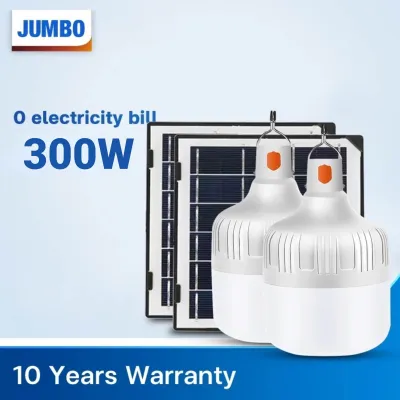
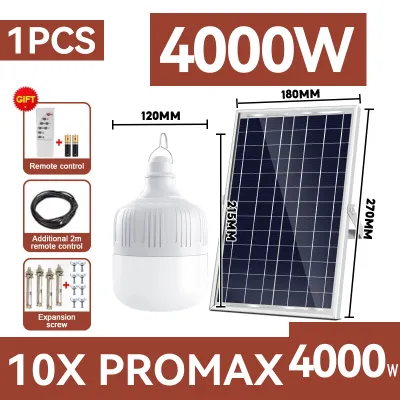
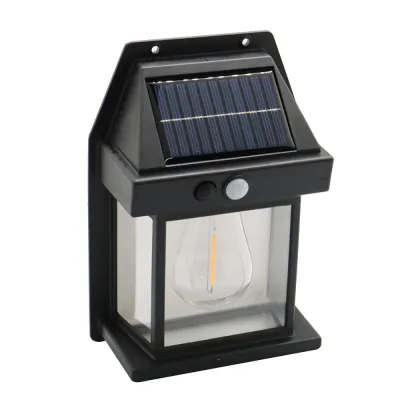
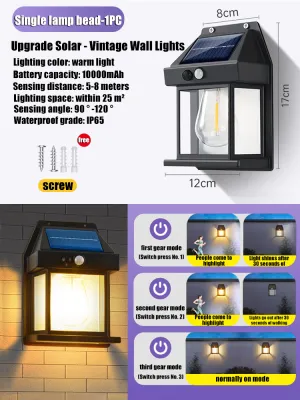
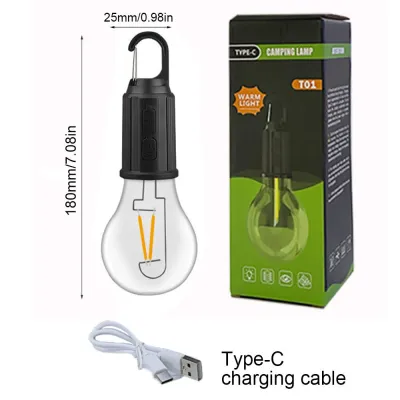
Prices are valid at publication and may change. Please refer to the product page for the latest price.
First, check the Ingress Protection (IP) rating to ensure the lamp can survive heavy downpours. Second, look at the solar panel and battery specifications, as these dictate how long the light will run after a cloudy day. Finally, match the lamp’s brightness and control features to its intended location. For instance, security lights require high-intensity output and motion sensors, while garden pathways benefit from softer, continuous ambient glow. By prioritizing these elements based on your specific layout, you can avoid common purchasing pitfalls and choose a configuration tailored to your home.
Key Features for the Philippine Tropical Climate
The Philippine climate presents unique challenges for outdoor electronic devices. High humidity, salt air in coastal regions, and extreme heat during the dry season can rapidly degrade low-quality materials. To ensure your solar bulb lamp performs reliably year-round, pay close attention to the following technical specifications.

Weather Resistance and IP Ratings The Ingress Protection (IP) rating is the standard measure of a lamp’s resistance to dust and moisture. For outdoor installations in the Philippines, an IP65 rating is the absolute minimum standard. An IP65 rating indicates that the housing is completely dust-tight and can withstand low-pressure water jets from any angle, making it highly resilient against heavy tropical rains. For areas completely exposed to severe monsoons or coastal spray, upgrading to IP66 or IP67 provides superior protection against water ingress and subsequent internal circuitry corrosion. Avoid lamps rated IP44 or lower for fully exposed outdoor areas, as these are only splash-proof and will likely fail during prolonged rainy seasons.
Solar Panel and Battery Efficiency The efficiency of your solar bulb lamp depends heavily on the relationship between its photovoltaic panel and its internal battery storage. Solar panels generally come in two types: monocrystalline and polycrystalline. Monocrystalline panels are made from high-grade silicon, offering superior energy conversion rates, particularly in low-light or overcast conditions. This makes them highly recommended for the Philippine wet season, when cloud cover can persist for days. Polycrystalline panels are more affordable but require more surface area and direct sunlight to achieve the same power output.
When evaluating the battery, prioritize Lithium Iron Phosphate (LiFePO4) chemistry over standard Lithium-ion (Li-ion) or older Nickel-Metal Hydride (NiMH) options. LiFePO4 batteries offer exceptional thermal stability, allowing them to operate safely in high ambient temperatures without swelling or degrading. Furthermore, they typically support over 2,000 charge-discharge cycles, giving them a lifespan of five to seven years, compared to the one-to-two-year lifespan of basic lithium-ion alternatives.
Brightness, Color Temperature, and Sensors Brightness is measured in lumens, which indicates the total amount of visible light emitted by the source. Security and driveway applications typically require high-output fixtures ranging from 1,000 to over 3,000 lumens. Conversely, pathway and accent lighting are much more effective at 100 to 300 lumens, preventing harsh glare in recreational spaces.
Color temperature, measured in Kelvin (K), is a conditional preference that shapes the visual environment. Cool white light (5,000K to 6,500K) offers high contrast and is ideal for security and task lighting. Warm white light (2,700K to 3,000K) creates a relaxing, cozy atmosphere suitable for gardens and patios. Additionally, integrated Passive Infrared (PIR) motion sensors are invaluable for conserving battery life. These sensors keep the light in a low-power dim mode or completely off until motion is detected, ensuring that stored energy is used efficiently throughout the night.
Recommended Solar Bulb Lamp Types by Outdoor Scenario
Different outdoor zones demand distinct lighting characteristics. Matching the right solar bulb lamp category to your specific spatial layout ensures optimal functionality and aesthetic harmony.
Solar Flood Lights for Security and Driveways
Solar flood lights are designed to illuminate large, open areas such as driveways, perimeter walls, and front yards. These fixtures feature high-lumen LED arrays and wide beam angles, often exceeding 120 degrees, to eliminate blind spots. When choosing a solar flood light, look for models with split-type configurations, where the solar panel is connected to the light fixture via a heavy-duty cable. This design allows you to mount the light under a carport or roof eave while placing the solar panel on the roof in direct sunlight.
Because flood lights are often mounted high on walls or poles, verify that the mounting brackets and hardware are made of rust-resistant materials like stainless steel or powder-coated aluminum. Ensure the installation height is sufficient to cover the target area but remains secure against strong winds during typhoon season. Most high-quality flood lights include a remote control, allowing you to adjust brightness levels, set timers, or switch between continuous and motion-activated modes without needing physical access to the fixture.
Solar Pathway and Garden Lights for Walkways
Pathway and garden lights are essential for guiding foot traffic safely along walkways, garden borders, and driveways. These lights are typically low-profile, stake-mounted fixtures designed to cast light downward to prevent glare. Because these units sit close to the ground, they are highly exposed to damp soil, grass clippings, and puddle splashes. Therefore, robust housing materials are critical.
Opt for pathway lights constructed from thick ABS plastic, stainless steel, or die-cast aluminum rather than thin, brittle plastics that degrade under intense UV exposure. Warm or neutral color temperatures are generally preferred here to enhance the natural colors of your landscaping. When installing stake lights, ensure the ground is sufficiently damp before inserting the spikes to avoid cracking the plastic shafts, and position them where they will not be shaded by growing foliage or garden ornaments.
Solar Wall and Porch Lights for Entrances
Wall-mounted solar lights provide functional illumination for front doors, gates, garage entryways, and perimeter fences. Modern designs often feature downward-facing or dual-head configurations that direct light exactly where it is needed, minimizing light pollution that could spill into neighboring windows or bedrooms.
Before purchasing, verify the compatibility of the mounting surface, whether it is concrete, brick, wood, or sheet metal. Ensure the installation location receives adequate direct sunlight during the day. If your porch or entrance is covered by a deep roof overhang, select a model with an external solar panel that can be positioned on the edge of the roof. Many wall lights feature automatic dusk-to-dawn sensors, turning on automatically as darkness falls and turning off at sunrise, providing hands-free operation and consistent security.
Solar String and Decorative Bulbs for Patios
For outdoor dining areas, patios, and pergolas, solar string lights and decorative hanging bulbs offer a charming, festive atmosphere. These systems feature a series of low-wattage LED bulbs connected along a weather-resistant cable to a single, shared solar panel and battery pack.
Since these lights are often suspended overhead, look for shatterproof bulb materials, such as heavy-duty polycarbonate or thick, treated glass, to prevent breakage during windy conditions. Ensure the cable is rated for outdoor use and has integrated hanging loops for secure mounting. Because string lights distribute power across multiple bulbs, they require a relatively large solar panel and a high-capacity battery to maintain brightness throughout the evening. Check the total length of the string and the spacing of the bulbs to ensure it fits your patio layout without putting excessive tension on the wire.
Installation and Maintenance for Long-Lasting Performance
Proper installation and routine upkeep are vital to maximizing the lifespan and efficiency of your outdoor solar bulb lamps. Even the highest-quality fixtures will underperform if they are poorly positioned or neglected.
Optimal Placement and Orientation To achieve maximum solar energy harvesting, place your solar panels in areas completely free from obstruction. Avoid shade cast by trees, neighboring buildings, walls, or roof overhangs. In the Philippines, orienting panels to face south or southwest is generally recommended to capture the maximum amount of daily solar radiation. Ensure the panel angle is tilted slightly (at least 15 degrees) rather than completely flat; this tilt allows rainwater to naturally wash away accumulated dust and debris rather than letting it pool on the glass surface.
Routine Cleaning and Debris Removal Accumulated dust, pollen, bird droppings, and salt residue can create a film over the solar panel, significantly reducing its charging efficiency. Clean the panels at least once every three months—or more frequently during the dry season. Use a soft, damp microfiber cloth or a gentle sponge with clean water to wipe down the surface. Avoid using abrasive scrubbing pads, harsh chemical detergents, or dry cloths, as scratches on the protective glass will permanently scatter sunlight and decrease energy conversion.
Battery Maintenance and Replacement All rechargeable batteries degrade over time, gradually losing their capacity to hold a charge. If you notice your solar lamp is turning off much earlier in the night than it used to, the battery may need replacement. Refer to the manufacturer’s care instructions to determine if the battery is user-replaceable. Many models use standard, accessible cells such as 18650 or 32650 lithium batteries. When replacing batteries, ensure you use the exact voltage, chemistry, and capacity specified by the manufacturer, and properly seal the battery compartment cover to maintain the fixture’s weatherproofing.
Safety and Professional Installation Boundaries While most solar bulb lamps operate on low-voltage DC power and do not require complex electrical wiring, safety precautions are still necessary during installation. Mounting heavy solar flood lights or large solar panels at significant heights requires stable ladders, proper safety gear, and secure anchoring into the wall or post. If your installation involves integrating a solar system with existing household AC wiring, or if you are uncomfortable working at heights, always consult a qualified professional or a licensed electrician. Always prioritize safety to prevent falls and ensure the structural integrity of your mounted fixtures.
Frequently Asked Questions (FAQ)
Do solar bulb lamps work during the Philippine rainy season?
Yes, solar bulb lamps will still work during the rainy season, but their performance and runtime will be reduced. On overcast or rainy days, solar panels receive indirect sunlight, which charges the battery at a much slower rate. To ensure reliable performance during the monsoon months, choose lamps equipped with high-efficiency monocrystalline solar panels and larger battery capacities. Some advanced models feature intelligent power management systems that automatically dim the light output on cloudy days to extend the operating time over multiple nights.
Can I replace the battery in a solar bulb lamp?
Whether you can replace the battery depends entirely on the design of the specific solar bulb lamp. Many mid-to-high-range models are designed with accessible, screw-secured battery compartments, allowing you to easily swap out degraded lithium-ion or LiFePO4 cells with standard replacements. However, many budget-friendly or highly compact decorative lights feature fully sealed, glued housings to achieve high waterproof ratings. For these sealed units, the battery cannot be replaced without compromising the waterproof seal, meaning the entire fixture must be replaced once the battery reaches the end of its operational lifespan. Always check the product specifications or user manual before purchasing if long-term repairability is a priority for you.

Community discussion
Share your experience or ask a question. Comments are reviewed before publication.