
Quick Answer: Creating a Cozy Balcony Vibe with Solar Capiz Lights
Decorating a condo balcony in the Philippines requires a careful balance of aesthetic appeal, weather durability, and strict compliance with property management rules. Solar capiz lights offer an elegant, eco-friendly solution that introduces a warm, tropical resort vibe to your outdoor space without the need for drilling, structural alterations, or external electrical wiring. These fixtures harness solar energy during the day to power soft, glowing LED lights at night, making them highly efficient and cost-effective.
When choosing the perfect solar capiz lights for your balcony, your primary decisions will revolve around material durability, solar charging efficiency, and weather resistance. You must decide between the delicate, natural beauty of genuine capiz shells and the rugged durability of faux capiz alternatives. Additionally, you need to evaluate your balcony’s daily sunlight exposure to choose between integrated solar panels and split-panel designs, while ensuring the product carries an appropriate Ingress Protection (IP) rating to survive the intense Philippine rainy season.
Why Solar Capiz Lights Are Ideal for Condo Living
Condominium living in major Philippine urban hubs like Metro Manila, Cebu, and Davao often comes with strict guidelines enforced by the building’s Property Management Office (PMO). Most PMOs strictly prohibit unit owners and tenants from drilling into exterior concrete walls, mounting permanent fixtures on ceilings, or running external electrical wiring across the balcony facade. These rules are designed to maintain structural integrity, prevent water leaks, and preserve a uniform building appearance. Solar-powered lights completely bypass these restrictions because they are entirely self-contained, requiring no plug-in power sources or invasive installation methods.
Products mentioned in this guide
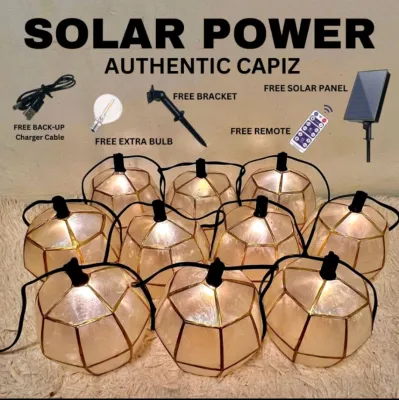
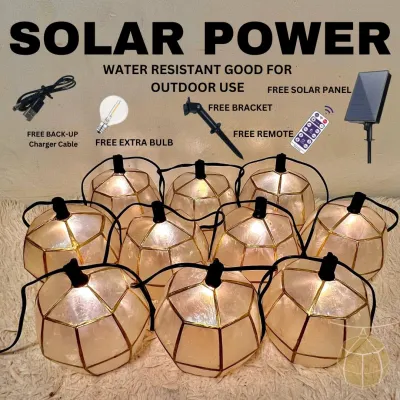
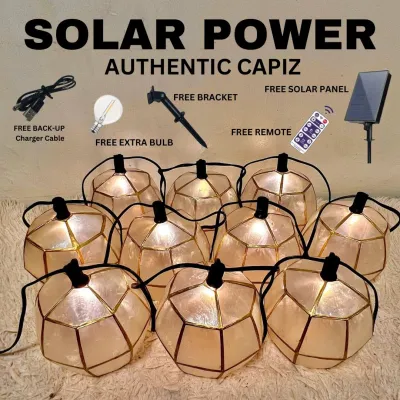
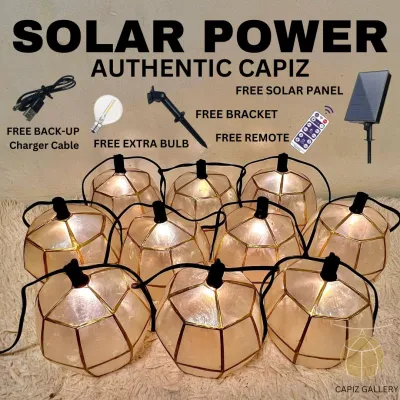
Prices are valid at publication and may change. Please refer to the product page for the latest price.

Beyond their practical, lease-friendly benefits, capiz lights carry a deep cultural and aesthetic significance in the Philippines. Crafted from the translucent shells of the windowpane oyster (Placuna placenta), capiz has been used for centuries in traditional Filipino architecture, most notably in the sliding window panes of Spanish-era ancestral homes. When integrated with modern LED technology, these shells act as natural light diffusers. Instead of the harsh, glaring light emitted by bare bulbs, capiz shells soften and scatter the light, creating a gentle, romantic glow that makes a small balcony feel cozy and inviting rather than cramped and overly bright.
This unique blend of coastal heritage and modern functionality allows high-rise residents to bring a touch of the beach resort lifestyle into the heart of the concrete jungle. Whether you are winding down after a long workday or hosting a quiet dinner on the balcony, the soft, warm illumination of capiz shells instantly transforms a utilitarian concrete slab into a relaxing personal sanctuary. By choosing solar-powered options, you also embrace a sustainable lifestyle, reducing your household’s carbon footprint and keeping your monthly electricity bills in check.
What to Check Before Buying Outdoor Capiz Lights
To ensure your outdoor lighting investment lasts for years rather than months, you must evaluate several technical and material specifications before making a purchase. The tropical climate of the Philippines presents unique challenges, including high humidity, intense UV exposure, and heavy seasonal rainfall.
Genuine vs. Faux Capiz Shells
Genuine capiz shells are prized for their authentic, organic texture, subtle iridescence, and the delicate, metallic-like clinking sound they produce when brushed by a gentle breeze. However, natural shells are inherently fragile. Over time, constant exposure to direct, intense tropical sunlight can cause natural capiz to dry out, become brittle, and lose its luster. Furthermore, heavy monsoon rains and high-velocity winds on upper-floor balconies can crack, chip, or shatter genuine shells, potentially creating sharp debris.
Faux capiz shells, typically manufactured from high-grade polyester resin, acrylic, or UV-stabilized polycarbonate, offer a highly durable alternative. These synthetic materials are engineered to mimic the translucent, pearlescent appearance of natural shells while providing superior impact resistance and weatherability. Faux capiz will not crack when knocked together by strong winds, nor will it degrade or yellow under prolonged UV exposure. When shopping on online marketplaces or at local home decor centers, carefully read the product specifications and customer reviews to verify whether the product uses genuine natural shells or durable synthetic alternatives, balancing your aesthetic preferences against your balcony’s exposure to the elements.
Solar Panel Placement and Sunlight Access
Solar lighting performance is entirely dependent on the quality and duration of sunlight the solar panel receives. Condo balconies often present a challenge because they are typically covered by deep concrete overhangs from the unit above, or they may face away from the path of direct sunlight for most of the day. To address this, you must choose the right solar panel configuration for your space.
- Integrated Solar Panels: These systems feature a small solar cell built directly into the top of the light fixture or wind chime. They are highly compact and visually clean, but they require the entire fixture to be hung in a spot that receives direct, unobstructed sunlight for several hours daily. If your balcony ceiling completely shades the fixture, an integrated panel will fail to charge the internal battery.
- Split-Panel (Detached) Systems: These models connect the light fixture to a separate solar panel via a thin, weatherproof cable that typically ranges from 2 to 5 meters in length. This design is highly recommended for shaded balconies. It allows you to hang the decorative capiz lights deep within your covered seating area while mounting the solar panel at the very edge of the balcony railing where it can capture maximum direct sunlight.
Additionally, look for solar panels utilizing monocrystalline solar cells rather than polycrystalline ones. Monocrystalline panels feature a higher energy conversion efficiency, allowing them to generate sufficient power even during overcast, cloudy days common during the wet season.
Weather Resistance and IP Ratings
Because your lights will be installed outdoors, they must be capable of withstanding the high humidity and heavy downpours of the Philippine climate. Never assume a light labeled “outdoor” is fully waterproof. Instead, look for a certified Ingress Protection (IP) rating on the product packaging or manufacturer’s specification sheet.
An IP rating consists of two digits. The first digit (ranging from 0 to 6) indicates protection against solid particles like dust, while the second digit (ranging from 0 to 9) indicates protection against liquids. For a covered condo balcony, a minimum rating of IP44 is required, which ensures the electrical components are protected against splashing water from any direction. However, if your balcony is highly exposed to driving rain, look for fixtures with an IP65 or higher rating. These units are completely dust-tight and protected against water jets, ensuring that moisture cannot penetrate the battery compartment or corrode the internal LED circuitry during severe weather.
Size, Scale, and Light Temperature
Selecting the right size and scale of your light fixtures is essential to avoid visual clutter on a compact balcony. A large, heavy capiz chandelier can easily overwhelm a small space and pose a physical hazard if it swings violently during high winds. Measure your balcony’s clearance heights and floor area before purchasing. For small balconies, opt for compact shell sizes (around 5 to 7 centimeters in diameter) and lightweight, streamlined designs that complement rather than dominate the space.
Light temperature is a matter of conditional preference, but it dramatically influences the spatial effect and perceived atmosphere of your balcony:
- Warm White (2700K to 3000K): This temperature range mimics the soft, golden glow of candlelight or sunset. It is highly recommended for relaxing outdoor spaces because it promotes a cozy, resort-like ambiance and is gentle on the eyes during nighttime use.
- Cool White (5000K and above): This range provides a bright, bluish-white light that offers high visibility. While useful for task-oriented areas, it can feel clinical, cold, and harsh in a small, enclosed balcony setting.
Best Solar Capiz Light Styles for Small Balconies
Depending on your balcony layout, seating arrangement, and personal design preferences, several distinct styles of solar capiz lights can be used to elevate your outdoor decor.
Capiz Shell String Lights
Capiz shell string lights are incredibly versatile and space-saving, making them an ideal choice for small balconies or renters who require a flexible, non-permanent setup. These strings feature a series of small, delicate capiz shells—either natural or faux—encasing individual low-wattage LED bulbs. Because they are lightweight and flexible, they can be easily draped along balcony railings, woven through the leaves of potted plants, or hung in elegant scallops along the ceiling line.
By illuminating the outer perimeter of your balcony, string lights draw the eye outward, visually expanding the perceived boundaries of your indoor living space when viewed through glass sliding doors. They distribute light evenly across the area, eliminating dark corners without consuming any valuable floor or table space. When installing string lights, ensure you use UV-resistant nylon zip ties or outdoor-rated adhesive clips to secure the wire safely without damaging building surfaces.
Solar Capiz Pendant Lanterns
If you have a dedicated dining table, a cozy reading chair, or a small bistro set on your balcony, a solar capiz pendant lantern can serve as a stunning visual centerpiece. These fixtures typically feature a single, larger hanging structure composed of multiple tiers of cascading capiz shells that surround a central solar-powered LED light source. As the light filters through the layered shells, it casts intricate, shimmering patterns across the balcony floor and walls.
Because drilling into a concrete condo ceiling is generally prohibited, you can hang these lightweight lanterns using heavy-duty, outdoor-rated non-damaging adhesive hooks or an adjustable metal tension rod wedged securely between opposite walls. Always check the manufacturer’s weight specifications for both the hook and the lantern. Remember that genuine capiz lanterns can absorb moisture and become slightly heavier when wet, so ensure your mounting system has a generous safety margin.
Capiz Wind Chimes with Integrated Solar Lights
For a multi-sensory decor experience, solar capiz wind chimes combine gentle, soothing auditory ambiance with soft, delicate illumination. These fixtures feature strands of capiz shells suspended from a circular top cap, which houses an integrated solar panel on its upper surface and a downward-pointing LED light on its underside. During the day, the shells catch the breeze, producing a gentle, musical clinking sound that helps mask distracting urban noises like traffic, sirens, or construction.
At night, the integrated light automatically illuminates, casting a soft glow down the cascading strands of shells, making them shimmer beautifully in the dark. To get the most out of this style, hang the wind chime in a corner of your balcony that receives a gentle breeze but is shielded from violent wind gusts. Avoid hanging them too close to glass sliding doors or windows to prevent the shells from repeatedly striking the glass during sudden drafts. Ensure the top solar panel has an unobstructed view of the sky to guarantee a full charge.
Condo-Friendly Installation and Tropical Weather Care
Installing and maintaining your solar capiz lights correctly will maximize their lifespan, ensure physical safety, and keep you in compliance with your condominium’s building regulations.
To achieve a secure, damage-free installation, avoid permanent fasteners like screws, anchors, or nails. Instead, utilize temporary, high-strength mounting solutions:
- UV-Resistant Nylon Zip Ties: Perfect for securing string lights or solar panels directly to metal or concrete balcony railings. Choose black or dark-colored zip ties, as they resist UV degradation from the sun much better than clear or white ones.
- Outdoor-Rated Adhesive Hooks: When mounting lightweight items on smooth surfaces like painted metal or glass, use adhesive hooks specifically rated for humid, outdoor environments. Clean the mounting surface thoroughly with rubbing alcohol and allow it to dry completely before applying the adhesive.
- Adjustable Tension Rods: For hanging pendant lanterns or wind chimes, a heavy-duty shower curtain rod or spring-loaded utility tension rod can be wedged securely between two opposite concrete walls or between the floor and ceiling. This provides a sturdy, completely drill-free overhead mounting point.
Safety must always be your top priority, especially when working at heights on high-rise balconies. Never lean over the balcony railing to install lights, route cables, or mount solar panels. If an installation step requires reaching outside the safety perimeter of your balcony, do not attempt it yourself; instead, consult a qualified professional installer who has the proper safety harnesses and equipment. For any suspended loads, double-check that all knots, clips, and adhesive hooks are rated for at least twice the weight of the fixture to prevent falling hazards that could injure residents below.
From an electrical standpoint, solar lights are incredibly safe because they operate on low-voltage direct current (typically 1.2V for Ni-MH batteries or 3.7V for Li-ion batteries), eliminating any risk of high-voltage electrical shock. However, if you ever decide to modify your setup—such as converting a solar fixture to run on mains power (220V AC in the Philippines)—you must consult a licensed electrician. Any fixed wiring in damp outdoor areas must be routed through weatherproof conduits and connected to a Ground Fault Circuit Interrupter (GFCI) outlet to prevent short circuits and fire hazards.
Regular maintenance is essential to keep your lights functioning at peak efficiency. In highly urbanized Philippine cities, airborne dust, vehicle emissions, and soot can rapidly accumulate on outdoor surfaces. A thin layer of grime on your solar panel can reduce its charging efficiency by up to 30%, resulting in dim lights and short runtimes. Every few weeks, turn off the light’s power switch, isolate the battery if the unit allows, and gently wipe the solar panel and capiz shells with a soft, damp microfiber cloth. Avoid using abrasive scrubbing pads, steel wool, or harsh chemical cleaners like ammonia or bleach, which can scratch the solar panel’s protective coating or strip the natural, pearlescent luster of genuine capiz shells.
Finally, prepare for the extreme weather events common in the Philippines, which experiences an average of 20 tropical cyclones annually. High-altitude wind speeds on condo balconies can be significantly stronger than ground-level winds due to aerodynamic wind shear around tall buildings. During active typhoon warnings, severe monsoon downpours, or high-wind alerts, it is absolutely mandatory to dismantle your outdoor decorative lights and bring them indoors. Unsecured hanging lanterns, wind chimes, and even string lights can easily be torn from their mounts, shattering the delicate shells and turning the fixtures into dangerous flying projectiles that pose a severe safety risk to people and property on the streets below.
Frequently Asked Questions (FAQ)
Do solar capiz lights work on heavily shaded balconies?
Yes, solar capiz lights can work on shaded balconies, but their performance will be significantly reduced if they rely on integrated solar panels that receive no direct sunlight. Solar panels require direct UV rays to charge their internal rechargeable batteries efficiently; ambient daylight or reflected light is usually insufficient to provide a full charge, leading to very dim illumination or a runtime of less than an hour.
To solve this issue on a shaded balcony, always opt for a split-panel (detached) solar capiz light system. This setup allows you to hang the decorative capiz fixture deep within your shaded seating area while routing the connected solar panel via its long extension cable to the very edge of your balcony railing, where it can be mounted to face the open sky and capture direct sunlight. Alternatively, if your light fixture utilizes a small, detachable solar unit, you can place the solar unit on a sunny, south-facing interior windowsill during the day to charge, and then reconnect it to the balcony lights in the evening.
How long do solar balcony lights last on a full charge?
On average, high-quality solar balcony lights will operate for 6 to 8 hours on a full charge, which is more than enough to provide beautiful ambient lighting throughout the evening. However, the exact runtime depends on several variables, including the capacity of the internal rechargeable battery (measured in milliampere-hours or mAh), the wattage and efficiency of the LED bulbs, and the amount of direct sunlight the panel received during the day.
During the peak of the dry season (Amihan), when days are long and clear, your solar lights will easily achieve their maximum runtime. Conversely, during the rainy season (Habagat), persistent cloud cover and heavy rains will limit the solar panel’s ability to fully charge the battery, which may reduce the evening runtime to 2 to 4 hours. To ensure optimal performance year-round, check the manufacturer’s product specifications before buying, and look for models equipped with high-capacity rechargeable batteries (such as 1200mAh or higher) and efficient monocrystalline solar panels.

Community discussion
Share your experience or ask a question. Comments are reviewed before publication.