
Transforming a bare concrete condo balcony into a warm, inviting outdoor retreat is a highly rewarding home improvement project. However, high-rise living presents unique challenges, particularly the lack of outdoor electrical outlets and strict condominium association rules against structural modifications. Utilizing solar-powered lighting is the most efficient way to bypass these restrictions, allowing you to establish a relaxing outdoor sanctuary completely off the grid.
When planning your balcony lighting setup, selecting high-quality fixtures like omni led solar products or similar outdoor-rated decorative lights ensures that your installation remains safe, weather-resistant, and visually cohesive. By understanding the specific technical requirements of solar fixtures—such as light temperature, battery capacity, and mounting safety—you can design a stunning, worry-free outdoor space that beautifully complements your lifestyle.
Why Solar LED Lights Are Perfect for Condo Balconies
Condominium balconies are subject to strict property management office (PMO) guidelines designed to maintain building aesthetics and structural integrity. Standard electrical installations often require drilling through exterior walls or running extension cords through sliding glass doors. Drilling can compromise the building’s waterproofing layers, leading to structural leaks, while running cords through doors prevents a tight seal, letting air conditioning escape and allowing tropical humidity, dust, and pests inside. Solar-powered LED lights completely eliminate these issues by operating as entirely self-contained, off-grid systems.
Products mentioned in this guide
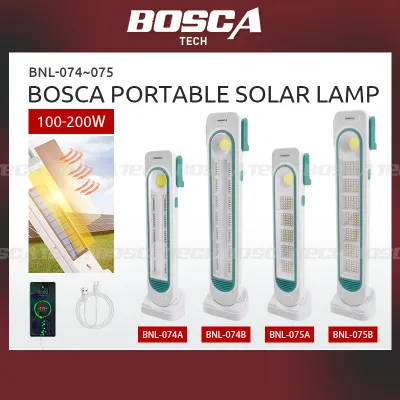
Prices are valid at publication and may change. Please refer to the product page for the latest price.
From an aesthetic perspective, solar lighting provides a clean, professional finish without the clutter of visible wiring. Traditional plug-in lights require proximity to an outlet, often resulting in unsightly cables draped across the floor or walls, which present clear tripping hazards in tight balcony spaces. Solar fixtures store their own power during the day and illuminate automatically at dusk, creating a seamless transition from day to night without manual intervention or messy cable runs.
Modern solar LED technology has evolved significantly from the cold, clinical blue-white glare of early outdoor solar models. Today, manufacturers design solar lights specifically for ambient decoration, offering warm color temperatures that beautifully replicate traditional incandescent bulbs. This shift in technology allows condo residents to enjoy a soft, flickering, or steady golden glow that instantly softens the hard concrete and steel surfaces typical of modern high-rise architecture.
Key Features to Check Before Buying Solar Balcony Lights
To ensure your selected solar lights perform reliably in a high-rise environment, you must evaluate several technical specifications before making a purchase. Balconies present unique environmental conditions, including high wind exposure, intense tropical downpours, and varying angles of sunlight. Checking these key features on the product packaging or manufacturer specification sheets will help you avoid common purchasing mistakes.

Light Temperature and Brightness
Achieving a cozy, intimate atmosphere depends heavily on the color temperature of the LEDs, measured in Kelvin (K).
- Color Temperature: Look for products explicitly labeled as "Warm White," which typically fall within the 2700K to 3000K range. Avoid "Cool White" or "Daylight" fixtures (5000K to 6500K), as these produce a stark, bright light better suited for security or task lighting rather than relaxation.
- Lumen Output: Lumens measure the total amount of visible light emitted by a source. For ambient balcony lighting, you want a gentle glow rather than intense illumination. Look for string lights or lanterns that offer between 10 and 50 lumens per fixture or bulb. Anything higher than 100 lumens per light source may cause uncomfortable glare in a confined balcony space.
Weather Resistance and Safety
Because your lights will be exposed to the elements year-round, verifying their build quality and water resistance is essential for long-term safety.
- IP Ratings: The Ingress Protection (IP) rating indicates how well the fixture prevents water and dust from entering the electrical housing. Look for a minimum rating of IP44 for semi-covered balconies. For open balconies fully exposed to heavy tropical rains and high humidity, prioritize fixtures rated IP65 or higher.
- Wind and Impact Resistance: High-rise balconies experience significantly stronger wind gusts than ground-level gardens. Ensure that any hanging or mounted fixtures are made of shatterproof materials, such as heavy-duty polycarbonate instead of thin glass, to prevent dangerous debris if a fixture is blown loose.
Mounting and Installation Boundaries
Most condo associations prohibit permanent alterations to exterior walls, ceilings, or railings, meaning your installation methods must be completely reversible and damage-free.
- No-Drill Solutions: Seek out fixtures that utilize heavy-duty plastic tension clamps, adjustable brackets, or integrated hanging loops. These allow you to secure lights directly to metal or concrete railings without drilling holes.
- Damage-Free Adhesives: If you must mount light panels or small fixtures to exterior walls, use high-strength, outdoor-rated, weather-resistant adhesive strips or suction cups designed for rough surfaces. Always test these on a small, inconspicuous area first to ensure they do not peel the exterior paint or finish upon removal.
- High-Altitude Security: Never rely on lightweight tape or weak clips. Always backup your mounts with UV-resistant nylon zip ties wrapped securely around the balcony railing to prevent fixtures from falling and causing injury or property damage below.
Battery and Charging Specifications
Since solar lights rely entirely on stored energy, the internal battery type and capacity dictate how long your cozy atmosphere will last into the evening.
- Battery Chemistry: Most modern solar lights use either Nickel-Metal Hydride (NiMH) or Lithium-ion (Li-ion) rechargeable batteries. Li-ion batteries are generally preferred for high-rise environments as they charge faster, have a longer lifespan, and hold a charge more efficiently through cloudy days.
- Capacity and Run Time: Check the milliampere-hour (mAh) rating on the product label. A higher mAh capacity indicates the battery can store more energy. For a reliable six to eight hours of evening illumination, aim for a battery capacity of at least 1200mAh for string lights and 600mAh for smaller individual accent lights.
Top Solar LED Light Types for a Warm, Cozy Vibe
Different styles of solar lighting serve distinct visual and functional purposes on a balcony. Combining these types allows you to layer your lighting, creating depth and a more sophisticated design. Here are the most effective solar LED light categories designed to maximize the cozy ambiance of your outdoor space.
Solar String and Fairy Lights
Solar string and fairy lights are the most popular choice for balcony decoration due to their incredible versatility and low-profile design. Draping these lights along the perimeter of your balcony railing or weaving them through potted tropical plants creates a soft, diffused glow that visually expands the space. The tiny, sparkling points of light mimic a starry night sky, instantly softening the solid lines of your condo’s architecture.
When choosing between styles, consider the structural support available on your balcony. Copper wire fairy lights are incredibly lightweight and highly flexible, making them ideal for wrapping tightly around delicate plant stems, small trellises, or thin metal railings. However, for spanning longer distances across a ceiling or wrapping thick concrete balustrades, commercial-grade string lights featuring thicker, insulated cables and heavy-duty, shatterproof plastic bulbs are much more durable and weather-resistant.
One key limitation of solar string lights is the placement of the solar panel. Because the panel is physically connected to the end of the light string, you must ensure the cable is long enough to allow the panel to be positioned in an area that receives direct sunlight. On narrow, deeply recessed balconies, this may require running the lead wire to the very edge of the railing while keeping the decorative bulbs tucked safely inside the shaded seating area.
Solar Lanterns and Hanging Pendants
Solar lanterns and hanging pendants add structural interest and classic decorative charm to your balcony layout. Placing a pair of lanterns on a small bistro table or on the floor next to outdoor seating creates intimate, localized pools of light that encourage relaxation. These fixtures work exceptionally well as focal points, drawing the eye to specific areas of your balcony design.
When shopping for these fixtures, look for reputable options such as omni led solar lanterns or similar outdoor-rated decorative brands that offer robust construction and high-quality solar cells. Many of these lanterns feature intricate cutout patterns in metal, wood, or durable composite materials, casting beautiful, decorative shadows across your balcony floor and walls when illuminated. This shadow play adds an extra layer of visual texture and warmth to the space.
An outstanding advantage of solar lanterns is their self-contained design. The solar panel is typically integrated directly into the flat top or lid of the lantern itself. This design eliminates dangling wires and makes the fixtures highly portable, allowing you to easily move them to the sunniest spot on your balcony during the day to charge, then place them back on your outdoor table or hang them from ceiling hooks once the sun goes down.
Solar Railing and Clip-on Lights
Solar railing and clip-on lights are low-profile, highly functional accent fixtures designed to define the boundaries of your balcony without taking up valuable floor or table space. These lights typically feature downward-directed LEDs that illuminate the floor or the railing itself, providing essential safety lighting while maintaining a subtle, low-glare ambiance.
Because these lights point downward, they help prevent light pollution from disturbing your neighbors in adjacent or opposite condominium units. This focused light path ensures your balcony remains private and cozy, avoiding the harsh glare that horizontal or upward-pointing spotlights can create. They are perfect for creating a clean, modern aesthetic that emphasizes the clean lines of your balcony structure.
Before purchasing railing or clip-on lights, it is vital to measure the thickness and shape of your balcony railing. Railings can vary widely, from wide, flat concrete capstones to round or square metal bars. Ensure the mounting brackets or clamps included with the lights are adjustable and can be tightened securely. For high-rise installations, adding a safety wire or heavy-duty zip tie is highly recommended to guarantee the fixture cannot fall during high wind events.
Solving Common Solar Charging Issues on High-Rise Balconies
While solar lighting is highly convenient, the structural design of condominium buildings can sometimes hinder charging efficiency. Understanding these environmental limitations allows you to implement smart workarounds to keep your balcony beautifully lit throughout the year.
The Shaded Balcony Problem
Many condominium balconies face inward toward central courtyards, are deeply recessed under the concrete floor of the unit above, or are shaded for most of the day by neighboring high-rise towers. This architectural shading prevents integrated solar panels from receiving the direct sunlight required to fully charge their internal batteries, often resulting in dim lights or fixtures that turn off after only an hour or two of operation.
Split-Panel Solutions
To overcome heavy shading, prioritize solar light systems that feature a split-panel design. Instead of having the solar panel attached directly to the light fixture, these systems connect the lights to a separate solar panel via a thin, weatherproof extension cable, often ranging from three to five meters in length. This setup allows you to install your decorative string lights or lanterns deep within the shaded, cozy seating area of your balcony while mounting the solar panel at the absolute outer edge of the railing where it can capture maximum daily sunlight.
Hybrid Charging Options
During the prolonged monsoon season or consecutive cloudy weeks in the Philippines, solar panels may struggle to collect enough energy regardless of their placement. To ensure uninterrupted ambiance, look for solar lights that feature hybrid charging capabilities, such as an integrated USB input port. This feature allows you to detach the solar panel or the light unit itself, bring it indoors, and charge it via a standard USB cable and wall adapter, ensuring your balcony remains illuminated even during extended periods of bad weather.
Panel Maintenance and Cleaning
High-rise buildings in urban areas are constantly exposed to airborne dust, vehicle emissions, and construction debris, which gradually form a thin, gray film over solar panels. This accumulation of urban grime can reduce a solar panel’s charging efficiency by up to thirty percent over time. To maintain peak performance, make it a habit to gently wipe the surface of your solar panels once a month using a soft, damp microfiber cloth. Avoid using abrasive scrubbing pads or harsh chemical cleaners, as these can scratch the protective plastic coating, permanently diffusing sunlight and reducing the panel’s power output.
Quick Comparison: Matching Light Types to Your Balcony Layout
To help you determine the best lighting configuration for your specific balcony size and layout, use the comparison table below as a practical planning guide.
| Light Type | Best Balcony Layout | Primary Mounting Style | Atmosphere Created |
|---|---|---|---|
| Solar String & Fairy Lights | Long, narrow balconies; high-walled balconies | Wrapped around railings, woven through plants, or hung with adhesive hooks | Whimsical, festive, and evenly distributed ambient warmth |
| Solar Lanterns & Pendants | Square or spacious balconies with seating areas | Freestanding on tables/floors or suspended from existing ceiling hooks | Intimate, localized, and decorative with rich shadow patterns |
| Solar Railing & Clip-on Lights | Compact balconies; minimalist or modern designs | Adjustable screw clamps or heavy-duty zip ties on metal railings | Clean, modern, downward-focused safety and perimeter accenting |
When setting up your balcony lighting, always prioritize safety by ensuring all fixtures are securely anchored against high winds. By carefully checking IP ratings, choosing the correct warm color temperatures, and selecting the right fixture types for your layout, you can easily create a beautiful, sustainable, and incredibly cozy outdoor retreat right at home.

Community discussion
Share your experience or ask a question. Comments are reviewed before publication.