
Why Solar Light Posts Solve Condo Balcony Lighting Challenges
Condominium balconies in the Philippines offer a personal pocket of the outdoors, a place to unwind after a busy day in Metro Manila or Cebu. However, transforming these concrete platforms into cozy, ambient retreats presents unique structural and regulatory challenges. Most standard condominium units are built with solid concrete exterior walls and floors, which are difficult to drill into without specialized tools. More importantly, drilling into these structural surfaces is almost always strictly prohibited by condo corporation rules and deed of restrictions to preserve building integrity and uniform aesthetics.
Furthermore, outdoor electrical outlets are a rarity on typical Philippine condo balconies. Installing a traditional wired light fixture would require running extension cords through sliding glass doors, which compromises home security, lets air conditioning escape, and creates a tripping hazard. Retrofitting permanent outdoor wiring is incredibly costly and usually requires formal board approvals that are difficult to secure.
This is where solar light posts offer an ideal, hassle-free solution. Because they operate entirely on solar energy captured during the day, they require absolutely no electrical wiring, external outlets, or grid power. They are self-contained units that can be positioned, adjusted, and maintained without making a single permanent modification to your balcony’s walls or floors. By choosing the right solar post style, you can bypass strict property management restrictions entirely while still achieving a warm, inviting glow that elevates your outdoor space from a stark concrete utility area into a relaxing evening sanctuary.
Products mentioned in this guide
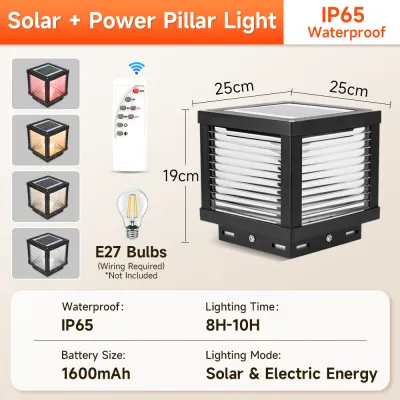
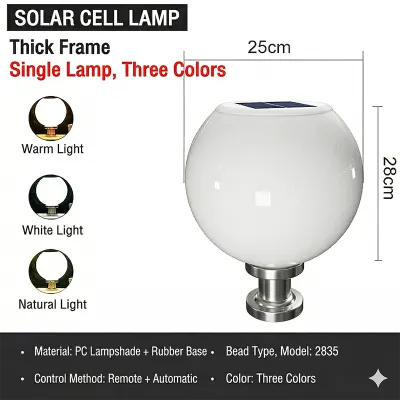
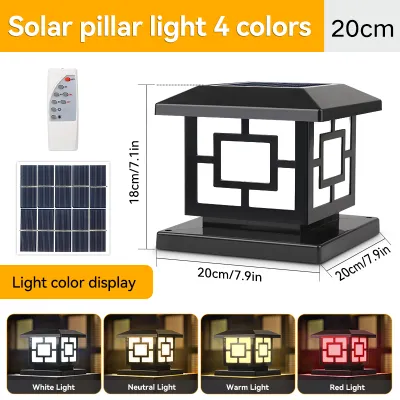
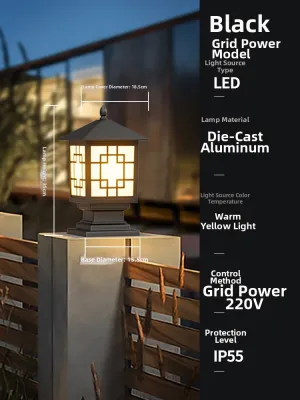
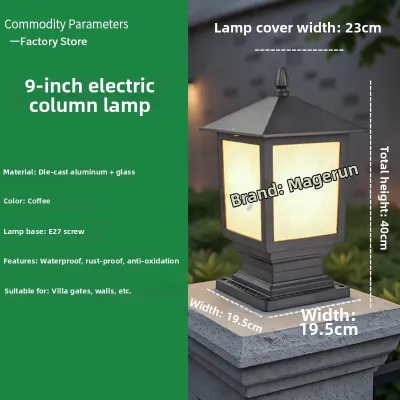
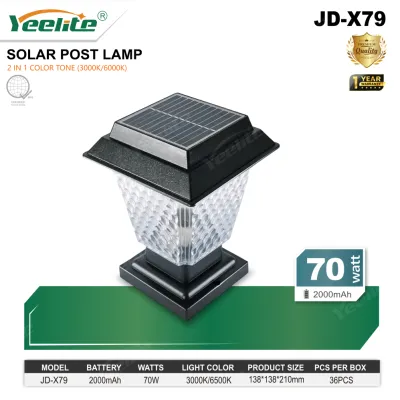
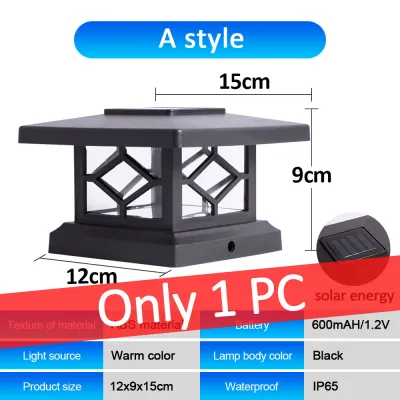
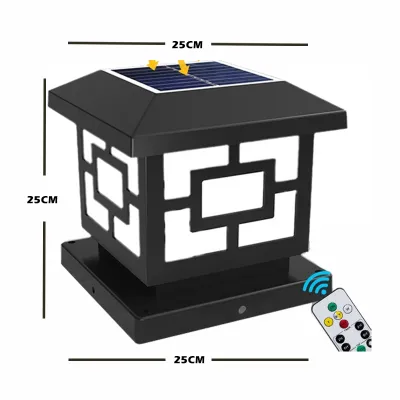
Prices are valid at publication and may change. Please refer to the product page for the latest price.
Ambient lighting on a balcony is not about floodlighting the space for high visibility; rather, it focuses on creating a soft, low-glare atmosphere that encourages relaxation. Unlike harsh security floodlights that can blind you and disturb your neighbors, ambient solar posts cast a gentle, localized radiance. This subtle illumination outlines the boundaries of your balcony, highlights potted tropical plants, and provides just enough light to read a book or enjoy a quiet conversation under the night sky.
Crucial Specs to Check Before Buying Balcony Solar Lights
Before purchasing any solar light post for your condominium balcony, it is essential to understand that not all outdoor fixtures are created equal. Because a balcony is a highly exposed, elevated environment subject to intense tropical weather, choosing a light based solely on its appearance can lead to premature product failure or safety hazards. Verifying specific technical details on the product packaging or manufacturer specification sheet will ensure your investment remains safe, durable, and effective.

Drill-Free Mounting and Property Rules
The first and most critical factor to evaluate is how the solar light post will be secured. Before browsing online marketplaces or visiting local home improvement stores, obtain a copy of your condominium’s house rules or consult your property management office. Many property associations have strict guidelines regarding the height of balcony items, color uniformity when viewed from the street, and any attachments to the building’s facade or railings.
For renters and owners alike, drill-free mounting mechanisms are the safest path to compliance. Look for fixtures that offer alternative securing methods. Railing-clamp models use heavy-duty adjustable brackets to grip the existing metal or wooden balusters without damaging the finish. Freestanding models rely on weighted bases that sit directly on the floor, utilizing gravity rather than mechanical fasteners to stay upright.
It is highly recommended to avoid relying solely on double-sided adhesive tapes or light-duty glues to secure tall, top-heavy solar posts. The combination of high humidity, intense tropical heat, and sudden wind gusts can cause adhesives to degrade rapidly, posing a severe risk of the fixture falling from a high-rise balcony onto common areas or pedestrian paths below. Always opt for mechanical clamping or substantial physical weights to keep your fixtures securely anchored.
Tropical Weather and Rust Resistance
The Philippine climate presents a demanding environment for outdoor electronics. Balconies are subjected to a harsh cycle of intense, direct afternoon sun, high ambient humidity, and torrential rains during the monsoon season. To ensure your solar light post survives these conditions, you must verify its Ingress Protection (IP) rating.
The IP rating consists of two digits: the first measures protection against solid particles like dust, and the second measures protection against liquids. For a semi-covered balcony that receives occasional wind-driven rain, a minimum rating of IP44 is generally acceptable. However, if your balcony is completely open to the elements or located on a high floor where rain falls horizontally during storms, look for fixtures rated at IP65 or higher. An IP65 rating indicates the light is completely dust-tight and can withstand water jets from any angle, ensuring the internal circuitry remains dry.
Material selection is equally vital for longevity. Avoid cheap, untreated ferrous metals that will rust within a single rainy season. Instead, verify that the post and housing are constructed from corrosion-resistant materials such as:
- Anodized or powder-coated aluminum: Lightweight, structurally strong, and highly resistant to rust.
- Stainless steel (preferably 304 or 316 grade): Offers excellent durability against moisture and salt-heavy air if you live in a coastal city.
- UV-stabilized polymers or high-impact ABS plastic: These materials will not rust and are formulated to resist cracking or yellowing under intense ultraviolet exposure.
Additionally, check the manufacturer’s specified operating temperature range. Balcony floors and walls can absorb and radiate intense heat during hot summer days, sometimes exceeding 40 degrees Celsius. Ensuring the fixture’s battery and solar cells are rated for high-temperature environments will prevent premature degradation and safety risks.
Ambient Light Quality and Panel Placement
Achieving the perfect balcony ambiance requires careful attention to light output and color temperature. To create a cozy, relaxing retreat, look for fixtures specified as “warm white,” which typically corresponds to a color temperature between 2700 Kelvin (K) and 3000K. This range emits a soft, golden glow reminiscent of candlelight. Avoid “cool white” or “daylight” spectrums (5000K to 6500K) for ambient spaces, as these can feel clinical, cast harsh shadows, and cause uncomfortable glare in small, enclosed areas.
Lumen output, which measures the total amount of visible light emitted by a source, should also be kept relatively low. For ambient balcony lighting, a range of 50 to 150 lumens per post is usually ideal. This provides sufficient illumination to navigate the space safely without creating a blinding spotlight that spills into your living room or disturbs residents in neighboring units.
The efficiency and placement of the solar panel are the final technical hurdles. Most budget solar posts feature a small, integrated solar panel on the very top of the fixture. While convenient, this design requires the post to be placed in direct, unobstructed sunlight for several hours a day to charge the internal battery fully. If your condo balcony is deeply recessed, north-facing, or shaded by an overhanging upper floor, an integrated panel may not receive enough sunlight to operate through the evening.
In shaded scenarios, look for solar light posts that feature a split-design or a detachable solar panel. These systems connect the light post to a separate solar panel via a thin, weather-resistant cable. This allows you to position the decorative light post in a shaded seating area under the balcony ceiling while mounting the solar panel high up on the railing edge where it can harvest maximum sunlight throughout the day.
Top Solar Light Post Styles for Cozy Balcony Ambiance
Selecting the right style of solar light post depends heavily on your balcony’s layout, available floor space, and railing design. By understanding the unique advantages and limitations of each style, you can choose a configuration that maximizes both aesthetic appeal and functional safety.
Railing-Clamp Solar Post Lights
Railing-clamp solar posts are specifically designed to attach directly to the vertical or horizontal bars of your balcony railing. This style utilizes adjustable metal brackets or screw-tightened clamps to lock the post securely in place without requiring any drilling into the building’s structure.
The primary advantage of railing-clamp lights is their exceptional space-saving design. Because they are suspended on the perimeter of the balcony, they occupy absolutely zero floor space. This makes them the ultimate choice for narrow, compact balconies where every square inch is needed for chairs, a small coffee table, or potted plants. Positioned along the railing, they cast their light inward, effectively defining the outer boundary of your outdoor living area and creating a beautiful silhouette effect.
However, there are several limitations to consider before purchasing. You must carefully measure the thickness and shape of your balcony railing. Some clamps are designed exclusively for thin, square metal balusters, while others are compatible with thick, round wooden or concrete handrails. Additionally, ensure that the height of the post does not position the light source directly at eye level when you are seated, as this can cause uncomfortable glare. Look for models with adjustable heights or downward-facing shades that direct the light toward the balcony floor.
Weighted-Base Freestanding Solar Posts
For those who desire the classic look of a traditional garden lamp or a cozy living room floor lamp, weighted-base freestanding solar posts are an excellent option. These fixtures feature a tall, vertical post supported by a wide, heavy base plate that sits directly on the balcony floor.
The ideal use case for freestanding posts is a medium-to-large balcony, particularly when placed in corners or alongside outdoor seating arrangements. They provide a distinct design statement, serving as a stylish decor piece during the day and a source of warm, elevated light at night. Because they are completely independent of the railing, you can easily reposition them to change your balcony layout whenever you wish.
The main trade-off with freestanding models is their physical footprint. The base must be wide and heavy to prevent the top-heavy post from tipping over. Many models feature hollow bases designed to be filled with water or dry sand to achieve the necessary stability. In the Philippines, where sudden wind gusts and severe tropical storms are common, a light base can easily turn a tall post into a dangerous projectile.
If you choose this style, verify that the filled base weight is sufficient to withstand local wind conditions, and always make a plan to temporarily move these freestanding fixtures indoors whenever a typhoon warning or severe weather alert is issued by local authorities.
Low-Profile Deck or Step Solar Posts
If you prefer a more subtle, minimalist aesthetic, low-profile deck or step solar posts—often referred to as bollard lights—are a highly effective choice. These short, squat fixtures typically stand between 10 to 30 centimeters tall and are designed to sit low to the ground.
These low-profile posts are perfect for illuminating the perimeter of your balcony floor, highlighting the bases of large potted tropical plants, or lighting up low steps and decking. Because the light source is positioned close to the ground, it eliminates eye-level glare entirely, creating a highly relaxed, lounge-like atmosphere. They are also excellent for preserving your view of the city skyline, as they do not block your sightlines when you are seated in outdoor chairs.
On the downside, low-profile posts provide very localized, ground-level illumination. They will not provide enough light to illuminate a table for dining or reading, and you will likely need to purchase multiple units spaced evenly along the balcony edge to achieve a balanced lighting effect. While some models are designed to sit freely on flat surfaces, others may require screws to mount onto wooden deck tiles or privacy screens. Always check the mounting base specifications to ensure it matches your balcony flooring material without violating any drill-free property rules.
Comparing Solar Post Styles for Small Spaces
To help you quickly determine which solar light post style best fits your specific condominium balcony layout and lifestyle, the following table summarizes the key practical differences across major decision-making dimensions.
| Solar Post Style | Installation Method | Floor Space Required | Best Balcony Type | Primary Limitation |
|---|---|---|---|---|
| Railing-Clamp | Adjustable brackets clamped to existing railing balusters | None (mounted on perimeter) | Narrow, compact balconies with standard metal or wood railings | Must match railing profile; potential eye-level glare if not adjustable |
| Weighted-Base Freestanding | Heavy base sitting directly on the floor (often filled with sand/water) | Moderate (requires clear corner or floor space) | Medium to large balconies; corner placements | Susceptible to high winds; must be moved indoors during typhoons |
| Low-Profile Deck | Placed flat on floor or screwed into low deck tiles/screens | Minimal (small ground footprint) | Modern, minimalist balconies; planter-heavy layouts | Low-level light only; requires multiple units for even coverage |
Setup and Maintenance for Tropical Weather Longevity
Once you have selected and installed your solar light posts, performing simple, routine maintenance will significantly extend their operational lifespan, especially under the demanding tropical conditions of the Philippines. Because these fixtures are exposed to the elements 24/7, a small amount of preventative care goes a long way.
Keep the solar panels clean to ensure maximum charging efficiency. In urban areas, a fine layer of black soot, dust, and pollution can quickly accumulate on the glass surface of the solar panel. This grime blocks sunlight, drastically reducing the battery’s ability to charge fully and leading to shorter runtimes at night. Once every two to three weeks, gently wipe the solar panel with a soft, damp microfiber cloth. Avoid using abrasive scrubbing pads or harsh chemical cleaners, as these can scratch or degrade the protective UV coating on the panel.
Regularly inspect the light housing for signs of moisture condensation. Despite high IP ratings, extreme temperature fluctuations can sometimes cause minor condensation to form inside the lens. If you notice persistent water droplets inside the fixture, check the manufacturer’s care instructions. If the unit is designed to be opened, you may need to carefully disassemble the housing, wipe the interior dry with a soft cloth, and ensure the rubber sealing gaskets are properly aligned and free of debris before reassembling. If the seals appear cracked or degraded, applying a thin bead of outdoor-grade silicone sealant can help restore water resistance.
Rechargeable batteries do not last forever. The intense heat of the Philippine climate accelerates the natural degradation of the internal rechargeable batteries (typically NiMH or Lithium-ion cells). If you notice that your solar lights are only staying on for an hour or two despite receiving a full day of direct sunlight, the battery likely needs to be replaced. Consult the manufacturer’s manual to verify the correct battery type, voltage, and replacement procedure. Always replace old batteries with high-quality, outdoor-rated rechargeable cells of the exact same specifications, and dispose of the old batteries responsibly at designated electronic waste recycling centers.
Finally, establish a clear safety protocol for extreme weather. The Philippines experiences multiple typhoons and severe tropical storms every year, bringing destructive winds and torrential rains. Clamp-on and freestanding solar posts, even those with heavy bases, can easily be dislodged by typhoon-force winds, risking severe property damage or personal injury.
As a safety boundary, always bring your portable, clamp-on, and freestanding solar lights indoors whenever a tropical cyclone warning signal is active in your area. Store them in a dry, safe place inside your condo until the storm has passed and weather conditions return to normal.
Frequently Asked Questions (FAQ)
Do solar light posts work on heavily shaded condo balconies?
Standard solar light posts with integrated top-mounted panels will struggle to charge on heavily shaded, north-facing, or deeply recessed balconies that do not receive direct sunlight. For these challenging environments, look for solar light post models that feature a detachable solar panel connected by a long, weather-resistant cable. This design allows you to place the decorative light post in your shaded seating area while positioning the solar panel on the outermost edge of your balcony railing where it can capture the maximum amount of indirect or direct daylight available.
Can I leave solar light posts outside during heavy monsoon rains?
Whether you can leave your solar light posts outside during heavy rains depends entirely on the fixture’s verified Ingress Protection (IP) rating. If your light has a certified rating of IP65 or higher, it is designed to withstand heavy, wind-driven downpours and can safely remain outside during normal rainy weather. However, if the fixture is only rated IP44, or if you observe visible cracks in the housing or degraded rubber seals, it is highly recommended to bring the lights indoors during prolonged monsoon rains to prevent water damage to the internal electronics. Regardless of the IP rating, always bring all non-fixed solar fixtures indoors during severe typhoons for safety.

Community discussion
Share your experience or ask a question. Comments are reviewed before publication.