
Quick Answer: Matching Solar Light Posts to Your Outdoor Needs
Choosing the right solar light post for your property in the Philippines depends heavily on the specific zone you need to illuminate. Because our tropical climate brings intense sunshine alongside heavy monsoon rains and typhoons, a one-size-fits-all approach to outdoor lighting will not deliver long-term performance.
Driveways demand tall, high-lumen fixtures that ensure safe vehicle navigation without blinding drivers. Garden pathways require shorter, low-glare posts that cast a warm, welcoming glow along walking paths. Meanwhile, yard perimeters are best served by security-focused fixtures equipped with motion sensors to deter intruders and conserve battery life. By aligning the technical specifications of your solar light post with the physical demands of each outdoor area, you ensure reliable illumination throughout the year.
Key Features to Check Before Buying a Solar Light Post
Brightness and Beam Angle
When evaluating a solar light post, look at the lumen output rather than the wattage. Lumens measure the actual visible light emitted by the fixture, whereas wattage indicates energy consumption. For outdoor solar fixtures, a high lumen-to-watt ratio indicates superior LED efficiency. Beam angle is equally critical; a narrow beam angle of 30 to 60 degrees creates a concentrated spotlight, while a wide beam angle of 120 degrees or more distributes light across a broad area, making it ideal for general open-space illumination.
Products mentioned in this guide
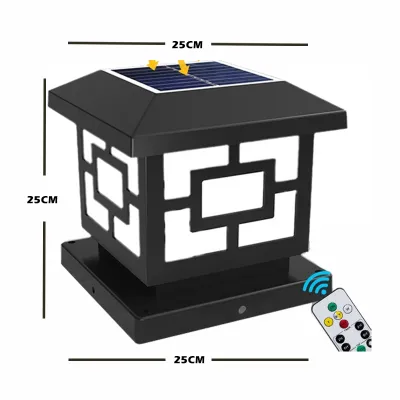
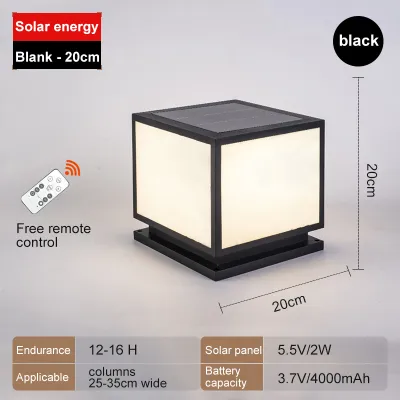
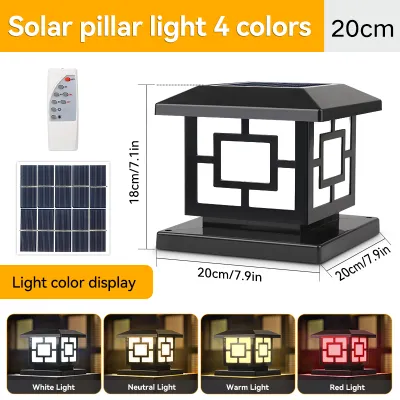
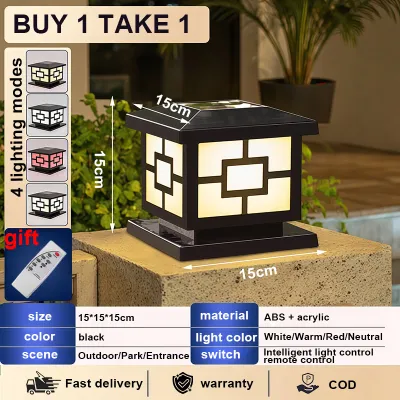
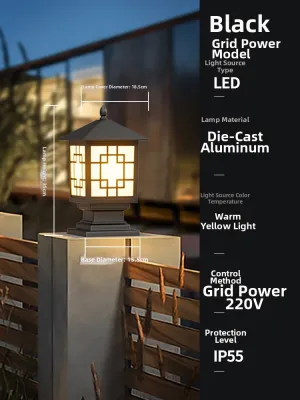
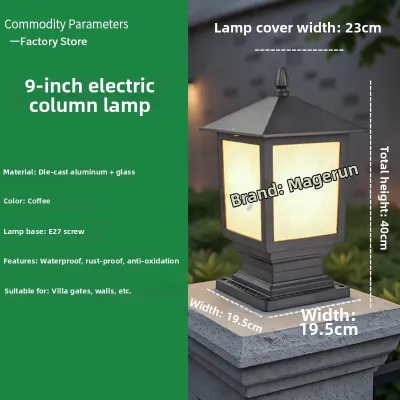
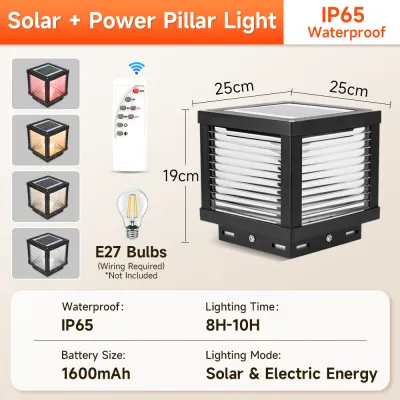
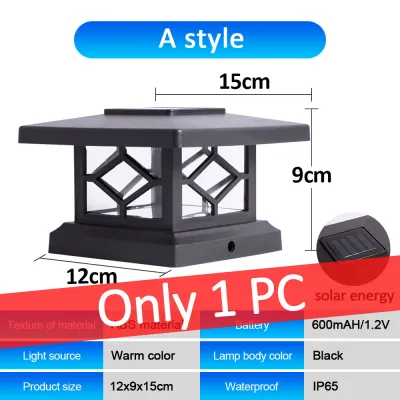
Prices are valid at publication and may change. Please refer to the product page for the latest price.

Battery Technology
The battery is the heart of any solar light post. Most modern fixtures utilize either Lithium Iron Phosphate (LiFePO4) or standard Lithium-ion (Li-ion) chemistry. LiFePO4 batteries are highly recommended for the Philippine climate because they offer exceptional thermal stability, safely operating in ambient temperatures exceeding 40°C without degrading. They also boast a longer lifespan, often enduring over 2,000 charge-discharge cycles, which translates to several years of daily use before requiring replacement.
Weather Resistance
Tropical weather demands robust ingress protection. Always check the IP rating of the fixture before purchase. An IP65 rating indicates that the light is completely dust-tight and protected against water jets from any angle, which is the bare minimum required for outdoor exposed posts. For coastal regions or areas prone to severe flooding, look for IP67-rated fixtures, which can withstand temporary immersion in water. Avoid IP44-rated lights for open garden areas, as they may fail during heavy monsoon downpours.
Solar Panel Type
Solar panels on these fixtures are typically monocrystalline or polycrystalline. Monocrystalline panels are made from a single silicon crystal structure, allowing them to achieve higher energy conversion efficiency, usually between 15% and 22%. They perform significantly better in low-light conditions, such as overcast or rainy days. Polycrystalline panels are more affordable but have lower efficiency (around 13% to 16%) and require more surface area to produce the same amount of power.
Build Materials
The structural integrity of the post determines its survival during typhoon season. Heavy-duty cast aluminum with a powder-coated finish offers excellent rust resistance and structural strength. Stainless steel (grade 304 or 316) is ideal for coastal areas where salty air accelerates corrosion. If you choose plastic components, ensure they are made from UV-treated, high-impact ABS or polycarbonate to prevent the material from becoming brittle and cracking under constant exposure to intense tropical sunlight.
Best Solar Light Posts for Driveways and Entrances
Height and Placement
For driveways and main gates, select a solar light post that stands between 6 to 8 feet (1.8 to 2.4 meters) tall. This elevation allows the light to spread over a wider radius, ensuring that drivers can see the edges of the driveway clearly. When planning placement, ensure the post is set back at least 1 meter from the driveway edge to avoid accidental collisions with side mirrors or larger vehicles. Additionally, check for overhead obstructions like low-hanging tree branches or utility lines that could cast shadows on the solar panel during peak sunlight hours.
Light Output and Color Temperature
Driveways require high visibility for safety. Look for fixtures that deliver at least 800 to 1,500 lumens. While color temperature is a matter of personal preference, cool white light (ranging from 4000K to 5000K) or daylight (6000K) is highly functional for security and navigation. Cool white light provides high contrast, making obstacles, debris, or pedestrians easily visible to arriving drivers. Ensure the fixture features a high-quality optical lens that diffuses the light evenly to prevent harsh, blinding hot spots.
Structural Durability
A driveway post must be anchored securely to withstand both physical impacts and high winds. Look for light posts with heavy-duty mounting bases that can be bolted directly into a concrete foundation using expansion bolts. If the post is installed in soil, pouring a dedicated concrete footing is necessary to prevent the post from leaning over time due to soil erosion during the rainy season. Verify the wind load rating of the post if you live in typhoon-prone provinces.
Operational Mode
For vehicular entry points, continuous dusk-to-dawn operation is superior to motion-only lighting. A driveway should remain consistently illuminated throughout the night to welcome residents and deter trespassers. Select models with intelligent power management systems that automatically dim the light to a lower level (such as 30% brightness) after midnight, returning to full brightness only when motion is detected or during early morning hours to conserve battery power.
Best Solar Light Posts for Garden Pathways and Walkways
Height and Glare Control
Pathway lighting should guide steps without overwhelming the eyes. Opt for shorter solar light posts, often called bollard lights, standing between 2 to 4 feet (0.6 to 1.2 meters) tall. To prevent uncomfortable glare at eye level, choose fixtures designed with downward-facing LEDs, louvers, or frosted diffusers. These design elements redirect the light toward the ground where it is needed, preserving the natural nighttime ambiance of your landscape.
Ambiance and Color Temperature
For gardens and walkways, warm white light (2700K to 3000K) is highly recommended. Warm light creates a soft, inviting, and relaxing atmosphere that complements natural stone, wood, and foliage. While cool white light is often preferred for high-security zones, warm light is a conditional preference that enhances the aesthetic appeal of outdoor living spaces and minimizes light pollution.
Design and Aesthetics
The visual style of your solar light post should match your home’s architecture. Traditional homes with Spanish-Mediterranean or classic Filipino-colonial designs pair well with lantern-style posts featuring ornate metalwork. Modern, minimalist homes benefit from sleek, cylindrical, or square aluminum posts with clean lines. Choosing a cohesive design ensures the fixtures look attractive during the day when they are not illuminated.
Spacing and Layout
To achieve balanced illumination along a walkway, space your light posts carefully. A general guideline is to space 100-lumen to 300-lumen fixtures approximately 4 to 6 feet apart. Placing them too close together creates overlapping bright spots and wastes energy, while spacing them too far apart leaves dark, hazardous gaps. Staggering the lights on alternating sides of the path creates a more natural, visually appealing flow than placing them in a straight, parallel line.
Best Solar Light Posts for Yard Perimeters and Security
Motion Sensor Integration
Security lighting requires smart power management to remain active all night. Look for a solar light post equipped with a Passive Infrared (PIR) motion sensor. These sensors detect changes in infrared radiation caused by the movement of people or large animals. The ideal configuration is a dual-mode system: the light remains at a low standby level (around 10% to 20% brightness) to mark the boundary, then instantly switches to 100% brightness for 30 seconds when motion is detected, drawing immediate attention to the area.
Adjustability and Panel Orientation
Perimeter fences often run along property lines where sunlight may be blocked by walls, neighboring buildings, or dense vegetation. To overcome this, select solar light posts that feature adjustable solar panels and independent light heads. This allows you to tilt and rotate the solar panel toward the south to maximize daily sun exposure, while directing the light head downward or inward to illuminate specific blind spots along your boundary wall.
Detection Range and Field of View
When comparing security-focused solar posts, pay close attention to the sensor specifications. A reliable PIR sensor should offer a detection angle of at least 120 degrees, with some advanced models covering up to 180 degrees. The detection range should span between 5 to 8 meters. Ensure the sensor’s path is clear of tall grass, swaying tree branches, or laundry lines, which can trigger false positives and drain the battery prematurely.
Vandal and Impact Resistance
Because perimeter lights are often installed in remote or accessible areas of your property, they are vulnerable to vandalism or accidental impact. Look for fixtures with an IK impact resistance rating (such as IK08 or higher) and shatterproof polycarbonate lenses instead of standard glass. Using tamper-resistant mounting screws and securing the base of the post in concrete makes it much more difficult for intruders to disable or steal the fixture.
Installation and Maintenance Tips for Tropical Climates
Optimal Placement and Sun Exposure
To get the most out of your solar light post, place it where the solar panel receives at least 6 to 8 hours of unshaded, direct sunlight daily. In the Philippines, positioning panels to face south at an angle of 10 to 15 degrees helps maximize solar collection throughout the year. Avoid placing fixtures directly under wide roof eaves, large tree canopies, or in the shadow of boundary walls, as even partial shading can reduce charging efficiency by more than half.
Routine Cleaning and Panel Care
Over time, dust, pollen, bird droppings, and salt residue can accumulate on the solar panel, forming a barrier that blocks sunlight. Clean the panels at least once a month using a soft, damp microfiber cloth and clean water. Avoid using abrasive sponges, harsh chemical detergents, or dry cloths, as these can scratch the protective glass or plastic coating, permanently reducing light transmission. Regular cleaning ensures the battery charges fully even on shorter or overcast days.
Weather Precautions and Structural Safety
If your solar light post features hybrid functionality with fixed AC wiring for backup power, always isolate the power supply before performing any maintenance or installation. For any complex electrical connections or installations at height, hire a qualified professional to ensure compliance with the Philippine Electrical Code. After severe weather events or typhoons, inspect the post for structural integrity, check the mounting bolts for tightness, and examine the housing for any signs of water ingress.
Battery Care and Replacement
If you notice a significant decrease in the light’s nightly runtime—such as the light turning off after only an hour or two—the battery may be reaching the end of its useful lifespan. When replacing the battery, consult the manufacturer’s instruction manual to identify the exact voltage, capacity, and chemistry required. Always use manufacturer-approved replacement cells. Properly dispose of old lithium batteries at designated e-waste collection centers rather than throwing them in regular household waste.
Frequently Asked Questions (FAQ)
Do solar light posts work effectively during the rainy season?
Yes, high-quality solar light posts can operate effectively during the rainy season, though their nightly runtime may be reduced on heavily overcast days. Modern fixtures equipped with monocrystalline solar panels are highly efficient at capturing diffuse daylight through cloud cover. To optimize performance during the wet season, ensure the panels are kept clean and free of debris. Selecting models with large-capacity LiFePO4 batteries and intelligent power-saving modes—which dim the light when no motion is detected—helps ensure the light remains functional even after several consecutive rainy days.

Community discussion
Share your experience or ask a question. Comments are reviewed before publication.