
Selecting the best solar light for a small condo balcony requires balancing tight physical constraints with the realities of high-rise urban living. In compact spaces, the most effective options are solar string lights and railing or clip-on solar lights. These fixtures provide warm, ambient illumination without consuming valuable floor space, making them ideal for typical Philippine condominium layouts where balconies often serve as multi-functional utility or relaxation areas. By utilizing vertical planes, railings, and existing planters, you can create an inviting outdoor retreat that charges efficiently during the day and glows beautifully at night.
Assessing Your Balcony Space and Lighting Needs
Before purchasing any solar light fixtures, you must evaluate the physical and environmental conditions of your balcony. Floor space in urban Philippine condos is highly limited, with many balconies measuring only one to three square meters. To maximize this area, measure the exact length of your railings, the height of your ceiling, and the depth of your balcony. If your space is narrow, floor-standing lamps or bulky post lights will restrict your movement and block access to sliding doors, making vertical or perimeter lighting a much more practical choice.
Wind load is another critical factor for high-rise installations. Balconies on upper floors of high-rise buildings experience significantly higher wind speeds than ground-level gardens, especially during the southwest monsoon (habagat) and typhoon seasons. Any light fixture, solar panel, or cable you install must be securely fastened to prevent them from becoming loose and turning into dangerous falling hazards. Lightweight, low-profile fixtures that can be tightly lashed or clamped to structural elements are inherently safer in these elevated environments.
Products mentioned in this guide
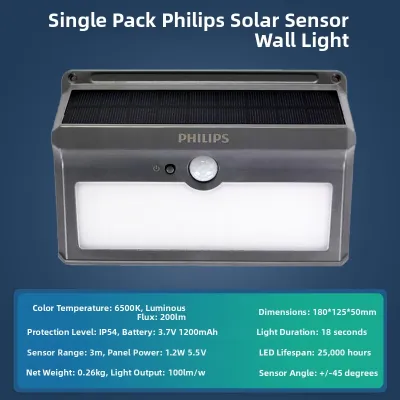
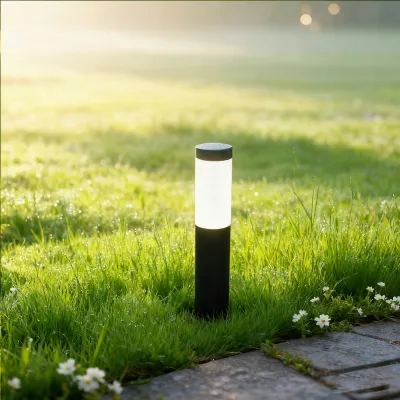
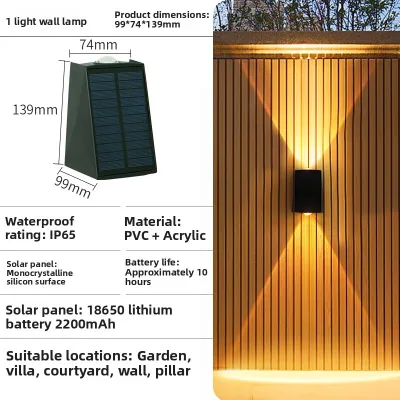
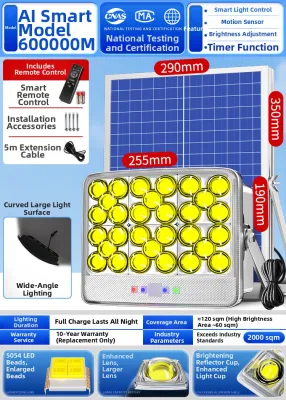
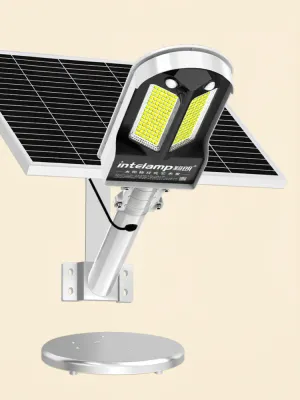
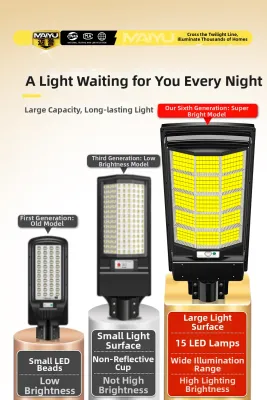
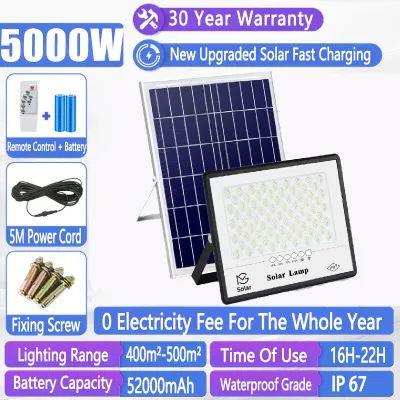
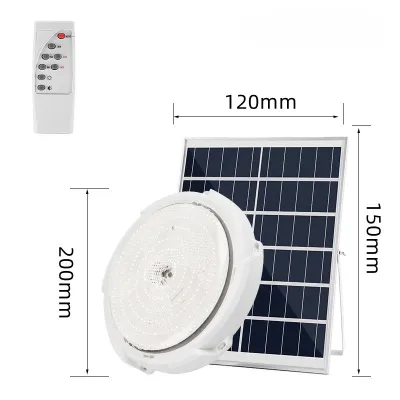
Prices are valid at publication and may change. Please refer to the product page for the latest price.
Sunlight exposure directly determines how well your solar lights will perform. High-rise developments in dense urban centers like Metro Manila often cast deep shadows over adjacent buildings. Observe your balcony at different times of the day to note how structural overhangs, nearby towers, or outdoor air conditioning compressor units block the sun. Solar panels require direct, unshaded sunlight to charge their internal batteries; ambient daylight or light reflected off glass facades is rarely sufficient to provide a full charge.
Finally, you must consult your condominium corporation’s guidelines. Most properties have strict Property Management Office (PMO) rules regarding external modifications. These regulations often prohibit drilling into exterior concrete walls, hanging items that protrude past the railing, or altering the building’s uniform facade. Understanding these boundaries beforehand will help you choose non-permanent, damage-free mounting solutions that avoid costly fines or forced removals.
Best Solar Light Types for Small Balconies
Not all outdoor solar lights are designed with high-rise balconies in mind. To help you select the most appropriate fixtures, we have analyzed the most common solar light categories based on their space efficiency, installation requirements, and suitability for compact outdoor areas.

String and Fairy Lights
- Best for: Wrapping around metal railings, draping along the underside of the balcony ceiling, or framing sliding glass doors.
- Space benefit: These lights have a zero-floor-space footprint. They utilize existing architectural features, turning structural boundaries into soft, ambient light sources.
- Considerations: Look for models with a generous lead cable—the wire between the solar panel and the first bulb. This design allows you to mount the solar panel high up on a sunny railing or outer corner while keeping the decorative bulbs tucked safely under the balcony roof. For a classic aesthetic, heavy-duty G40-style Edison bulbs work well, while micro-fairy copper wire lights offer a highly minimalist, lightweight alternative.
Wall-Mounted and Sconce Lights
- Best for: Providing functional downlighting over a small outdoor bistro table, illuminating entryways, or casting a warm glow on accent walls.
- Space benefit: By utilizing vertical wall space, these fixtures keep your floor and railings completely clear for seating, plants, or walking.
- Considerations: Check your PMO rules regarding drilling into exterior concrete or stucco. If drilling is permitted, ensure you use appropriate masonry anchors and seal the drill holes with outdoor-grade silicone to prevent water ingress during heavy rains. If drilling is banned, look for lightweight fixtures compatible with heavy-duty, weather-resistant mounting tapes, keeping in mind that extreme tropical heat can weaken adhesives over time.
Railing and Clip-On Lights
- Best for: Outlining the perimeter of your balcony or providing targeted task lighting for dining and reading without permanent installations.
- Space benefit: These fixtures clamp directly onto standard metal or wood railings. They require no floor stands, wall mounts, or complex wiring.
- Considerations: Measure your railing's thickness and shape (round, square, or flat) before purchasing. Verify that the clamp or bracket mechanism is adjustable and made of rust-resistant materials like stainless steel or UV-treated polycarbonate to withstand the coastal, humid air of the Philippines.
Stake Lights for Potted Plants
- Best for: Highlighting foliage, adding depth to vertical herb gardens, or illuminating low-profile planters.
- Space benefit: They occupy space that is already dedicated to greenery, requiring no extra floor area.
- Considerations: Traditional ground stakes are useless on concrete balcony floors. You must insert them directly into deep pots or planters with at least 15 to 20 centimeters of compressed soil to keep them upright against strong high-rise wind gusts.
Key Features to Check for Tropical Balconies
The tropical climate of the Philippines presents unique challenges for outdoor electronics, including intense UV exposure, high humidity, and torrential monsoon rains. To ensure your solar lights survive these conditions, pay close attention to their technical specifications before buying.
First, verify the Ingress Protection (IP) rating. The IP rating consists of two digits: the first indicates protection against solids (like dust), and the second indicates protection against liquids. For an exposed condo balcony, look for fixtures with a rating of at least IP65. This ensures the light is completely dust-tight and can withstand low-pressure water jets from any direction, preventing water from seeping into the casing during heavy downpours.
Second, evaluate the brightness and color temperature. Brightness is measured in lumens. For a cozy, relaxing balcony ambiance, seek warm white lights (2700K to 3000K) emitting 10 to 50 lumens. If you require functional task lighting for reading or dining, opt for adjustable fixtures that can deliver 100 to 200 lumens. Avoid cool white or daylight temperatures (5000K or higher) if you want to maintain a soft, inviting retreat, as these can feel harsh and clinical in small spaces.
Third, examine the battery and solar panel specifications. Opt for solar lights equipped with Lithium-ion (Li-ion) or Lithium Iron Phosphate (LiFePO4) batteries rather than older Nickel-Metal Hydride (NiMH) types. Lithium-based batteries charge faster, hold their charge longer, and perform better under the high ambient temperatures common in tropical regions. Ensure the solar panel itself is monocrystalline, as these are more efficient at converting sunlight into electricity in limited spaces and under partial cloud cover.
Finally, check the operating modes and electrical safety certifications. Select fixtures with built-in dusk-to-dawn sensors that automatically turn the lights on at sunset and off at sunrise. For security or high-utility areas, models with integrated passive infrared (PIR) motion sensors are highly efficient, conserving battery power by only illuminating when someone steps onto the balcony. Always look for safety certifications such as CE, RoHS, or local Philippine Standard (PS) / Import Commodity Clearance (ICC) marks on the packaging to ensure the internal circuitry and battery management systems are safe and won’t overheat.
Installation and Placement Tips for Maximum Sun Exposure
To get the most out of your solar lights, you must position the solar panels strategically to capture as much sunlight as possible within the architectural limits of your balcony.
To maximize energy absorption, position your solar panel facing south or southwest if you are in the Northern Hemisphere. This orientation captures the most intense sunlight throughout the day. If your balcony faces north or is heavily shaded, choose a solar light system with a detachable, remote solar panel connected by a long wire, allowing you to position the panel at the very edge of the railing where sunlight is strongest.
Even minor shadows can drastically reduce a solar panel’s charging efficiency. Ensure the panel is not obstructed by structural overhangs, outdoor air conditioning condenser units, hanging laundry, or potted plants. Regularly monitor the path of shadows across your balcony during different seasons to adjust the panel’s position accordingly.
Urban environments in the Philippines, especially dense metro areas, carry high levels of dust, soot, and pollution. A thin layer of grime on your solar panel can block sunlight and reduce its charging capacity by up to 30 percent. Establish a monthly routine to wipe the panel clean using a soft, damp microfiber cloth and a mild, non-abrasive soap. Avoid harsh chemicals or abrasive pads that could scratch the protective glass or plastic coating.
Common Mistakes to Avoid
Avoiding common installation and purchasing errors will save you time, money, and potential conflicts with your condominium management.
- Ignoring PMO guidelines: Installing fixtures that violate PMO guidelines can result in forced removal and fines. Always verify your building's rules on external modifications, hanging objects, and light pollution before finalizing your lighting layout.
- Mismatched IP ratings: Using indoor-rated lights or cheap, low-IP outdoor lights on an exposed balcony is a safety hazard. These fixtures will quickly succumb to moisture ingress, leading to corrosion, battery failure, or electrical short circuits during the rainy season.
- Poor panel placement: Placing a solar light's panel in a deeply shaded corner for aesthetic convenience will result in weak, short-lived illumination. Always prioritize functional sun exposure for the panel, even if it requires running a discreet cable along your railing.
- Overcrowding and wind hazards: Installing too many bright fixtures can turn a relaxing outdoor escape into an uncomfortable, glaring space. It can also cause light pollution that disturbs your neighbors in adjacent units. Focus on a few high-quality, well-placed fixtures to create a balanced, layered lighting scheme.
Frequently Asked Questions (FAQ)
Do solar lights work on heavily shaded condo balconies?
Solar lights require direct sunlight to charge their internal batteries effectively. If your balcony is heavily shaded by adjacent high-rises or deep overhangs, standard integrated solar lights will struggle to perform. To overcome this, use solar lights with detachable panels connected by a long cable, allowing you to mount the panel in the sunniest spot on your railing while keeping the light fixture in the shade. Alternatively, consider USB-rechargeable outdoor lights that you can charge indoors and bring outside as needed.
Can I use adhesive mounts instead of drilling for wall lights?
Heavy-duty, double-sided outdoor mounting tapes and adhesives can secure lightweight solar wall sconces without drilling. However, surface preparation is vital; you must clean the wall thoroughly to remove dust and oils before application. Be aware that the combination of intense tropical heat, high humidity, and heavy rain in the Philippines can cause adhesives to degrade over time, posing a risk of the fixture falling. Regularly inspect the bond and consider securing a safety tether to the fixture.

Community discussion
Share your experience or ask a question. Comments are reviewed before publication.