
To illuminate outdoor walkways and garden beds effectively in the Philippines, solar lights with separate panels offer a highly practical and durable solution. Unlike integrated solar fixtures that combine the solar cell and light bulb into a single unit, separate-panel systems decouple these components using a dedicated low-voltage cable. This design directly addresses the core challenge of tropical landscaping: it allows you to position the solar panel in an open, unshaded area to capture maximum sunlight while placing the actual light fixtures in shaded garden beds, under dense tree canopies, or beneath covered patios. To ensure long-term performance in local conditions, these systems should feature a minimum of IP65 weatherproofing, high-efficiency monocrystalline panels to charge during overcast rainy seasons, and heat-resistant battery chemistry such as Lithium Iron Phosphate (LiFePO4).
Choosing the right outdoor lighting involves balancing functional safety with aesthetic preferences. In the Philippine market, where high humidity, heavy monsoon rains (habagat), and intense tropical heat are constant environmental factors, off-the-shelf integrated lights often fail prematurely due to water ingress or insufficient sunlight exposure. By opting for a solar light with a separate panel, you gain the flexibility to optimize energy collection independently of fixture placement. This guide explains how to evaluate key technical specifications, select the ideal light styles for your pathways and gardens, and install and maintain your system to withstand the local climate.
The Advantage of Separate Panels for Gardens and Pathways
The primary limitation of traditional, integrated solar lights is their dependency on immediate, direct sunlight at the exact spot where illumination is needed. If you want to light a pathway bordered by dense tropical foliage, ornamental shrubs, or structural walls, an integrated light will often struggle to charge. Because the solar panel is fixed directly to the top of the fixture, placing it in a shaded area means the battery receives minimal power, resulting in weak illumination or complete failure after dusk. In the Philippines, where rapid tropical plant growth can quickly overshadow garden borders, this limitation becomes a recurring frustration.
Products mentioned in this guide
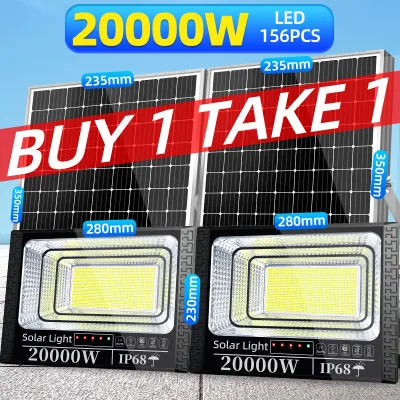
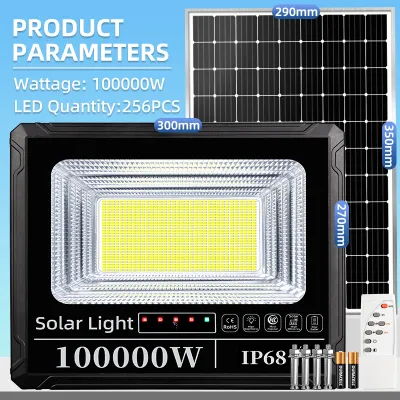
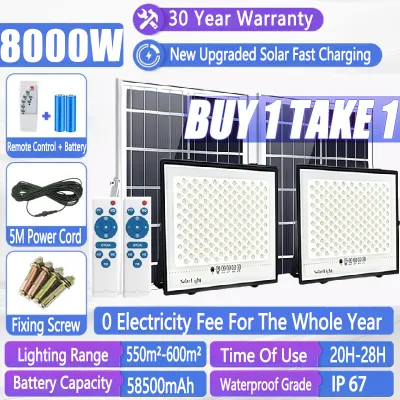
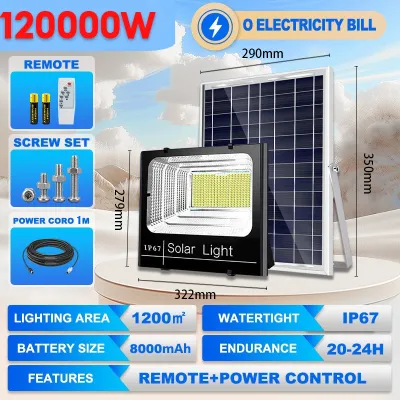
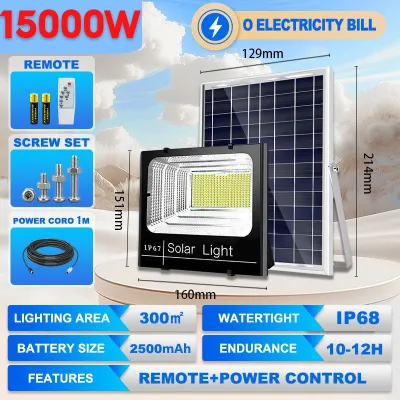
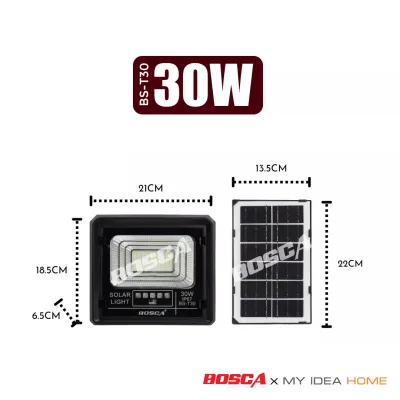
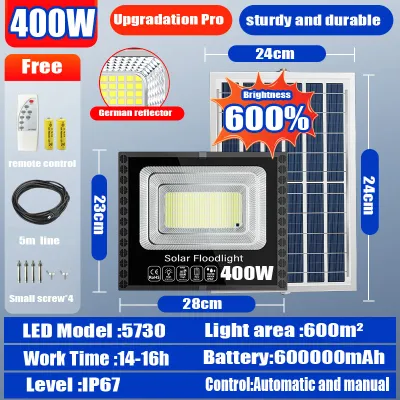
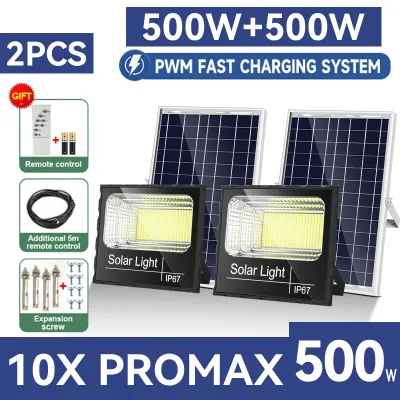
Prices are valid at publication and may change. Please refer to the product page for the latest price.
A separate-panel design completely bypasses this limitation by splitting the system into two distinct parts: the photovoltaic panel and the light fixture. A thin, weather-resistant low-voltage cable connects the two, allowing you to mount the solar panel on a sunny roof, fence, or dedicated ground stake several meters away from the shaded area where the light is installed. This means you can illuminate deep garden recesses, shaded walkways, and covered seating areas without sacrificing charging efficiency.
Beyond functional placement, separate panels offer significant aesthetic advantages for landscape design. Integrated solar lights are often bulky, topped with dark, reflective glass or plastic solar cells that can disrupt the natural look of your garden during the day. By separating the panel, the light fixtures themselves can be designed with much sleeker, more elegant profiles. Pathway stakes, spotlights, and decorative hanging lights can blend seamlessly into your landscaping, keeping the visual focus entirely on your plants, stone paths, and architectural features rather than conspicuous solar hardware.
Key Specifications to Evaluate Before You Buy
Selecting a solar light system that can endure the humid, wet, and hot conditions of the Philippines requires a careful examination of technical specifications. Before making a purchase, verify the following critical components to ensure safety, compatibility, and longevity.

Ingress Protection (IP) Rating
The IP rating indicates how well the light fixture and its separate panel are sealed against dust and water. For outdoor garden and pathway installations, fixtures are constantly exposed to rain, lawn sprinklers, and high humidity. You should look for a minimum rating of IP65, which certifies that the enclosure is dust-tight and protected against water jets from any angle. For low-lying pathway lights or spotlights placed in areas prone to temporary water pooling during heavy downpours, an IP67 rating is highly recommended, as it protects the internal electronics even during brief immersion. Always check the manufacturer’s product label to confirm these ratings before installation.
Solar Panel Type
Solar panels used in residential outdoor lighting generally fall into two categories: monocrystalline and polycrystalline. Monocrystalline panels are made from single-crystal silicon, giving them a uniform dark appearance. They are highly efficient, typically converting 15% to 22% of sunlight into electricity, and they perform significantly better in low-light or overcast conditions. This makes monocrystalline panels the superior choice for the Philippine rainy season, where cloud cover can persist for days. Polycrystalline panels, recognizable by their speckled blue appearance, are more budget-friendly but have lower efficiency ratings (around 13% to 16%) and require a larger surface area to produce the same amount of power, making them less ideal for compact or shaded garden layouts.
Battery Chemistry and Capacity
The battery stores the solar energy collected during the day to power the light at night. Modern high-quality solar lights utilize either Lithium Iron Phosphate (LiFePO4) or Lithium-ion (Li-ion) batteries. LiFePO4 batteries are highly recommended for tropical climates because they offer superior thermal stability, meaning they can safely withstand high ambient temperatures without degrading. They also boast a much longer lifespan, often lasting for 2,000 to 3,000 charge cycles compared to the 300 to 500 cycles typical of standard Li-ion batteries. Additionally, verify if the battery is user-replaceable; systems with sealed, non-replaceable batteries must be entirely discarded once the battery fails, whereas replaceable designs allow you to simply swap out the cell and extend the life of your fixture.
Brightness and Beam Angle
Brightness is measured in lumens, and the ideal output depends on the light’s intended function. For safe pathway navigation, low-glare, functional lighting between 50 and 200 lumens per fixture is usually sufficient to mark boundaries without causing visual discomfort. Accent lighting for garden features or trees typically requires 100 to 300 lumens, while bright security spotlights or floodlights can range from 500 to over 1,500 lumens. The beam angle determines how wide the light spreads: a narrow beam (15 to 45 degrees) is perfect for highlighting specific focal points like statues or tree trunks, while a wide beam (90 to 120 degrees) is better suited for illuminating broad pathways or open patios. Perceived color temperature is a matter of personal preference; warm white (2700K to 3000K) creates a soft, relaxing ambiance that enhances natural wood and foliage, while cool white (5000K to 6500K) offers crisp, high-contrast visibility suitable for security.
Recommended Light Styles for Gardens and Pathways
Understanding the different styles of separate-panel solar lights helps you select the right fixture for your specific landscaping needs. Each style serves a distinct purpose, from guiding footsteps to highlighting garden focal points.
Pathway Stake Lights with Remote Panels
Pathway stake lights are designed to line walkways, driveways, and garden borders to guide pedestrian traffic safely. When selecting these lights, look for low-glare, downward-facing designs. These fixtures direct their light output toward the ground rather than outward or upward, preventing harsh light from shining directly into your eyes as you walk and minimizing light pollution in your garden.
With separate-panel systems, pathway lights can be configured in two ways: individual stakes that each connect to their own small, remote solar panel, or a multi-light kit where several stakes are daisy-chained together and powered by a single, larger solar panel. The single-panel configuration is highly efficient for pathways bordered by walls or hedges, as you can mount the main panel high up on a sunny post while running the connecting cables down to the stakes in the shade.
Cable management is critical when installing pathway lights to prevent tripping hazards and protect the wiring. Always bury the low-voltage cables in a shallow trench (about 5 to 10 centimeters deep) along the edge of the path, or secure them firmly to the ground using insulated garden staples. This keeps the wires hidden from sight and safe from lawnmowers, weed trimmers, and outdoor pets. For balanced, uniform illumination along a walkway, space the stake lights approximately 1.5 to 3 meters apart, depending on their lumen output and beam spread, to avoid creating harsh shadows or dark gaps.
Adjustable Spotlights for Trees and Garden Features
If you want to highlight the dramatic shapes of tropical palms, architectural features, or garden sculptures, adjustable solar spotlights are the ideal choice. These lights feature highly directional beams that can be aimed precisely at your target. The major advantage of a separate-panel spotlight is that you can place the light fixture directly at the base of a dense tree or behind a large shrub—areas that receive almost no direct sunlight—while mounting the solar panel several meters away on an unshaded fence, wall, or open lawn area.
Look for spotlights that offer independent articulation for both the light head and the solar panel. This allows you to angle the light upward to capture the texture of tree bark or foliage, while angling the solar panel toward the sky to maximize solar absorption. Sturdy ground stakes made of high-impact ABS plastic or corrosion-resistant aluminum are essential to keep the spotlight firmly anchored in the soil, especially during the strong winds and heavy rains of the typhoon season.
Before finalizing your placement, check the manufacturer’s specifications for the included cable length. Most separate-panel spotlights come with cables ranging from 3 to 5 meters. Ensure this length is sufficient to bridge the distance between your shaded garden feature and the nearest spot that receives consistent, direct sunlight throughout the day.
Hanging and String Lights for Patios and Canopies
Hanging lights and string lights are popular choices for creating a warm, festive atmosphere over outdoor dining areas, patios, pergolas, and garden gazebos. However, because these areas are covered by roofs or overhead canopies, standard integrated solar lights cannot function there. A separate-panel system solves this by allowing you to hang the decorative light string or pendant under the covered structure while running the power cable outside to a solar panel mounted on the roof or an outer support beam.
When installing hanging lights, consider the weight distribution of the fixtures and the wind resistance of the bulbs. Because outdoor patio areas in the Philippines can experience strong tropical breezes, opt for shatterproof, outdoor-rated bulb housings—such as those made from heavy-duty polycarbonate rather than glass—to prevent breakage. Ensure that the light string and its sockets carry a certified outdoor rating (such as IP65) to protect against moisture ingress during blowing rains.
Secure the main solar panel to a sturdy, unshaded structure outside the canopy using the provided mounting brackets. Make sure the connecting cable is safely routed along the rafters or support posts, using UV-resistant cable ties to keep it taut and out of reach. This prevents the cable from swaying in the wind, which can cause wear on the connection points over time.
Installation and Placement Tips for Maximum Sun Exposure
Proper installation and strategic placement of your solar panels are essential to ensure your lights charge fully and perform reliably night after night. To optimize solar energy collection in the Philippines, you must account for both geographic location and local weather patterns.
Position your solar panels to face south at an angle of approximately 10 to 15 degrees. Since the Philippines is located in the northern hemisphere close to the equator, a southward orientation maximizes exposure to the sun as it travels across the sky. While a flat, horizontal panel might seem ideal, a slight tilt is crucial because it allows rainwater to run off freely. This natural runoff helps wash away accumulated dust, pollen, and debris that would otherwise block sunlight and reduce charging efficiency. Avoid placing panels directly under overhanging roof eaves, large trees, or structural walls that cast shadows during peak daylight hours (typically between 10:00 AM and 2:00 PM).
Securing the connecting cables is vital for safety and system longevity. Loose, exposed wires are highly vulnerable to damage from garden tools, lawnmowers, household pets, and local wildlife. To protect your wiring, route cables through a protective conduit—such as flexible, outdoor-rated PVC tubing—before burying them or securing them along walls and fences. Use high-quality, UV-resistant nylon cable ties to fasten cables tightly to posts or structures, ensuring there is no loose slack that could snag or sway in high winds.
Ground drainage is another critical factor for fixtures installed at soil level. Avoid placing pathway stakes or spotlight bases in natural depressions or low-lying areas of your garden where rainwater tends to pool. Even with a high IP rating, prolonged submersion or constant exposure to standing water can eventually degrade rubber seals, leading to internal moisture ingress and electrical short-circuits. Elevate ground-mounted fixtures slightly on small mounds of soil or gravel to promote rapid drainage away from the base.
Finally, always prioritize safety and compatibility during installation. If you plan to mix and match components from different lighting kits, first verify that the operating voltage, connector interfaces, and wattage limits are fully compatible. For any installations involving fixed wiring, mounting panels at a height (such as on a roof or high wall), or hanging heavy suspended loads, always isolate the power source before beginning work. Carefully follow the manufacturer’s installation instructions. If the project requires complex electrical integration or structural mounting, stop and consult a qualified professional to ensure compliance with local electrical codes and safety standards.
Routine Maintenance for Humid and Rainy Climates
The tropical climate of the Philippines, characterized by high humidity, frequent rainfall, and salt-laden air in coastal areas, demands regular maintenance to keep your solar lighting system operating at peak efficiency. Implementing a simple routine cleaning and inspection schedule will significantly extend the lifespan of your investment.
Cleaning the Solar Panels
Over time, solar panels accumulate a layer of dust, pollen, soot, and bird droppings, which acts as a barrier to sunlight. During the dry season, this buildup can reduce charging efficiency by up to 30%. To clean the panels safely, first refer to the manufacturer’s care instructions. Gently wipe the glass surface of the panel using a soft, damp microfiber cloth and clean water. Avoid using abrasive scrubbing pads, wire brushes, or harsh chemical detergents, as these can scratch the protective tempered glass or degrade the anti-reflective coating, permanently reducing light transmission. Clean the panels in the early morning or late afternoon when they are cool to the touch to prevent thermal shock or rapid drying that leaves water spots.
Inspecting Connections and Seals
At least twice a year—ideally before and after the monsoon season—conduct a thorough visual inspection of your entire lighting system. Check all cable connections, threaded couplings, and rubber seals for signs of wear, cracking, or moisture ingress. If you notice any dirt or moisture inside a connector, disconnect it, wipe it clean with a dry cloth, and allow it to dry completely. If recommended by the manufacturer, you can apply a small amount of dielectric silicone grease to the rubber O-rings to help maintain a watertight seal and prevent corrosion.
Managing Battery Degradation
All rechargeable batteries degrade over time, gradually losing their capacity to hold a charge. If you notice that your solar lights are turning off after only an hour or two of operation, or if they fail to turn on at all despite a full day of clear, unobstructed sunlight, the battery is likely reaching the end of its useful life. Before replacing the battery, check the applied product’s label and the treated item’s manufacturer instructions to confirm the correct battery type, voltage, and replacement procedure. If the instructions conflict, the battery is unidentified, or the procedure is not covered in the manual, stop and consult the manufacturer or a qualified professional. Always dispose of old rechargeable batteries responsibly by taking them to a designated e-waste recycling center or local collection point, as disposing of them in regular household waste poses environmental and safety hazards.
Frequently Asked Questions (FAQ)
Can I extend the cable between the solar panel and the light?
Extending the cable is possible, but it introduces the risk of voltage drop. Because solar lights operate on low-voltage direct current (DC), increasing the cable length increases electrical resistance, which can result in dimmer lights or incomplete battery charging. If you must extend the distance, always use manufacturer-approved extension cables designed specifically for your model to ensure waterproof connections. If you plan to make custom splices, first check the manufacturer’s instructions; any custom wiring must be thoroughly sealed using adhesive-lined heat-shrink tubing to prevent moisture ingress, though doing so may void your warranty.
Do separate panel solar lights work during the rainy season?
Yes, separate-panel solar lights will continue to function during the rainy season, but their performance will be reduced. While high-quality monocrystalline panels can still generate electricity from diffused sunlight on overcast days, they will not produce enough power to charge the battery fully. To ensure reliable illumination during consecutive cloudy days, choose models that feature power-saving modes, adjustable brightness settings, or integrated motion sensors. These features help conserve stored battery energy by keeping the lights dim or off until motion is detected.
How do I know if the battery needs replacing?
The most common sign of a failing battery is a significant reduction in runtime, where the light shuts off shortly after dusk despite a full day of clear sunlight. If the light fails to turn on entirely, but the solar panel is clean and the connecting cables are intact and securely plugged in, the battery has likely degraded to the point where it can no longer hold a charge. Before attempting to replace the battery, consult the product manual to verify if the battery is user-replaceable and to identify the exact replacement specifications required.

Community discussion
Share your experience or ask a question. Comments are reviewed before publication.