
Condo living in urban centers like Manila, Cebu, or Davao often means maximizing every square inch of available space, including the balcony. Transforming a compact concrete balcony into a serene outdoor retreat requires thoughtful lighting that enhances the atmosphere without cluttering the floor. A garden solar light with stand offers an elegant, self-contained solution for high-rise dwellers seeking to create a warm, inviting ambiance. Because these fixtures rely entirely on renewable solar energy, they eliminate the need for complicated electrical installations, trailing extension cords, or permanent structural alterations that might violate strict condominium guidelines.
Selecting the right stand-based solar lights involves balancing aesthetic appeal with practical considerations such as wind resistance, weatherproofing, and space efficiency. Whether you are looking to illuminate a cozy reading corner, highlight a collection of potted palms, or frame your view of the city skyline, understanding the technical and design aspects of these fixtures is key. This guide explores how to evaluate stand-based solar lighting options to find the perfect match for your balcony’s layout, microclimate, and exposure to sunlight.
Why Solar Lights With Stands Are Ideal for Condo Balconies
One of the primary hurdles of decorating a condominium balcony is navigating strict rules enforced by property management offices (PMO). Most property guidelines strictly prohibit residents from drilling into exterior walls, structural concrete columns, or metal railings, as these actions can compromise waterproofing layers or alter the building’s uniform facade. A garden solar light with stand bypasses these limitations entirely. Because these fixtures are completely self-contained and free-standing, they can be placed, moved, or stored away without leaving a single mark, screw hole, or permanent trace on your balcony’s surfaces.
Products mentioned in this guide
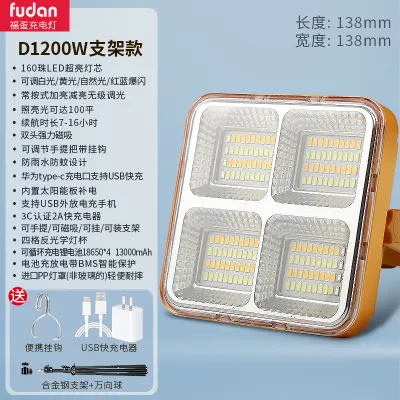

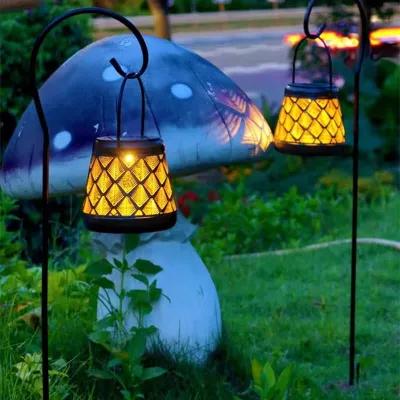
Prices are valid at publication and may change. Please refer to the product page for the latest price.
Furthermore, the physical layout of a condo balcony often serves multiple purposes. On any given day, a small balcony might be used for drying laundry, cultivating a vertical herb garden, or hosting an intimate morning coffee. The inherent portability of stand-based lighting allows you to rearrange your outdoor space effortlessly. You can position a floor lantern in a corner during the day to keep the pathway clear, and then pull it closer to your seating area in the evening to create an intimate gathering space.
In the context of high-rise outdoor living, ambient lighting serves a very different purpose than standard utility or security lighting. Rather than flooding the space with bright, harsh glare, ambient solar lights are designed to emit a soft, low-intensity glow that mimics the warm, flickering quality of candlelight. This gentle illumination helps define the boundaries of your outdoor space, making it feel cozy and connected to your indoor living room. It provides just enough visibility to navigate the balcony safely and enjoy a quiet evening, while maintaining a relaxed, low-contrast environment that respects the privacy of neighboring units.
Key Features to Look for in Balcony Ambient Solar Lights
When shopping for a garden solar light with stand, paying attention to technical specifications ensures that your chosen fixture performs reliably in a balcony environment.

Light Temperature and Brightness The color temperature of outdoor lighting significantly influences the mood of your balcony. For a relaxing atmosphere, look for warm white color temperatures between 2700K and 3000K, which produce a soft, golden hue that complements natural wood or woven balcony furniture. Avoid cool white lights (5000K or higher) that feel clinical and cause glare in confined spaces. Keep the brightness level low, aiming for 15 to 50 lumens of output. Higher lumen ratings can create excessive glare that reflects off glass sliding doors and disturbs neighbors in adjacent residential towers. Keep in mind that decorative style, perceived color temperature, and spatial lighting effects are highly subjective preferences rather than universal performance metrics.
Stand Types and Space Efficiency Balcony real estate is valuable, meaning the physical footprint of your light stand must match your available space. For narrow balconies, wide floor stands may block foot traffic. In these tight layouts, compact tabletop stands or clamp-on railing fixtures are highly efficient alternatives. Clamp-on models attach directly to metal railings, elevating the light source while keeping the floor clear. If you choose a tall floor-standing model, look for a design with a streamlined vertical profile and a heavy, stable base with a small diameter to prevent the fixture from tipping over during sudden drafts.
Weather Resistance for Tropical Climates The tropical climate of the Philippines presents unique challenges for outdoor fixtures. High relative humidity, intense UV exposure, and heavy seasonal rainfall during the monsoon season (habagat) require robust weatherproofing. Always check product specifications for an Ingress Protection (IP) rating. For a covered balcony partially shielded from direct rain, a minimum rating of IP44 is acceptable. However, if your light stand is placed near the outer railing where it is exposed to heavy downpours, look for an IP65 or IP67 rating to ensure the internal electronics remain sealed against water.
Material selection is critical for long-term durability. Look for stands constructed from powder-coated aluminum, stainless steel, or high-grade synthetic resins labeled as rust-resistant and UV-stable. Untreated ferrous metals quickly corrode in humid coastal environments, while low-quality plastics become brittle and crack under intense tropical sunlight. If you prefer natural materials, ensure wooden components like teak are treated with a weather-resistant protective sealant.
Top Styles of Stand-Based Solar Lights for Small Outdoor Spaces
Stand-based solar lights come in several distinct styles, each offering unique spatial and decorative advantages.
Floor-Standing Lanterns and Pillars Floor-standing lanterns are excellent for anchoring empty corners or framing a doorway. These designs typically feature a tall, slender metal or wooden stand topped with a decorative lantern housing. When placing a tall pillar or floor stand on a high-rise balcony, verify its center of gravity. Tall, top-heavy fixtures are highly susceptible to being knocked over by strong wind gusts. Opt for models where the heaviest components—such as the battery compartment or a solid metal base—are located at the bottom of the stand to maximize stability.
Tabletop and Railing-Mounted Accent Lights Tabletop solar lights with integrated short stands are versatile and double as centerpieces for outdoor tables. These compact lights can be easily moved indoors during severe weather or typhoons. Railing-mounted models utilize adjustable clamps or brackets to secure the light stand directly to the balcony railing. This style is effective for small balconies because it utilizes vertical space that would otherwise go unused, casting light downward and inward from the perimeter.
Tiered or Multi-Head Garden Stands Often designed to mimic natural plant forms, tiered or multi-head stands feature a single central pole with multiple branches holding smaller light heads. This style is well-suited for balconies decorated with potted plants or vertical green walls. By placing a multi-head stand within a cluster of planters, you can weave the light sources among the foliage. This creates a beautiful play of light and shadow, highlighting the textures of your plants while taking up very little floor space.
How to Maximize Solar Charging on a Covered or Shaded Balcony
The most common challenge when using solar lighting on a condo balcony is securing enough direct sunlight to charge the internal batteries. Because most condo balconies feature an overhanging concrete ceiling from the unit above, and are often shaded by adjacent high-rise towers, obtaining the recommended 6 to 8 hours of direct, unobstructed sunlight can be difficult.
Split-Design Solar Panels To overcome shading issues, consider choosing solar lights that feature a split-design system. Instead of having the solar panel integrated directly onto the top of the fixture, split-design models separate the solar panel from the light stand using a thin, weather-resistant cable. This configuration allows you to place the decorative light stand deep within the shaded seating area of your balcony, while positioning the solar panel high on the outer railing where it can catch direct sunlight.
Panel Positioning and Angling For fixtures with integrated solar panels, careful positioning is essential. In the Philippines, solar panels generally perform best when facing south to capture the maximum path of the sun, though the exact angle depends on your balcony’s orientation. Ensure the solar panel is tilted rather than lying flat. A slight tilt helps capture angled sunlight and allows rainwater to run off naturally, preventing water pooling and mineral buildup that can cloud the panel’s surface.
Managing Expectations It is important to manage expectations when operating solar lights in partially shaded environments. While modern panels can gather a partial charge from bright, indirect daylight, the resulting runtime at night will be shorter than if the panel had received direct sunlight. During the rainy season, when overcast skies persist for days, your solar lights may only run for a few hours each evening. Understanding this limitation helps you plan your lighting usage, perhaps supplementing with rechargeable USB-powered lanterns during stormy weather.
Setup and Maintenance Tips for Long-Lasting Glow
Proper installation and routine maintenance are vital to ensuring your stand-based solar lights remain safe, stable, and functional for years to come.
Wind and Stability Safety High-rise balconies are subject to high wind speeds due to wind shear between tall buildings. During severe weather, typhoons, or strong monsoon winds, lightweight stands can easily become dangerous airborne hazards. To prevent this, place tall floor stands in sheltered corners of the balcony. If the manufacturer’s instructions permit, secure the base of the stand by placing heavy river stones or weights over it. During official typhoon warnings, always bring all portable outdoor items, including solar light stands, indoors to ensure safety.
While self-contained solar lights do not require fixed electrical wiring, any installation involving mounting brackets to high walls, working near the edge of a high-rise balcony, or connecting auxiliary power lines must be approached with caution. If your setup requires fixed wiring or structural mounting at height, always isolate the power source before starting, strictly follow the manufacturer’s step-by-step installation instructions, and consult a qualified professional to ensure compliance with local safety codes.
Routine Cleaning and Battery Care Urban environments are prone to dust, soot from traffic, and pollen, which can accumulate on solar panels. To maintain optimal performance, gently wipe the solar panel with a soft, damp microfiber cloth every two to three weeks. Avoid using abrasive scrubbing pads or harsh chemical cleaners that can scratch or degrade the protective coating on the panel.
Most solar lights utilize low-voltage rechargeable batteries, typically Nickel-Metal Hydride (NiMH) or Lithium-ion (Li-ion) cells, operating at safe levels between 1.2V and 3.7V. These batteries naturally lose capacity after one to two years of daily use. If your solar lights only stay illuminated for an hour or two despite receiving adequate sunlight, check the product manual to see if the battery is user-replaceable. Many high-quality stands feature an accessible battery compartment, allowing you to swap out the old cells for fresh, rechargeable AA or AAA NiMH batteries of the same voltage. Always dispose of old batteries responsibly at designated electronic waste collection points.
While solar lights operate on low-voltage DC power, verify the electrical specifications of any auxiliary charging components. If your solar light includes an optional AC adapter for indoor charging, verify that its voltage matches your local grid (typically 220V in the Philippines) and that it carries appropriate electrical certifications, such as the Philippine Standard (PS) mark or Import Commodity Clearance (ICC) sticker. Always check specified wattage limits and dimming methods if the fixture supports adjustable brightness, as using incompatible replacement bulbs or chargers can damage the internal circuitry.
Frequently Asked Questions (FAQ)
Can I use garden solar lights with stands indoors if my balcony gets no sun?
While you can physically bring garden solar lights with stands indoors to use as decorative accents, they still require regular exposure to sunlight to function. The photovoltaic panels on these fixtures are calibrated to charge using the full spectrum of natural sunlight, which cannot be replicated by standard indoor household lighting. If your balcony receives absolutely no sun, you would need to move the light stand or its detachable solar panel to a sun-facing window sill for several hours each day to charge. If this is impractical, a more convenient option for indoor or fully shaded spaces is to choose battery-operated or plug-in LED fixtures that do not rely on solar energy.
Do solar lights with stands need direct sunlight to charge?
Direct sunlight is highly recommended to achieve a full charge and maximize the nighttime runtime of your solar lights, but it is not strictly mandatory for basic operation. Modern, high-quality solar panels can still absorb solar energy on overcast days or in bright, indirect daylight. However, charging under these conditions is much less efficient. A solar light that receives only indirect daylight will have a significantly shorter runtime—often lasting only a fraction of its fully charged capacity—and the glow may appear noticeably dimmer. For the best results on a shaded balcony, placing the panel where it can capture even a brief window of direct morning or afternoon sun is highly beneficial.

Community discussion
Share your experience or ask a question. Comments are reviewed before publication.