
Decorating a condominium balcony or small patio for the holidays brings a unique set of challenges, especially when trying to balance festive cheer with limited space and strict building regulations. Solar-powered outdoor Christmas lights offer an elegant, energy-efficient solution that eliminates the need for outdoor electrical outlets or trailing extension cords. By selecting the right specifications and planning your layout carefully, you can transform your compact outdoor area into a warm, inviting holiday retreat without risking property damage or violating community guidelines.
To achieve the best results, you must evaluate your specific balcony layout, understand how tropical weather conditions affect solar performance, and use non-destructive mounting techniques. This guide provides a practical framework to help you select, install, and maintain solar holiday lighting tailored for compact condominium spaces.
Evaluate Your Balcony Space and Condo Rules
Before purchasing any lighting, you must measure your outdoor space to determine the exact dimensions you need to cover. Use a flexible measuring tape to trace the path where you plan to hang the lights, whether along the top rail of your balcony, wrapped around vertical balusters, or draped across an overhead beam. Knowing the precise linear distance prevents you from buying a string that is too short to complete the look or so long that it creates a cluttered, tangled pile of excess wire in a small area.
Products mentioned in this guide
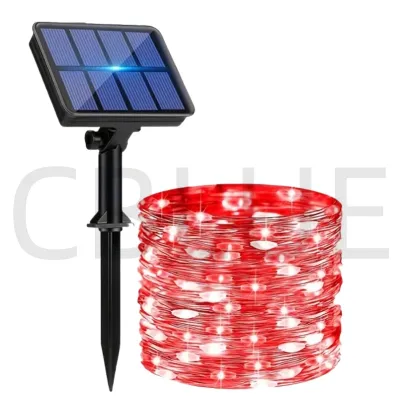
![[Low Price]Solar Light String Christmas Light String Fairy Light String Outdoor Waterproof LED Light String 7/12/22/32M -50/100/200/300led 8ModesLED Copper Wire Light Christmas String Light Festival Atmosphere Decoration](https://img.lazcdn.com/g/p/a65ff526aead557d55b31898b1285a1a.jpg_400x400q80.jpg_.webp)
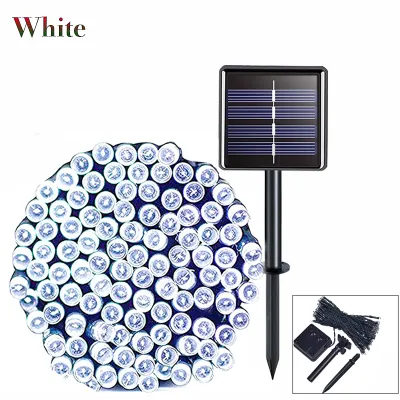
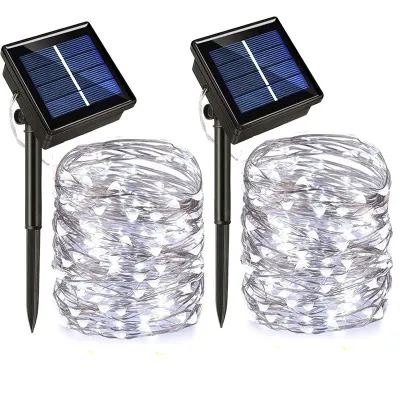
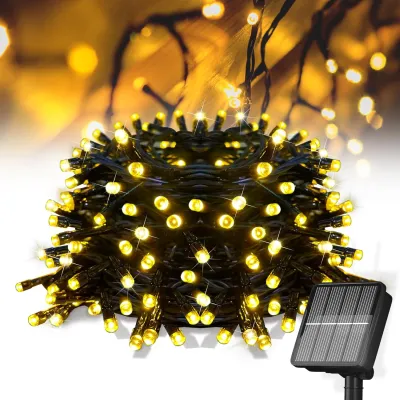
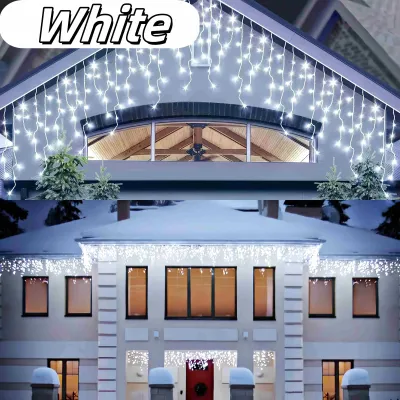
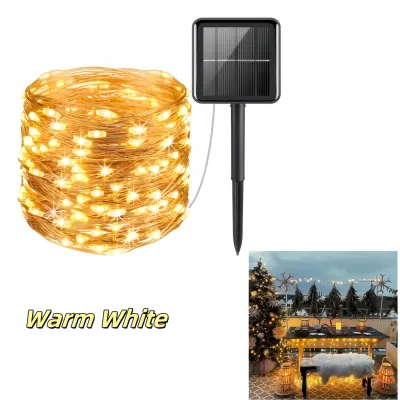
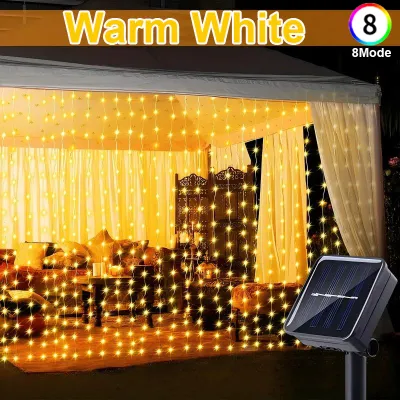
Prices are valid at publication and may change. Please refer to the product page for the latest price.
Next, observe your balcony’s daily sun exposure to identify the best placement for the solar panel. Because condominium units are often shaded by neighboring buildings, deep overhangs, or upper-floor balconies, direct sunlight can be limited. Track where the sun hits your balcony directly during the brightest parts of the day. The solar panel will need unobstructed access to this zone to charge the battery sufficiently for evening illumination.
Finally, consult your condominium corporation’s deed of restrictions or building administration guidelines. Many properties enforce strict rules regarding exterior decorations to maintain building uniformity and safety. Check for specific regulations concerning items hung over railings, restrictions on drilling into exterior walls or columns, and rules regarding light pollution or flashing lights that might disturb adjacent residents. Complying with these guidelines beforehand saves you from the hassle of taking down your display later.
Choose the Right Solar Fairy Lights for Small Spaces
Selecting the right solar lights for a compact balcony requires looking closely at product specifications rather than just aesthetic appeal. In limited spaces, the physical design of the light string matters. Micro-LED fairy lights on thin copper or silver wire are highly suitable for small balconies because the wire virtually disappears during the day, keeping your outdoor space looking neat. Standard thick green or black PVC wires can look bulky and visually cluttered when draped over a small metal railing.

Because your lights will be exposed to the elements, you must verify their weather resistance by checking the product packaging. The tropical climate in the Philippines brings intense sun, high humidity, and sudden heavy downpours. Look for an Ingress Protection (IP) rating on the label; lights rated IP44 are generally splash-proof and suitable for semi-sheltered balconies, while an IP65 or higher rating is recommended for fully exposed patios that experience direct rainfall.
Solar panel efficiency and battery capacity are critical for consistent performance. Look for monocrystalline solar panels, which tend to convert light more efficiently in limited space compared to polycrystalline alternatives. Check the battery capacity, typically measured in milliampere-hours (mAh), to ensure it can store enough energy to power the LEDs through the evening. A larger battery capacity is especially helpful during the rainy season when daytime sunlight is intermittent.
When reviewing options, verify the voltage, base or interface type, wattage limits, dimensions, and dimming methods listed on the product label. Ensure the product carries recognized electrical safety certifications to guarantee safe operation. Keep in mind that decorative style, perceived color temperature, and spatial effects are highly subjective. Warm white lights (around 2700K to 3000K) offer a cozy, relaxing ambiance, while cool white or multicolor lights provide a more vibrant, energetic festive feel. Choose a model with adjustable lighting modes so you can switch from flashing to steady-on if flashing lights prove too distracting in close quarters.
Install Safely Without Damaging Condo Property
Installing decorations on a condo balcony requires non-destructive mounting methods to avoid damaging the building’s exterior, which is typically considered common property. Avoid drilling holes into concrete walls, columns, or metal railings, as this can compromise waterproofing and lead to structural issues or fines. Instead, utilize damage-free mounting solutions such as outdoor-rated adhesive clips, UV-resistant zip ties, or adjustable tension rods placed between walls or floor-to-ceiling spaces.
When positioning the solar panel, secure it firmly to prevent it from shifting or falling. High winds during tropical storms can easily dislodge loose items on upper floors, posing a severe safety hazard to people and property below. Angle the panel upward toward the open sky to maximize sun exposure, and ensure it is mounted away from high-traffic walkways where it could be stepped on or present a tripping hazard.
Route all wiring neatly along the structural lines of your balcony. Use zip ties to secure the wires tightly against railings or beams, keeping them taut and out of the way of balcony doors and furniture. Loose, dangling wires not only look untidy but can also catch on clothing or limbs, leading to accidental falls or damage to the light string itself.
If your installation plan involves connecting to fixed outdoor wiring, working at significant heights, handling heavy suspended loads, or placing lights near heat sources, always prioritize safety. Isolate the power source before handling any electrical connections, follow the manufacturer’s instructions explicitly, and stay within safe physical boundaries. If you are unsure about structural modifications or electrical safety, stop the installation immediately and consult a qualified professional or your building management.
Maintain and Store Your Lights for Next Year
To ensure your solar Christmas lights last for multiple holiday seasons, regular maintenance is essential. Dust, soot, and salt spray can quickly accumulate on the surface of the solar panel, blocking sunlight and drastically reducing its charging efficiency. Wipe down the solar panel and the individual LED casings periodically using a soft, damp microfiber cloth. Avoid using harsh chemical cleaners or abrasive pads, which can scratch the protective plastic coating and permanently degrade performance.
Before hanging your lights each season, and occasionally during use, inspect the entire length of the wire. Look for signs of fraying, cracking, or brittleness caused by prolonged UV exposure. Check the battery compartment for any signs of water intrusion, rust, or corrosion. If you observe exposed copper wire or damaged insulation, replace the light string immediately to prevent short circuits or electrical hazards.
When the holiday season ends, take down your lights carefully to avoid stretching or snapping the delicate wires. Store the light strings and solar battery units in a cool, dry indoor location away from direct sunlight and extreme temperature fluctuations. If the unit allows you to remove the rechargeable batteries, take them out before storage to prevent potential acid leakage and corrosion over the off-season months. Wrapping the wires neatly around a piece of cardboard will prevent tangling and make installation much easier next year.
Frequently Asked Questions (FAQ)
Do solar Christmas lights work on shaded balconies?
Solar Christmas lights require direct sunlight to charge their internal batteries effectively. If your balcony is heavily shaded by neighboring buildings or deep architectural overhangs, the solar panel may not receive enough energy to fully charge, resulting in dim illumination or a very short operating time. To resolve this, look for solar light models that feature a detachable solar panel connected to a long lead wire. This design allows you to position the panel in a sunnier spot at the edge of the balcony while keeping the decorative lights in the shaded seating area.
Can I leave solar fairy lights outside all year round?
While many high-quality solar fairy lights are designed with weather-resistant materials, leaving them outside permanently is not recommended. Continuous exposure to intense tropical UV rays, high humidity, and heavy seasonal rains will accelerate the degradation of plastic casings, wire insulation, and internal battery components. To maximize the lifespan of your lights, treat them as temporary seasonal decorations. Taking them down, cleaning them, and storing them indoors during the off-season will protect them from unnecessary wear and ensure they remain functional for years to come.

Community discussion
Share your experience or ask a question. Comments are reviewed before publication.