
Choosing the right solar pathway and lawn lights for a garden in the Philippines requires balancing aesthetic goals with the realities of a tropical climate. High humidity, intense seasonal monsoons, and varying shade from lush tropical foliage mean that standard off-the-shelf lights may fail prematurely if not selected carefully. To find the ideal fixtures, you must evaluate your garden’s layout, verify critical technical specifications, and match the physical design of the lights to your specific outdoor zones. Taking the time to understand these factors ensures your outdoor spaces remain beautifully illuminated, safe, and welcoming throughout the year.
Assessing Your Garden's Lighting Needs
Before purchasing any solar lighting fixtures, it is essential to map out your outdoor space to determine exactly how many lights you need and where they should be placed. Start by walking through your garden both during the day and after dark to identify key areas that require illumination. Take note of pathways, steps, garden beds, and architectural features that you want to highlight or make safer for night-time navigation.
Measuring your pathway width and lawn area is a crucial first step in estimating the number of fixtures and their spacing. For narrow walkways, placing lights too close together can create a cluttered look, while spacing them too far apart leaves hazardous dark spots. A good rule of thumb is to space pathway lights every five to eight feet, depending on the light output of the fixtures. For larger lawn areas, you can use a staggered pattern to create a soft, balanced glow rather than a rigid, linear arrangement.
Products mentioned in this guide
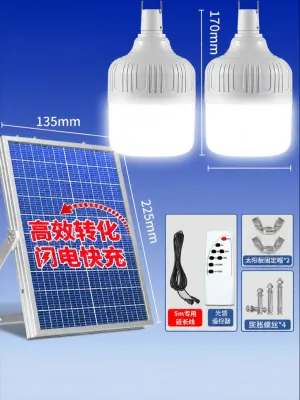
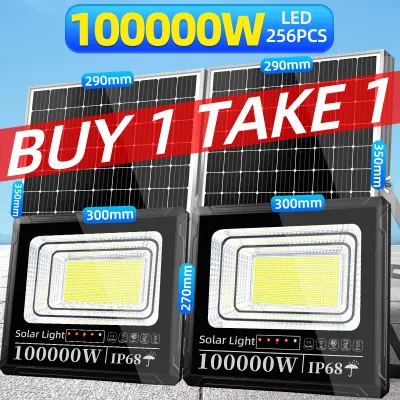
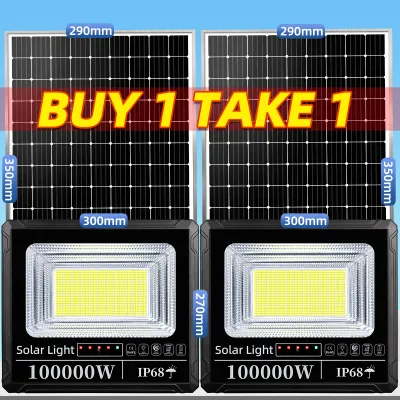
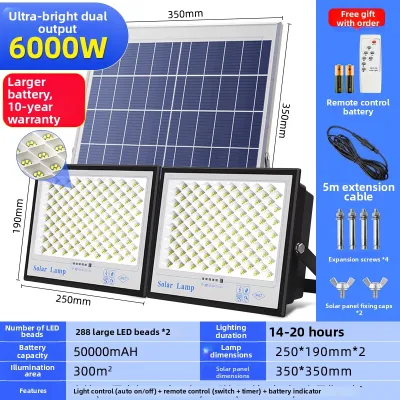
Prices are valid at publication and may change. Please refer to the product page for the latest price.
Next, observe the shade patterns in your garden throughout the day, particularly between 10:00 AM and 2:00 PM when solar radiation is strongest. Tropical gardens in the Philippines often feature dense canopies from mango trees, palms, or ornamental shrubs, alongside shadows cast by high perimeter walls and roof overhangs. Solar panels require direct sunlight to charge effectively, so placing fixtures in permanently shaded areas will result in poor performance. If your desired pathway is heavily shaded, look for solar light systems that feature a detached solar panel connected by a long wire, allowing you to place the panel in a sunny spot while keeping the light fixture in the shade.
Finally, define the primary goal of your garden lighting. If your main objective is safety and security, you will need brighter fixtures with wider light distribution to illuminate potential tripping hazards, steps, or entry points. If your goal is purely aesthetic, such as creating a cozy ambiance for evening gatherings or highlighting specific plants, you can opt for softer, lower-lumen accent lights. Clarifying this goal helps you narrow down the brightness levels and designs that will work best for your space.
Key Specifications to Verify Before Buying
When browsing online marketplaces or local home improvement stores, reading the technical specifications on the packaging is vital to ensure the lights can withstand local outdoor conditions. The first specification to check is the lumen output, which measures the brightness of the light. For subtle lawn accents or decorative borders, fixtures offering 5 to 15 lumens are usually sufficient. For pathways, driveways, and security areas where clear visibility is required, look for lights that deliver 50 to 200 lumens.

Along with brightness, consider the color temperature, which is measured in Kelvin (K). Warm white light (typically 2700K to 3000K) creates a soft, relaxing, and traditional atmosphere that complements natural wood, stone, and warm-toned landscaping. Cool white light (5000K to 6500K) provides a bright, modern, and high-contrast illumination that enhances visibility and security. Because color temperature is a matter of personal preference and decorative style rather than a performance metric, choose the option that best matches your home’s existing aesthetic.
The battery type and capacity are critical factors that determine how long the lights will stay illuminated, especially during overcast or rainy days. Look for fixtures equipped with Lithium Iron Phosphate (LiFePO4) or Lithium-Ion (Li-ion) batteries, as they offer superior heat tolerance, faster charging times, and longer lifecycles compared to older Nickel-Cadmium (NiCd) or Nickel-Metal Hydride (NiMH) batteries. Check the battery capacity listed in milliampere-hours (mAh); a higher capacity allows the light to store more energy, ensuring it can run through the night even after a cloudy afternoon.
Given the intense tropical downpours and high humidity in the Philippines, verifying the Ingress Protection (IP) rating is non-negotiable. The IP rating consists of two digits: the first indicates protection against solid particles like dust, and the second indicates water resistance. For outdoor garden lights, a minimum rating of IP44 is acceptable for semi-sheltered areas, but IP65 or IP67 is highly recommended for fully exposed pathways and lawns. An IP65-rated fixture is completely dust-tight and protected against water jets, ensuring it remains functional during severe monsoon storms.
Lastly, pay attention to the type of solar panel integrated into the fixture. Monocrystalline solar panels are the most efficient option, as they convert a higher percentage of sunlight into usable electricity, making them ideal for regions with frequent cloud cover. Polycrystalline panels are slightly less efficient but offer a more budget-friendly alternative. Amorphous or thin-film panels are commonly found on low-cost decorative lights; however, they tend to degrade much faster under intense tropical sun and have lower charging efficiency, meaning they may not provide reliable performance over the long term.
Matching Light Designs to Pathways and Lawns
Selecting the right physical design for your solar lights depends heavily on the specific zone of the garden you wish to illuminate. Stake lights are the most popular choice for narrow pathways, flower bed borders, and lawn edges. When evaluating stake lights, pay close attention to the length and material of the ground spike. In the Philippines, clay-heavy soils can become extremely hard and compacted during the dry season, while sandy soils in coastal areas may lack stability. Look for sturdy, reinforced plastic or metal spikes that can penetrate the ground without bending or snapping, and always moisten the soil before attempting installation.
For wider walkways, driveways, and patios, bollard or pedestal lights offer a more structured and substantial lighting solution. These taller fixtures stand higher off the ground, allowing them to cast a wider pool of light over a larger surface area. When choosing bollards, verify their height to ensure they will not be obscured by growing lawn grass or low-lying shrubs. Additionally, check the mounting mechanism; some bollards are designed to be anchored directly into concrete or wooden decks using screws, while others utilize heavy-duty ground stakes.
If your goal is to highlight specific garden features, such as large palm trees, stone walls, or water fountains, adjustable spotlights or floodlights are the ideal choice. These fixtures allow you to direct a concentrated beam of light upward or downward to create dramatic shadows and highlights. When selecting solar spotlights, look for models that allow you to adjust the angle of the light head and the solar panel independently. This flexibility ensures you can aim the light precisely at your target while keeping the solar panel tilted toward the sky for maximum sun exposure.
For a more whimsical or festive atmosphere along lawn borders, fences, or pergolas, solar string lights or decorative lantern lights are excellent options. When choosing these decorative fixtures, verify the durability and weatherproofing of the wiring. High humidity and salty coastal air can quickly corrode exposed copper wires, leading to electrical failure. Opt for string lights with heavy-duty, commercial-grade rubber or PVC-insulated cables, and ensure that all connections between the solar panel, controller, and light sockets are tightly sealed with rubber gaskets to prevent moisture ingress.
Installation, Maintenance, and Safety Guidelines
Proper installation and regular maintenance are key to maximizing the lifespan and performance of your solar garden lights. When installing your fixtures, position the solar panels where they will receive at least six hours of direct, unobstructed sunlight daily. In the Philippines, angling the panels slightly toward the south helps capture the maximum amount of solar energy throughout the year as the sun’s path shifts. Avoid placing panels directly under roof gutters, trees, or structures where dripping water, falling leaves, or bird droppings can block the sunlight or physically damage the panels.
Routine cleaning is essential to keep your solar lights operating at peak efficiency. Over time, a thin layer of dust, pollen, mold, or salt residue can accumulate on the glass or plastic surface of the solar panel, significantly reducing its charging capacity. Wipe the panels down every few weeks using a soft, damp microfiber cloth and clean water. Avoid using harsh chemical cleaners, abrasive detergents, or rough scrubbing pads, as these can scratch the surface and permanently reduce light transmission. While cleaning, inspect the light housing for any signs of water entry, insect nests, or loose connections.
Safety should always be a priority when placing lights around your lawn and garden. Position your fixtures clear of high-traffic mowing zones and weed-whacking paths to prevent accidental damage from heavy garden machinery. Keep solar lights away from automated sprinkler heads, as continuous high-pressure water spraying can eventually wear down the weather seals and cause internal short circuits. Additionally, never install solar lights near outdoor grills, fire pits, or other high-heat sources, as excessive heat can damage the sensitive electronic components and cause the rechargeable batteries to degrade prematurely or fail.
While solar pathway and lawn lights operate on safe, low-voltage direct current (DC) power and are generally safe for DIY installation, certain scenarios require professional assistance. If you plan to integrate your solar lighting system with existing high-voltage wired outdoor electrical systems, or if you need to run extensive underground wiring for remote solar panels, always consult a qualified electrician. A professional can ensure that all connections are safe, properly grounded, and compliant with local electrical codes, protecting your home from potential electrical hazards or fire risks.
Frequently Asked Questions (FAQ)
Do solar pathway lights work during the rainy season?
Yes, solar pathway lights can function during the rainy season, but their overall performance and runtime will be reduced due to limited direct sunlight. Solar panels can still generate electricity from indirect light on overcast or rainy days, though at a fraction of their normal capacity. To ensure reliable performance during the monsoon months, look for fixtures equipped with high-efficiency monocrystalline solar panels and larger battery capacities (measured in mAh) that can store enough energy to power the lights through consecutive cloudy nights. Additionally, ensure the lights have an IP65 or higher water-resistance rating to withstand heavy, prolonged tropical downpours without water leaking into the internal electronics.
How long do the batteries in solar lawn lights typically last?
The rechargeable batteries inside solar lawn lights typically last between one and three years, depending on the battery chemistry, usage frequency, and environmental conditions. High tropical temperatures and frequent charge-discharge cycles can accelerate battery degradation over time. Common indicators that your batteries need replacement include a significant reduction in nightly runtime, dimming light output, or a complete failure to turn on after a sunny day. Before purchasing, check the product manual or packaging to verify if the battery is user-replaceable. When replacing batteries, always follow the manufacturer’s instructions regarding the correct battery type and capacity, and dispose of the old batteries responsibly at a designated electronic waste recycling facility.

Community discussion
Share your experience or ask a question. Comments are reviewed before publication.