
The best solar pathway and lawn lights for a Philippine garden must combine high weather resistance (at least IP65), rust-proof materials like high-grade ABS plastic or powder-coated aluminum, and efficient monocrystalline solar panels paired with durable lithium-ion or Lithium Iron Phosphate (LiFePO4) batteries. Because of the extreme tropical climate—characterized by intense ultraviolet rays, high humidity, and heavy monsoon rains—standard decorative lights often fail within a single season. Choosing durable, climate-ready fixtures ensures your garden pathways and lawns remain safely illuminated and visually striking year-round, even during the overcast wet season.
Investing in quality solar lighting not only enhances the nocturnal beauty of your landscaping but also improves home security and safety along walkways. By understanding the specific technical requirements needed to survive tropical conditions, you can avoid the common cycle of buying cheap, disposable fixtures that stop working after the first major storm. This guide will help you evaluate specifications, choose the right styles for your garden layout, and install them for maximum performance.
Quick Guide: What to Look for in Tropical Solar Lights
To navigate the vast selection of solar lights available in the Philippines, prioritize three foundational pillars: weatherproofing, material durability, and energy efficiency. Look for an Ingress Protection (IP) rating of IP65 or higher to prevent rain and fine dust from compromising the internal circuitry. Opt for UV-stabilized ABS plastic, stainless steel, or powder-coated aluminum to resist rust and sun damage.
Products mentioned in this guide
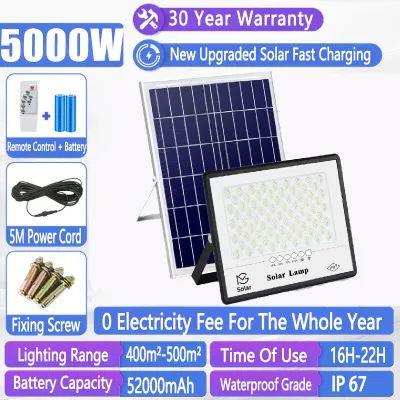
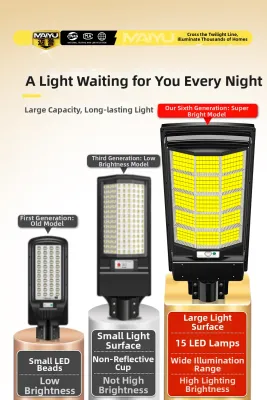
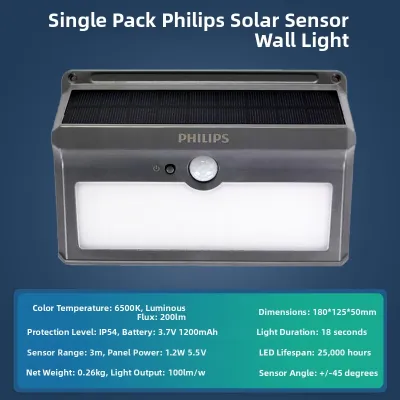
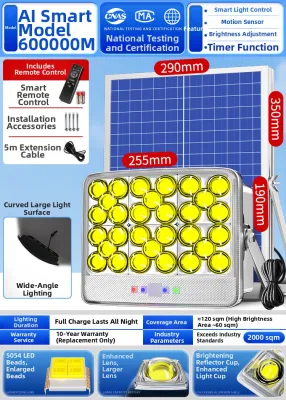
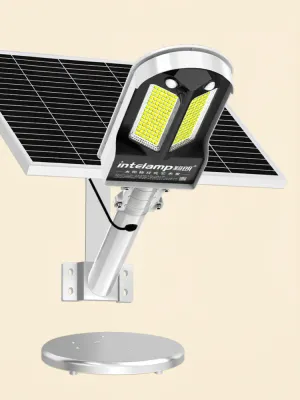
Prices are valid at publication and may change. Please refer to the product page for the latest price.
Additionally, check the solar panel type and battery chemistry. Monocrystalline panels paired with Lithium Iron Phosphate (LiFePO4) or Lithium-ion batteries offer the fastest charging rates and longest lifespans, which are essential for maintaining brightness during cloudy monsoon weeks. This guide breaks down these technical metrics and layout strategies to help you transform your outdoor space into a beautifully lit, low-maintenance haven.
Understanding the Tropical Climate Impact on Solar Lights
The Philippine climate presents unique challenges for outdoor electronic devices. High-temperature environments combined with intense ultraviolet (UV) radiation can degrade cheap plastics within months, causing them to turn brittle, fade, and crack. When plastic housings fail, moisture easily penetrates the interior, leading to short circuits and ruined LED modules.

Humidity is another silent killer of outdoor lighting. With average relative humidity levels frequently exceeding 80 percent in many parts of the country, moisture easily condenses inside poorly sealed fixtures. This persistent dampness corrodes copper wiring, degrades solder joints, and oxidizes battery terminals. If you live near coastal areas, salt-laden air accelerates this corrosive process, making untreated metal fixtures rust and fail prematurely.
Furthermore, the annual monsoon seasons bring prolonged periods of heavy cloud cover and torrential rains. During these weeks, the amount of direct sunlight available to charge solar panels drops significantly. Standard solar lights with low-efficiency polycrystalline panels and small nickel-metal hydride (NiMH) batteries often fail to charge fully, resulting in dim, flickering lights that turn off after only an hour or two. To counter this, your selected fixtures must feature oversized solar panels and high-capacity batteries designed to store enough energy to bridge consecutive overcast days.
Finally, strong winds from seasonal typhoons and localized thunderstorms can easily dislodge or break flimsy garden fixtures. Lightweight plastic stakes can snap or lean at awkward angles in water-saturated, muddy soil. Understanding these harsh environmental factors is the first step toward choosing robust, long-lasting solar lighting systems that deliver reliable performance year after year.
Essential Specifications to Check Before You Buy
When browsing local home improvement centers or online marketplaces, technical specifications can be confusing. To make an informed purchase, focus on a few key parameters that directly dictate the performance, safety, and lifespan of your solar lights.
- Weather Resistance (IP Ratings): The Ingress Protection (IP) rating consists of two numbers. The first digit represents protection against solid particles (0 to 6), and the second represents protection against liquids (0 to 9). For outdoor garden lights exposed to heavy tropical downpours, look for a minimum rating of IP65, which indicates the fixture is completely dust-tight and protected against water jets from any angle. For low-lying pathway lights or spotlights that may experience temporary pooling water during heavy rain, an IP67 rating is highly recommended.
- Brightness and Color Temperature: Brightness is measured in lumens, not watts. For subtle lawn ambiance, accentuating garden beds, or creating a soft glow, fixtures offering 10 to 30 lumens are ideal. For functional safety along pathways, driveways, or steps, aim for 50 to 150 lumens. Spotlights designed to highlight trees or architectural features require 200 to 500 lumens. Regarding color temperature, warm white (2700K to 3000K) creates a cozy, traditional, and relaxing atmosphere, while cool white (5000K to 6500K) provides high-visibility, modern, and crisp illumination. Note that perceived color temperature and spatial effects are conditional preferences rather than universal performance metrics.
- Battery and Charging Efficiency: The chemistry of the rechargeable battery inside the light determines how many charge cycles it can endure before losing capacity. Traditional NiMH batteries are inexpensive but have a shorter lifespan (around 500 cycles) and degrade quickly in high heat. Lithium-ion (Li-ion) and Lithium Iron Phosphate (LiFePO4) batteries are far superior, offering 1,000 to 3,000 cycles, better heat tolerance, and faster energy absorption. Pair these with monocrystalline solar panels, which have an energy conversion efficiency of 15 to 22 percent, compared to polycrystalline panels which hover around 11 to 15 percent.
- Build Materials: Avoid untreated or thin sheet metals that will rust rapidly in humid air. Instead, select fixtures constructed from high-grade, UV-stabilized ABS plastic, heavy-duty polycarbonate, powder-coated aluminum, or marine-grade stainless steel. These materials resist both the scorching tropical sun and persistent moisture, ensuring the structural integrity of the light remains intact over several years.
- Light Sensors and Intelligent Modes: Modern solar lights should feature automatic dusk-to-dawn sensors (photocells) that turn the lights on at sunset and off at sunrise. For high-lumen spotlights or pathway lights, look for motion-activated modes or multi-level brightness settings. These intelligent features allow the light to operate at a low standby brightness (e.g., 10%) and boost to 100% only when motion is detected, significantly conserving battery life during consecutive rainy days.
Before finalizing any purchase, verify the manufacturer’s specified voltage, base or interface type, wattage limits, physical dimensions, and electrical certifications to ensure the product is safe and compatible with your intended installation environment.
Best Solar Light Styles for Pathways and Lawns
Selecting the right style of solar lights involves matching the fixture’s design to its intended function and placement. Different zones of your garden require distinct light distributions, mounting heights, and aesthetic styles to create a balanced, safe, and visually appealing outdoor environment.
Pathway Stake Lights for Safe Walkways
Pathway stake lights are the most common fixtures used to outline walkways, driveways, and garden paths. When choosing these lights, prioritize downward-facing or shielded designs. Fixtures that direct light downward onto the ground prevent glare, ensuring that family members and guests can walk safely without being blinded by exposed LED bulbs.
The height of the stake light is also crucial for proper light distribution. Taller fixtures (around 30 to 50 centimeters) cast a wider pool of light, allowing you to space them further apart—typically 1.5 to 2.5 meters. Shorter fixtures require closer spacing to avoid dark, unlit gaps along the path.
Pay close attention to the construction of the ground stakes. Cheap, thin plastic stakes frequently snap when pushed into dry, compacted clay soils during the summer months, or they loosen and lean during the wet season when the ground becomes soft mud. Look for reinforced, thick-walled ABS or metal stakes that provide a stable, upright anchor in all soil conditions.
Solar Spotlights for Lawn and Plant Accents
Solar spotlights are designed to add depth and drama to your garden by highlighting specific focal points, such as mature palms, flowering shrubs, water features, or decorative stone walls. These fixtures feature adjustable heads and high-lumen outputs, allowing you to aim a concentrated beam of light exactly where it is needed.
For effective accent lighting, place the spotlight near the base of a tree or wall and angle the light upward. This technique, known as uplighting, emphasizes the texture of tree bark and the structure of the foliage. To illuminate a wide lawn area or a cluster of plants, position the spotlight further back and adjust the beam angle to cover more ground.
Because spotlights require substantial energy to produce higher lumen outputs, they typically feature larger solar panels. To ensure reliable performance, place these fixtures in open lawn areas that receive direct, unobstructed sunlight for at least six to eight hours a day. Avoid placing them directly under dense tree canopies, as shadows will severely limit their ability to charge.
Decorative Lanterns and Bollards for Garden Beds
For areas where soft, atmospheric lighting is preferred over high-intensity illumination, decorative lanterns and bollards are excellent choices. These fixtures often feature intricate cut-out patterns, woven textures, or vintage-style housings that cast beautiful, diffused shadows across your garden beds, patios, and outdoor seating areas.
During the day, these decorative lights serve as stylish garden ornaments that complement your landscaping. At night, they emit a gentle, low-glare glow that creates a warm, inviting ambiance perfect for evening relaxation or outdoor dining.
Positioning these fixtures within raised garden beds or along the borders of paved patios is highly practical. Elevating them slightly or placing them in protected garden beds keeps them safe from accidental damage caused by lawnmowers, grass cutters, or garden shears, which often destroy lower-lying pathway stakes.
How to Place and Install Lights for Maximum Charging
To get the most out of your solar lights, strategic placement and proper installation are essential. Even the highest-quality solar fixture will underperform if it is placed in a spot that does not receive adequate sunlight.
Begin by mapping your garden’s sun exposure throughout the day. Note how shadows shift from morning to afternoon. Avoid placing solar panels directly under roof eaves, tall solid fences, or dense tree canopies. For optimal charging in the Philippines, solar panels should ideally face south or be angled to capture unobstructed sunlight during the peak hours of 10:00 AM to 3:00 PM. If your garden has shaded pathways, consider using solar lights with detachable, separate solar panels. This allows you to mount the panel in a sunny spot on a wall or roof while running a low-voltage wire to the light fixtures in the shade.
Before permanently installing your lights, conduct a temporary test. Place the fixtures in your desired locations for two to three days to observe their runtime and brightness at night. This trial period allows you to adjust the placement or angles before securing them.
When you are ready to install stake lights, never force or hammer the plastic stakes directly into hard, dry ground, as this will crack the plastic. Instead, use a garden trowel to loosen the soil, or pour water over the area to soften the ground before pushing the stake in. For hard-packed clay or rocky soil, pre-drill a pilot hole using a metal rod or a drill. Ensure the stakes are pushed deep enough into the ground to remain stable against strong winds during the rainy season.
For wall-mounted or post-top lights, always isolate any nearby electrical wiring before installation, follow the manufacturer’s mounting instructions, and consult a qualified professional if fixed electrical connections are required. Working at height, near water features, or handling suspended loads requires strict adherence to safety guidelines and professional assistance if you are unsure of the electrical setup.
Simple Maintenance to Extend Battery and Fixture Life
A little regular maintenance goes a long way in preserving the performance and extending the lifespan of your solar garden lights, especially in a humid and dusty tropical environment.
Dust, pollen, bird droppings, and hard water spots from garden sprinklers can form a cloudy film over the solar panels, drastically reducing their charging efficiency. Wipe the panels clean once a month using a soft, damp microfiber cloth. Avoid using abrasive scrubbers or harsh chemical cleaners, as these can scratch the protective coating on the panels and permanently reduce light transmission.
Periodically inspect the light fixtures for any signs of moisture ingress, such as condensation behind the lens. Check that the rubber gaskets and seals are intact and properly seated. If you notice water inside, turn off the light, open the housing to let it dry completely, and apply a small amount of silicone sealant around the joints if necessary. Additionally, trim back any fast-growing tropical foliage, vines, or tall grass that may have grown over the solar panels and cast shadows.
Over time, rechargeable batteries naturally degrade and lose their capacity to hold a charge. If your solar lights only stay on for an hour or two despite receiving a full day of sunlight, it is likely time to replace the batteries. Always refer to the manufacturer’s instructions to identify the exact battery type, voltage, and capacity (mAh) required. Replace them with high-quality rechargeable batteries of the same specification, ensuring the battery compartment is clean and free of rust or corrosion before inserting the new cells.
Frequently Asked Questions (FAQ)
Understanding how solar technology behaves under local environmental conditions helps prevent common frustrations and ensures realistic performance expectations.
Do solar lights work during the Philippine rainy season?
Yes, solar lights will still function during the rainy season, but their performance will be altered. Modern solar panels, particularly monocrystalline models, can still generate electricity from diffuse daylight on overcast or rainy days. However, because the intensity of the light is much lower, the battery will not charge fully. This means the lights will have a shorter runtime at night and may appear dimmer. To maintain reliable lighting during the wet months, choose fixtures with oversized solar panels, high-capacity lithium batteries, and motion-sensor or power-saving modes that conserve energy when continuous brightness is not required.
Can I leave solar lights outside during severe typhoons?
It is highly recommended to bring lightweight, decorative, or loosely staked solar lights indoors when a severe typhoon warning is issued. Strong winds can easily pull stakes out of wet soil, turning the fixtures into dangerous airborne projectiles or causing severe physical damage. Heavy rain can also overwhelm standard IP65 seals if the fixtures are subjected to prolonged pooling water or extreme wind-driven rain. Heavy-duty, securely bolted, or professionally installed wall and post lights with high wind-resistance ratings may remain in place, but you should always check the manufacturer’s specific wind and weather guidelines to prevent damage and maintain warranty coverage.

Community discussion
Share your experience or ask a question. Comments are reviewed before publication.