
High-rise balconies in cities like Metro Manila or Cebu offer a private slice of the outdoors, but they are often limited by strict building regulations and a complete lack of outdoor electrical outlets. Solar pendant lights outdoor fixtures solve this dilemma by providing beautiful, ambient illumination without requiring complex electrical wiring. The ideal solar pendant for a compact balcony must balance compact dimensions, high moisture resistance to withstand tropical rains, and a solar panel configuration that can capture sufficient sunlight despite deep structural overhangs.
Why Solar Pendants Are Ideal for Compact Balconies
Condo living in the Philippines comes with strict rules. Homeowners’ associations (HOAs) and property management offices (PMOs) rarely permit residents to drill into exterior concrete walls or run extension cords from indoor outlets through window seals, which can compromise weatherproofing and violate safety guidelines. Solar-powered hanging fixtures bypass these restrictions entirely because they operate as self-contained, low-voltage systems. By utilizing solar energy, you eliminate the need for fixed wiring, ensuring full compliance with your building’s structural policies while keeping your utility bills unaffected.
Furthermore, space is at a premium on a typical two- to four-square-meter condo balcony. Traditional floor lamps or bulky table lights occupy valuable real estate that could otherwise be used for a small coffee table, a pair of chairs, or potted plants. Hanging a pendant light from an overhead beam, ceiling hook, or wall bracket elevates the light source, drawing the eye upward and creating an illusion of a larger, more open space. This vertical approach to lighting transforms a cramped balcony into a cozy evening retreat, casting a warm, atmospheric glow downward that makes the outdoor area feel like a natural extension of your indoor living room.
Products mentioned in this guide
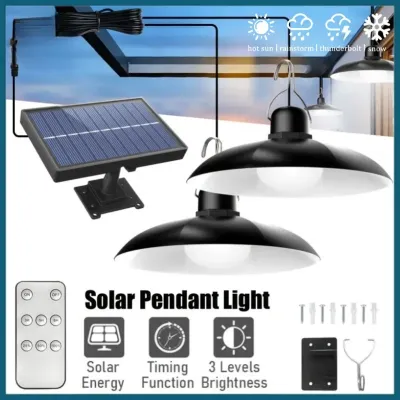
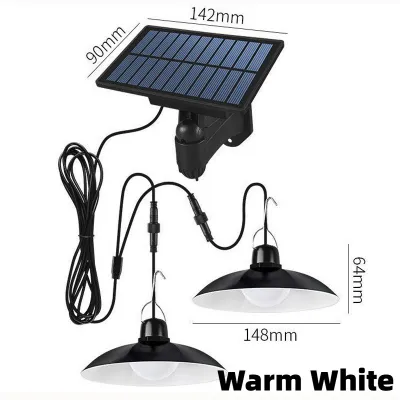
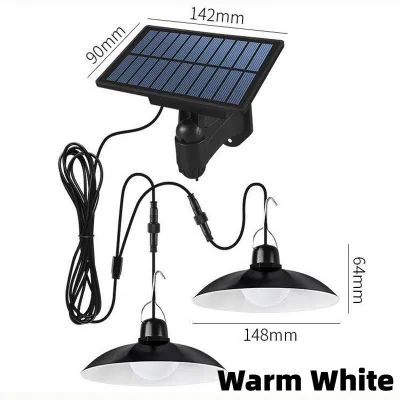
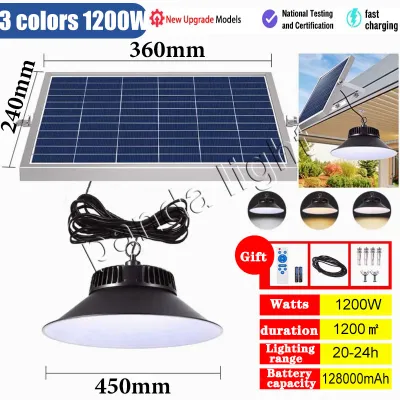
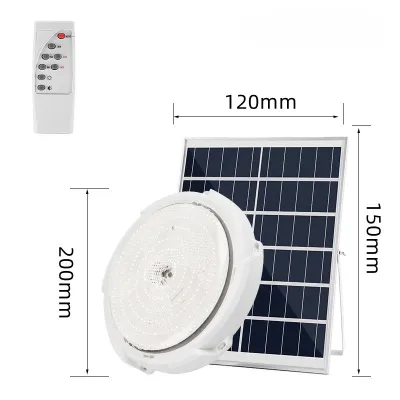
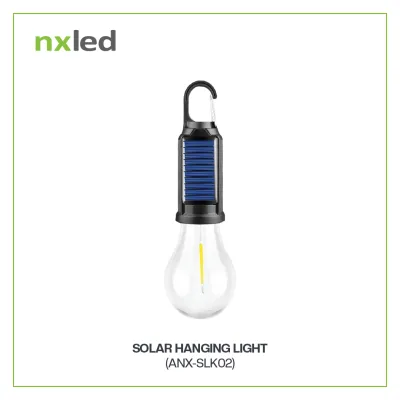
Prices are valid at publication and may change. Please refer to the product page for the latest price.
Key Features to Check Before Buying Solar Pendant Lights Outdoor
Evaluating the technical specifications of any outdoor lighting fixture is essential to ensure it operates safely and efficiently in your specific balcony environment.

Solar Panel Efficiency and Placement Constraints
When shopping for solar pendant lights outdoor fixtures, understanding how the solar panel collects energy is critical, especially on a high-rise balcony. Balconies are often shaded by the building’s own overhangs, adjacent towers, or specific directional orientations (such as north-facing units that receive minimal direct sunlight). There are two primary configurations to consider: integrated panels and split-panel designs. Integrated panels are built directly into the top of the light fixture itself. While highly compact and visually clean, they require the entire light to be hung in a spot that receives direct sunlight for several hours a day, which is often difficult under a deep balcony ceiling.
In contrast, split-panel designs separate the light fixture from the solar panel, connecting them with a thin, weather-resistant cable. This setup allows you to hang the decorative pendant deep within your covered balcony while mounting the solar panel high on an outer railing or wall where it can maximize exposure to the sun. When evaluating panels, look for monocrystalline silicon specifications, as they generally offer higher conversion efficiency in limited space compared to polycrystalline alternatives. Always check the manufacturer’s rated charging time and panel wattage; a higher wattage rating relative to the battery size indicates a panel that can charge more effectively even during shorter windows of direct sunlight.
Brightness, Color Temperature, and Battery Life
To ensure your balcony lighting matches your intended activities, you must carefully evaluate the light’s technical specifications. Start by checking the lumen output on the product label. Ambient mood lighting typically requires a softer output of 10 to 50 lumens, which is sufficient for relaxing or enjoying a quiet conversation without blinding you in a confined space. If you plan to use your balcony for reading or dining, look for fixtures that offer adjustable brightness levels or a higher output range of 100 to 200 lumens.
Color temperature and spatial effects are highly subjective, and you should treat them as conditional design preferences rather than universal performance facts. For residential balconies, many users prefer warm white color temperatures, specifically between 2700K and 3000K, to create a relaxing, cozy atmosphere. This warm spectrum mimics traditional incandescent bulbs, creating an inviting atmosphere that contrasts beautifully with the cool, blue-toned ambient light of the surrounding city skyline. However, if you require high-visibility task lighting, a neutral white light may be more suitable for your specific needs.
Additionally, look past generic marketing claims of “all-night runtimes” and verify the battery specifications. Check the battery type—lithium-ion (Li-ion) batteries generally offer superior energy density and longer lifespans compared to older nickel-metal hydride (NiMH) options. Note the battery capacity, measured in milliampere-hours (mAh). A larger capacity battery can store more energy to keep the light illuminated longer, but remember that the actual runtime is strictly dependent on how much direct sunlight the panel receives during the day.
Weather Resistance and Material Durability
The tropical climate of the Philippines presents unique challenges for outdoor electronics, characterized by intense heat, high humidity, salty air in coastal areas, and torrential rains during the monsoon season. To prevent premature failure, you must verify the fixture’s Ingress Protection (IP) rating. Look for a minimum rating of IP44, which indicates protection against water splashes from any direction. For completely exposed balconies that experience heavy downpours, an IP65 or IP66 rating is highly recommended, as this ensures the housing is dust-tight and protected against water jets.
Material selection is equally critical for long-term durability. If choosing metal fixtures, ensure they are constructed from rust-proof materials like aluminum, stainless steel, or powder-coated iron to resist the corrosive effects of high humidity. For plastic components, check that the manufacturer specifies UV-resistant materials, which prevent the housing from becoming brittle and cracking under intense tropical sun exposure. If you prefer natural materials like rattan or bamboo, verify that they have been treated with marine-grade varnishes or anti-fungal coatings to prevent mold growth. Always check the product packaging and care labels to confirm the light is explicitly rated for outdoor use; never attempt to use indoor-rated pendants on an open balcony, as moisture accumulation can lead to short circuits or electrical hazards.
Finally, do not assume a product is safe or compatible based solely on its design category. Before purchasing, verify the system’s operational voltage, base or interface connections (such as USB backup charging ports), wattage limits, physical dimensions, and dimming methods. Look for recognized electrical certifications (such as CE, RoHS, or local safety marks) on the product documentation to ensure the electrical components have been tested for safe operation in damp environments.
Top Solar Pendant Styles for Small Condo Balconies
Choosing a style that complements your personal taste while respecting the physical limitations of your balcony will ensure long-term satisfaction.
Woven Rattan and Bamboo for Tropical Ambient Glow
For those who want to embrace a classic tropical or “Kahoy” aesthetic, woven rattan and bamboo solar pendants are an exceptional choice. These natural, organic materials diffuse light beautifully, casting intricate, textured shadow patterns across your balcony walls and floor. This play of light and shadow adds visual depth to a small space, making it feel more dynamic and cozy.
However, because natural fibers are highly sensitive to moisture, you must check the manufacturer’s care instructions to ensure the material has been treated for outdoor humidity and mold resistance. Even with protective coatings, these styles are best suited for covered or semi-covered balconies where they are shielded from direct, heavy downpours. To maximize their lifespan, consider hanging them closer to the condo’s sliding glass doors rather than right against the outer railing, protecting the delicate fibers from the worst of the seasonal monsoon rains.
Minimalist Metal and Glass for Modern Space-Saving
If your condo features a sleek, modern, or industrial interior design, minimalist metal and glass solar pendants can seamlessly extend that aesthetic to your balcony. Geometric wireframe or cage-style metal pendants are particularly effective for small areas because they take up very little visual space. The open structure allows light to pass through unobstructed, preventing the balcony from feeling cluttered or closed in.
When selecting these modern designs, verify that all metal components are powder-coated or explicitly labeled as rust-resistant to withstand the local humidity. For glass components, check the product specifications to ensure the shade is made of tempered or shatter-resistant glass. High-rise balconies can experience sudden, violent wind gusts, especially during typhoon season; a heavy or fragile glass pendant must be securely anchored with a sturdy chain or cable to prevent it from swinging dangerously or breaking against the building facade.
Miniature and Collapsible Lanterns for Tight Spaces
For ultra-compact balconies, units with very low ceilings, or narrow overhangs where space is exceptionally limited, miniature and collapsible solar lanterns offer a highly practical solution. These lightweight fixtures can be easily suspended from simple railing hooks, tension rods, or low-profile ceiling tracks without requiring heavy-duty mounting hardware. Many collapsible models are made from durable, waterproof nylon or silicone, allowing them to pack flat when not in use.
When choosing these compact fixtures, carefully check the total hanging length and weight listed on the product specifications. It is crucial to ensure that the light does not hang so low that it obstructs your main walkway or blocks the view from your sliding doors. Additionally, verify that the placement of the lantern complies with your condominium’s railing safety clearances, ensuring that no part of the fixture hangs outward over the edge of the balcony where it could pose a falling hazard to the floors below.
Safe Installation Practices for Condo Balconies
Installing outdoor lighting on a high-rise condo balcony requires a careful balance of aesthetic desire and structural safety. Most condominium corporations enforce strict guidelines regarding exterior modifications to preserve the building’s structural integrity and aesthetic uniformity. You must strongly avoid drilling holes into structural concrete ceilings, exterior plaster walls, or glass railing supports. Drilling can breach the building’s waterproofing layers, lead to concrete spalling, damage hidden electrical conduits, and void your unit’s structural warranty.
Instead, prioritize safe, non-destructive hanging methods that can be easily reversed. Heavy-duty, weather-resistant tension rods designed for outdoor use can be wedged securely between the balcony floor and ceiling, providing a sturdy horizontal bar from which to hang lightweight solar pendants. Another excellent option is utilizing high-strength, outdoor-rated adhesive hooks or specialized metal S-hooks designed to loop over existing structural balcony beams or sturdy metal railings. If your balcony has an existing metal trellis or overhead pipe, you can use heavy-duty, UV-resistant zip ties or adjustable stainless steel clamps to secure the light fixture safely.
Before finalizing installation, always review your specific condominium corporation’s house rules and regulations. Pay close attention to clauses regarding objects hung near or over the balcony railings. In high-rise environments, wind speeds can escalate rapidly; any unsecured item can easily become a dangerous projectile. Ensure that all hanging fixtures, solar panels, and connecting cables are tightly secured with secondary safety tethers, such as a thin steel wire loop, to prevent any risk of falling hazards.
If your installation involves suspended loads, working near the edge of the balcony, or working at a significant height, you must establish clear safety boundaries. Always isolate any electrical power sources if you are connecting to an existing outdoor outlet, follow the manufacturer’s exact installation instructions, and use stable, slip-resistant ladders. If the mounting process requires structural modifications, complex wiring, or presents safety risks that you are uncomfortable managing alone, stop immediately and consult a qualified professional or your building’s maintenance staff to complete the installation safely.
Maintenance Tips for Tropical Weather Conditions
To keep your solar pendant lights outdoor fixtures operating at peak efficiency in the Philippines’ humid and dusty environment, a regular maintenance routine is essential. Dust, pollen, industrial soot in urban areas, and salt residue in coastal regions can quickly accumulate on the surface of the solar panel. This thin film of grime blocks sunlight, drastically reducing the panel’s charging efficiency and shortening the light’s nightly runtime. Every two to three weeks, gently wipe the solar panel with a soft, clean, damp microfiber cloth. Avoid using abrasive scrubbing pads or harsh chemical cleaners, which can scratch or degrade the protective coating on the solar cells.
Cleaning the main body of the light fixture should also be done carefully, adhering strictly to the manufacturer’s material care labels. For woven rattan or bamboo fixtures, use a dry or slightly damp soft brush to remove dust from the crevices, and avoid soaking the material. For metal and glass fixtures, a mild soapy water solution is usually sufficient to remove grime, followed by a thorough drying with a clean towel to prevent water spots or localized rust.
The extreme weather of the tropical monsoon season requires proactive care. When a severe weather warning or typhoon is approaching, do not leave your solar pendants outside. Temporarily take down the light fixtures and their detached solar panels, and store them safely indoors. High winds can easily tear fixtures from their mounts, causing severe damage to the lights or creating a major safety hazard for people below. Finally, pay attention to the performance of the internal rechargeable batteries over time. If you notice that the light’s runtime has significantly decreased despite receiving a full day of direct sunlight, consult the manufacturer’s lifecycle instructions to determine if it is time to replace the battery, ensuring you use only the recommended specifications.
Frequently Asked Questions (FAQ)
Do solar pendant lights work on cloudy or rainy days?
Yes, solar pendant lights can still charge on cloudy or rainy days, but their overall efficiency drops significantly. Standard solar panels rely on direct sunlight to charge at their maximum rate; under heavy cloud cover, they generate much less electricity, which directly translates to a shorter runtime at night. If your balcony is frequently shaded or experiences long stretches of overcast weather during the wet season, look for models equipped with high-efficiency monocrystalline solar panels or split-panel configurations. A split-panel design allows you to position the solar collector in the absolute sunniest spot available on your balcony railing, maximizing every bit of ambient light.
Can I replace the battery in a solar pendant light?
Whether you can replace the battery depends entirely on the design of your specific solar pendant light model. Some fixtures are manufactured as sealed, waterproof units where the battery is permanently integrated; once the battery reaches the end of its natural lifespan (typically one to three years), the entire unit must be replaced. Other models feature accessible battery compartments secured by screws and rubber gaskets to maintain water resistance. If long-term sustainability is a priority for you, check the product specifications before purchasing to ensure the battery is user-replaceable. Always follow the manufacturer’s instructions carefully when opening the compartment, and replace the old cell with the exact battery type, size, and voltage (such as a specific 1.2V NiMH or 3.7V Li-ion cell) to prevent damage, short circuits, or safety hazards.

Community discussion
Share your experience or ask a question. Comments are reviewed before publication.