
To create a cozy, inviting ambiance in your condominium without cluttering your limited wall outlets, choosing the right christmas lights solar power setup is a highly practical solution. While traditionally designed for outdoor gardens and balconies, these eco-friendly lights can easily transition indoors to transform your bedroom or living room into a warm sanctuary. However, achieving this indoor glow requires a strategic approach to solar charging and specific product features tailored to high-rise living. By understanding how to balance the physical constraints of a condo with the technical specifications of solar-powered decorative lighting, you can enjoy a beautifully illuminated home throughout the holiday season and beyond.
Why Christmas Lights Solar Power Systems Work (and Struggle) in Condo Spaces
Using solar-powered decorative lighting indoors offers a unique set of benefits, particularly for those living in compact urban spaces. In many modern condominiums, wall outlets are premium real estate, often hidden behind heavy furniture or concentrated in specific utility areas. Running long, unsightly extension cords across a living room walkway or bedroom floor is not only an aesthetic drawback but also a safety hazard. Solar-powered string lights eliminate this issue entirely, allowing you to place delicate points of light in cozy corners, over bed frames, or along bookshelves without worrying about proximity to a power socket. This cord-free flexibility makes it much easier to maintain a clean, minimalist interior design.
However, high-rise living introduces distinct physical constraints that can challenge standard solar setups. Unlike outdoor gardens that receive unobstructed, 360-degree sunlight, a condo unit is limited by its window orientations, deep floor plans, and the shadows cast by neighboring towers. A solar panel placed indoors behind a window pane will receive significantly less solar radiation than one placed directly outdoors. Double-glazed or tinted window glass, which is common in many modern Philippine high-rises to reduce heat, can filter out a substantial portion of the ultraviolet light needed to charge the internal batteries.
Products mentioned in this guide
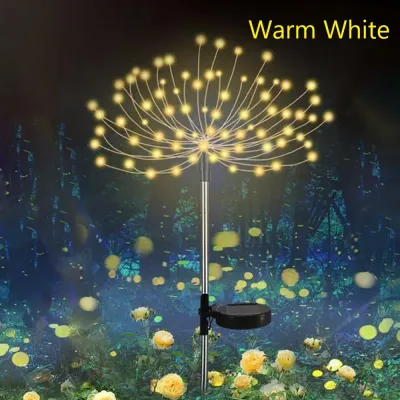
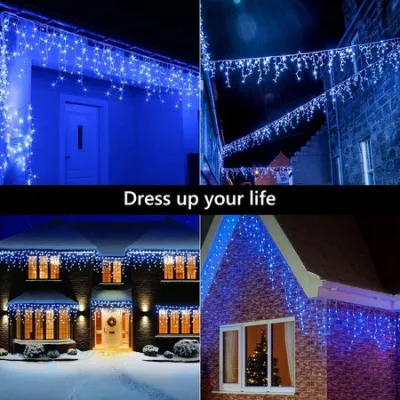
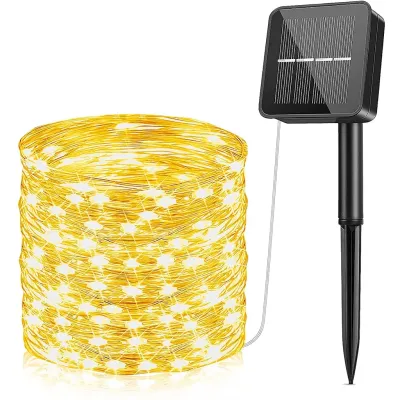
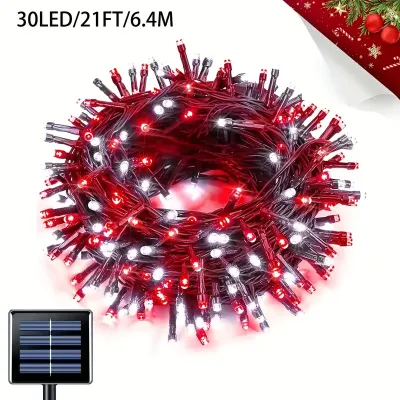
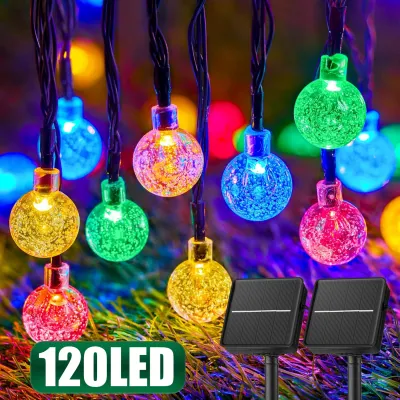
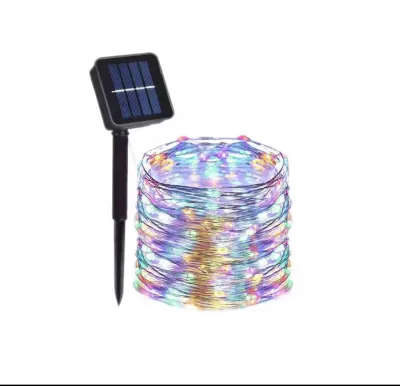
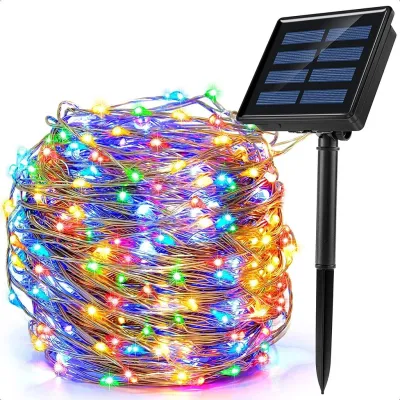
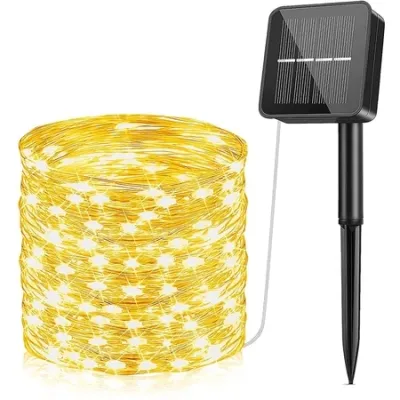
Prices are valid at publication and may change. Please refer to the product page for the latest price.
To overcome these limitations, the most effective solar systems for indoor use are rarely purely solar. Instead, they utilize a split-wire design—where the solar panel is connected to the light string via a long lead wire—or a dual-power system that includes a USB backup charging port. This hybrid functionality ensures that even during the rainy monsoon season (habagat) when heavy cloud cover persists for days, you can still maintain your desired evening ambiance by topping up the battery pack via a standard wall outlet or power bank.
Key Specs for a Warm, Cozy Indoor Ambiance
When selecting solar lights for indoor living areas, technical specifications directly dictate whether the lighting feels relaxing or uncomfortably harsh.

Color Temperature: The secret to a cozy bedroom or living room lies in the color temperature, measured in Kelvin (K). For a relaxing, warm glow, look for lights specified as “warm white,” which typically ranges from 2700K to 3000K. This range mimics the soft, amber light of traditional incandescent bulbs or candlelight. Avoid cool white lights (5000K or higher), which emit a stark, blue-toned light that can feel clinical and disrupt your body’s natural sleep cycle. While multicolor flashing lights have their place in festive outdoor displays, they can quickly become overwhelming in a confined indoor living area.
Brightness and Dimming: Indoor ambient lighting should be subtle. Many outdoor solar lights are designed to be as bright as possible to illuminate dark pathways, but high-lumen outputs can cause glare and eye strain in a small bedroom. Prioritize light strings that offer adjustable brightness levels or multiple lighting modes (such as a slow fade or steady-on low glow). This allows you to dim the lights as you wind down for sleep or raise the brightness slightly when hosting guests in the living room.
Lead Wire Length: Because the solar panel must remain positioned at a window to catch sunlight, the length of the lead wire—the unlit portion of the cable between the panel and the first LED bulb—is a critical dimension. If you plan to drape lights over a headboard or a bookshelf that sits several meters away from the nearest window, a short lead wire will pull the panel away from the glass. Look for models that offer at least 3 to 5 meters of lead wire to give you the flexibility to position the lights exactly where you want them while keeping the solar panel flush against the window.
Dual-Power Capability: A dual-power interface is the single most important feature for indoor condo solar lighting. Check the product specifications to ensure the solar battery pack includes a micro-USB or USB-C input port. This feature allows you to charge the internal battery using a standard mobile phone charger or a portable power bank. It guarantees that your lights will function perfectly regardless of daily weather patterns, window orientation, or seasonal shading from adjacent buildings.
Best Solar String Light Styles for Bedrooms and Living Rooms
Matching the physical style of your solar lights to your condo’s furniture and architectural features is key to maximizing their aesthetic impact.
Window Curtains and Balcony Door Drapes
Solar curtain lights or waterfall string lights are exceptionally well-suited for large floor-to-ceiling windows or sliding glass doors that open onto a balcony. These lights consist of a main horizontal wire from which multiple vertical light strands hang down, creating a shimmering wall of light. The natural weight of the vertical drops helps keep the strands straight and tangle-free, providing a clean, professional look. Because these lights are installed directly against the glass, the solar panel can be mounted easily on the window frame or glass pane using suction cups. This keeps the lead wire short and neatly concealed behind your main curtain fabric, ensuring that only the glowing lights are visible from the room.
Bed Canopies and Headboard Wraps
For bedrooms, flexible copper wire fairy lights offer unparalleled versatility. These lights feature tiny micro-LEDs embedded along a thin, bendable wire that can be easily wrapped around wooden bed frames, woven through headboards, or draped over a fabric canopy. Because the wire is highly pliable, it holds its shape without requiring heavy mounting hardware. When installing lights near bedding, pillows, or drapery, safety is paramount. Always verify that the light string operates on a low-voltage system (typically 1.2V to 5V) and that the LEDs are certified to remain cool to the touch even after hours of continuous operation. Refer to the manufacturer’s safety instructions before wrapping lights tightly around flammable fabrics.
Freestanding Accent and Shelf Lights
If you want to add ambient light to areas far from windows—such as a living room coffee table, a kitchen counter, or a dark bookshelf—running a long lead wire from a window panel may be impractical. In these scenarios, freestanding solar accent lights, such as solar-powered mason jars, decorative lanterns, or small glass globes with integrated solar lids, are the perfect solution. These self-contained units have a small solar panel built directly into the top lid or base. You can easily place these decorative jars on a sunny windowsill or balcony table during the day to charge, and then move them to your dining table or nightstand in the evening. They provide localized, cozy pools of light without any visible wiring, making them highly portable decorative elements.
How to Place and Hide the Solar Panel in a High-Rise
The biggest practical challenge of using solar lights indoors is securing enough sunlight for the panel without creating an eyesore.
Optimal Placement: To maximize charging efficiency, identify which windows in your condo receive the most direct sunlight. In the Philippines, south-facing windows receive consistent sunlight throughout the year, while west-facing windows catch the intense afternoon sun, making them ideal locations for solar panels. East-facing windows provide good morning light, whereas north-facing windows receive the least direct exposure. Ensure that the panel is not shaded by outdoor building columns, air conditioning compressors, or neighboring high-rises during peak sunlight hours.
Mounting Solutions: Because condo association rules and lease agreements strictly prohibit drilling into window frames, exterior concrete, or glass, you must use non-invasive mounting methods. Heavy-duty, UV-resistant suction cups with integrated hooks or clamps are highly effective for securing lightweight solar panels directly to the inside of glass window panes. If your living room opens up to a balcony, you can use adjustable plastic zip ties or clamp mounts to secure the panel to the balcony railing, routing the thin wire indoors through the corner of the sliding door frame.
Cable Management: To maintain a polished look, take time to hide the lead wire running from the window to your light display. Use clear, self-adhesive cable clips along the edges of the window frame and baseboards to keep the wire taut and flush against the wall. Alternatively, you can route the wire behind curtain rods, blend it into the folds of your drapes, or use paintable plastic cord covers that match your wall color to make the wiring virtually invisible.
Managing Expectations: It is important to remember that indoor glass filters out a portion of the light spectrum, which can reduce solar charging efficiency by 30% or more compared to outdoor placement. If you notice that your lights begin to dim after only two or three hours of operation, it is a clear sign that the panel is not receiving sufficient direct sunlight. Rather than leaving the lights dim, utilize the USB backup charging feature to fully restore the battery’s capacity, ensuring a bright and reliable glow for your evening relaxation.
Battery Safety and Maintenance for Indoor Use
Because solar light systems contain rechargeable batteries, proper maintenance and safety precautions are essential when using them inside your living space.
Heat Management: The tropical climate in the Philippines can cause indoor window areas to reach high temperatures, especially when direct sunlight is magnified through glass. Excessive heat is highly damaging to rechargeable batteries, potentially causing them to degrade quickly, lose capacity, or even swell. Avoid placing the solar panel’s battery compartment in unventilated spaces, such as tightly sandwiched between a glass pane and heavy blackout curtains. Ensure there is adequate air circulation around the battery unit to dissipate heat naturally.
Battery Care: Most solar Christmas lights utilize either Nickel-Metal Hydride (NiMH) or Lithium-ion (Li-ion) rechargeable batteries. Check the product label to verify the battery type and follow the manufacturer’s care instructions. If the lights fail to hold a charge even after a full day of direct sunlight or USB charging, the battery may have reached the end of its lifespan. Many models allow you to unscrew the battery compartment and replace the old cells. Always replace them with batteries that match the exact voltage (typically 1.2V for NiMH or 3.7V for Li-ion) and capacity specifications recommended by the manufacturer to prevent short circuits or overheating.
Off-Season Storage: When the holiday season ends and you are ready to pack away your decorations, proper storage will extend the life of your lights. First, turn the power switch to the “OFF” position to prevent the battery from draining completely, which can permanently damage its ability to hold a charge. If the unit features user-replaceable batteries, remove them from the compartment before storage to prevent potential acid leakage and corrosion caused by high humidity. Coil the light strings loosely around a cardboard tube or plastic spool to avoid sharp bends that can fatigue and break the delicate internal copper wires, and store the entire set in a cool, dry place away from direct moisture.
Frequently Asked Questions (FAQ)
Can I use outdoor-rated solar Christmas lights inside my condo?
Yes, outdoor-rated solar lights are generally safe to use indoors because they feature high water-resistance ratings (such as IP44 or IP65), which protect them from accidental spills or moisture. However, because they are built to withstand harsh outdoor elements, they often feature thicker, stiffer green or black rubber cables and larger, bulkier solar panels. These components can be difficult to hide and style in a refined indoor setting like a bedroom. If you choose outdoor-rated lights, ensure the wires are pliable enough for your styling needs and that the solar panel can be easily accommodated on your windowsill.
Do solar fairy lights work on cloudy days or in shaded rooms?
Solar panels will still charge on cloudy days, but their efficiency drops significantly, often capturing only 10% to 25% of the energy they would on a clear day. In shaded rooms or units facing narrow alleyways, solar charging alone will not keep the lights running for more than an hour or two. To avoid the frustration of dimming lights during the rainy season, it is highly recommended to choose a dual-power model. This allows you to rely on USB charging as your primary power source during overcast weeks, ensuring your living room remains cozy and bright regardless of the weather outside.

Community discussion
Share your experience or ask a question. Comments are reviewed before publication.