
Living in a modern condominium in the Philippines offers unparalleled convenience, but it also presents unique interior design challenges. Among these, limited ceiling height is one of the most common hurdles. With typical condo ceilings hovering between 2.4 and 2.7 meters, choosing the right lighting fixture requires a careful balance of aesthetics, functionality, and spatial awareness. If you are looking to integrate sustainable, energy-efficient lighting into your home, you might wonder if a solar-powered option is viable.
The short answer is yes, but with a major caveat: standard all-in-one outdoor solar lights will not work. To successfully illuminate a low-ceiling condo, you must look for a dedicated indoor ceiling light solar power setup, such as a split-panel system or a hybrid rechargeable fixture. These specialized configurations allow you to harness solar energy or maintain backup battery power without sacrificing precious headroom or violating building regulations.
The Reality of Solar Lighting in Condo Interiors
To understand why standard solar lights fail indoors, it helps to look at the physics of photovoltaic technology. Solar panels require direct, unobstructed sunlight to excite electrons within their silicon cells and generate electricity. When a solar panel is placed indoors, even near a window, the glass filters out a significant portion of the ultraviolet and infrared spectrums. Furthermore, a ceiling-mounted fixture is naturally shaded by the concrete slab above it, receiving zero direct sunlight.
Products mentioned in this guide
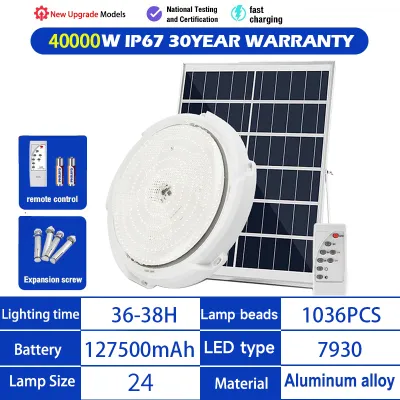
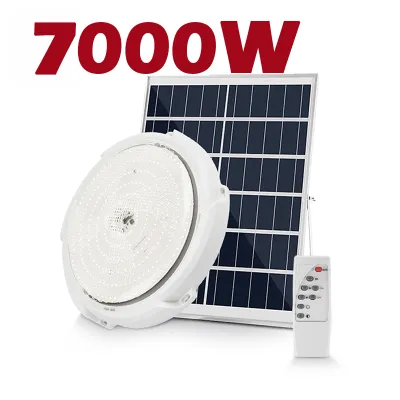
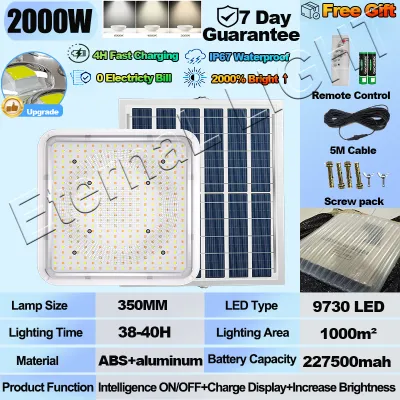
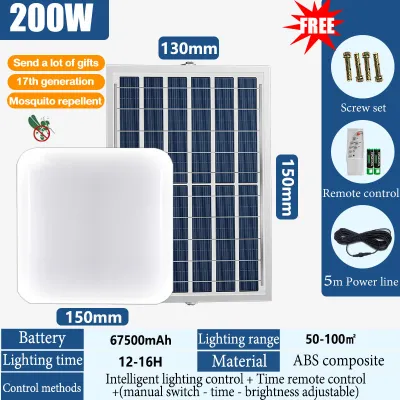
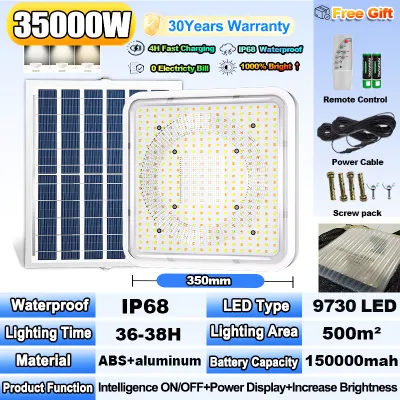
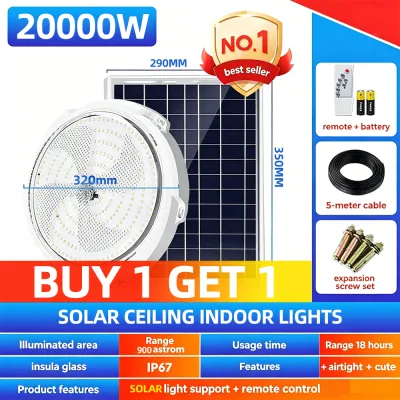
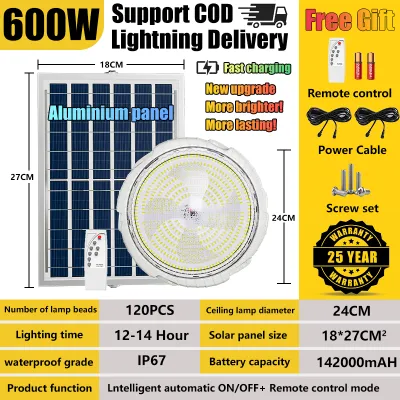
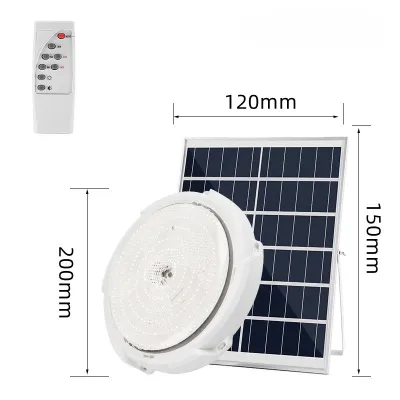
Prices are valid at publication and may change. Please refer to the product page for the latest price.
Because of these physical limitations, high-density residential units in urban areas like Metro Manila or Cebu require alternative setups. Instead of an all-in-one unit, condo residents must rely on split-panel solar systems or hybrid models. A split-panel system separates the light fixture from the solar panel, allowing you to place the panel in a highly sunlit area while the light remains indoors. Hybrid models, on the other hand, combine solar capabilities with USB or AC mains charging, ensuring the light remains functional even when solar charging is insufficient.
In the Philippines, having a battery-backed or solar-assisted lighting system is highly practical. The local power grid is frequently subjected to scheduled maintenance, localized power fluctuations, and sudden brownouts during the typhoon season. A reliable, battery-assisted ceiling light ensures that your living room, kitchen, or hallway remains safely illuminated during an outage, eliminating the need to fumble for flashlights or rely on noisy, fume-emitting portable generators.
Must-Have Specs for Low-Ceiling Flush Mounts
Ultra-Slim Profiles and Headroom
In the context of low ceilings, a flush mount refers to a light fixture that sits completely flat against the ceiling surface with little to no gap. When every centimeter of vertical space counts, minimizing the drop of your light fixture is essential to prevent a cramped, claustrophobic atmosphere.

When shopping for fixtures, always check the exact profile height, which is the thickness of the light itself. For low-ceiling condos, ultra-slim designs with a profile height of 2.5 centimeters (about 1 inch) or less are highly recommended. These slim profiles blend seamlessly into the ceiling, creating an illusion of height and keeping the visual field clear.
However, you must look closely at the mounting specifications. Some products are advertised as ultra-slim but feature a bulky battery pack, driver, or mounting bracket on the backside. In a standard house with a hollow drywall ceiling, this extra bulk can be recessed out of sight. In a Philippine condo, however, ceilings are almost always solid, poured-concrete slabs. Because you cannot easily hollow out concrete to hide a battery, any rear protrusion will force the fixture to sit lower, reducing headroom. Always verify that the advertised thickness includes the mounting mechanism and battery housing.
Lumens and Beam Angles for Compact Spaces
Ceiling height directly dictates how light spreads across a room. In a room with a high ceiling, light has ample vertical distance to disperse, naturally covering a wide area. In a low-ceiling condo, the light source is much closer to the floor and your eye line. If the beam angle is too narrow, the fixture will cast a harsh, concentrated spotlight directly beneath it, leaving the corners of the room in deep shadow and making the space feel smaller and more fragmented.
To avoid this, look for flush mount lights with a wide beam angle of 120 degrees or more. A wide beam angle ensures that the light is diffused evenly across the ceiling and walls, softening shadows and creating a more balanced, spacious feel.
When estimating the required brightness, focus on lumens rather than wattage, as LED efficiency varies. For small, functional spaces like entryways, bathrooms, or narrow hallways, a fixture delivering 500 to 800 lumens is generally sufficient. For central living areas, kitchens, or studio apartments, aim for a more robust output of 1,000 to 1,500 lumens.
Additionally, pay close attention to color temperature. While perceived color temperature is a matter of personal preference, it significantly affects how large a room feels. Extremely warm light (below 2700K) can make a small, low-ceiling room feel cozy but cramped, while harsh cool white (above 6000K) can feel clinical and uninviting. A neutral white color temperature of around 4000K is often the ideal compromise for condos. It mimics natural daylight, making compact spaces feel brighter, cleaner, and visually larger. Many modern fixtures offer adjustable color temperatures, allowing you to switch between warm, neutral, and cool tones depending on the time of day.
Choosing the Right Ceiling Light Solar Power System for Your Unit
Split-Panel Solar Flush Mounts
A split-panel system is the most effective way to achieve true solar-powered lighting inside a condominium. In this configuration, the ultra-slim LED flush mount is installed on your indoor ceiling, while a separate, weatherproof solar panel is placed outdoors—typically mounted on a balcony railing, an air-conditioner ledge, or a sunny windowsill. The two components are connected by a thin, low-voltage DC cable.
The primary advantage of this setup is efficiency. By placing the solar panel outdoors, it can capture direct sunlight throughout the day, maximizing battery charging. Furthermore, because the heavy battery cells and solar components are housed externally or within the panel assembly, the indoor ceiling fixture remains exceptionally thin and lightweight, making it easy to install on solid concrete surfaces.
The main limitation of split-panel systems is the physical cable. You must route the wire from the outside balcony into your living space. While some modern systems use ultra-flat ribbon cables designed to pass through the weather stripping of closed windows without damage, others may require drilling a small hole through a wall or window frame. This requirement can conflict with strict condominium association rules, making it essential to plan your wire routing path before purchasing.
Hybrid Rechargeable and Solar Flush Mounts
For renters or condo owners who cannot run wires to the outdoors, hybrid rechargeable flush mounts offer an excellent alternative. These fixtures feature built-in rechargeable lithium batteries and can be powered through multiple sources, including a small integrated solar panel on the fixture’s chassis, a USB charging port, or a direct connection to your condo’s AC mains power.
The beauty of a hybrid system lies in its versatility. You do not need to worry about complex outdoor installations or drilling holes. In daily use, the fixture can remain connected to your home’s electrical grid or be recharged periodically via a USB power bank. If a tropical storm triggers a power outage, the light automatically switches to its internal battery, providing hours of uninterrupted illumination.
However, you must keep in mind that the integrated solar panel on these fixtures is highly dependent on placement. Unless the light is installed directly under a skylight or extremely close to a large, south-facing window, the solar panel will receive very little usable light. In most condo layouts, you should treat the solar panel as an emergency backup and rely on USB or AC mains as your primary charging source. Additionally, because the battery is housed inside the ceiling fixture, these models are naturally thicker and heavier than pure split-panel designs.
Sensor-Activated Solar Ceiling Lights
Because indoor solar lighting relies on battery power that may be limited by suboptimal charging conditions, energy conservation is critical. Leaving a solar-powered light on continuously at full brightness will rapidly deplete the battery, leaving you in the dark when you need it most—especially during consecutive rainy days.
To maximize efficiency, look for fixtures equipped with smart sensors. Passive infrared (PIR) motion sensors detect body heat and motion, turning the light on only when someone enters the room and turning it off shortly after they leave. Microwave radar sensors offer even greater sensitivity, detecting movement through light obstacles, which can be useful in complex room layouts.
When choosing a sensor-activated light, ensure it features adjustable sensitivity and timer settings. In a compact condo, a sensor that is too sensitive may be triggered by a pet or minor movement in an adjacent room, causing the battery to drain unnecessarily. Setting the auto-off timer to a short duration, such as 30 to 90 seconds, ensures that areas like hallways, walk-in closets, or entryways are illuminated only when active, preserving valuable battery life for emergency situations.
Installation Rules and Safety Checks for Condos
Before undertaking any lighting installation, your first step must always be to consult your condominium’s property management office (PMO). High-rise buildings in the Philippines enforce strict structural and aesthetic guidelines. Drilling into structural concrete ceilings is often strictly regulated or entirely prohibited to prevent damage to embedded post-tension cables or electrical conduits. Additionally, hanging solar panels on balconies or running visible wires along the building’s exterior facade may violate uniform appearance rules.
You must also verify your ceiling type and structural capacity. While most modern condos feature solid concrete slab ceilings, some areas—such as bathrooms or kitchens—may use suspended gypsum board or plasterboard drop ceilings to conceal plumbing and air conditioning ducts. While standard flush mounts are relatively light, hybrid models containing heavy lithium-ion batteries require secure mounting. If you are attaching a fixture to a gypsum board ceiling, never use standard plastic wall plugs. Instead, use heavy-duty toggle bolts or butterfly anchors that distribute the weight across the back of the board. For solid concrete ceilings, ensure you use the correct masonry drill bits and expansion anchors, taking care not to drill deeper than the building’s safety limits.
Electrical safety is paramount, particularly when dealing with split-panel systems or hybrid fixtures connected to the grid. Ensure that all low-voltage DC cables are routed safely along walls or baseboards using adhesive cable clips. Never allow wires to drape loosely across walkways where they present a tripping hazard, and avoid pinching them in sliding glass doors or window tracks, which can wear down the protective insulation and lead to short circuits. If you plan to wire a hybrid fixture directly into your condo’s existing electrical switches, always isolate the power at the main circuit breaker before starting. If you are unsure about wiring configurations, structural load capacities, or local building codes, always consult a qualified electrician or professional installer.
Before finalizing any purchase, always verify the following technical specifications to ensure compatibility and safety:
- Voltage and Power Source: Confirm whether the system operates on low-voltage DC (typical for solar) or requires AC mains integration.
- Base and Interface: Check if the fixture uses integrated LEDs or replaceable bulbs with a standard base (such as E27).
- Wattage Limit: Ensure the power draw does not exceed the capacity of the integrated battery or your home's wiring.
- Physical Dimensions: Double-check the outer diameter and total installed height against your ceiling clearance.
- Dimming Method: Verify if the fixture supports dimming, and whether it uses a remote control, a mobile app, or a physical wall dimmer.
- Installation Environment: Ensure the fixture is rated for its intended location (e.g., damp-rated IP ratings for bathrooms or balconies).
- Electrical Certification: Look for recognized safety certifications (such as the Philippine Standard or Import Commodity Clearance marks) to guarantee build quality.
Frequently Asked Questions (FAQ)
Can I use a standard outdoor solar light indoors?
While you can physically bring an outdoor solar light inside, it is highly impractical for a low-ceiling condo. Outdoor solar fixtures are typically designed with bulky, utilitarian housings that waste valuable vertical headroom. They also tend to emit very bright, high-kelvin cool white light (often 6000K or higher) designed for security, which can make an indoor living space feel cold and clinical. Most importantly, because outdoor lights have integrated solar panels, they cannot charge while mounted on an indoor ceiling, requiring you to constantly take the fixture down and place it outside to recharge.
How long do indoor solar light batteries last on a single charge?
The runtime of an indoor solar light depends on several variables, including the battery’s capacity (measured in milliampere-hours or mAh), the selected brightness level, and the quality of the charge received. On a full charge, a high-quality lithium battery can power a flush mount LED light for 6 to 12 hours of continuous use at moderate brightness. If the fixture is set to a motion-sensor mode, the battery can easily last for several days or even weeks. However, because indoor charging conditions are rarely perfect, you should expect actual runtimes to be slightly lower than the manufacturer’s maximum specifications during periods of limited sunlight.
Do solar flush mount lights work on rainy days?
Yes, but their charging efficiency drops significantly. During the rainy season in the Philippines, heavy cloud cover, monsoon rains, and overcast skies block the direct sunlight required for rapid solar charging. While modern monocrystalline solar panels can still generate a small amount of electricity from ambient, diffused light on cloudy days, their output may drop to 10% to 25% of their peak capacity. To ensure reliable lighting during extended periods of bad weather, it is highly recommended to choose a split-panel system with a high-efficiency panel, or a hybrid model that allows you to recharge the internal battery via a USB port or AC mains connection when solar energy is scarce.

Community discussion
Share your experience or ask a question. Comments are reviewed before publication.