
To illuminate a small condo balcony in the Philippines without sacrificing precious floor space or violating property rules, the best solar walkway lights are low-profile, drill-free fixtures such as flat solar deck lights, clamp-on railing lights, and planter-integrated spikes. Unlike spacious suburban yards, a typical high-rise balcony in Metro Manila or Cebu features hard tiled or concrete floors, limited direct sunlight, and exposure to intense tropical weather. Finding the right setup requires shifting away from traditional high-stake garden lights toward compact, secure, and highly weather-resistant alternatives that provide ambient illumination safely.
Transforming a compact outdoor area into a cozy evening retreat is highly achievable when you select fixtures designed for structural adaptability. Since you cannot drive stakes into concrete, your lighting choices must rely on alternative mounting methods that withstand high winds during the monsoon season while keeping paths clear. By focusing on smart space utilization and proper solar panel placement, you can establish an inviting, well-lit balcony path that respects both your floor plan and your building’s guidelines.
Why Traditional Solar Walkway Lights Fail on Small Balconies
Standard solar walkway lights are engineered for expansive lawns and soft garden soil. They typically feature long, pointed plastic or metal stakes designed to be pushed deep into the earth for stability. On a condo balcony, where the floor consists of solid concrete, ceramic tiles, or outdoor decking, these stakes are completely unusable. Attempting to force them into shallow decorative pots often results in unstable, leaning fixtures that tip over at the slightest breeze, creating both an eyesore and a tripping hazard.
Products mentioned in this guide
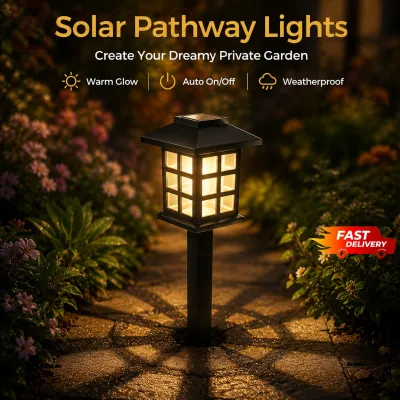
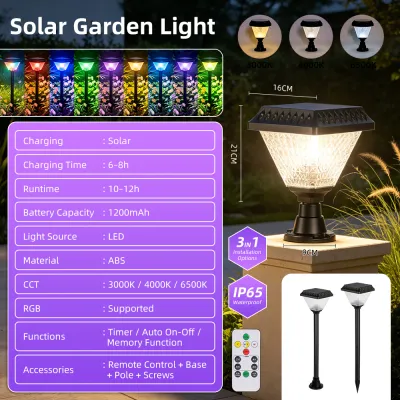
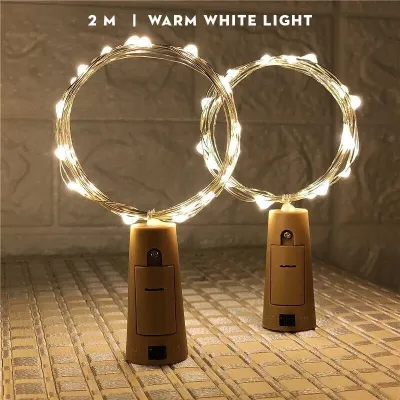
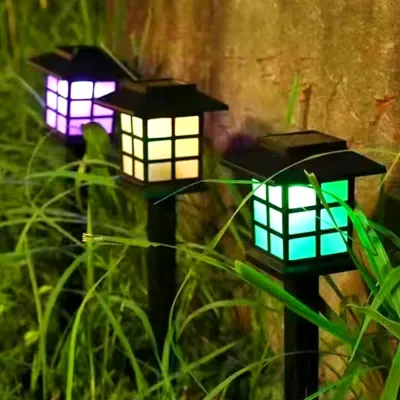
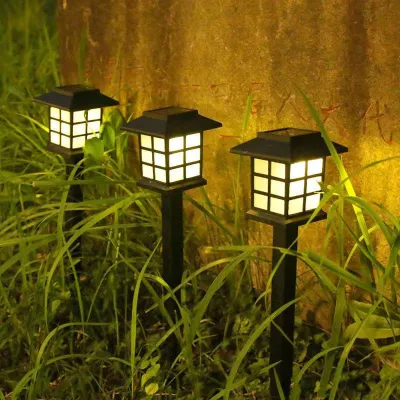
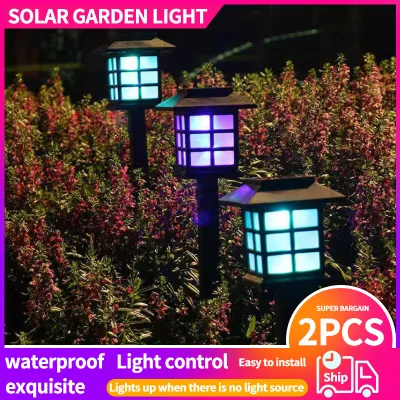
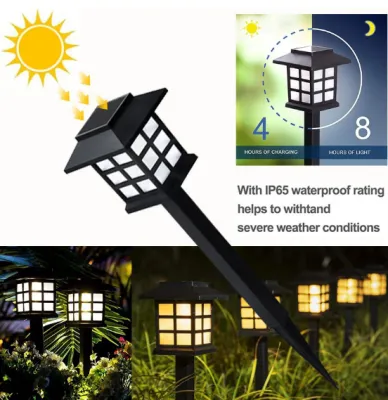
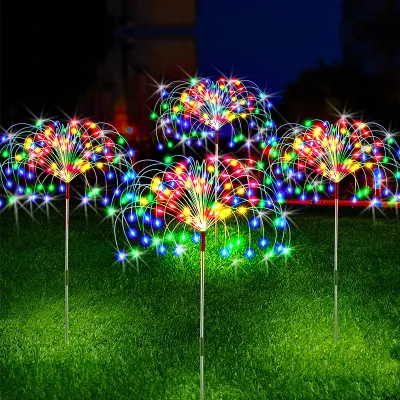
Prices are valid at publication and may change. Please refer to the product page for the latest price.
Physical space is another major constraint in high-rise living. Condo balconies in urban Philippine developments are often narrow, sometimes measuring less than a meter in depth. Installing tall, wide-base path lights on the floor further restricts this limited walking path, making it difficult to step outside without bumping into a fixture. A misplaced bollard or a protruding light head can easily cause someone to stumble, potentially damaging the light or causing personal injury in a cramped space.
Light spill and glare present serious community challenges in multi-family residential buildings. Traditional omnidirectional walkway lights cast light outward in a 360-degree radius, which is ideal for an open yard but problematic on a balcony. This unshielded light can shine directly into your neighbors’ windows or reflect off glass sliding doors, creating uncomfortable glare inside your own living room. Many condominium corporations and property management offices (PMOs) enforce strict rules regarding exterior light pollution and uniform building appearances, meaning overly bright or poorly directed fixtures can result in official complaints or fines.
Essential Specs for Balcony-Friendly Solar Lights
Selecting the right solar lights for an elevated urban environment requires a careful look at technical specifications. Because these fixtures will operate in a tight space exposed to harsh tropical elements, generic outdoor labels are rarely sufficient. Prioritizing specific design features ensures your lighting system remains functional, safe, and visually appealing over the long term.

Footprint and Profile When floor space is at a premium, every square centimeter counts. You should look for solar lights with an ultra-compact footprint or flat, low-profile designs that sit flush against the floor or walls. Disc-style deck lights, compact step lights, and vertically oriented wall-mounted fixtures are excellent choices. These low-profile options keep the walking surface clear, allowing you to move freely without worrying about catching your feet on protruding hardware.
Mounting Mechanisms Drilling into balcony floors or exterior walls is almost universally prohibited by condo association rules, as it can compromise waterproofing membranes and cause structural damage. Therefore, you must focus on drill-free, non-invasive mounting solutions. Look for fixtures that utilize heavy, weighted bases to stay upright, or models compatible with heavy-duty, outdoor-rated double-sided mounting tapes. For railing installations, search for adjustable clamp-on brackets or heavy-duty zip-tie mounts that can be secured tightly to metal bars without scratching the paint or damaging the structure.
Optics and Beam Angle To maintain a comfortable atmosphere and stay on good terms with your neighbors, pay close attention to how the light is distributed. Seek out fixtures with downward-facing LEDs or integrated physical shields that direct the light beam toward the floor. This downward distribution illuminates your walking path clearly while preventing light from spilling upward or outward into adjacent units. Warm white light (typically between 2700K and 3000K) is highly recommended for residential balconies, as it creates a relaxing, resort-like ambiance without the harsh, clinical feel of cool white high-lumen bulbs.
Weather and Climate Resistance The Philippine climate subjects outdoor fixtures to extreme environmental stress, from intense UV radiation and high humidity to torrential rains during typhoon season. To ensure longevity, always verify the Ingress Protection (IP) rating on the manufacturer’s packaging. For balcony environments, an IP65 rating is the minimum standard, indicating the light is dust-tight and protected against water jets. If your balcony is completely unsheltered and prone to pooling water during heavy downpours, look for IP67-rated fixtures, which can withstand temporary immersion. Additionally, ensure the outer casing is made of UV-stabilized polycarbonate or high-grade ABS plastic, as cheap plastics will quickly become brittle and crack under the intense tropical sun.
Technical and Safety Verification Before making a purchase, always verify the specific technical details of the light fixture. This includes checking the operating voltage (typically low-voltage DC ranging from 1.2V to 3.7V depending on the battery chemistry), the base or mounting interface dimensions to ensure compatibility with your railings or tiles, and the maximum wattage or lumen output to prevent excessive brightness. Additionally, check the dimming or control methods—such as automatic dusk-to-dawn photocells or motion sensors—and ensure the product carries reputable electrical safety certifications to guarantee the internal battery and charging circuits are stable under tropical conditions.
Top Solar Light Styles for Space-Constrained Balconies
To successfully illuminate a balcony walkway without the luxury of open soil, you must look at alternative product categories. Manufacturers have developed several specialized designs that adapt beautifully to hard surfaces and vertical structures, allowing you to achieve a cohesive, well-lit path.
Weighted Base Deck and Step Lights
Low-profile deck and step lights are designed to sit flat on horizontal surfaces, making them an exceptional choice for marking the boundaries of a balcony. These flat, circular, or rectangular discs cast light upward or outward at a very low angle, illuminating the floor tiles directly.
- Best for: Marking the perimeter of the balcony or lighting a short, direct path from the sliding glass door to the outer railing.
- Advantages: These fixtures require zero complex installation and can simply be placed on the floor. Many models rely on a low center of gravity and a weighted base to stay in place, making them highly resistant to tipping.
- Limitations: Because they sit directly on the ground, they still occupy a small amount of floor space. It is crucial to select models equipped with non-scratch rubber or silicone pads on the bottom to prevent scratching or staining your balcony tiles over time.
Railing-Mounted or Clamp-On Solar Lights
When floor space is too limited to accommodate any ground-level fixtures, moving your lighting upward is the most logical solution. Railing-mounted and clamp-on solar lights attach directly to the existing balustrades or handrails of your balcony.
- Best for: Narrow, linear balconies where keeping the floor completely clear of obstacles is a priority for safety and furniture placement.
- Advantages: These lights elevate the illumination source, casting a gentle glow downward along the perimeter of the balcony. This creates a continuous, visually appealing border that makes the outdoor space feel larger.
- Limitations: You must carefully measure your railing's dimensions and profile (whether it is round, square, or flat) before purchasing to ensure the clamps will fit securely. Additionally, because these fixtures are highly visible, you must check the clamp mechanisms regularly for signs of rust and choose marine-grade stainless steel or coated hardware to resist humid coastal air.
Planter-Integrated Solar Spikes
If you love balcony gardening, you can easily integrate traditional walkway spike lights into your space by utilizing your potted plants. This approach allows you to enjoy the classic look of path lights without needing a lawn.
- Best for: Balconies that feature large, heavy potted plants, trough planters, or raised garden beds along the edges.
- Advantages: This method allows you to use elegant, slender spike lights by inserting them directly into the soil of your existing planters. The foliage of the plants can also help diffuse the light, creating beautiful, soft shadows and a lush, tropical garden vibe.
- Limitations: The planters must be deep and heavy enough to anchor the spikes securely against strong winds. Furthermore, because you will be watering these plants regularly, the lower housing of the solar light will be exposed to constant moisture, making high-quality waterproofing and corrosion-resistant materials absolutely essential.
Low-Profile Freestanding Bollards
For those who prefer a modern, structured look, short freestanding bollards offer a clean, architectural aesthetic. These miniature pillars stand independently on the floor and provide a more defined light source than flat deck discs.
- Best for: Creating a contemporary, minimalist design theme while establishing clear visual boundaries along a wider balcony path.
- Advantages: These fixtures are sturdier and more substantial than flat deck lights, serving as elegant design accents during both day and night. They often feature larger solar panels and batteries, translating to brighter output and longer runtimes.
- Limitations: Because they stand upright on the floor, they can easily become tripping hazards if placed too close to the main walking line of a narrow balcony. To prevent accidents and damage during stormy weather, they must be heavy enough to resist strong winds or be temporarily secured to the floor using non-permanent outdoor adhesives.
How to Maximize Solar Charging in Shaded Balconies
One of the most common challenges of using solar lighting on a condo balcony is the lack of direct sunlight. Because balconies are shaded by overhead concrete ceilings, adjacent high-rise buildings, or thick railings, integrated solar panels often struggle to receive the charge they need to run through the night. Overcoming this obstacle requires strategic planning and proper maintenance.
Split-Panel Designs If your balcony is deeply recessed or faces away from the sun, consider using solar lights that feature a split-panel design. These systems separate the light fixture from the solar panel, connecting them with a thin, weatherproof cable. This allows you to mount the light fixture in a shaded corner or under the balcony ceiling while placing the solar panel high up on the railing or outer wall where it can capture maximum sunlight. This flexibility ensures your lights receive a full charge without forcing you to position the fixtures in awkward, sun-exposed spots.
Placement Strategy To get the most out of integrated solar panels, spend a few days observing how the sun moves across your balcony. Note the hours when specific areas receive direct, unobstructed sunlight. Position your solar fixtures so that their panels face the open sky rather than being tucked under deep overhangs or blocked by heavy planters. In the Philippines, maximizing exposure to the southern or eastern sky often yields the best year-round charging results, depending on your building’s orientation.
Maintenance for Efficiency Urban environments in the Philippines are prone to high levels of dust, vehicular pollution, and mineral deposits from rain. Over time, a thin film of grime can accumulate on the surface of your solar panels, blocking sunlight and drastically reducing charging efficiency. To prevent this, establish a routine of wiping down the solar panels at least once a month. Use a soft, damp microfiber cloth and mild soapy water to gently clean the surface, avoiding abrasive sponges that could scratch the protective coating. Keeping the panels clean ensures they can convert as much sunlight as possible into usable energy, even on overcast days.
Condo Rules and Safety Checks Before You Buy
Before purchasing and installing any outdoor lighting system, it is vital to address the unique safety and regulatory aspects of condo living. Elevated outdoor spaces present specific risks that do not apply to ground-level gardens, making compliance and safety checks a top priority.
Property Management Guidelines Every condominium development operates under a specific set of house rules enforced by the Property Management Office (PMO). Before buying any lights, review your tenant handbook or consult the PMO regarding exterior modifications. Many buildings strictly prohibit drilling into exterior walls, ceilings, or railings to preserve the structural integrity and waterproofing of the building. Additionally, some condos have guidelines regarding the color, brightness, and operating hours of balcony lights to maintain a uniform exterior appearance and prevent disturbance to other residents. Ensuring your chosen fixtures comply with these rules will save you from potential fines and the hassle of removing non-compliant installations.
Wind and Typhoon Safety High-rise balconies are subject to intense wind tunnel effects, where wind speeds can be significantly higher than at ground level. During the Philippine typhoon season, unsecured balcony items can easily become dangerous flying projectiles, posing a severe risk to people and property below. When installing freestanding or clamp-on solar lights, ensure they are securely anchored. For lightweight deck lights, consider using outdoor-rated, heavy-duty double-sided mounting tape or removable museum wax to bond them to the tiles. For clamp-on models, tighten the brackets securely and check them periodically. Most importantly, always make it a habit to bring all unsecured, freestanding, or clamp-on fixtures indoors whenever the Philippine Atmospheric, Geophysical and Astronomical Services Administration (PAGASA) issues severe weather bulletins or public storm signals.
Battery and Heat Safety Enclosed or semi-enclosed balconies can trap an immense amount of heat during the hot dry season, with temperatures near glass doors or metal railings rising significantly. High temperatures can degrade lithium-ion or nickel-metal hydride (NiMH) batteries inside solar lights, reducing their lifespan or, in extreme cases, posing a safety hazard. When shopping for solar lights, check the manufacturer’s specifications for the maximum operating temperature of the internal batteries. Avoid placing fixtures with integrated batteries directly against hot glass panes or unshaded metal surfaces that absorb and radiate intense heat. Opting for high-quality fixtures with built-in thermal protection and durable battery chemistry, such as Lithium Iron Phosphate (LiFePO4), provides an extra layer of safety and reliability in tropical climates.
Installation and Height Safety Boundaries Because balcony installations involve outdoor damp areas and work at height, safety must be your absolute priority. When installing clamp-on railing lights or split-panel solar chargers near the edge of a high-rise balcony, never lean over the railing or attempt risky maneuvers. If your setup requires any fixed electrical wiring or integration into your condo’s main power supply, always isolate the power source at the circuit breaker first, carefully follow the manufacturer’s installation instructions, and consult a qualified professional electrician to perform the work. For high-altitude installations, ensure all fixtures are securely fastened inside the balcony perimeter to eliminate any risk of falling objects.
Frequently Asked Questions (FAQ)
Can I use regular garden spike lights on my condo balcony?
Standard garden spike lights are designed to be driven into soft soil and cannot stand on hard concrete or tiled balcony floors. However, you can still use them if you insert the spikes into deep, heavy potted plants or decorative planter boxes. Alternatively, look for versatile solar light models that come with interchangeable mounting bases, allowing you to swap the ground spike for a flat, weighted stand or a surface-mount bracket that can be safely placed on flat surfaces.
How do I secure freestanding solar lights against strong typhoons?
To secure lightweight, flat solar deck lights, you can use outdoor-rated, weather-resistant double-sided mounting tape or non-permanent museum wax to temporarily bond them to your balcony tiles. For clamp-on railing lights, ensure the mounting brackets are tightened securely with rust-resistant hardware. However, during severe weather events and active typhoon warnings, the safest practice is to temporarily remove all freestanding, clamp-on, and unsecured solar lights from your balcony and store them safely indoors until the storm passes.
Do solar balcony lights work during the rainy season?
Yes, solar balcony lights will still charge during the rainy season, as solar panels can capture sunlight even through cloud cover. However, because overcast skies significantly reduce the amount of solar energy reaching the panel, the charging efficiency will be lower, resulting in a much shorter runtime at night. To ensure more consistent illumination during prolonged rainy periods, look for solar lights equipped with larger battery capacities, highly efficient monocrystalline solar panels, or models that offer an auxiliary USB charging port for manual indoor charging when sunlight is scarce.

Community discussion
Share your experience or ask a question. Comments are reviewed before publication.