
Installing outdoor lighting can instantly transform your home’s exterior, but high electricity bills and complex wiring often discourage homeowners. Solar walkway lights offer an elegant, energy-efficient solution by utilizing renewable solar energy to illuminate paths, driveways, and gardens without adding a single peso to your monthly utility bill. In the Philippines, where high humidity, intense tropical sun, and sudden torrential rains are part of daily life, selecting the right fixtures requires looking beyond basic aesthetics. To find the best solar walkway lights for your property, you must evaluate their weather resistance, brightness levels, battery chemistry, and build materials to ensure they can withstand the local climate while meeting your specific lighting goals.
Quick Guide: What to Look for in Solar Walkway Lights
To choose the right solar walkway lights, you must look beyond aesthetic appeal. The core performance of these outdoor fixtures relies on three primary factors: weather resistance, brightness output, and battery efficiency. These technical specifications directly determine how well a fixture can charge during the day and how long it can remain illuminated throughout the night.
The ideal choice depends entirely on your specific outdoor goals. For example, a driveway requires bright, high-lumen security lighting to prevent accidents and deter intruders, whereas a garden path benefits more from soft, low-lumen ambient lighting that highlights landscaping features. Matching the light’s performance characteristics to the intended location prevents underperformance and safety hazards.
Products mentioned in this guide
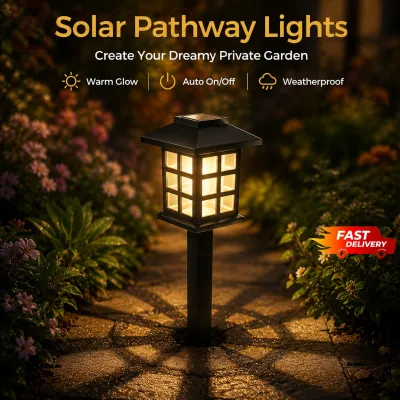
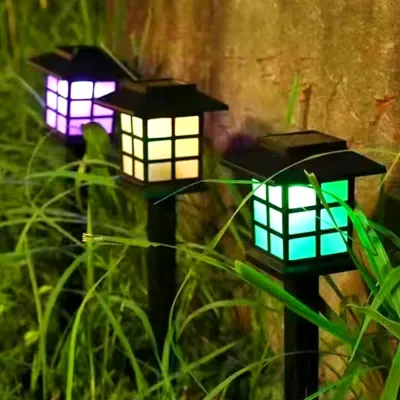
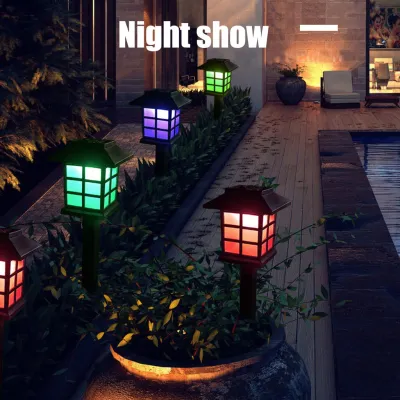
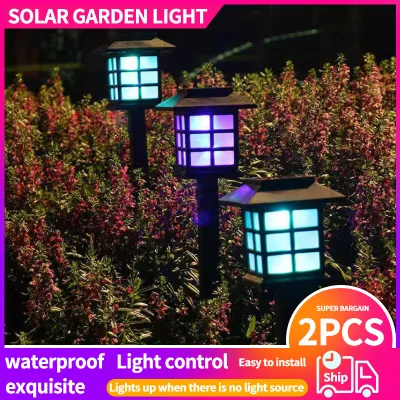
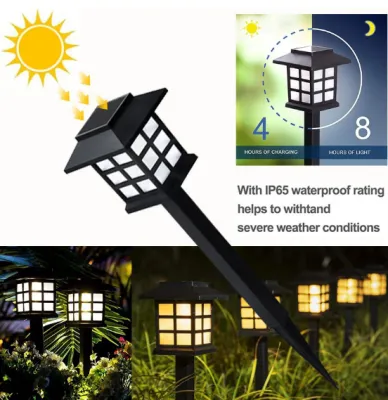
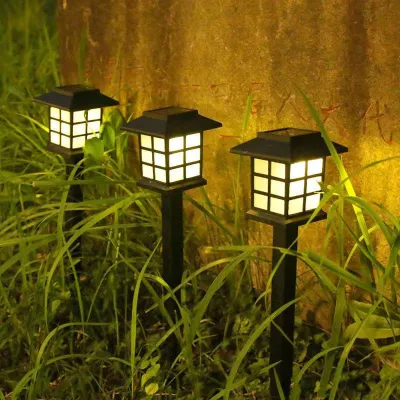
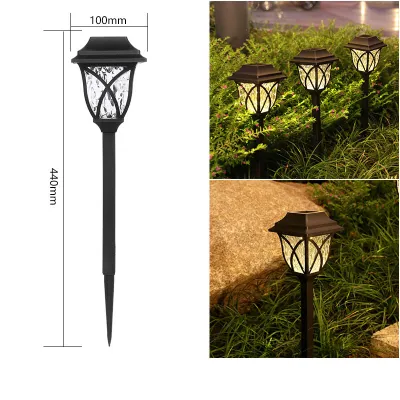
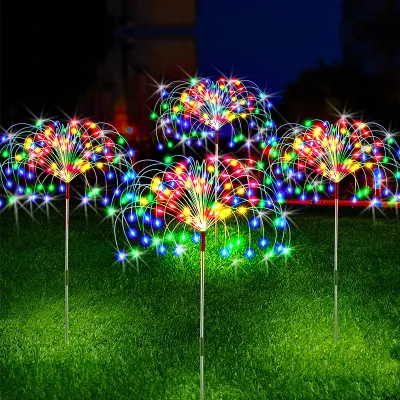
Prices are valid at publication and may change. Please refer to the product page for the latest price.
This guide categorizes the top solar walkway light specifications by specific outdoor needs. By understanding these targeted categories, you can select fixtures that survive the local climate and deliver the exact lighting effect your property requires.
Key Features to Evaluate for Tropical Climates
Standard outdoor lights often fail prematurely when exposed to the intense weather conditions of the Philippines. Evaluating key technical specifications ensures your investment survives year-round exposure to solar radiation and heavy downpours.

Weather Resistance (IP Ratings) The Ingress Protection (IP) rating is the most critical specification for ground-level outdoor fixtures. An IP rating consists of two numbers: the first indicates protection against solid particles like dust (scaled 0 to 6), and the second indicates protection against liquids (scaled 0 to 9). For Philippine walkways, a minimum rating of IP65 is necessary to withstand heavy monsoon downpours and high humidity. An IP65 rating means the fixture is completely dust-tight and can resist water jets from any direction, preventing internal moisture buildup that causes electrical shorts.
Brightness and Color Temperature Light output is measured in lumens, which dictate how bright the fixture will appear. For security and high-traffic areas like driveways, look for fixtures that deliver 100 to 200 lumens or more per light, typically paired with a cool white color temperature (5000K to 6500K) for maximum visibility. For decorative garden paths, a lower output of 5 to 15 lumens is preferred, combined with a warm white temperature (2700K to 3000K) to create a cozy, inviting ambiance. Note that perceived color temperature and spatial effects are conditional preferences based on your landscaping style, not universal performance facts.
Battery and Solar Panel Efficiency Solar lights rely on photovoltaic panels to convert sunlight into electrical energy, which is then stored in rechargeable batteries. Monocrystalline solar panels offer the highest conversion efficiency (often around 15% to 22%) and perform significantly better than polycrystalline panels on overcast or rainy days. For batteries, Lithium-ion (Li-ion) or Lithium Iron Phosphate (LiFePO4) cells are highly recommended over older Nickel-Metal Hydride (Ni-MH) batteries. Lithium-based batteries feature superior heat tolerance, faster charging cycles, and a longer overall lifespan under the constant tropical heat of the Philippines. Always verify the battery voltage (typically 3.2V or 3.7V) and wattage limits of the solar charger before purchase to ensure proper charging cycles.
Build Materials The physical casing of the light determines its resistance to physical impact, rust, and UV degradation. High-grade ABS plastic with UV-resistant coatings is cost-effective and completely rust-proof, making it excellent for coastal areas with salty air. Stainless steel and powder-coated aluminum offer a premium look and structural strength, but they must be treated to prevent corrosion over time. Real glass lenses are superior to cheap plastic covers, as glass will not cloud, yellow, or become brittle when exposed to intense, direct tropical sunlight year after year.
Electrical Certifications and Compatibility Before finalizing any purchase, verify that the fixtures carry reputable electrical certifications such as CE, RoHS, or FCC. These certifications ensure that the components have been tested for safety, material hazards, and electrical stability. If the fixture features a replaceable bulb, check the base or interface compatibility and the maximum wattage limit allowed by the internal controller. Additionally, confirm the physical dimensions of the light to ensure it fits your planned pathway layout without obstructing foot traffic or garden maintenance equipment.
Best Solar Walkway Lights by Outdoor Need
Selecting the right solar walkway light requires matching the fixture’s specifications to the specific challenges and functional goals of your outdoor space.
Best for Security and High-Traffic Driveways
Driveways and main entry paths require reliable, high-visibility lighting to ensure safe navigation for vehicles and pedestrians. For these areas, select solar lights that offer a high light output of at least 200 lumens. These fixtures should feature a wide beam angle of 120 degrees or more to illuminate broad sections of the pavement, reducing dark spots where trip hazards or security threats could hide.
Integrating motion sensor capabilities is highly beneficial for security lighting. Many advanced models operate in a low-power “dim” mode (around 20 lumens) during the night and automatically trigger to full brightness (200+ lumens) for 30 seconds when motion is detected. Spacing these lights approximately 1.5 to 2 meters apart along the driveway edges ensures continuous, overlapping coverage without creating dark gaps.
While high-lumen motion lights offer excellent security, they have specific battery limitations. Frequent triggers caused by passing street traffic, wind-blown foliage, or roaming neighborhood pets can drain the battery rapidly, leading to premature shutoffs before dawn. To mitigate this, look for fixtures with adjustable motion sensitivity, customizable timer settings, or larger solar panels that can maximize daily power generation.
Best for Ambient Garden and Landscaping Decor
Garden paths, flower beds, and backyard patios do not require intense, blinding light. Instead, the goal is to create a warm, welcoming atmosphere that highlights your landscaping. For these spaces, choose low-output fixtures of 5 to 25 lumens that emit a warm white glow (2700K to 3000K). This soft illumination enhances the natural colors of your plants and stonework without causing distracting glare or light pollution.
Decorative housings play a major role in the overall aesthetic of your garden. Fixtures with frosted glass, patterned lenses, or vintage lantern designs cast beautiful geometric shadows onto the ground, turning a simple walkway into a visual feature. These lights can be placed strategically next to water features, low shrubs, or steps to guide guests safely while maintaining a relaxed, resort-like feel.
However, there is a distinct trade-off between intricate decorative designs and long-term durability. Intricate casings with multiple joints, seams, or delicate plastic filigree are more prone to trapping moisture, dirt, and insects. Over time, this buildup can block light output and degrade the internal electronics. When choosing decorative models, prioritize those with simplified, easy-to-clean structures and high-quality seals to ensure they survive heavy tropical rains.
Best for Flood-Prone and Heavy Rain Areas
Many regions in the Philippines experience seasonal flooding, water pooling, and extreme moisture during the rainy season. Standard ground-level stake lights will quickly fail if water submerges their battery compartments or seeps into their LED housings. For low-lying garden paths or areas prone to standing water, you must prioritize extreme water resistance.
Look for fixtures that carry an IP67 rating, which certifies that the light can withstand complete immersion in water up to 1 meter deep for 30 minutes. These lights feature fully sealed battery compartments with thick silicone gaskets and waterproof power switches. The housing should be constructed from non-corrosive materials such as high-grade ABS plastic, polycarbonate, or marine-grade treated aluminum that will not rust when exposed to constant moisture.
Installation techniques are just as important as the light’s specifications in flood-prone zones. Opt for solar lights that feature extra-long ground spikes or elevated mounting poles, allowing you to position the critical electronic components and solar panels well above the expected water level. Before inserting the stakes into the ground, check the physical seal integrity around the solar panel and the main housing to ensure no manufacturing defects will compromise the waterproof barrier.
How to Install and Maintain Solar Pathway Lights
Proper installation and regular maintenance are essential to maximize the lifespan and performance of your solar walkway lights in tropical conditions.
Optimal Placement To ensure your lights stay illuminated throughout the night, the solar panels must receive adequate sunlight during the day. Position the fixtures in open areas that receive at least 6 to 8 hours of direct, unobstructed sunlight daily. Avoid placing them directly under dense tree canopies, wide roof eaves, or tall perimeter walls that cast long shadows. Keep in mind that a panel shaded for even a couple of hours in the afternoon will experience a significant drop in its nightly runtime.
Routine Cleaning The high humidity and dust levels in the Philippines can quickly create a grimy film over solar panels, reducing their charging efficiency. At least once a month, gently wipe the solar panels with a soft, damp microfiber cloth to remove dust, pollen, bird droppings, and salt residue. Avoid using abrasive scrubbing pads, harsh chemical detergents, or dry cloths, as scratching the protective plastic or glass cover will permanently reduce the panel’s ability to absorb sunlight.
Battery Care Rechargeable batteries inside solar lights eventually degrade over time due to constant charge-discharge cycles and exposure to high ambient temperatures. If you notice your lights are dimming significantly earlier in the evening or failing to turn on at all despite sunny weather, the battery likely needs replacement. When purchasing solar lights, choose models that feature a user-accessible, screw-secured battery compartment. This allows you to easily swap out the old rechargeable battery for a fresh one of the same chemistry and capacity, extending the overall life of the fixture.
Safety and Professional Boundaries Always prioritize safety when installing or maintaining outdoor electrical fixtures. Before performing any cleaning, battery replacement, or physical adjustments, turn the power switch to the “off” position. If your solar walkway lighting system involves fixed wiring, such as a centralized solar panel feeding multiple low-voltage fixtures, or if you are installing lights in damp, low-lying areas with high moisture exposure, always isolate the power source before starting work. Follow the manufacturer’s detailed installation instructions precisely. If the setup requires connecting to your home’s main electrical grid or involves complex wiring, hire a qualified professional electrician to handle the installation safely.
Frequently Asked Questions (FAQ)
Do solar walkway lights work during the Philippine rainy season?
Yes, solar walkway lights will still work during the rainy season, but their performance will be noticeably reduced. Solar panels do not require direct sunlight to charge; they can still generate electricity from diffuse daylight filtering through clouds. However, because the solar energy level is much lower on overcast days, the internal battery will not fully charge. This results in a shorter runtime at night and potentially dimmer light output. To combat this, choose lights equipped with high-efficiency monocrystalline panels or models with adjustable power-saving modes that conserve battery life.
How long do the batteries in solar pathway lights typically last?
In the tropical climate of the Philippines, the rechargeable batteries inside solar pathway lights typically last between 1 to 2 years before their capacity begins to decline. The high ambient heat accelerates the natural degradation of the battery chemistry. Lithium-ion (Li-ion) and Lithium Iron Phosphate (LiFePO4) batteries generally last longer and handle heat better than standard Nickel-Metal Hydride (Ni-MH) batteries. To maximize battery lifespan, ensure the lights are installed in areas where they can fully charge and discharge regularly, and avoid letting them sit completely dead for extended periods.
Can I leave solar walkway lights out during typhoons?
It is highly recommended to temporarily bring decorative, lightweight, or loosely staked solar lights indoors before a typhoon makes landfall. Strong winds can easily dislodge standard stake lights, causing physical damage or loss, while flying debris can shatter solar panels and glass lenses. However, heavy-duty, high-IP rated security lights that are securely anchored into concrete or deeply bolted to solid structures can typically remain outside. After the storm passes, always inspect the fixtures for any debris blockage, water accumulation, or physical shifting before turning them back on.

Community discussion
Share your experience or ask a question. Comments are reviewed before publication.