
To illuminate narrow corridors and hallways effectively without the hassle of invasive electrical wiring, the best solar indoor wall light designs are slim, low-profile fixtures paired with a split-system solar panel. Because interior hallways rarely receive direct sunlight, a split-system design—where an outdoor solar panel connects via a thin cable to an indoor light fixture—is essential for reliable operation. Opting for flush-mount or semi-flush designs with downward-facing or diffused lenses ensures the narrow pathway remains unobstructed, visually balanced, and free of harsh glare.
By choosing fixtures that align with the architectural constraints of tight spaces, you can transform a dark, transitional corridor into a safe, welcoming passage. This approach is particularly valuable for retrofitting older homes, townhouses, or concrete-walled properties where cutting into walls to run new electrical conduits is difficult, costly, or structurally impractical.
Selecting Wall Lights Indoor Design Solar Options
To successfully integrate solar lighting indoors, you must understand how these systems operate and diverge from standard outdoor fixtures. A true indoor solar setup relies on a clear division of labor: the outdoor photovoltaic panel collects solar energy during the day, converts it into direct current (DC) electricity, and sends it through a low-voltage cable to charge a rechargeable battery housed inside the indoor light fixture. This battery, typically a lithium-ion or lithium iron phosphate (LiFePO4) cell, then powers the energy-efficient LED light source when needed.
Products mentioned in this guide
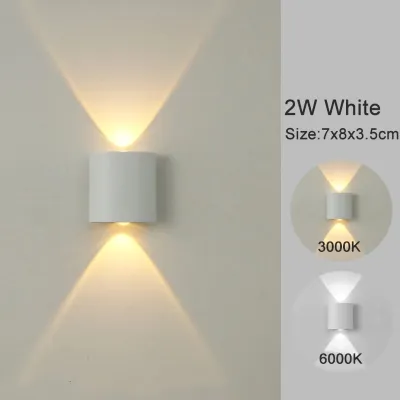
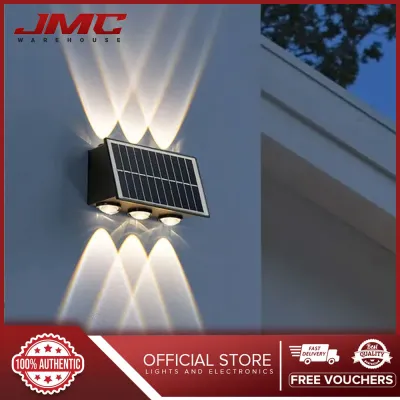
![KOQZM💖[HOT SALE]🎈🎈 Wall-mounted Solar-powered LED Light Waterproof Garden Decorative Atmosphere Light Not Requiring Electricity From The House](https://img.lazcdn.com/g/p/ef0e929f6680b36ba2893969d4b9a6db.jpg_400x400q80.jpg_.webp)
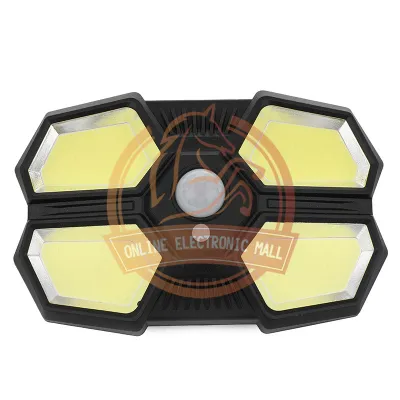
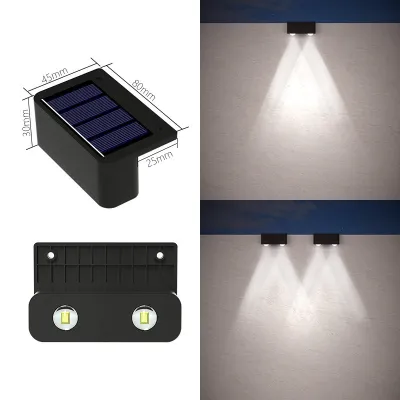
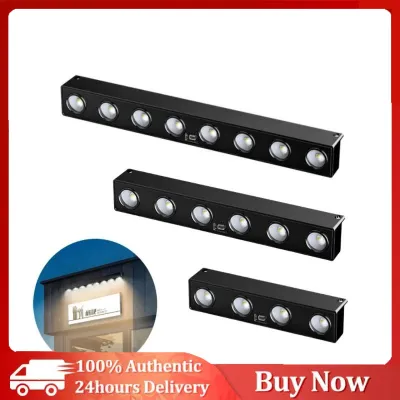
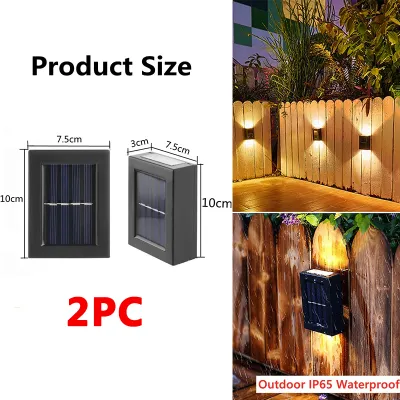
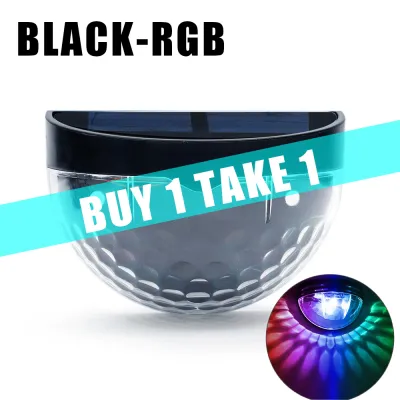
Prices are valid at publication and may change. Please refer to the product page for the latest price.
When evaluating these systems, it is vital to look beyond simple product categories and verify specific technical parameters. Ensure you check the system voltage (typically 3V to 6V for small residential solar fixtures), battery capacity (measured in milliampere-hours or mAh), and the specific interface or connector types used for the cabling. Additionally, verify if the product carries recognized electrical certifications (such as CE, RoHS, or local safety marks) to ensure the internal charging circuitry and battery management system are stable and safe for continuous indoor use.
For narrow hallways, the primary benefit of this setup is the complete elimination of invasive electrical work. Traditional hardwired sconces require routing AC wiring through walls, which often involves cutting drywall or chiseling into solid concrete hollow blocks. Solar-powered alternatives bypass this entirely, offering a self-contained, low-voltage solution. The main operational challenge lies in the physical installation: you must ensure the external panel is positioned to receive unobstructed sunlight while routing the connecting cable neatly into the interior space.
Essential Design Features for Narrow Corridors
Designing light for a narrow corridor requires a careful balance of physical proportions and visual comfort. Because hallways are highly functional transit zones, the physical shape of the light fixture and the direction of its output directly influence how spacious or cramped the area feels.

Slim, Flush-Mount, and Recessed Profiles
In a hallway that measures less than 1.2 meters wide, every centimeter of physical clearance matters. Bulky, heavily ornate, or deeply projecting light fixtures pose a constant physical hazard, making it easy for occupants to bump into them while carrying laundry, moving furniture, or walking in the dark. For these tight spaces, prioritize slim, flush-mount, or semi-flush sconces that protrude no more than 7 to 10 centimeters (3 to 4 inches) from the wall surface.
Minimalist geometric shapes—such as flat rectangular panels, slim cylinders, or low-profile half-moon designs—are excellent choices. These clean profiles blend seamlessly into the wall plane when turned off, maintaining an uncluttered visual aesthetic. Before purchasing any fixture, always measure the exact protrusion depth and compare it against your corridor’s clearance to ensure a safe, unobstructed walking path.
Downward and Diffused Light Distribution
Direct, unshielded light in a confined space can cause intense glare, leading to temporary visual discomfort and harsh shadows. To prevent this, select wall lights that feature downward-facing (wall-washing) optics or are equipped with thick, frosted polycarbonate or glass diffusers. Downward light distribution directs illumination toward the floor where it is needed most, guiding foot traffic safely without shining directly into the eyes of anyone walking down the hall.
Frosted or milky diffusers scatter the light evenly, softening the output of the internal LED chips and minimizing reflective hot spots on glossy wall paint or tiled floors. Avoid fixtures with clear glass covers or exposed SMD LED boards, as these tend to create a harsh, clinical environment in narrow, reflective spaces.
Appropriate Brightness and Color Temperature
For transitional spaces like hallways, high-intensity task lighting is rarely necessary and can feel overwhelming. A lower light output of 100 to 300 lumens per fixture is generally sufficient to provide clear visibility and safe passage. Many modern solar wall lights also feature dimming methods, such as manual high/low switches or automatic motion-sensing modes, allowing you to adjust the brightness based on actual usage and conserve battery power.
When it comes to color temperature, the choice should be treated as a conditional preference based on your home’s interior styling and the desired spatial effect. Warm white light (3000K) tends to create a cozy, relaxing, and traditional residential atmosphere, while neutral white light (4000K) offers a cleaner, more modern look that can make small spaces feel slightly more open. Avoid cool daylight temperatures (5000K and above) in residential corridors, as they can feel sterile and overly industrial unless paired with specific contemporary architectural finishes.
Choosing the Right Solar Panel Setup for Your Layout
Your home’s architectural layout and access to natural light will dictate which solar charging configuration is viable for your hallway. Selecting the wrong setup can result in a system that fails to charge, leaving you with non-functional fixtures.
Split-System Sconces for Windowless Hallways
For fully enclosed interior hallways that receive no direct natural light, a split-system solar sconce is the only reliable option. In this configuration, the indoor light fixture is physically separated from the solar panel. The two components are linked by a thin, low-voltage DC cable, which typically ranges from 3 to 5 meters in length.
Installing a split-system requires careful planning of the cable route. To maintain a clean, professional look, you can run the cable through a small hole drilled to the exterior, or route it along window frames. Indoors, the wire can be concealed using paintable PVC cable raceways (mouldings) mounted along the corners of the wall or tucked neatly behind baseboards. Always measure the distance from your desired indoor light location to the nearest sun-exposed exterior wall or roof section before purchasing to ensure the included cable is long enough, as splicing or extending low-voltage solar wires can sometimes lead to voltage drops and reduced charging efficiency.
Integrated Fixtures for Sunlit or Semi-Outdoor Passages
All-in-one or integrated solar wall lights feature the solar panel directly on top of the fixture’s body. These designs are highly convenient because they require no external wiring, but they are only suitable for specific environments. They should be reserved for semi-outdoor passages, open-air breezeways, covered balconies, or corridors featuring large skylights or expansive glass walls that receive direct, unfiltered sunlight for several hours each day.
Do not attempt to use integrated solar lights in fully enclosed, windowless, or heavily shaded interior hallways. Ambient indoor lighting from residential LEDs or fluorescent tubes does not provide the correct spectrum or intensity of light required to charge solar batteries. Without direct sunlight, integrated fixtures will quickly drain their batteries and cease to function.
Installation, Spacing, and Safety Guidelines
Proper installation and layout planning are essential to maximize both the safety and aesthetic appeal of your corridor lighting. Following structured guidelines ensures consistent light coverage and protects your home from potential structural damage.
For a balanced visual rhythm and uniform light distribution, mount your wall sconces at eye level, typically between 150 and 170 centimeters (60 to 66 inches) from the floor. Space the fixtures consistently, keeping them roughly 2.4 to 3 meters (8 to 10 feet) apart. This spacing prevents overlapping bright spots while eliminating dark, unlit patches along the floor path. If your hallway has dark-colored walls, which absorb more light, you may need to position the fixtures slightly closer together to maintain adequate visibility.
When installing a split-system, cable management and weatherproofing are critical. Because the solar panel must sit outdoors, it is subject to the elements. Ensure the external solar panel has an Ingress Protection (IP) rating of at least IP65 to withstand heavy tropical rains and high humidity. When routing the cable from the outside in, drill the entry hole at a slight upward angle from the exterior to prevent rainwater from tracking along the wire into your home. Always seal the entry point thoroughly with an outdoor-grade silicone sealant to prevent moisture intrusion, drafts, and pests.
Safety must be your top priority during installation. Before drilling into any wall, isolate the power to nearby electrical circuits to avoid accidentally piercing hidden AC wiring or plumbing lines. When mounting the outdoor solar panel, ensure it is anchored securely to a solid surface using corrosion-resistant stainless steel screws and heavy-duty brackets to withstand strong winds and tropical storms. If your installation requires working at heights, such as mounting the panel on a high roof or double-story exterior wall, use stable, properly secured ladders, work with a spotter, and consult a qualified professional or licensed electrician to handle the high-altitude work and complex drilling safely.
Frequently Asked Questions (FAQ)
This section provides quick answers to common questions regarding the planning, performance, and troubleshooting of indoor solar wall lights.
Can I use standard outdoor solar lights inside a dark corridor?
No, standard all-in-one outdoor solar lights will not work inside a dark corridor. These fixtures require direct, unfiltered sunlight on their integrated panels to charge their batteries. Placing them in a dark interior space means they will receive no charge. For dark, enclosed hallways, you must use a split-system design where the solar panel is mounted outdoors and connected to the indoor fixture via a low-voltage cable.
How far apart should solar wall sconces be placed in a hallway?
Generally, solar wall sconces should be spaced 2.4 to 3 meters (8 to 10 feet) apart. The ideal distance depends on the fixture’s lumen output, beam angle, and the reflectivity of your walls. Lighter walls reflect more light, allowing for wider spacing, whereas darker or textured walls absorb light and may require closer spacing to maintain a safe, evenly illuminated pathway.
Will the lights work during prolonged cloudy or rainy weather?
Yes, provided you choose a system with adequate battery capacity and efficient solar panels. Many high-quality split-system lights utilize monocrystalline solar panels, which perform better under overcast skies than older polycrystalline models. To ensure continuous operation during extended rainy seasons or consecutive cloudy days, select fixtures with larger battery backups (measured in mAh) or utilize motion-sensor modes that only activate the light when movement is detected, significantly conserving stored power.

Community discussion
Share your experience or ask a question. Comments are reviewed before publication.