
Creating a cozy, inviting reading nook in your home requires more than just a comfortable armchair and a good book. To enjoy hours of uninterrupted reading without straining your eyes, selecting the right standing light is one of the most critical decisions you will make. In the Philippines, where natural light shifts dramatically between bright tropical afternoons and sudden rainy-season downpours, a dedicated floor lamp provides consistent, targeted illumination that adapts to your environment. The ideal lamp does not merely light up a room; it delivers precise, glare-free illumination directly onto your pages while complementing your interior decor.
By focusing on key lighting specifications and physical adjustability, you can transform any quiet corner of your living room, bedroom, or study into a sanctuary for literature. Understanding how local electrical standards, bulb compatibilities, and spatial layouts interact will ensure your chosen fixture is both highly functional and safe for long-term use. Investing in a high-quality light source is an investment in your visual health and overall comfort.
Key Features to Look for in a Reading Standing Light
When evaluating a standing light for your reading corner, several technical specifications and design elements dictate how comfortable your reading sessions will be. Choosing a fixture based solely on aesthetics can lead to eye fatigue, headaches, or insufficient illumination.
Products mentioned in this guide
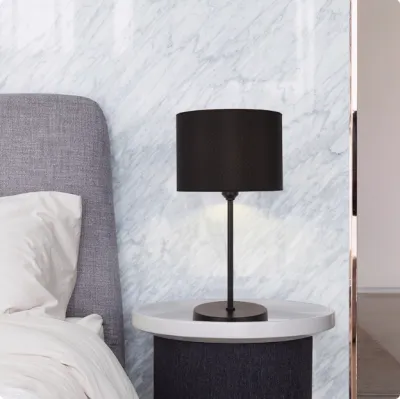
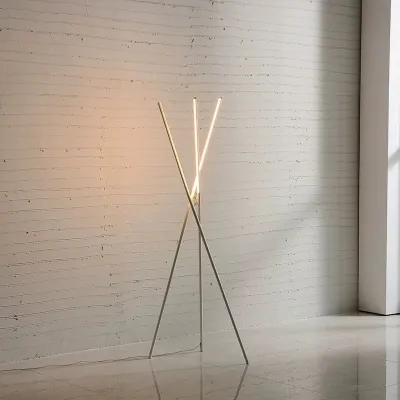
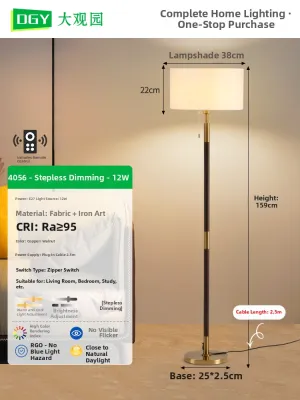
Prices are valid at publication and may change. Please refer to the product page for the latest price.
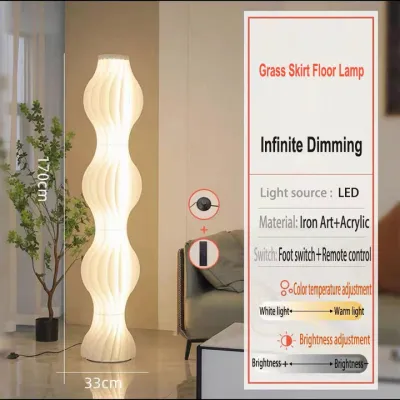
Adjustable Brightness and Dimming Controls Ambient light levels in a room change constantly throughout the day. A standing light equipped with adjustable brightness—either through a step-less rotary dimmer, a touch-sensitive control, or multi-stage click switches—allows you to adapt the illumination to match these shifting conditions. During late afternoons when natural daylight begins to fade, a low brightness setting can gently fill the gap. In contrast, late-night reading sessions require a higher, more focused output to maintain text contrast without forcing your eyes to overcompensate.
Color Temperature and Kelvin Ratings Color temperature, measured in Kelvins (K), significantly influences eye comfort and mental alertness. For relaxing evening reading, a warm white light ranging from 2700K to 3000K is highly recommended. This warm glow mimics traditional incandescent bulbs, creating a cozy atmosphere that signals to your brain it is time to wind down. If you use your reading corner for detailed study, technical manuals, or daytime focus, a neutral white light of around 4000K enhances contrast and clarity. Dual-tone or color-tunable lamps offer the ultimate flexibility, allowing you to switch between warm and cool tones depending on the hour.
Color Rendering Index (CRI) The Color Rendering Index (CRI) measures how accurately a light source reveals the true colors of objects compared to natural sunlight. For reading, look for a bulb or integrated LED fixture with a CRI rating of 90 or higher. High-CRI lighting ensures that paper tones, printed text, and book cover illustrations appear vivid and true to life. This accuracy reduces the cognitive effort required by your brain to process visual information, which directly minimizes eye strain during extended reading sessions.
Physical Adjustability and Beam Control To prevent harsh glare from reflecting off glossy pages or e-reader screens, your lamp must offer physical adjustability. Features such as flexible gooseneck poles, counterweighted swing arms, and rotating lamp heads allow you to direct the light beam precisely where you need it. By angling the shade downward and away from your direct line of sight, you can keep the bright light source hidden while casting a clean, focused pool of light directly onto your book.
Local Electrical Standards and Bulb Bases In the Philippines, the standard household electrical supply operates at 220V and 60Hz. Before purchasing any standing light, particularly imported models, verify that the fixture is rated for this voltage to prevent electrical hazards, flickering, or premature component failure. Additionally, opt for lamps that utilize standard, easily replaceable bulb bases such as E27 (medium screw) or E14 (candelabra screw). This ensures you can easily source energy-efficient LED replacement bulbs at local hardware stores.
Heat Dissipation and Material Durability In a tropical climate, heat management is a key comfort factor. Traditional incandescent or halogen bulbs emit substantial heat, which can make sitting close to a lamp uncomfortable. Modern LED fixtures run significantly cooler, preserving a comfortable microclimate in your reading nook. Furthermore, high relative humidity can accelerate the corrosion of metal components. Selecting lamps constructed from powder-coated steel, anodized aluminum, or treated brass will ensure the fixture remains rust-free and structurally sound over years of service.
Best Standing Light Styles for a Comfortable Reading Nook
Different architectural layouts and seating arrangements require distinct lighting form factors. Matching the style of your standing light to your furniture layout ensures optimal visual comfort and spatial harmony.

Adjustable Task Floor Lamps (Pharmacy Lamps)
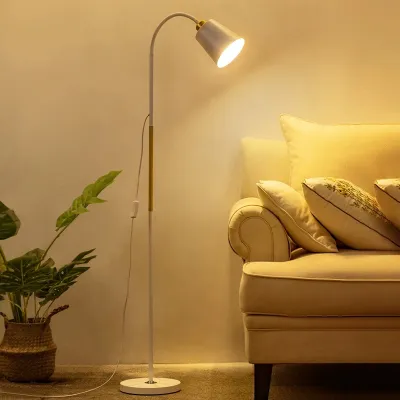
Adjustable task floor lamps, often referred to as pharmacy lamps, represent the classic choice for dedicated reading environments. Featuring a slender metal pole and a low-profile, adjustable head, these lamps are engineered specifically to cast a highly concentrated, downward beam of light.
This style is exceptionally well-suited for upright armchairs, wingback chairs, or reading setups positioned next to a desk. Because the arm and shade can be raised, lowered, or swung horizontally, you can position the light source directly over your shoulder. This precise control ensures that the light falls exactly on your pages without spilling into the rest of the room, making it ideal for readers who share a bedroom or living space with others.
However, pharmacy lamps do come with specific limitations. Their aesthetic is primarily utilitarian and industrial, which may not complement softer, more traditional decor styles. They also provide a very narrow light spread, meaning they contribute almost nothing to the ambient illumination of the room. Additionally, because their reach is relatively short, you must position the heavy metal base close to your seating area, which can restrict movement or limit placement options in tight corners.
Arc Floor Lamps with Downward Shades
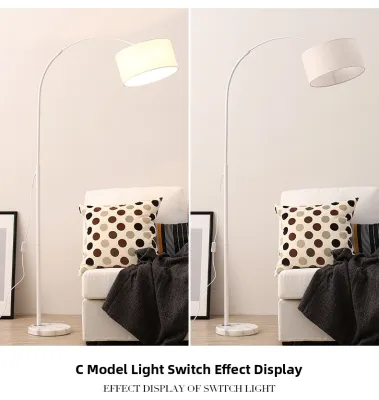
Arc floor lamps offer a dramatic, modern design characterized by a long, curved arm that extends outward from a heavy base. This architectural curve allows the light shade to hang directly overhead, providing an immersive, shadow-free reading experience.
This style is the perfect solution for deep sofas, low-profile lounge chairs, or daybeds where a standard straight-pole lamp cannot reach. By placing the heavy base behind or beside the furniture, the arched arm reaches over the backrest to suspend the light directly above your lap. This setup eliminates shadows cast by your body or the chair itself, creating a perfectly illuminated reading zone.
Because of the cantilevered design, stability is a critical safety consideration. Arc lamps require exceptionally heavy bases—often constructed from solid marble, concrete, or dense steel—to offset the weight of the extended arm. You must verify the base weight and overall footprint before purchasing, ensuring the lamp remains stable on your flooring.
In terms of limitations, arc lamps require significant vertical clearance and may not fit comfortably in rooms with low ceilings. They also occupy a large visual and physical footprint, which can make small rooms feel cramped. Once assembled and positioned, their weight and size make them difficult to relocate, meaning they are best suited for permanent, long-term furniture layouts.
Torchiere Lamps with Integrated Reading Arms
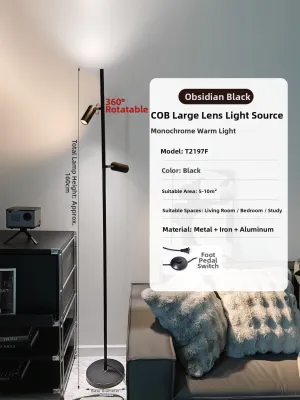
Torchiere lamps feature an upward-facing main shade designed to bounce light off the ceiling, providing soft, indirect ambient illumination throughout the entire room. Many modern torchieres include a secondary, flexible task arm mounted halfway up the pole, dedicated specifically to reading.
This dual-purpose design is the best choice for multi-use spaces where the lamp must serve multiple functions. If your reading corner is located in a shared living room or a bedroom that lacks adequate overhead lighting, a torchiere solves two problems at once. You can use the upward-facing light to illuminate the room during social gatherings, and turn on the flexible side arm when you want to settle down with a book.
Despite their versatility, torchieres are generally bulkier and visually heavier than dedicated task lamps. They require you to manage multiple bulbs and switches, which can complicate operation. Furthermore, the integrated reading arm is often shorter and less adjustable than a standalone pharmacy lamp, meaning you must position your chair relatively close to the main pole to get adequate light on your pages.
Quick Comparison: Matching Lamp Styles to Your Space
Selecting the right style depends heavily on your existing furniture and the physical dimensions of your room. The table below outlines how the three primary lamp styles compare across key operational dimensions.
| Lamp Style | Best Seating Type | Space Footprint | Light Direction | Adjustability |
|---|---|---|---|---|
| Adjustable Task | Upright armchairs, desk-edge chairs | Small and compact | Highly focused downward beam | High (height, swing arm, shade rotation) |
| Arc Floor Lamp | Deep sofas, low lounge chairs, daybeds | Large visual and physical footprint | Overhead downward pool of light | Moderate (limited to shade angle or arm extension) |
| Torchiere with Arm | Multi-use seating, shared living spaces | Moderate vertical footprint | Dual (upward ambient, downward task) | High on reading arm, fixed on main shade |
Before making a final decision, take precise measurements of your designated reading corner. Use a measuring tape to check the distance from the lamp’s proposed position to the nearest wall outlet, ensuring you will not need to stretch cords across walkways. In the Philippines, where electric fans and portable air coolers are frequently used to manage tropical heat, ensure the lamp’s placement does not block airflow or stand in a direct path where it could easily be knocked over. Generally, high-quality standing lights in the local market range from budget-friendly options around ₱1,500 to premium, highly adjustable designer models exceeding ₱8,000.
Ergonomic Setup and Electrical Safety in the Philippines
Proper physical placement of your standing light is essential to maximize visual comfort, while adhering to electrical safety standards protects your home from potential hazards.
Ergonomic Positioning for Eye Comfort To prevent glare and distracting shadows, position the light source above and slightly behind your shoulder. If you are right-handed, place the lamp over your left shoulder; if you are left-handed, place it over your right. This prevents your hand or writing utensil from casting shadows across your book or notebook. If you read on a tablet or reflective e-reader screen, angle the lamp head so the light does not bounce directly off the screen into your eyes. The bottom edge of the lamp shade should ideally sit at eye level when you are seated, keeping the bright bulb hidden from your direct line of sight.
Electrical Safety and Voltage Verification Because the Philippine electrical grid operates at 220V/60Hz, always inspect the manufacturer’s label on the lamp or its power adapter before plugging it in. Avoid using cheap, ungrounded travel adapters to force a three-prong plug into a two-prong outlet. Instead, plug the lamp directly into a compatible, grounded wall outlet. To prevent electrical overloads, do not daisy-chain multiple extension cords or plug high-wattage appliances, such as air conditioners or refrigeration units, into the same outlet or extension strip as your reading lamp.
Physical Safety and Cord Management In households with active pets or young children, physical stability is paramount. Choose standing lights with heavy, low-profile bases that resist tipping. Route all electrical cords flat along baseboards or secure them with dedicated cord covers. Never run cords under heavy rugs or carpets, as constant foot traffic can wear down the protective insulation, exposing live wires and creating a severe fire hazard.
Professional Installation Boundaries If your preferred reading corner lacks an accessible, grounded outlet, do not attempt to run temporary extension cords through doorways or under furniture. Always consult a qualified, licensed electrician to install a dedicated wall outlet. For any fixture requiring fixed wiring or wall-mounted brackets, ensure the power is isolated at the main circuit breaker before installation, and follow the manufacturer’s instructions precisely.
Frequently Asked Questions (FAQ)
What is the best color temperature for reading at night?
For nighttime reading, warm white light between 2700K and 3000K is highly recommended. This range minimizes exposure to blue light, which can suppress melatonin production and disrupt your natural sleep cycle. If you prefer a brighter, cooler light during daytime hours, consider installing a smart bulb or using a dimmable, color-tunable standing light that allows you to transition to warmer tones as evening approaches.
How many lumens do I need for a reading floor lamp?
A dedicated reading lamp typically requires between 400 and 800 lumens to provide comfortable, clear illumination without causing eye strain. The exact amount depends on your personal visual comfort, age, and the level of ambient light already present in the room. Rather than focusing solely on a high fixed-lumen output, choose a lamp with a built-in dimmer or step-less brightness control, allowing you to adapt the light level to your immediate surroundings.

Community discussion
Share your experience or ask a question. Comments are reviewed before publication.