
Achieving a cozy, inviting atmosphere in a compact condo room requires a thoughtful approach to lighting. In limited spaces, traditional overhead fixtures often feel too harsh, while bulky lamps consume valuable floor or tabletop real estate. Using decorative holiday string lights is an excellent way to introduce a soft, layered glow that makes a small bedroom or living area feel like a peaceful sanctuary.
To achieve the perfect warm ambient glow without cluttering your space, the ideal choice is a set of low-voltage, warm-white (2700K to 3000K) micro LED copper wire fairy lights or small frosted globe lights. These options provide a delicate, glare-free illumination that enhances the room’s visual depth while keeping heat output to a minimum. By selecting the right bulb size, color temperature, and power source, you can transform your condo interior into a relaxing retreat during the festive season and all year round.
Quick Guide: Ideal Specifications for Small Condo Rooms
When decorating a compact condo space, every design choice impacts how large or cramped the room feels. Standard holiday light strings designed for outdoor trees or spacious suburban homes can easily overwhelm a small room with excessive brightness and thick, unsightly green cords.
Products mentioned in this guide
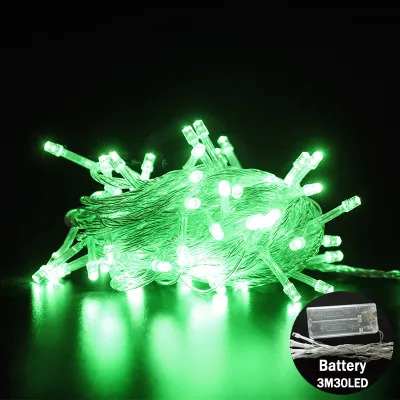
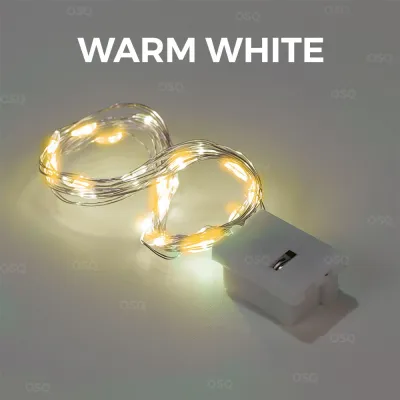
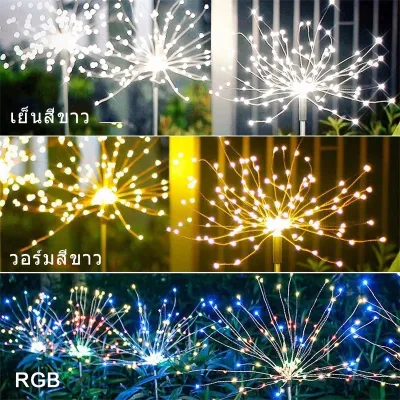
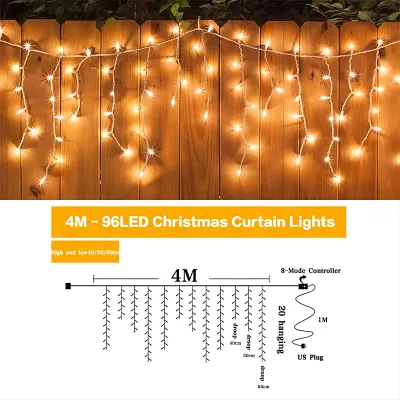
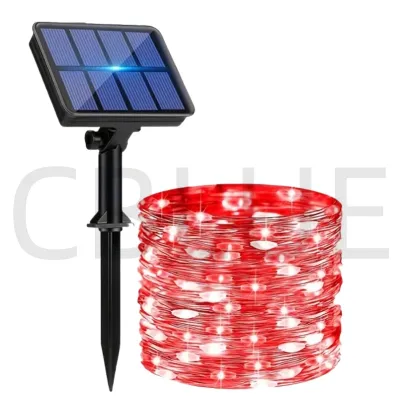
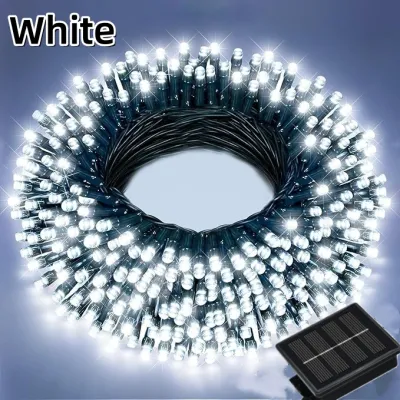
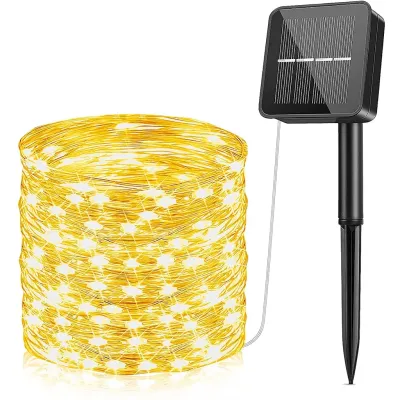
Prices are valid at publication and may change. Please refer to the product page for the latest price.
To help you make an efficient decision, look for the following baseline specifications when shopping for ambient indoor lights:
- Color Temperature: 2700K to 3000K (Warm White or Warm Amber)
- Bulb Type: Micro LED (fairy style) or G30/G40 frosted globes
- Wire Type: Thin copper, silver, or transparent insulated wire
- Power Source: USB-powered (5V) or low-voltage plug-in adapter
- Brightness Control: Dimmable inline controller or smart-plug compatibility
- Total Length: 5 to 10 meters per individual accent area
These specifications ensure that the light source remains subtle and integrated into your existing decor. Micro LEDs on thin wires virtually disappear when turned off, preventing visual clutter. Opting for low-voltage USB or adapter-powered systems also improves safety in enclosed indoor environments while offering flexible placement options near desks, beds, or media consoles.
Key Specifications to Look For in Ambient Christmas Lights
Selecting the right holiday lights involves understanding how technical specifications translate to visual comfort in a small space. Because you will be sitting much closer to the light source than you would in a larger home, factors like color temperature, bulb style, and brightness control directly affect your daily comfort.

Color Temperature and Spatial Mood
Color temperature is measured in Kelvin (K) and dictates the perceived warmth of the light. For a relaxing, cozy ambiance, a range of 2700K to 3000K is highly recommended. This warm white spectrum mimics the gentle, golden hue of candlelight, which helps signal to your body that it is time to wind down.
In contrast, cool white lights (usually rated at 5000K or higher) emit a crisp, blue-toned light. While excellent for task lighting or outdoor visibility, cool white can feel clinical, sterile, and overly stimulating when used as accent lighting in a small bedroom. Multicolor strings can also present challenges in compact rooms; the rapid transition between contrasting colors can create visual chaos and make a small space feel even smaller. If you prefer color, look for single-tone warm amber or soft pastel options to keep the environment serene.
Bulb Size and Style
The physical design of the bulb determines how light is distributed across your walls and furniture.
- Micro LEDs (Fairy Lights): These tiny, dewdrop-shaped light sources are molded directly onto thin, flexible metal wires. They emit a delicate, point-source light that creates a starry, whimsical effect. Because the bulbs are so small, they do not project harsh shadows, making them perfect for close-up viewing near a bed or desk.
- Small Globe Lights (G30 or G40): These spherical bulbs feature a larger surface area, which helps diffuse light more widely. G30 (30mm diameter) and G40 (40mm diameter) globes are excellent for creating a vintage or cafe-style aesthetic. To prevent direct glare from the internal filaments, look for frosted, satin, or opal-finished globes. These finishes scatter the light evenly, producing a soft, uniform glow rather than a sharp point of light.
Brightness, Lumens, and Dimming
In a compact condo bedroom, excessive brightness can lead to eye strain and headaches. Most standard decorative light strings do not list their lumen output, but you can manage brightness by looking at the wattage and control features.
Whenever possible, select light strings that feature built-in dimming capabilities. Many modern LED strings come with a small inline remote or are compatible with smart dimmer plugs. Being able to lower the brightness to 10% or 20% of maximum output allows you to transition the lighting from a cheerful evening accent to a ultra-soft, sleep-friendly nightlight.
String Length and Spacing
Before purchasing, measure the specific area you plan to decorate, such as the perimeter of a headboard, the length of a floating shelf, or a window frame. Buying a string that is too long results in bundles of excess wire that are difficult to hide and can create a messy appearance.
As a general rule, add approximately 10% to 15% to your measured length to allow for natural draping or wrapping slack. For small rooms, a 5-meter to 10-meter string is usually more than sufficient for a single feature wall or furniture piece. Pay attention to bulb spacing as well; tighter spacing (around 5 to 10 centimeters between bulbs) is ideal for micro LEDs, while wider spacing (20 to 30 centimeters) works best for larger globe lights to prevent a crowded look.
Recommended Types of Fairy String Lights for Compact Spaces
Different lighting styles serve different design purposes. To help you choose the best fit for your condo layout, let us look at three popular types of decorative lights, their ideal applications, and their physical limitations.
Copper Wire Micro LED Fairy Lights
Copper wire micro LED fairy lights are the most versatile option for intricate, close-up ambient lighting in small rooms. The thin, bendable copper or silver wire retains its shape when wrapped, allowing you to contour the lights precisely around structural elements or decor pieces.
- Best Uses: Wrapping around wooden or metal bed frames, weaving through indoor potted plants, outlining floating wall shelves, or placing inside clear glass mason jars to create decorative "firefly" lanterns.
- Advantages: The wire is incredibly lightweight, meaning it can be supported by simple tape or small adhesive hooks. These lights generate virtually zero heat, making them safe to use around delicate fabrics, paper decorations, or wooden surfaces. They are also highly energy-efficient and commonly powered by a standard 5V USB connection.
- Limitations: Because the individual LEDs are tiny, they provide localized accent lighting rather than broad room illumination. They are meant to complement other light sources, not serve as the primary light for reading or working.
Small Globe String Lights
Small globe string lights offer a more pronounced, structured decorative statement. The round bulbs provide a classic, nostalgic aesthetic that works beautifully as a design focal point.
- Best Uses: Draping horizontally across a bedroom headboard, hanging along the top seam of a wall, or outlining a dining area or balcony door frame.
- Advantages: The larger bulb size provides a wider, more diffused throw of light that can gently illuminate a larger portion of a small room. When hung loosely, they create elegant, sweeping curves that draw the eye upward, making the ceiling feel slightly higher.
- Limitations: Globe lights carry more physical and visual weight than micro LEDs. They require sturdier mounting support, such as cup hooks or heavy-duty adhesive clips. Additionally, glass globes can shatter if knocked against hard concrete condo walls; therefore, durable, shatterproof plastic globes are highly recommended for indoor safety.
Curtain or Canopy String Lights
Curtain lights consist of a main horizontal wire from which multiple vertical light strands drop down at regular intervals. This design is highly effective for maximizing vertical space without taking up valuable floor or tabletop surfaces.
- Best Uses: Hanging behind a sheer window curtain, creating a glowing backdrop behind a bed, or defining a partition wall in a studio condo.
- Advantages: They cover a large vertical surface area with a soft, uniform sheet of light. Placed behind a translucent white curtain, they create a beautifully diffused, dreamlike glow that softens the hard angles of a concrete condo room.
- Limitations: You must verify the vertical drop length before purchasing. Standard curtain lights often come in 2-meter or 3-meter drops. In many modern Philippine condos, ceiling heights range from 2.4 to 2.7 meters. Ensure the strands do not pool excessively on the floor, as this can create a tripping hazard and collect dust rapidly.
Safety, Power, and Installation Checks for Condos
Because condos are compact, enclosed living environments, safety and proper installation are paramount. Before purchasing or hanging any decorative lighting, run through these essential electrical and physical checks to protect your home.
Voltage and Certification Standards
Always verify the electrical requirements of your light strings before plugging them in. In the Philippines, the standard household electrical supply is 220V AC at 60Hz.
- Check the Label: Inspect the small plastic tag near the plug or the manufacturer's instruction manual. Ensure the input voltage explicitly lists compatibility with 220V.
- Avoid Voltage Mismatches: Many holiday lights purchased from international online marketplaces are designed for 110V systems. Plugging a 110V light string directly into a Philippine 220V outlet will permanently damage the device, melt the insulation, and pose an immediate fire or shock hazard. If you have a 110V set, you must use a properly rated step-down transformer.
- Look for Certifications: For plug-in lights, check for local safety certifications such as the Philippine Standard (PS) mark or the Import Commodity Clearance (ICC) sticker. These labels indicate that the product has undergone safety testing for the local market.
Power Source Selection
Choosing how your lights are powered impacts both convenience and safety. Consider the trade-offs of the three primary power formats:
- USB-Powered (5V): This is often the safest and most convenient option for small rooms. You can plug them into standard mobile phone chargers, power banks, or the USB ports of a computer or television. The low 5V operating voltage minimizes electrical risks, and they can be easily integrated into smart home setups.
- Battery-Operated: These offer maximum placement flexibility because you do not need to worry about nearby wall outlets. However, they require frequent battery replacements, which can become expensive and environmentally wasteful over time. They are best reserved for temporary holiday displays or hard-to-reach shelves.
- Direct Plug-In (220V): These are highly reliable and provide consistent brightness for longer strings. However, they limit your placement options to areas near wall outlets. If you must use an extension cord, ensure it is rated for indoor use and kept out of high-traffic walking paths.
Thermal Management and Fire Prevention
In a tropical climate like the Philippines, indoor spaces can retain heat, especially when air conditioning units are turned off during the day. High humidity can also affect poorly insulated electrical connections.
- Choose LEDs Over Incandescent Bulbs: LED bulbs convert almost all of their energy into light rather than heat. Traditional incandescent bulbs, on the other hand, can become hot to the touch after only a few minutes of operation. This heat buildup is dangerous if the bulbs come into direct contact with flammable materials like polyester curtains, bedsheets, or wooden headboards. Always choose LEDs for indoor ambient setups.
- Inspect for Physical Damage: Before hanging your lights, lay them flat on the floor and plug them in to check for any flickering, dead bulbs, or exposed wires. If you notice any cracked plastic housing, frayed wires, or loose connections, discard the string immediately.
Secure Mounting and Cable Management
Proper installation prevents accidents and keeps your condo looking tidy. Because many condos are rental units with strict rules against drilling or nailing into concrete walls, non-destructive mounting is key.
- Use the Right Hooks: Lightweight fairy lights can be easily suspended using small, transparent adhesive clips or damage-free hooks. For heavier globe lights, ensure the adhesive hooks are rated to support the weight of the cable and bulbs to prevent them from falling.
- Isolate Power During Installation: Always unplug the light string from the wall or power source before you begin hanging or adjusting them. This prevents accidental shocks or short circuits while you are handling the wires.
- Keep Away from Moisture and Condensation: Avoid hanging indoor-rated lights near areas prone to high humidity or moisture. In a condo, this includes directly underneath or adjacent to air conditioning vents (where condensation can drip), near open windows during rainy weather, or close to kitchen cooking zones.
- Route Cables Safely: Use self-adhesive cable organizers to route power cords neatly down the corners of walls or along baseboards. Never run cords under rugs, carpets, or heavy furniture, as friction and trapped heat can damage the wire insulation over time.
Frequently Asked Questions (FAQ)
Can I leave fairy string lights on all night in a small bedroom?
While high-quality LED fairy lights run exceptionally cool and consume very little power, it is generally not recommended to leave them running unattended all night. Any electrical device left powered on indefinitely carries a minor risk of component failure or short-circuiting.
To enjoy a warm glow as you fall asleep without compromising safety, connect your lights to a simple plug-in mechanical timer or a smart plug. You can program the timer to automatically turn the lights off one or two hours after you go to bed. Additionally, even warm amber light can interfere with your body’s natural melatonin production if it shines directly into your eyes. Positioning the lights away from your direct line of sight or dimming them to their lowest setting will help preserve your sleep quality.
How do I hang Christmas lights in a condo without damaging the walls?
Most condo associations and landlords have strict policies against drilling holes or driving nails into concrete walls, which can result in costly repair deductions from your security deposit. Fortunately, there are several reliable, damage-free ways to secure your lights:
- Damage-Free Adhesive Hooks and Clips: Clear, removable adhesive clips are ideal for lightweight fairy lights. They hold the wire securely against the wall and can be peeled off cleanly without stripping the paint, provided you follow the manufacturer's removal instructions.
- Tension Rods: If you want to hang curtain lights across a window or a recessed wall nook, you can use an adjustable spring-loaded tension rod. This allows you to suspend the lights without using any adhesives or fasteners on the walls.
- Over-the-Door Hooks and Existing Fixtures: You can also drape lights over curtain rods, around existing wall sconces, or along the top edges of tall wardrobes and bookshelves. This utilizes your existing furniture as structural support, completely eliminating the need to attach anything directly to your walls.

Community discussion
Share your experience or ask a question. Comments are reviewed before publication.