
Transforming a garden into a luminous tropical sanctuary requires lighting that can withstand both the aesthetic demands of outdoor styling and the harsh realities of local weather. For homeowners and landscape designers in the Philippines, finding the perfect vine lamp light involves balancing delicate, organic designs with robust, weather-resistant engineering. These decorative string lights, which mimic the natural trailing growth of ivy or floral vines, add an enchanting, soft glow to pergolas, trellises, and fences. However, because they are permanently or semi-permanently installed outdoors, they must endure intense tropical sun, high humidity, and torrential monsoon rains without short-circuiting or fading.
To select the best vine-style waterproof string lights for your Philippine garden, you must prioritize high Ingress Protection (IP) ratings, UV-stabilized materials, and locally compatible electrical specifications. Standard indoor fairy lights will quickly fail when exposed to the elements, posing electrical hazards and requiring frequent replacements. By focusing on heavy-duty construction, rust-resistant wiring, and proper power adapters, you can enjoy a reliable, low-maintenance lighting display that enhances your outdoor living space year-round. Whether you are illuminating a cozy balcony in Metro Manila or a sprawling garden in Tagaytay, understanding the technical and structural requirements of these fixtures is the first step toward a successful installation.
How to Choose a Vine Lamp Light for Tropical Climates
Operating outdoor lighting in the Philippines presents unique environmental challenges that do not exist in temperate zones. The combination of high ambient temperatures, relentless ultraviolet (UV) radiation, and extreme seasonal rainfall requires careful scrutiny of every technical specification before purchase. Investing in a high-quality vine lamp light ensures that your decorative setup remains safe and beautiful through changing seasons.
Products mentioned in this guide
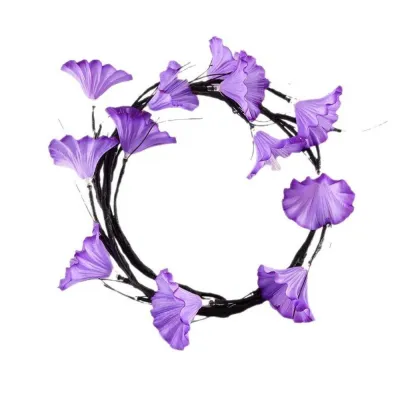
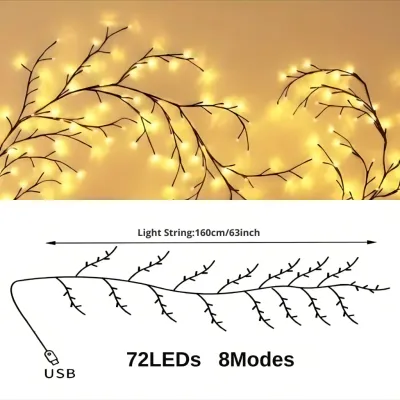
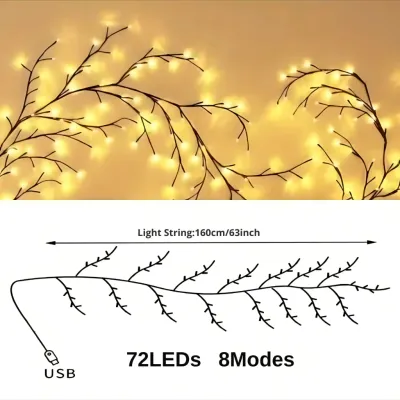
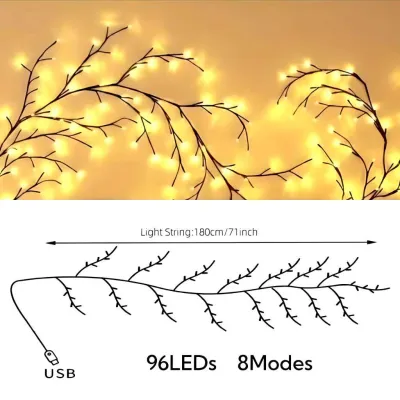
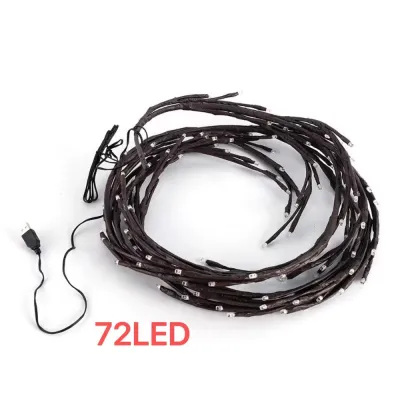
Prices are valid at publication and may change. Please refer to the product page for the latest price.
Understanding IP Ratings for Heavy Rainfall
The Ingress Protection (IP) rating is the most critical metric for determining how well an outdoor light can resist water and dust penetration. An IP rating consists of two digits: the first represents protection against solid objects, and the second represents protection against liquids. For outdoor garden use in the Philippines, where sudden tropical downpours and typhoons are common, you should look for fixtures with a minimum rating of IP65. An IP65 rating indicates that the lights are completely dust-tight and can withstand water jets projected from any direction. For areas prone to temporary pooling or heavy splashing, upgrading to IP67-rated lights provides temporary immersion protection, ensuring the internal circuitry remains dry even during severe monsoon storms. Avoid IP44-rated lights for fully exposed garden areas, as they are only splash-proof and may fail under heavy, sustained rain.
Evaluating Material Durability Against UV Rays
The intense tropical sun during the dry season can be just as damaging to outdoor lights as heavy rain. Ultraviolet (UV) radiation breaks down standard plastics, causing them to fade, turn yellow, become brittle, and eventually crack. When choosing vine-style lights, verify that the faux leaves, floral elements, and cable jackets are made from UV-stabilized or UV-resistant polymers. High-quality polyethylene (PE) or polyurethane (PU) materials are often treated with UV inhibitors to prevent the faux foliage from shedding or discoloring. If the product description does not explicitly mention UV resistance, the materials are highly likely to degrade within a single dry season, leaving you with bare, brittle wires and faded plastic leaves.
Verifying Voltage and Electrical Certifications
Electrical safety is paramount when installing any outdoor lighting system. In the Philippines, the standard household electrical supply is 220V at a frequency of 60Hz. Many imported vine lights sold online may be rated for 110V or 50Hz systems, which can lead to immediate product failure, overheating, or electrical fires if plugged directly into a local outlet without a proper transformer. Always verify that the power adapter or transformer is rated for 220V input and 60Hz frequency. Furthermore, look for products that carry recognized safety certifications, such as the Philippine Standard (PS) quality mark or the Import Commodity Clearance (ICC) sticker. These certifications guarantee that the electrical components have undergone rigorous testing to ensure they meet national safety standards for household use.
Selecting Rust-Resistant Wiring and Connectors
High humidity levels, particularly in coastal regions or during the wet season, accelerate the corrosion of metal components. When water vapor penetrates poorly sealed wire jackets or connectors, it oxidizes the copper wiring, leading to voltage drops, flickering, and eventual system failure. Opt for vine lights that utilize heavy-gauge, multi-strand copper wire encased in thick, weather-resistant rubber (such as SJTW or Neoprene) rather than thin, cheap PVC jackets. Additionally, inspect the connection points where multiple string lights join. High-quality outdoor lights feature waterproof screw-cap connectors equipped with rubber O-rings that seal out moisture. These threaded connectors prevent water from seeping into the electrical joints, preserving the integrity of the entire circuit.
Popular Vine Light Designs for Garden Aesthetics
Vine-style string lights are available in various designs, allowing you to tailor the look to your specific garden theme. While the primary goal is durability, selecting a design that complements your existing landscaping and architectural elements will maximize the visual impact of your outdoor lighting.

Faux Leaf and Floral Vine Lights
Faux leaf and floral vine lights are designed to blend seamlessly with natural vegetation, creating a lush, organic appearance during the day and a magical, glowing effect at night. These lights typically feature artificial ivy, eucalyptus, maple leaves, or delicate cherry blossoms interspersed with tiny LED bulbs.
- Best Use Cases: These fixtures are ideal for wrapping around wooden pergolas, climbing up garden trellises, or draping along metal fences. By weaving the artificial vines through existing plant structures, you can create a dense, green backdrop that conceals the wiring and highlights the natural contours of your garden.
- Material Inspection: Before purchasing, check how the faux foliage is attached to the main wire harness. Cheaper models often use simple glue or thin plastic clips that can easily fail under heavy wind or rain, causing the leaves to shed. Look for designs where the leaves are molded directly onto the wire jacket or secured with heavy-duty, weather-treated clips. Additionally, ensure the fabric or plastic used for the leaves is non-porous and water-resistant to prevent mold growth during prolonged damp periods.
Rattan-Style and Bare Wire Vine Lights
For a more minimalist, modern, or bohemian aesthetic, rattan-style and bare wire vine lights offer a distinct alternative to leafy designs. These lights rely on structural form and texture rather than faux foliage to create visual interest.
- Best Use Cases: Bare wire vine lights, often made from flexible copper or silver wire, can be easily bent and shaped to trace the exact lines of tree branches, columns, or outdoor wall art. Rattan-style vine lights, which feature small woven spheres or baskets around each LED bulb, are perfect for creating a cozy, rustic atmosphere on covered patios, verandas, or outdoor dining areas.
- Structural Durability and Mold Resistance: While flexible copper wire is highly versatile, it must be handled with care during installation to avoid kinking or breaking the delicate internal strands. Ensure the wire has a protective, clear lacquer coating to prevent oxidation. For rattan-style covers, verify that the woven material is either synthetic (such as PE rattan) or treated with a water-resistant, anti-fungal sealant. Natural, untreated rattan will quickly absorb moisture in the humid Philippine climate, leading to mold, rot, and structural decay within a few months of outdoor exposure.
- Aesthetic Preferences: While warm white light is often preferred for creating a cozy, relaxing ambiance, color temperature and spatial effects remain a matter of personal preference rather than a measure of technical performance.
Installation and Safety Guidelines for Outdoor Vine Lights
Installing outdoor lighting requires a safety-first approach to protect both the installer and the household from electrical hazards. Working in outdoor, potentially damp environments increases the risk of electrical shock, making proper installation techniques essential.
Prioritizing Power Isolation and Component Elevation Before beginning any installation work, always isolate the power supply by switching off the circuit breaker or unplugging the power source. Never attempt to hang, adjust, or connect string lights while the system is energized. When planning your layout, identify the location of the power outlet and the transformer. Even if the string lights themselves are rated for outdoor use, the power adapter or transformer is often the most vulnerable component. Always keep the power adapter elevated off the ground. Mount it on a wall, post, or specialized outdoor utility box at least 30 centimeters above the maximum expected puddle height. Never allow the adapter to sit directly on soil, grass, or in areas where garden sprinklers or rainwater runoff can pool.
Using Safe Mounting Hardware and Extension Cords How you secure your vine lights to garden structures directly impacts their safety and lifespan. Avoid using metal nails, staples, or tacks to hang the lights, as these can easily pierce the protective wire insulation, exposing live copper strands and creating a severe shock or fire hazard. Instead, use UV-resistant nylon zip ties, specialized plastic light clips, or insulated screw hooks designed specifically for outdoor wiring. When connecting the lights to a power source, ensure you use a heavy-duty, outdoor-rated extension cord with a grounded, three-prong plug. If the connection between the extension cord and the light adapter is exposed to the elements, protect it with a water-resistant safety cover or wrap it securely with high-grade electrical tape.
Defining DIY Boundaries and Knowing When to Call a Professional While hanging plug-and-play vine lights along a low garden fence is a straightforward DIY project, certain scenarios demand the expertise of a licensed professional. You should consult a qualified electrician if your installation involves any of the following:
- Fixed Structural Wiring: Integrating the vine lights into your home's main electrical panel or installing new, permanent outdoor outlets.
- Working at Significant Heights: Hanging lights along high rooflines, tall trees, or multi-story structures that require specialized climbing gear or tall ladders.
- Suspended Heavy Loads: Installing long spans of lights across open spaces where the weight of the cables requires a tensioned steel guide wire (messenger cable) to prevent sagging and structural strain on the electrical connections.
- Damp and Pool Zones: Installing lights close to swimming pools, water features, or outdoor showers, where strict electrical clearance codes must be observed to prevent accidental electrocution.
Maintenance Tips to Prolong the Lifespan of Your Vine Lights
The combination of tropical heat, high humidity, and seasonal storms means that outdoor lights require regular maintenance to perform optimally. Implementing a simple, routine care schedule will protect your investment and prevent premature system failure.
Conducting Routine Visual Inspections At least once a month, and especially after heavy rainstorms or high winds, perform a thorough visual inspection of your vine lights. Look for any signs of wear, such as frayed or cracked wire insulation, loose connections, or damaged LED bulbs. Check the faux foliage to ensure it is not trapping excessive moisture or debris against the wire harness. If you notice any exposed copper, cracking in the wire jacket, or loose electrical pins, unplug the lights immediately and do not use them until the damaged section is repaired or replaced.
Implementing Safe Cleaning Methods Over time, outdoor lights will accumulate dust, pollen, spiderwebs, and insect debris, which can dim the light output and trap moisture. To clean your vine lights, always begin by completely unplugging the system from the power source. Allow the bulbs to cool down if they have been running. Use a dry or slightly damp, lint-free microfiber cloth to gently wipe down the wire, faux leaves, and bulb covers. Never use harsh chemical cleaners, abrasive scrubbing pads, or high-pressure water sprays (such as a pressure washer), as these can damage the protective seals and force water into the electrical components. Ensure the entire assembly is completely dry before plugging the system back into the power outlet.
Preparing for Extreme Weather and Typhoon Seasons The Philippines experiences numerous tropical cyclones and typhoons every year, bringing destructive winds and torrential rainfall. While high-quality outdoor vine lights are designed to withstand normal rainy conditions, they are not built to survive the extreme physical forces of a severe typhoon. Flying debris, falling tree branches, and violent winds can easily tear down, shred, or crush your lighting display. To prevent costly damage, make it a habit to take down and store your vine lights in a dry, indoor location whenever a typhoon warning is issued for your area. Store the lights loosely coiled in a plastic bin to prevent kinking the wires or crushing the faux foliage, ensuring they are ready to be reinstalled once the weather clears.
Frequently Asked Questions (FAQ)
Are solar-powered vine lights reliable for Philippine gardens?
Solar-powered vine lights offer an eco-friendly, wire-free alternative for garden lighting, but their reliability in the Philippines depends heavily on the season and placement. During the sunny dry season (typically from November to April), solar panels receive abundant, direct sunlight, allowing them to fully charge the internal batteries and provide bright, consistent illumination throughout the night. However, during the wet monsoon season (from May to October), persistent cloud cover, heavy rain, and shorter daylight hours significantly reduce the solar panel’s efficiency. Under these conditions, solar lights may only stay illuminated for a few hours or appear noticeably dimmer.
To maximize the performance of solar-powered vine lights, you must place the solar panel in an open, unshaded area of your garden that receives at least six to eight hours of direct sunlight daily. Avoid placing the panel under dense tree canopies, roof overhangs, or next to tall walls that cast shadows during peak daylight hours. Keep the surface of the solar panel clean by wiping away dust and grime regularly, as dirty panels cannot absorb light efficiently.
If consistent, bright, and year-round illumination is a priority for your garden—especially for security or outdoor entertaining—plug-in or battery-operated vine lights are generally more reliable. Plug-in systems draw stable power directly from your home’s electrical grid, ensuring your garden remains beautifully lit regardless of daily weather conditions. For a balanced approach, many homeowners use plug-in systems for primary pathways and structural lighting, while reserving solar-powered lights for decorative, accent lighting in hard-to-reach areas of the garden.

Community discussion
Share your experience or ask a question. Comments are reviewed before publication.