
Finding the perfect balance between a late-night reading habit and a partner’s peaceful sleep comes down to choosing the right wall lampshades for bedroom fixtures. The ideal bedside setup directs a focused beam of light onto your book or tablet while keeping the other side of the bed in comfortable darkness. By selecting a lampshade style designed for directional control and light containment, you can enjoy your evening routine without causing unwanted glare or sleep disruptions. This thoughtful approach to lighting design not only preserves your partner’s sleep quality but also enhances the overall functionality and aesthetic appeal of your personal sleeping space.
Key Functional Features for Bedside Reading Light
To achieve effective task lighting without disturbing anyone else, a bedside reading light must offer precise control over where its light travels. The primary factor in preventing stray light from scattering across the bedroom is the opacity of the shade. A completely opaque shade with a reflective interior lining, such as white or metallic gold, ensures that light is projected only through the designated openings rather than diffusing through the sides of the shade. This design keeps the ambient glow to a minimum while maximizing the brightness of the focused beam on your reading material. When shopping, look for shades specifically labeled as opaque or lined, as these are engineered to prevent lateral light transmission.
Adjustability is another critical feature for shared sleeping spaces. Fixtures equipped with adjustable joints, flexible goosenecks, or swing arms allow you to position the light source exactly where you need it. When you finish reading, you can easily push the fixture back against the wall or redirect the beam away from your partner’s face. This physical flexibility ensures that the light path remains highly localized, adapting to different sitting or reclining postures throughout the evening. It also allows you to lower the light source closer to your book, which naturally reduces the spread of light across the room.
Products mentioned in this guide

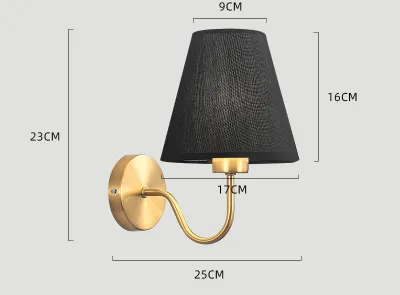
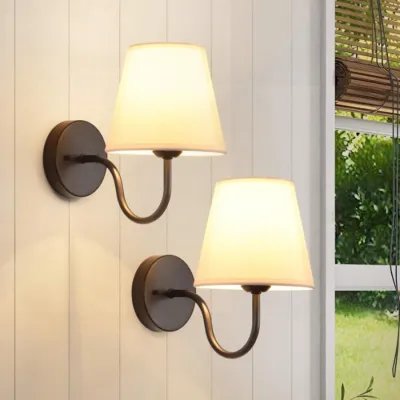
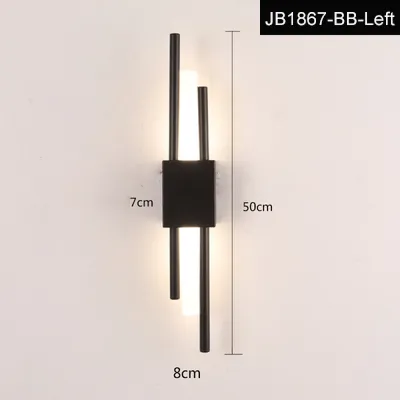
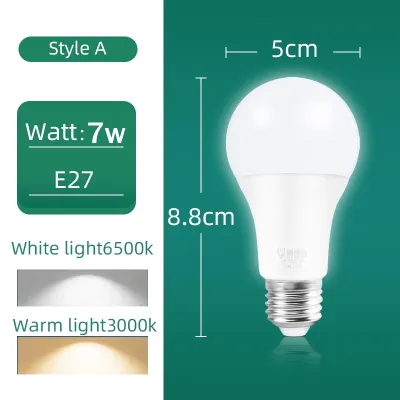
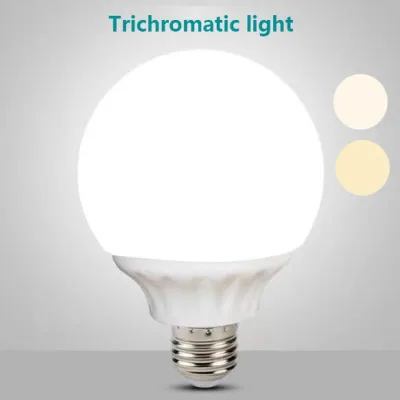
Prices are valid at publication and may change. Please refer to the product page for the latest price.
Before finalizing any fixture, always verify the technical specifications on the manufacturer’s label. Check the bulb base compatibility, such as standard E27 or E14 screw bases common in local homes, and strictly adhere to the maximum wattage limits. Overheating can damage both the lampshade material and the internal wiring, especially in humid tropical climates where heat dissipation is crucial. Opting for low-wattage LED bulbs is an excellent way to keep the fixture cool while obtaining sufficient brightness for reading. Additionally, check if the fixture features an integrated on/off switch on the base or cord, which allows you to operate the light easily without reaching far or getting out of bed.
Lampshade Shapes That Minimize Light Spill
The geometric shape of a lampshade directly dictates the spread and angle of the light beam. Cone-shaped shades naturally create a wider downward pool of light, which is excellent for broad coverage but may spill onto the adjacent pillow if not carefully angled. Cylinder or drum shades offer a more restricted, vertical column of light, casting illumination both upward and downward while shielding the sides. For the most precise light control, directional spotlight shades or narrow cylindrical tubes are highly effective, as they concentrate the light into a tight, narrow beam that stays confined to your side of the bed. These spotlight designs are particularly useful for active readers who share a bed with light sleepers.

In smaller bedrooms or tight spaces where protruding swing arms might feel obstructive, flush-mounted D-shaped or half-moon shades offer a compact alternative. These flat-backed designs sit snugly against the wall, directing light primarily downward or upward depending on their orientation. While they lack the dynamic adjustability of a swing arm, their low-profile design prevents them from being accidentally bumped in the dark, making them a neat and practical choice for minimalist headboard setups. They also help keep the bedside area looking clean and uncluttered, which is ideal for smaller urban condominiums or cozy guest rooms.
When choosing between a fixed decorative shade and an adjustable reading arm, consider your daily habits and bed sharing arrangements. A fixed decorative shade provides beautiful ambient lighting and serves as a permanent style statement, but it offers very little control over light spill. A dual-source fixture—which features a decorative fabric shade for general room warmth and a separate, tiny LED gooseneck reading arm below it—offers the best of both worlds. This setup allows you to switch off the main ambient light and use only the highly focused reading arm when your partner is ready to sleep, giving you ultimate control over your bedroom’s light levels.
Balancing Material Choices for Light Control and Aesthetics
The material of your lampshade plays a dual role in managing light transmission and defining the room’s aesthetic character. Opaque materials like powder-coated metal, ceramic, or heavy fabric shades with dark, solid linings are the most effective at blocking light transmission. Because these materials do not allow light to pass through their walls, they force the entire output of the bulb through the open top or bottom of the shade. This creates a dramatic, focused spotlight effect that is ideal for late-night reading without elevating the overall ambient light level of the bedroom. Metal shades, in particular, offer a sleek, modern look that is highly durable and easy to maintain.
Conversely, translucent materials such as frosted glass, light-colored linen, or woven paper are designed to diffuse light softly in all directions. While these materials create a warm, inviting glow that is perfect for relaxing before bed, they are less suitable for shared sleeping spaces. The diffused light easily travels across the entire bed, potentially keeping a sensitive sleeper awake. If you prefer the soft look of fabric, look for shades that feature an integrated opaque inner liner to block lateral light while maintaining a textured exterior appearance. This allows you to enjoy the cozy aesthetic of fabric without sacrificing the directional control needed for shared rooms.
To ensure your bedside sconces complement your bedroom decor, coordinate the fixture finishes with your existing hardware and furniture. Matte black, brushed brass, or satin nickel finishes can easily match drawer pulls, curtain rods, or headboard frames. In tropical environments, choosing corrosion-resistant finishes or high-quality powder coatings helps protect the metal components from the humid air. Balancing these material choices ensures that your reading lights are both highly functional and visually integrated into your personal sanctuary, creating a cohesive design theme throughout the space.
Placement and Installation Checks for Bedside Sconces
Proper placement is essential to ensure your bedside sconce provides comfortable reading light without causing eye strain or physical discomfort. As a general guideline, the bottom of the lampshade should sit approximately at shoulder height when you are sitting up against your headboard. This height, typically around 55 to 60 inches from the floor depending on your mattress thickness and bed frame height, ensures the light shines directly onto your book rather than directly into your eyes. Be sure to measure the horizontal reach of any swing-arm models to confirm they can extend comfortably over your shoulder without hitting the headboard or requiring you to lean awkwardly.
When planning the installation, you must choose between hardwired and plug-in models. Hardwired sconces offer a clean, seamless look with all electrical wires hidden behind the drywall or concrete wall, making them ideal for permanent home renovations. However, if you are renting or want a simpler installation, plug-in sconces are highly convenient. They mount directly to the wall and plug into a nearby electrical outlet, though you may want to use decorative cord covers to keep the dangling wires neat and safe from pets or vacuum cleaners. This flexibility makes plug-in models a popular choice for quick bedroom updates.
Because installing wall-mounted fixtures often involves working with electrical systems, safety should always be your top priority. For hardwired installations, especially when cutting into concrete walls or running new electrical lines through the ceiling, it is highly recommended to consult a qualified electrician. A professional can safely isolate the power, install the correct junction boxes, verify that your home’s electrical load can handle the new fixtures, and ensure all wiring complies with local electrical safety standards. Taking these precautions prevents electrical hazards and ensures your new lighting setup operates safely for years to come.
Frequently Asked Questions (FAQ)
Can I use a smart bulb in a bedside wall sconce?
Yes, you can use a smart bulb in most bedside wall sconces, provided the bulb’s physical dimensions fit comfortably inside the lampshade without touching the sides. It is important to verify that the sconce’s socket matches the bulb’s base type and that the fixture is not connected to a traditional wall dimmer switch, as standard dimmers can cause smart bulbs to flicker or malfunction. Always check the manufacturer’s instructions to ensure proper ventilation around the bulb, as smart bulbs contain sensitive electronics that can degrade if heat becomes trapped inside a tightly enclosed shade.
How do I clean fabric or metal wall lampshades safely?
To clean your bedside lampshades safely, always turn off the light fixture and allow the bulb and shade to cool down completely before starting. For fabric, paper, or woven shades, use a dry microfiber cloth, a soft-bristled brush, or a lint roller to gently remove dust and lint without applying moisture, which can cause staining or warping. For opaque metal, ceramic, or glass shades, you can wipe the surfaces with a slightly damp cloth to remove fingerprints and dust, making sure no water enters the socket or electrical components, and dry the fixture thoroughly before turning the power back on.

Community discussion
Share your experience or ask a question. Comments are reviewed before publication.