
Selecting the right warm white solar light for your garden or pathway requires balancing aesthetic preferences with the harsh realities of a tropical climate. In the Philippines, outdoor lighting must endure intense heat, high humidity, salt-laden coastal air, and torrential rains during the typhoon season. A high-quality solar fixture offers an energy-efficient, wire-free solution to illuminate dark walkways and highlight beautiful landscaping without adding to your monthly electricity bill. By focusing on durable materials, appropriate weatherproofing, and robust battery chemistry, you can establish a reliable outdoor lighting system that operates automatically from dusk until dawn.
Warm white illumination, typically ranging from 2700K to 3000K on the Kelvin scale, is highly recommended for residential gardens. Unlike clinical cool white light, which can cast a harsh, blue-toned glare, warm white light mimics the soft glow of traditional incandescent bulbs. This color temperature enhances the natural green, brown, and red tones of tropical foliage, creating a relaxing and visually balanced environment. Investing in solar-powered fixtures allows you to achieve this inviting atmosphere with minimal environmental impact and complete independence from the electrical grid.
Why Warm White Solar Lights are Ideal for Philippine Gardens and Pathways
Deciding on the color temperature of your outdoor lighting significantly shapes the nighttime character of your home. Warm white light is characterized by its soft, golden-yellow hue, which naturally complements outdoor living spaces. In tropical landscapes filled with broad-leaved palms, ferns, and vibrant flowers like bougainvillea, warm white lighting accentuates organic textures rather than flattening them. It is important to note that decorative style, perceived color temperature, and spatial effects are conditional preferences that depend on your specific landscape design, rather than universal performance facts. However, most residential designers prefer warm white because it minimizes visual fatigue and reduces light pollution in neighborhood settings.
Products mentioned in this guide
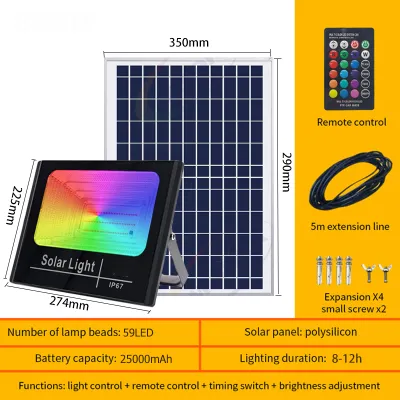
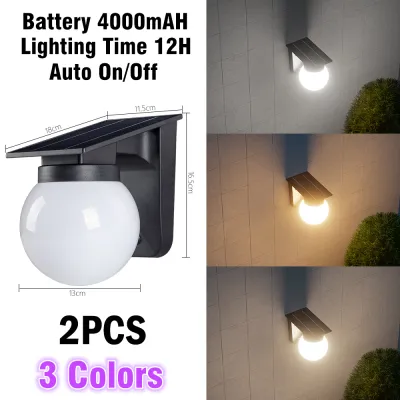
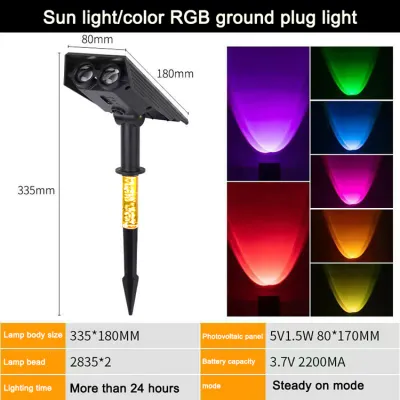
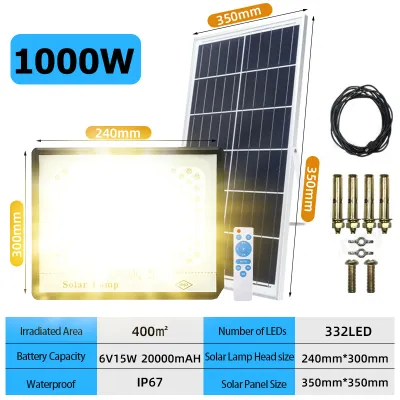
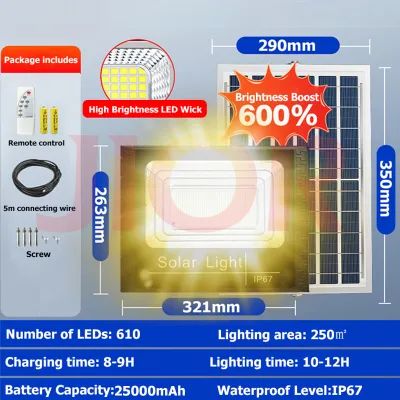
![[Free Shipping ]Solar Ceiling Lights 2000W Solar Light Outdoor Waterproof IP67 Tricolor light Warm Light White Light Natural Light 900W 700W 400W 200W 100W LED Light Indoor Bedroom Lamp Solar Lights With Solar Panel remote control](https://img.lazcdn.com/g/p/7921adb1b852c65e383203ea9a6e51e0.png_400x400q80.png_.webp)
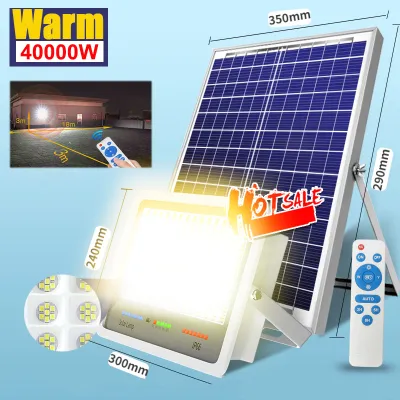
![[Free Shipping]40000W solar ceiling light outdoor waterproof IP67 LED indoor light tricolor light warm light white light natural light solar light inside the house solar ceiling lamp chandelier ceiling lights with solar panel remote control](https://img.lazcdn.com/g/p/7a25ecc1ef37fea624643da9d5fd6907.png_400x400q80.png_.webp)
Prices are valid at publication and may change. Please refer to the product page for the latest price.
From a practical standpoint, solar-powered lighting is uniquely suited to the Philippine climate, which receives abundant sunlight throughout the year. Utilizing solar energy eliminates the need for extensive trenching, conduit laying, and outdoor wiring, which can be both costly and disruptive to established lawns. Because these fixtures operate on low-voltage direct current generated by their own panels, they eliminate the risk of electrical shocks in wet garden soil. Furthermore, automatic dusk-to-dawn sensors ensure that your pathways remain illuminated during unexpected power outages, providing a reliable layer of safety and security for your family.
To successfully transition to solar lighting, you must select fixtures built to withstand tropical environmental stressors. Standard outdoor lights designed for temperate climates often fail prematurely when exposed to the combination of intense daily UV radiation and heavy seasonal monsoons. By understanding the key technical specifications of solar hardware, you can make informed purchasing decisions that yield long-term reliability and consistent nightly performance.
Essential Specs to Check Before You Buy
Before purchasing any solar lighting product from online marketplaces or local hardware stores, you must look past marketing claims and evaluate the technical specifications listed on the packaging or product manual. A systematic review of these specifications will help you identify durable fixtures that can survive years of exposure in a tropical climate.

Color Temperature (Kelvin Rating)
Always verify the exact Kelvin (K) rating on the manufacturer’s specification sheet. To ensure you are buying a true warm white solar light, look for a rating between 2700K and 3000K. Products labeled generically as “white” or even “warm” without a specified Kelvin rating often emit a neutral white (4000K) or cool white (6000K) light, which may not deliver the cozy, low-glare aesthetic you desire.
Weather Resistance (IP Rating)
The Ingress Protection (IP) rating indicates how well the fixture is sealed against solids and liquids. The first digit represents protection against dust (ranging from 0 to 6), and the second digit represents protection against water (ranging from 0 to 9). For general garden and pathway use in the Philippines, look for a minimum rating of IP65, which guarantees protection against dust ingress and low-pressure water jets from any direction. For low-lying garden beds or areas prone to temporary water pooling during heavy downpours, look for IP67-rated fixtures, which can withstand temporary immersion in water.
Battery Chemistry and Heat Tolerance
The rechargeable battery inside a solar light determines its lifespan and nightly runtime. Most budget-friendly solar lights utilize Nickel-Metal Hydride (NiMH) or standard Lithium-ion (Li-ion) batteries, which tend to degrade quickly when subjected to high ambient temperatures. For tropical climates, Lithium Iron Phosphate (LiFePO4) batteries are highly superior. LiFePO4 batteries offer excellent thermal stability, tolerate operating temperatures up to 60°C without rapid degradation, and typically last for 1,500 to 2,000 charge cycles—significantly longer than the 300 to 500 cycles of standard batteries.
Solar Panel Type and Efficiency
Solar panels on garden lights are generally either monocrystalline or polycrystalline. Monocrystalline panels are uniform in appearance, dark black, and boast the highest energy conversion efficiency (typically 15% to 22%). They perform better in limited spaces and are more effective at charging batteries during overcast or hazy days. Polycrystalline panels, which have a speckled blue appearance, are cheaper to produce but have lower efficiency (12% to 15%) and require more surface area and direct, intense sunlight to achieve a full charge.
Brightness, Operating Modes, and Safety Certifications
Evaluate the lumen (lm) output rather than the equivalent wattage to determine the actual brightness of the light. For subtle pathway marking, 10 to 50 lumens per fixture is sufficient, while active security lighting or accent spotlights require 100 to 300 lumens. Additionally, check for operating modes; some fixtures offer a constant dim mode that switches to high brightness when a motion sensor is triggered, which helps conserve battery power. Finally, ensure the product carries reputable electrical safety and environmental certifications, such as CE, RoHS, or local import clearances, to verify that the internal circuitry meets basic quality standards.
Best Warm White Solar Light Types for Every Outdoor Zone
Different areas of your garden and pathway require distinct lighting designs to balance safety, functionality, and visual appeal. Choosing the correct fixture type for each specific zone ensures that light is directed exactly where it is needed while protecting the hardware from physical damage.
Pathway and Driveway Stake Lights
Pathway stake lights are designed to line walkways, driveways, and garden borders, guiding foot traffic safely through your property. When selecting stake lights, prioritize fixtures constructed from heavy-duty, UV-stabilized ABS plastic, powder-coated aluminum, or marine-grade stainless steel. Cheap, thin plastic stakes degrade rapidly under intense tropical sunlight, becoming brittle and snapping easily when the soil hardens or during strong winds.
To prevent glare and ensure comfortable walking conditions, select fixtures that feature downward-facing or shielded light sources. The light should be directed toward the ground, creating a pool of warm illumination on the walking surface rather than shining directly into your eyes. For continuous, overlapping light patterns along a pathway, space the fixtures approximately 1.5 to 2.5 meters apart, depending on their lumen output and the width of the path.
Keep in mind that stake lights are highly vulnerable to physical impact from lawnmowers, string trimmers, active pets, and foot traffic. To minimize the risk of damage, install the stakes 10 to 15 centimeters off the main walking line, nestled slightly within garden borders or mulch beds. This minor offset keeps the fixtures clear of maintenance equipment while still providing adequate illumination for the adjacent pathway.
Garden Bed and Accent Spotlights
Accent spotlights are used to highlight architectural features, stone walls, or signature plants, such as mature palms or ornamental trees. Because these fixtures are often placed deep within dense garden beds, they require adjustable light heads and separate solar panels. A spotlight with an integrated panel will fail to charge if placed under the shade of a large shrub; therefore, models with a separate solar panel connected by a long, weatherproof cable are ideal. This design allows you to mount the panel on a sunny fence or roofline while placing the light fixture deep in the shade.
When positioning spotlights, look for fixtures with narrow beam angles (15 to 30 degrees) to create dramatic uplighting effects along tree trunks or columns. For broader foliage or wide walls, a wider beam angle (60 to 120 degrees) acts as a gentle floodlight. Ensure that the light is angled away from seating areas and windows to prevent light pollution and glare.
In humid tropical environments, the connection ports between the solar panel and the spotlight cable are common failure points. Inspect these connections prior to installation to ensure they feature threaded locking collars and rubber O-ring gaskets. Wrapping these joints with self-amalgamating waterproof tape provides an extra layer of protection against moisture ingress, preventing corrosion and short circuits.
Wall, Gate, and Fence Lights
Wall-mounted and fence-cap solar lights are excellent for illuminating property boundaries, entryways, and outdoor living areas like patios or decks. These fixtures can function as downward-facing wall washers, classic lantern-style lights, or flat deck lights. Because they are mounted directly to hard surfaces, they provide a clean, integrated look that is completely out of the way of foot traffic and garden maintenance tools.
Due to the high wind speeds and heavy rains associated with tropical typhoons in the Philippines, secure mounting is critical. Avoid relying on double-sided adhesive tapes or weak mounting brackets. Instead, use robust stainless steel screws and appropriate wall plugs (tox) to anchor the fixtures firmly to concrete, brick, or wooden surfaces. This prevents the lights from vibrating loose or detaching during severe weather events.
Safety is paramount when installing any fixture on your home’s exterior. Ensure that drilling into walls does not interfere with existing concealed electrical wiring, plumbing, or structural columns. If you are integrating hybrid solar-electric systems, working at significant heights, or mounting fixtures in highly exposed damp areas, always isolate the main power source before beginning work. If you are unsure of the structural integrity or the location of hidden utilities, consult a qualified professional electrician to handle the physical installation.
How to Install and Maintain Solar Lights in a Tropical Climate
Proper installation and a consistent maintenance routine are essential to maximize the operational lifespan of your warm white solar lights. Neglecting basic care in a tropical environment can lead to rapid performance decline and premature hardware failure.
- Optimize Solar Exposure: Install solar panels in locations that receive at least 6 to 8 hours of direct, unshaded sunlight daily. In the Philippines, which lies in the northern hemisphere close to the equator, tilting panels slightly toward the south (at an angle of 10 to 15 degrees) maximizes year-round solar energy collection. Avoid placing panels directly under dense tree canopies, roof gutters, or walls that cast long shadows during the peak charging hours of 10:00 AM to 2:00 PM.
- Establish a Cleaning Routine: Dust, pollen, bird droppings, and salt film (especially in coastal regions) accumulate quickly on solar panels, blocking sunlight and reducing charging efficiency by up to 30%. Every two to four weeks, gently wipe the solar panels with a soft, damp microfiber cloth and clean water. Never use abrasive scrubbing pads, harsh chemical detergents, or high-pressure washers, as these can scratch the tempered glass or degrade the protective plastic laminate, permanently reducing panel efficiency.
- Manage Wet Season Drainage: During the heavy rains of the wet season, check your garden beds for standing water. Ensure that the soil around the base of stake lights drains efficiently to prevent water from rising above the fixture's sealing gaskets. If an area is prone to temporary flooding, relocate your stake lights to higher ground. Additionally, clear away rotting leaves and wet debris from around the light bases to prevent mold growth and localized corrosion.
- Perform Battery Diagnostics: If a solar light begins to turn off early in the night or fails to illuminate entirely despite sunny daytime conditions, the rechargeable battery is likely reaching the end of its useful life. Turn off the fixture's power switch, open the battery compartment, and inspect the battery for signs of swelling, leakage, or terminal corrosion. Clean any corrosion on the contacts using a small wire brush or cotton swab dipped in white vinegar, and replace the old battery with a new one that matches the manufacturer's specified chemistry, voltage, and capacity (mAh). Ensure the rubber sealing gasket is perfectly seated when reassembling the compartment to preserve the watertight seal.
Frequently Asked Questions (FAQ)
How long do solar light batteries last?
The lifespan of a solar light battery depends primarily on its chemistry and the operating environment. Standard NiMH batteries typically last between 1 and 2 years, while high-quality Lithium Iron Phosphate (LiFePO4) batteries can perform reliably for 3 to 5 years under normal conditions. The high ambient temperatures common in the Philippines can accelerate battery degradation, causing them to lose capacity more quickly. If you notice a substantial reduction in nightly runtime, consult your product manual to find the exact replacement battery specifications and replace the cell to restore full performance.
Do solar lights work on cloudy or rainy days?
Yes, solar panels can still charge during cloudy or rainy days by absorbing diffuse sunlight that penetrates the cloud cover. However, the charging efficiency is significantly reduced, often dropping to 10% to 25% of the capacity achieved on a clear, sunny day. During extended periods of overcast weather, your lights may operate for fewer hours at night or appear noticeably dimmer. To ensure reliable performance during the monsoon season, select solar lights equipped with larger battery capacities, highly efficient monocrystalline panels, or energy-saving motion sensors that conserve power when no one is nearby.

Community discussion
Share your experience or ask a question. Comments are reviewed before publication.