
Finding the right waterproof outdoor solar spotlight in the Philippines requires a thorough understanding of how tropical weather impacts outdoor electronics. With intense monsoon seasons, high relative humidity, and frequent typhoons, standard outdoor lights often fail due to water ingress or material degradation. To ensure your garden, driveway, or architectural features remain safely illuminated year-round, you must select fixtures engineered to withstand heavy downpours and prolonged exposure to ultraviolet (UV) radiation. The ideal waterproof outdoor solar spotlight combines a high Ingress Protection (IP) rating, durable housing materials, high-efficiency solar panels, and robust battery storage. This guide details the critical technical specifications, performance standards, and installation practices necessary to choose reliable solar spotlights that will endure the Philippine climate.
What Makes a Solar Spotlight Truly Waterproof and Weather-Ready?
In the Philippines, outdoor lighting must endure extreme environmental stressors, from the intense heat of the dry season to the torrential rains of the southwest monsoon (habagat). A product labeled simply as “waterproof” or “weatherproof” is not guaranteed to survive these conditions without verified technical specifications. Understanding these standards allows you to evaluate a fixture’s true survival capability.
Decoding Ingress Protection (IP) Ratings
Products mentioned in this guide
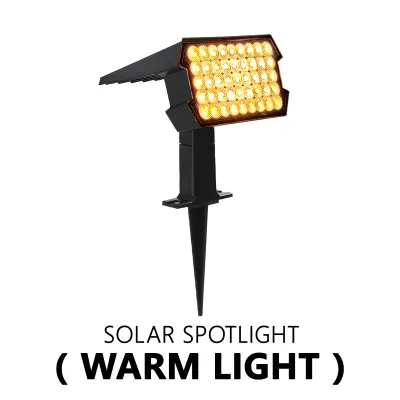
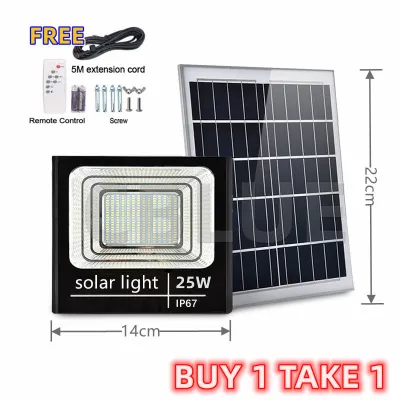
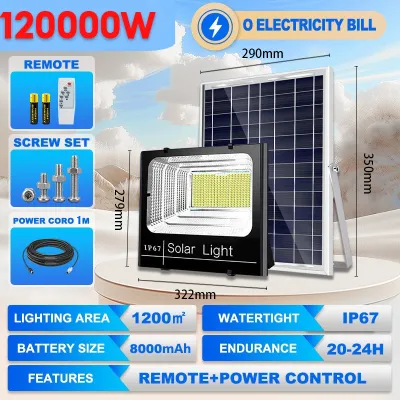
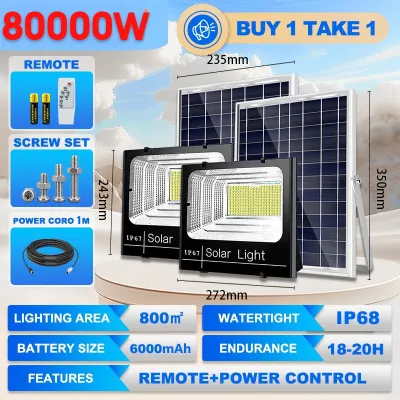
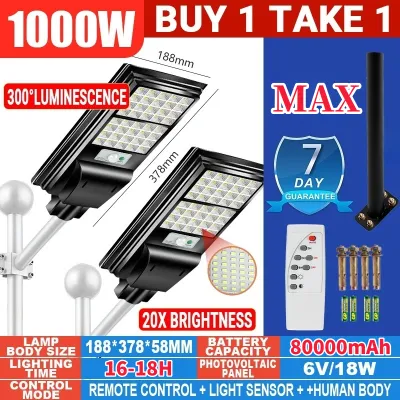
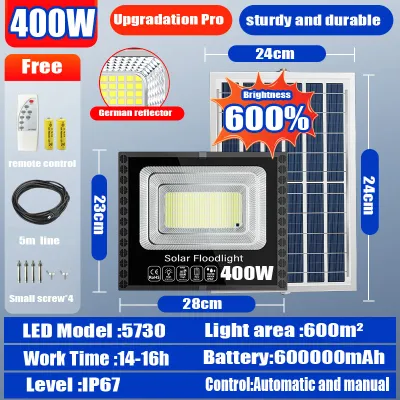
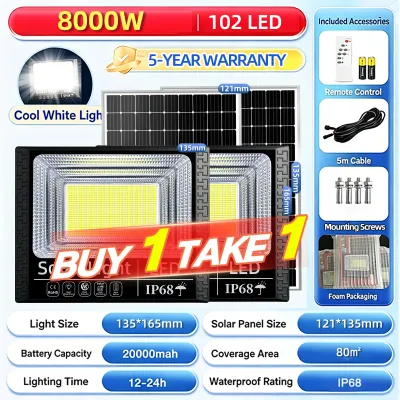
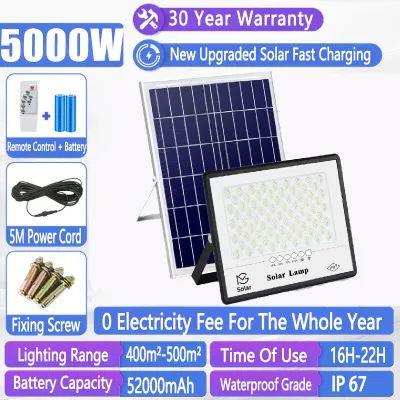
Prices are valid at publication and may change. Please refer to the product page for the latest price.
The primary indicator of a solar spotlight’s water resistance is its Ingress Protection (IP) rating, which consists of two digits. The first digit (0 to 6) measures protection against solid objects like dust, while the second digit (0 to 9) measures protection against liquids. For outdoor solar spotlights installed at ground level or exposed to heavy rain, an IP65 rating is the minimum acceptable standard. An IP65 rating means the fixture is completely dust-tight and protected against water jets projected from any angle. For low-lying garden areas prone to temporary pooling or flooding during heavy downpours, look for IP67 or IP68 ratings. An IP67-rated spotlight can withstand temporary submersion in water up to one meter deep for 30 minutes, making it highly resilient against water accumulation.
Material Durability and Corrosion Resistance
The tropical climate accelerates material degradation. Standard plastics quickly become brittle, crack, and discolor under intense UV exposure. When evaluating solar spotlights, look for housings constructed from UV-stabilized Acrylonitrile Butadiene Styrene (ABS), high-impact polycarbonate, or die-cast aluminum. If choosing metallic housings, ensure they feature rust-proof powder coatings or anodized finishes to resist corrosion, especially in coastal regions where salty air accelerates oxidation.
Internal Sealing and Component Protection
Waterproof integrity relies heavily on internal construction. High-quality spotlights feature thick silicone gaskets or O-rings sealing the seams between the lens, housing, and battery compartment. The battery compartment itself should be double-sealed or isolated from the main electronics. Examine the power switches and cable entry points; these should be covered by flexible, waterproof rubber boots. Additionally, internal connectors should feature anti-corrosion coatings to prevent moisture from causing short circuits or electrical failure over time.
Key Features to Evaluate Before Buying
Selecting a reliable outdoor solar spotlight waterproof model requires looking past marketing slogans and analyzing the technical specifications printed on the product packaging or manufacturer data sheets.

Brightness, Lumens, and Beam Angle
Brightness is measured in lumens, not watts. For solar spotlights, brightness typically ranges from 100 lumens for soft accent lighting to over 600 lumens for security purposes. The beam angle determines how the light is distributed. A narrow beam angle (15 to 30 degrees) concentrates light into a tight, intense column, ideal for highlighting specific architectural features or tall trees. A wide beam angle (60 to 120 degrees) disperses light over a broader area, making it more suitable for illuminating pathways, driveways, or wide garden beds.
Solar Panel Efficiency and Types
The solar panel is the engine of the spotlight. Most outdoor solar lights use either monocrystalline or polycrystalline silicon panels. Monocrystalline panels are more efficient, typically converting 17% to 22% of sunlight into electricity, and perform better in low-light or overcast conditions. Polycrystalline panels are less expensive but have lower efficiency rates (around 13% to 16%) and require more surface area to produce the same power. Additionally, look for spotlights with adjustable panel heads. Being able to tilt the solar panel independently of the light fixture allows you to optimize sun exposure throughout the day, regardless of where the light is aimed.
Battery Type, Capacity, and Voltage
The battery stores the energy collected during the day to power the light at night. Modern solar spotlights generally use rechargeable Lithium-ion (Li-ion) or Lithium Iron Phosphate (LiFePO4) batteries. LiFePO4 batteries are highly recommended for tropical climates because they offer superior thermal stability, handle high ambient temperatures safely, and have a longer lifespan (often exceeding 2,000 charge cycles) compared to standard Li-ion batteries. Battery capacity is measured in milliampere-hours (mAh). A larger capacity (e.g., 2,200mAh to 4,000mAh) paired with a suitable operating voltage (typically 3.2V to 3.7V) ensures the light can operate continuously through the night, even after an overcast day.
Lighting Modes and Energy Management
To maximize battery life, many spotlights offer multiple lighting modes. Continuous dusk-to-dawn modes keep the light on at a constant brightness level, which requires substantial battery capacity. Alternatively, energy-saving modes operate at a lower brightness (e.g., 30%) and increase to 100% brightness only when a Passive Infrared (PIR) motion sensor detects movement. Some models feature manual toggle switches to select between high, medium, and low brightness settings, allowing you to balance illumination needs with seasonal sunlight availability.
Recommended Specifications for Different Outdoor Scenarios
Different areas of your property require distinct lighting characteristics. Tailoring the technical specifications to the specific installation site ensures optimal performance and visual comfort.
Pathway and Garden Border Lighting
For walkways, pathways, and garden borders, the primary goal is safe navigation without creating harsh glare that disrupts the outdoor ambiance.
- Recommended Lumens: 100 to 200 lumens per fixture.
- Beam Angle: Wide (90 to 120 degrees) to provide broad, even coverage across the walking surface.
- Mounting Height: Low-profile stakes, typically 10 to 20 centimeters above the ground, to keep the light source below eye level.
- Color Temperature: Warm white (2700K to 3000K) is generally preferred for a welcoming, low-glare aesthetic along pathways, though this remains a matter of personal design preference.
Security and Driveway Illumination
Security lighting requires high visibility, wide coverage, and immediate responsiveness to movement to deter intruders and assist vehicle navigation.
- Recommended Lumens: 500 to 800+ lumens.
- Beam Angle: Medium to wide (60 to 90 degrees) to illuminate large zones like gates, garage doors, or dark corners.
- Sensor Requirements: Integrated PIR motion sensor with a detection range of at least 5 to 8 meters and a detection angle of 120 degrees.
- Operating Mode: Motion-activated mode (dim or off until motion is detected, then switching to full brightness for 20 to 30 seconds) to conserve battery power for high-output bursts.
Landscape and Architectural Accent Lighting
Accent lighting highlights specific design elements, such as palm trees, stone walls, water features, or statues, requiring precise control over light direction and intensity.
- Recommended Lumens: 250 to 400 lumens.
- Beam Angle: Narrow to medium (15 to 45 degrees) to focus the light directly on the target object without spilling into surrounding dark areas.
- Mounting Flexibility: Dual-option mounting systems that allow the fixture to be staked into the soil for uplighting trees or mounted to walls and fences for downlighting architectural details.
- Color Temperature: Cool white (5000K to 6000K) can highlight the green foliage of garden plants, while warm white (3000K) can enhance the texture of natural stone or wooden structures. These choices depend entirely on your preferred spatial effect.
Installation and Placement Tips for Maximum Efficiency
Proper installation and positioning directly determine how well your solar spotlights charge and how long they will operate each night.
Optimizing Solar Panel Positioning
To achieve maximum solar energy conversion, the solar panel must receive direct, unshaded sunlight for at least 6 to 8 hours daily. In the Philippines, which is located in the northern tropical zone, solar panels should generally face south at a tilt angle of approximately 10 to 15 degrees to maximize year-round sun exposure. Avoid placing solar panels under the shade of trees, roof overhangs, perimeter walls, or larger plants. Even partial shading on a small portion of the panel can drastically reduce its charging efficiency, leading to premature shut-offs at night.
Ground Staking vs. Wall Mounting
Most waterproof solar spotlights offer two installation methods: ground stakes or wall brackets.
- Ground Staking: Before pushing plastic or metal stakes into the ground, check the soil condition. If the soil is dry and hard, water the area first to soften the ground; forcing a stake into hard soil can crack the plastic shaft or damage the internal wiring connection. Always verify that there are no shallow buried utility lines, irrigation pipes, or electrical conduits before inserting stakes.
- Wall Mounting: When mounting fixtures to concrete walls, brick, or wooden posts, use the provided expansion anchors and screws. Ensure the mounting surface is stable and load-bearing. For concrete walls common in Philippine homes, use a masonry drill bit of the correct diameter to prevent loose fittings that could cause the light to sag or fall during high winds.
Electrical Safety and Hybrid Systems
While standard solar spotlights operate on low-voltage DC power stored in internal batteries—making them exceptionally safe for DIY installation—some heavy-duty or hybrid models connect directly to the home’s 220V AC electrical grid as a backup power source. For any hybrid system involving fixed wiring, you must prioritize electrical safety. Always isolate the power supply at the main circuit breaker before handling any electrical connections. Strictly follow the manufacturer’s installation manual regarding wire gauges, waterproofing junction boxes, and grounding. If the installation requires running underground cables, conduit placement, or connecting to the main electrical panel, stop and consult a qualified, licensed electrician to ensure compliance with the Philippine Electrical Code.
Maintenance and Troubleshooting for Long-Term Performance
Regular maintenance is essential to protect your investment and keep your outdoor solar spotlights operating at peak efficiency in a humid, tropical environment.
Routine Cleaning Procedures
Over time, dust, pollen, bird droppings, and mineral deposits from rain or garden sprinklers will accumulate on the solar panel and light lens. This debris blocks sunlight, reducing charging efficiency and light output.
- Wipe the solar panel and lens gently using a soft, damp microfiber cloth.
- Use clean water or a mild, non-abrasive soap solution if necessary. Never use harsh chemical cleaners, scouring pads, or high-pressure washers, as these can scratch the protective anti-reflective coatings or compromise the waterproof seals.
- Clean the panels in the early morning or late afternoon when the fixtures are cool to avoid thermal shock, which can crack the glass or protective casing.
Battery Care and Replacement Indicators
If you notice your solar spotlight’s runtime has decreased significantly—such as turning off after only one or two hours of operation despite a full day of clear sunlight—the battery is likely degrading. Most rechargeable batteries in solar lights last between 1.5 to 3 years depending on usage and heat exposure. Before attempting to replace the battery, consult the manufacturer’s user manual to verify if the battery compartment is designed to be opened. If the unit is user-serviceable, replace the old battery with a new rechargeable battery of the exact same chemistry (e.g., LiFePO4), voltage, and similar or higher mAh capacity. Dispose of old batteries responsibly at designated electronic waste collection centers.
Seasonal and Post-Storm Inspections
The Philippines experiences severe weather, including typhoons and prolonged monsoon rains. After major storms, conduct a physical inspection of your outdoor lights. Check the housings for structural cracks, inspect the mounting brackets to ensure they remain securely fastened, and look through the lens for any signs of internal moisture or condensation. If you observe water trapped inside the lens or battery compartment, turn off the fixture immediately. If the seals are compromised and internal components show signs of heavy corrosion, retire the unit to prevent electrical hazards or battery failure.
Frequently Asked Questions (FAQ)
Do solar spotlights work during the rainy season?
Yes, solar spotlights continue to work during the rainy season, but their performance will be affected. Solar panels do not require direct sunlight to charge; they can generate electricity from diffuse daylight on overcast or rainy days. However, the charging efficiency is significantly lower under heavy cloud cover, meaning the battery may not reach full capacity. To mitigate this, choose spotlights with larger battery capacities and select energy-saving modes, such as motion-activated lighting, which consume power only when needed rather than draining the battery continuously throughout the night.
Can I replace the built-in battery when it degrades?
Whether you can replace the built-in battery depends entirely on the design of the specific solar spotlight model. Many high-quality spotlights feature an accessible battery compartment secured by screws and sealed with a silicone gasket, allowing users to easily swap out degraded batteries. However, some budget or ultra-compact models are permanently sealed during manufacturing to maximize waterproof integrity, meaning the battery cannot be replaced without destroying the housing. Always check the manufacturer’s user manual or product specifications before attempting to open the fixture, and only use replacement batteries that match the original specifications.

Community discussion
Share your experience or ask a question. Comments are reviewed before publication.