
The best waterproof solar Christmas lights for creating a cozy condo living room ambiance are split-design, dual-powered LED string lights featuring a warm white color temperature (typically 2700K to 3000K) and an IP65-rated external solar panel. This specific configuration allows you to harvest clean solar energy from your balcony or window sill while routing the flexible light string indoors to illuminate your living space. By choosing a model with a detachable panel and a secondary USB charging port, you ensure consistent, cord-free ambient lighting even during the overcast days of the local rainy season.
Decorating a compact high-rise apartment requires a balance of aesthetics, safety, and spatial efficiency. Traditional plug-in holiday lights often demand extension cords that clutter walkways, consume limited wall outlets, and create safety hazards in tight living areas. Transitioning to solar-powered, moisture-resistant fairy lights solves these layout challenges while providing a highly customizable, low-maintenance glow that enhances your indoor environment year-round.
Why Solar and Waterproof Fairy Lights Work Best in Condos
Condo living rooms are often characterized by compact floor plans and a premium on wall outlets. When you introduce traditional decorative lighting, you frequently find yourself competing with entertainment centers, air conditioning units, and air purifiers for electrical access. Solar-powered lights bypass this issue entirely by operating on an independent, self-sustaining power source. This independence eliminates the need to run unsightly extension cords across high-traffic areas, reducing trip hazards and keeping your living space uncluttered.
Products mentioned in this guide
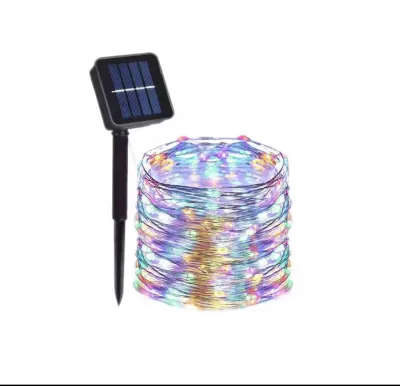
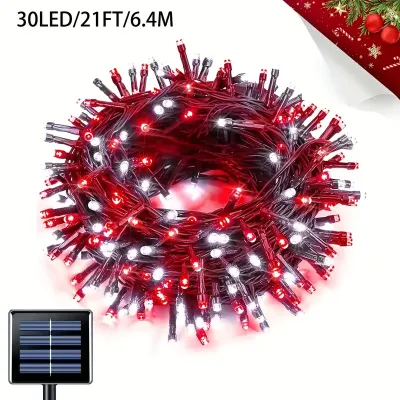
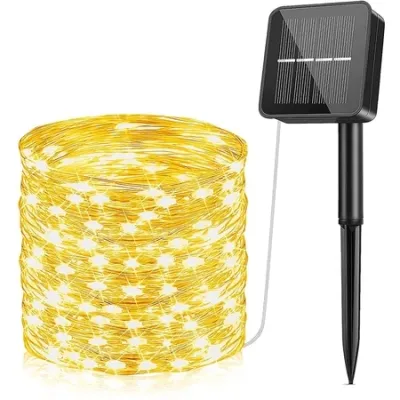
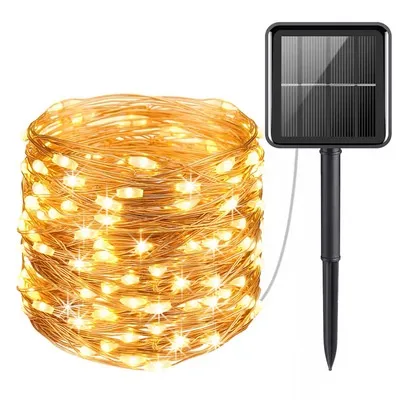
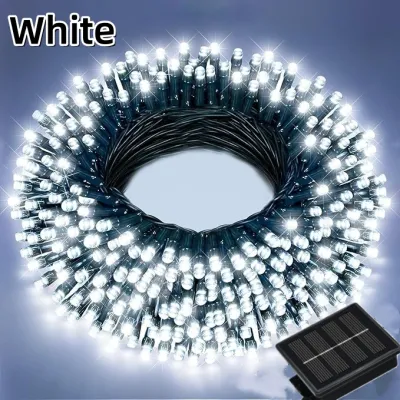
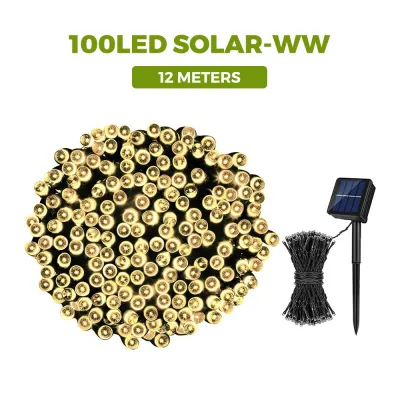
Prices are valid at publication and may change. Please refer to the product page for the latest price.
While “waterproof” ratings are typically associated with outdoor gardens, they are highly practical for indoor condo environments. Living rooms often feature high-moisture transition zones, such as areas directly adjacent to sliding balcony doors, large windows prone to heavy condensation, or indoor potted plants that require regular misting. Accidental spills from pets or children, or a sudden downpour when a balcony door is left slightly ajar, can easily ruin standard indoor-only electrical decorations. Using moisture-resistant fixtures ensures that your lighting setup remains safe and functional regardless of these everyday indoor variables.
Furthermore, the tropical climate of the Philippines introduces unique environmental challenges for home decor. High relative humidity and sudden, intense tropical storms can cause moisture to seep into poorly sealed electrical components, leading to short circuits or premature bulb failure. Selecting lights with robust weatherproofing ensures that the components resting near open-air transitions or on covered balconies can withstand persistent humidity without degrading. This durability translates to a longer lifespan for your holiday decor, making it a more sustainable investment for your home.
What to Look for When Buying Solar String Lights Online
Detachable Solar Panel Design
When browsing online marketplaces, the most critical feature to verify is a split-design or detachable solar panel. Many standard solar string lights feature a panel that is permanently fixed close to the first bulb, which is impractical for indoor use. For a condo living room, you require a model where the solar panel is separated from the LED string by a long lead cable—ideally three to five meters. This generous length allows you to position the solar panel in direct sunlight on your balcony or window sill while routing the decorative lights deep into your living room.

IP Rating Demystified
To ensure your lights can withstand both indoor spills and outdoor downpours, you must look closely at the Ingress Protection (IP) rating. This rating consists of two digits: the first represents protection against solid particles (like dust), and the second represents protection against liquids. An IP44 rating is generally sufficient for indoor areas and well-covered balconies that only experience light splashing. However, if your solar panel or a portion of the light string will be fully exposed to direct, heavy tropical rain on an open balcony, look for an IP65 or IP66 rating to guarantee complete water resistance and dust protection.
Color Temperature and Ambiance
The visual comfort of your living room depends heavily on the color temperature of the bulbs, which is measured in Kelvin (K). For a cozy, relaxing atmosphere, prioritize lights labeled as “warm white,” which typically fall between 2700K and 3000K. This range emits a soft, golden glow that mimics candlelight, helping to lower stress levels in the evening. Avoid cool white options (5000K and above), which can feel clinical or harsh, as well as highly saturated multicolor options, which can dominate the room and feel overly festive rather than calming for daily use.
Dual-Power Backup
Because solar charging relies entirely on weather conditions, a dual-power backup system is highly recommended. Look for solar light kits that feature a USB charging port on the back of the solar panel or control box. During the monsoon season or prolonged periods of heavy cloud cover, solar generation drops significantly. Having a USB backup allows you to detach the control box, bring it inside to charge via a standard wall adapter, and reinstall it to maintain your cozy evening ambiance without relying on the sun.
Best Solar Light Styles for Cozy Living Room Ambiance
Copper Wire Fairy Lights for Shelves and Plants
Copper wire fairy lights consist of micro-LEDs mounted directly onto thin, flexible, and often uninsulated copper or silver wires. This ultra-thin profile makes the wiring nearly invisible during the day, allowing the tiny points of light to appear as if they are floating when illuminated at night. The highly bendable nature of the wire allows you to wrap it tightly around the wooden frames of bookshelves, weave it through the delicate branches of indoor potted plants like monstera or ficus, or coil it inside empty glass jars to create custom tabletop lanterns.
Safety is a primary advantage of these micro-LED setups. Because they operate on low-voltage direct current (DC) supplied by the solar battery, they emit virtually no heat even after hours of continuous operation. This makes them exceptionally safe to place directly against dry decorative elements, paper ornaments, or delicate indoor foliage without presenting a fire hazard. However, always check the manufacturer’s guidelines regarding maximum bending angles to avoid snapping the internal copper filaments.
Globe String Lights for Windows and Balcony Doors
Globe string lights feature larger, rounded bulb covers—often made of shatterproof polycarbonate rather than glass—that house the internal LED elements. These covers serve to diffuse the light, spreading it over a wider surface area to create a soft, gentle glow rather than a sharp pinpoint of light. This diffused illumination is ideal for draping along curtain rods, framing large sliding glass doors, or hanging in gentle scallops along the ceiling line to define the boundaries of your living space.
When choosing globe lights, pay attention to the spacing between the bulbs and the total weight of the string. Because these bulbs are heavier than micro-LEDs, they require sturdier mounting points to prevent drooping or pulling. Additionally, ensure that the bulb covers are tightly sealed against their bases; look for models with integrated rubber gaskets around the socket area to prevent moisture from entering the bulb housing during humid evenings.
Curtain or Cascade Lights for Room Dividers
Curtain lights consist of a main horizontal support wire from which multiple vertical strands of LEDs hang down at regular intervals. This style is exceptionally effective for creating a dramatic, glowing backdrop in your living room. You can hang them directly behind sheer window curtains, allowing the fabric to further soften the light, or use them as a semi-transparent visual divider to separate the living area from a sleeping nook or workspace in studio apartments.
Before purchasing curtain lights, it is essential to measure your wall or window height carefully. Most cascade lights come in fixed drop lengths, such as two or three meters, which cannot be cut or shortened without damaging the electrical circuit. If the strands are too long, they will bunch up on the floor, creating a tangling hazard and exposing the bottom LEDs to dust and potential damage from vacuuming or foot traffic.
How to Route and Position the Solar Panel in an Apartment
Optimal Placement
To get the most out of your solar-powered setup, the solar panel must receive direct, unobstructed sunlight for several hours each day. In high-rise condo buildings, your placement options are limited by the orientation of your windows and balcony. Identify which of your windows face south or west, as these directions receive the strongest and most consistent sunlight throughout the afternoon. Avoid placing the panel behind double-paned or UV-tinted window glass if possible, as these coatings can filter out a significant portion of the solar spectrum, reducing charging efficiency by up to 50 percent.
Mounting Solutions
Since most condo associations and landlords prohibit drilling into exterior walls, window frames, or balcony railings, you must rely on non-destructive mounting methods. For glass windows or smooth sliding doors, heavy-duty suction cups equipped with integrated hooks or screw threads are an excellent solution. If you are mounting the panel on a balcony railing, adjustable plastic clamps or heavy-duty, UV-resistant zip ties can secure the panel bracket firmly without causing permanent damage. Always ensure the panel is angled at approximately 15 to 30 degrees upward to maximize sun exposure and allow rainwater to slide off easily.
Cable Management and Window Routing
Routing the connection cable from the outdoor solar panel to the indoor light string requires careful planning to avoid damaging the wire or compromising your home’s insulation. Avoid shutting heavy aluminum or wooden window frames directly onto the cable, as the constant pressure and friction can pinch the wire, severing the internal copper strands or stripping the protective rubber insulation. Instead, look for lights that utilize ultra-flat ribbon cables designed specifically to pass through window seams without breaking the seal. Alternatively, you can route the wire through existing window weep holes (drainage slots at the bottom of the frame) or apply a layer of soft foam weather stripping around the wire where the window closes to distribute the pressure evenly.
Safe Installation and Maintenance for Condo Balconies
Fall Prevention
When installing any decorative element on a high-rise balcony, safety must be your absolute priority. A falling solar panel or mounting bracket poses a severe hazard to pedestrians and property below. Never rely on weak adhesives or standard tape to secure external components. Ensure that all mounting brackets are mechanically fastened using zip ties, metal clamps, or safety tethers anchored to the interior of the balcony railing. Periodically inspect these mountings—at least once a month—to check for signs of plastic degradation, cracking, or loosening caused by constant exposure to intense tropical sun and wind.
Battery Box Care
Even if your solar light set carries an IP65 waterproof rating, the control box (which typically houses the rechargeable battery and circuit board) should not be subjected to prolonged submersion. Avoid letting the control box rest directly on the balcony floor where water can pool during heavy downpours. Mount the box at least 30 centimeters above the floor, ideally on the underside of a railing or tucked beneath a small overhang. This elevation keeps the sensitive electronics clear of standing water and reduces the risk of moisture slowly seeping through the seals over time.
Routine Maintenance
Urban environments can cause a rapid buildup of dust, soot, and hard water spots on your solar panel’s protective glass surface. This fine layer of grime acts as a barrier, blocking sunlight and drastically reducing the panel’s power conversion efficiency. To maintain optimal performance, establish a routine of wiping down the solar panel every two to three weeks. Use a soft, damp microfiber cloth and a mild, non-abrasive soap solution. Avoid using harsh chemical cleaners or abrasive scrubbing pads, which can scratch the glass and permanently degrade the panel’s ability to collect sunlight.
Frequently Asked Questions (FAQ)
Do solar Christmas lights work if my condo balcony is shaded?
Solar panels require direct, unobstructed sunlight to charge their internal batteries to full capacity. If your condo balcony is heavily shaded by adjacent buildings, overhanging roofs, or trees, the solar panel will only receive ambient, diffused light. Under these conditions, the lights will still charge, but at a much slower rate, resulting in a significantly shorter runtime at night. If your balcony is permanently shaded, you should look for a dual-power model that allows you to charge the battery box indoors via USB, or consider low-voltage plug-in LED alternatives.
Can I leave the solar panel outside while the lights are inside?
Yes, this is the recommended setup for split-design solar fairy lights. The external solar panel is specifically engineered with weatherproofing (such as an IP65 rating) to withstand rain, wind, and sun, while the delicate light string remains protected inside your cozy living room. To do this safely, ensure that the connecting cable is routed through a window or door frame using a flat cable or protective weather stripping to prevent the wire from being pinched, frayed, or cut by the window mechanism.
How long do solar fairy lights typically last on a full charge?
On a full charge, most high-quality solar fairy lights will operate for approximately 6 to 10 hours. The exact runtime depends on several factors, including the capacity of the rechargeable battery (typically measured in milliampere-hours, or mAh), the brightness level selected, and the age of the battery. To maximize the nightly runtime, look for models equipped with an automatic dusk-to-dawn sensor that turns the lights on only when the ambient light drops below a certain threshold, preventing unnecessary power consumption during twilight hours.

Community discussion
Share your experience or ask a question. Comments are reviewed before publication.