
Finding the best solar curtain lights outdoor waterproof options for your home in the Philippines requires balancing aesthetic appeal with rugged weather resistance. The local climate presents unique challenges, from intense tropical heat and high UV exposure to torrential monsoon rains and high humidity. To ensure your outdoor lighting investment survives these conditions while delivering bright, reliable illumination, you must look beyond basic product descriptions. The ideal setup combines high-grade waterproofing, durable wire construction, and an efficient solar charging system tailored to withstand the local environment.
Essential Waterproof and Durability Standards to Check
When shopping for solar curtain lights outdoor waterproof options on online marketplaces, the Ingress Protection (IP) rating is your most critical specification. This rating consists of two numbers: the first indicates protection against solid objects, while the second measures water resistance. For the heavy downpours typical of the Philippine wet season, look for a minimum rating of IP65. An IP65 rating ensures the lights are completely dust-tight and protected against water jets from any angle, while an IP67 rating offers protection against temporary immersion, making it even more resilient during severe storms.
The intense tropical sun can degrade plastics rapidly if they are not treated for UV resistance. Untreated PVC or cheap plastics become brittle, crack, and turn yellow within months of continuous exposure. To prevent this, prioritize products made from UV-stabilized materials, such as treated PVC, silicone, or heavy-duty polyurethane. These materials maintain their flexibility and structural integrity, protecting the internal copper wiring from moisture ingress and preventing electrical failures.
Products mentioned in this guide
![[Solar/Plug] Christmas Curtain Lights Solar Christmas Lights Outdoor LED Strip Lights Christams Tree Decorations For Home 3.5 Meters 8 Modes Solar Christmas Deer Light Waterproof String Lights Fairy Lights For Bedroom Window Star Wedding Home](https://img.lazcdn.com/g/p/1cf511384ae8407ef088c10ce4b92bf9.jpg_400x400q80.jpg_.webp)
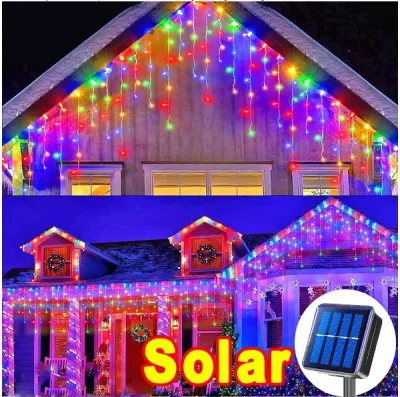
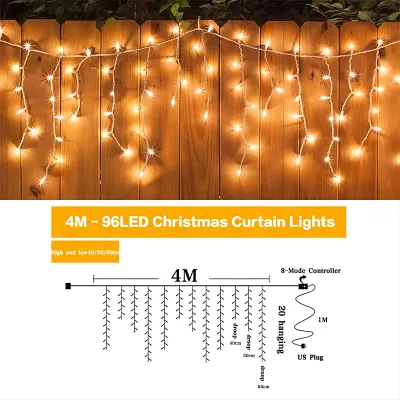
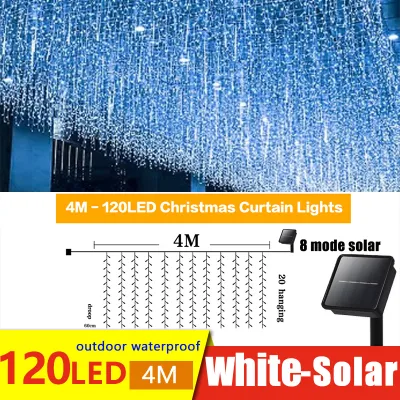
Prices are valid at publication and may change. Please refer to the product page for the latest price.
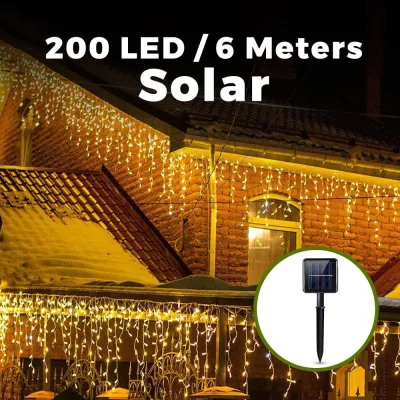
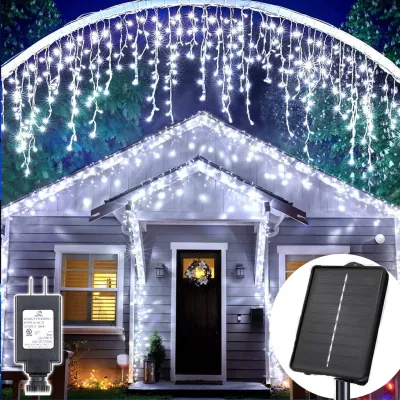
A split design is highly advantageous for outdoor installations. In this configuration, the solar panel is separate from the light curtain, connected by a long, waterproof lead cable. This allows you to install the light curtain in shaded areas—such as under a deep veranda, pergola, or eaves—while mounting the solar panel in an unobstructed, sun-drenched spot on your roof or garden post. This design also keeps the sensitive charging circuitry and battery compartment separate from the hanging light strands, reducing overall wear and tear.
Even though solar lights operate on safe, low-voltage direct current (typically 1.2V to 5V), electrical safety certifications remain crucial. Before purchasing, verify that the low-voltage output is clearly stated by the manufacturer and look for recognized safety marks such as CE, RoHS, or FCC. These certifications ensure the system has built-in protections against short circuits, overcharging, and overheating, preventing potential hazards in damp environments.
Top Solar Curtain Light Styles for Outdoor Decor
Warm White LED Waterfall Lights
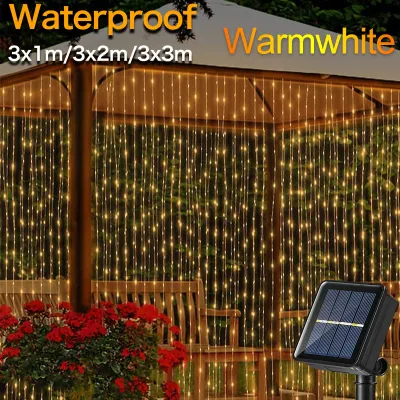
Warm white LED waterfall lights are a popular conditional preference for creating a cozy, relaxing, and inviting atmosphere. Typically emitting a soft glow between 2700K and 3000K, these lights mimic traditional incandescent bulbs, making them ideal for residential patios, outdoor dining areas, and garden pathways. The cascading effect of warm white LEDs adds a touch of elegance to any outdoor setting without overwhelming the space with harsh, bright light.

When selecting waterfall lights, pay close attention to LED density and strand length. LED density refers to the number of bulbs per meter of strand; a higher density provides a richer, more continuous curtain of light, whereas a lower density can look sparse on larger walls or fences. Measure your target installation area carefully to ensure the drop length of the strands matches your space, preventing the lights from dragging on wet ground or falling short of your design goals.
From an efficiency standpoint, warm white LEDs generally consume slightly less power than multi-color arrays because they do not require complex color-mixing circuitry. Additionally, their softer, warmer glow is less disruptive to nocturnal wildlife and local ecosystems compared to bright cool white or shifting color patterns, making them an environmentally conscious choice for suburban and rural gardens alike.
RGB and Color-Changing Curtain Lights
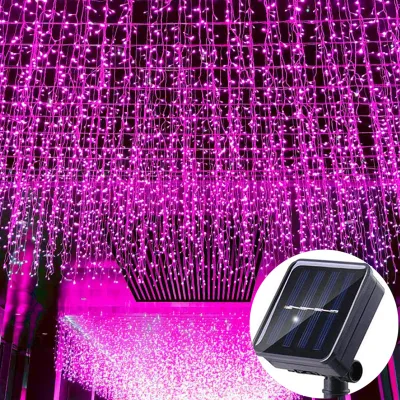
For festive occasions, parties, or the extended holiday season in the Philippines, RGB (Red, Green, Blue) and color-changing curtain lights offer dynamic versatility. These systems frequently feature multiple lighting modes, such as fading, flashing, chasing, and steady-on, which can be customized to match the mood of your gathering. They serve as an excellent focal point for outdoor celebrations, transforming a plain wall or fence into a vibrant light display.
Many color-changing models include an infrared or radio-frequency remote control, allowing you to adjust the modes, brightness, and timers from a distance. However, you must verify whether the remote control itself is water-resistant. Most standard remotes are not waterproof and must be stored in a dry, indoor location, though the receiver on the solar controller box should carry a high IP rating.
It is important to note that running dynamic, multi-color modes typically drains the rechargeable battery much faster than a single, steady color. The constant shifting of colors and higher power draw of RGB LEDs require a larger solar panel and a high-capacity battery to maintain an all-night runtime. If you plan to use these modes extensively, ensure the system specifications support prolonged dynamic operation.
Copper Wire vs. PVC Tube Designs
The physical construction of the light strands dictates their durability, flexibility, and suitability for specific outdoor environments. Bare copper wire lights offer a delicate, almost invisible look during the day, making the LEDs appear as if they are floating in mid-air at night. They are highly moldable, allowing you to wrap them around complex structures like tree branches, iron railings, or intricate metal trellises with ease.
However, bare copper wire is relatively fragile and susceptible to snapping under high winds or physical tension. For highly exposed areas prone to strong winds, PVC tube designs are far superior. These lights encase the copper wires in a thick, protective plastic sleeve, which provides excellent wind resistance, prevents tangling, and shields the wires from physical impact. Use PVC tube designs for open balconies, fences, and exterior walls, while reserving delicate copper wire lights for sheltered pergolas or covered patios.
Regardless of the design you choose, safety should always come first. Before purchasing or installing your lights, carefully inspect the entire length of the strands for any frayed insulation, exposed copper, or loose connections. Damaged wiring can allow moisture to penetrate the system, leading to short circuits, rapid corrosion, and premature product failure.
How to Evaluate Solar Panel and Battery Efficiency
To ensure reliable nighttime illumination, especially during the Philippine rainy season, you must evaluate the power system’s specifications. Solar panels generally come in two types: monocrystalline and polycrystalline. Monocrystalline panels are made from a single pure silicon crystal, giving them a uniform dark appearance and a higher energy conversion efficiency (typically 15% to 22%). They perform significantly better in low-light, mixed, or overcast conditions, making them the ideal choice for regions with frequent cloud cover.
Polycrystalline panels, recognizable by their speckled blue appearance, are cheaper to produce but less efficient (around 13% to 16%). They require more direct sunlight and a larger surface area to generate the same amount of power as a monocrystalline panel. When browsing online marketplaces, where prices typically range from ₱300 for basic models to upwards of ₱2,500 for heavy-duty systems, investing in a monocrystalline panel is highly recommended for consistent year-round performance.
Solar lights rely on rechargeable batteries, commonly Nickel-Metal Hydride (Ni-MH) or Lithium-ion (Li-ion), to store energy gathered during the day. Li-ion batteries generally offer higher energy density, faster charging cycles, and a longer overall lifespan compared to Ni-MH. Regardless of the battery chemistry, verify if the battery compartment is easily accessible and secured with a high-quality waterproof gasket. Since all rechargeable batteries eventually degrade, being able to replace the battery extends the lifespan of the entire light system.
To estimate the runtime of your lights, balance the solar panel’s wattage against the total number of LEDs and their power draw. A standard curtain light set with 300 LEDs requires a substantial amount of energy. If the battery capacity is too low (e.g., under 1200mAh) or the solar panel wattage is insufficient (e.g., under 2W), the lights may only run for two to three hours after a cloudy day. For reliable 8-to-10-hour nighttime performance, look for systems that pair a high-capacity battery (2000mAh or higher) with an appropriately sized, high-efficiency solar panel.
Before making a final decision, read verified user reviews on online stores, focusing specifically on how the lights perform during consecutive cloudy or rainy days. Look for feedback from buyers located in high-rainfall regions of the Philippines to gauge how well the charging system copes with real-world tropical weather rather than relying solely on laboratory-tested manufacturer claims.
Safe Installation and Maintenance for Humid Climates
When installing your solar curtain lights, secure the solar panel in a location that receives unobstructed, direct sunlight for at least six to eight hours a day. In the Philippines, angling the panel slightly towards the south is generally optimal, but ensure it is clear of shadows cast by roof overhangs, trees, or adjacent buildings. Use sturdy, outdoor-rated mounting brackets to secure the panel against strong tropical winds.
High humidity, dust, and coastal salt spray can quickly build up on the solar panel, degrading its charging efficiency over time. Gently wipe the panel’s surface with a damp, soft microfiber cloth every few weeks to remove accumulated dust, pollen, and bird droppings. Avoid using abrasive cleaners or harsh chemicals that could scratch the protective glass or plastic coating. Periodically inspect the cable connections between the panel and the light strands, checking for any signs of moisture ingress, rust, or corrosion on the metal terminals.
If your installation involves connecting the solar system to any hybrid mains power backup, or if you are installing large, heavy arrays at significant heights (such as high eaves or multi-story balconies), always prioritize safety. Isolate all power sources before handling electrical wiring. Strictly adhere to the manufacturer’s specified weight limits for hanging the lights, and never pierce or modify the waterproof seals on the controller box or battery compartment. If you are uncomfortable working at heights or dealing with complex mounting structures, consult a qualified professional installer. Use appropriate outdoor-rated, non-conductive hooks or UV-stabilized cable ties to secure the light strands without pinching or damaging the insulation.
The Philippines experiences frequent and severe typhoons that can easily damage outdoor fixtures. To protect your investment and prevent safety hazards, establish a clear severe weather protocol. When a typhoon warning is issued, temporarily take down the light curtains and the solar panel, or secure them tightly in a sheltered indoor area. High winds can easily tear hanging light strands from their mounts, causing physical damage to the lights, shattering the solar panel, or creating dangerous flying debris.
Frequently Asked Questions (FAQ)
Do solar curtain lights work during the Philippine rainy season?
Yes, solar curtain lights will still charge on cloudy or rainy days, but their performance and runtime will be reduced. Because overcast skies block a significant portion of direct sunlight, the solar panel cannot generate enough power to fully charge the battery. High-quality models equipped with efficient monocrystalline solar panels and high-capacity batteries cope much better under these conditions. If guaranteed nightly illumination is critical for your outdoor space during the monsoon season, consider purchasing models that feature a hybrid design, allowing for manual USB charging backups alongside solar power.
Can I leave solar curtain lights outside all year round?
While high-quality outdoor solar curtain lights are designed to withstand continuous outdoor exposure, the harsh tropical climate of the Philippines can accelerate the wear and tear of materials over time. Prolonged exposure to intense UV rays, high humidity, and heavy seasonal rains can eventually degrade waterproof seals and make plastic components brittle. To maximize the lifespan of your lights, it is highly recommended to inspect them regularly for signs of wear and to temporarily remove them during extreme weather events, such as typhoons or prolonged periods of severe weather.

Community discussion
Share your experience or ask a question. Comments are reviewed before publication.