
To find the best waterproof solar lamps for outdoor use in the Philippines, you must look beyond basic aesthetic appeal and focus on structural resilience. The local climate presents unique challenges, including intense tropical heat, high humidity, and torrential monsoon rains. A truly reliable outdoor solar lamp must feature a minimum ingress protection rating of IP65 to prevent water damage during heavy downpours.
Furthermore, the fixture must balance solar panel efficiency with battery capacity. During the rainy season, consecutive overcast days can severely limit charging times. High-quality solar lamps utilize monocrystalline solar panels to maximize energy conversion even in low-light conditions, paired with heat-tolerant lithium batteries that can store enough power to sustain illumination through multiple nights.
When evaluating your options, prioritize three core pillars: structural durability, consistent brightness, and reliable runtime. By focusing on these technical specifications rather than superficial designs, you can secure outdoor lighting that remains functional year-round, protecting your investment from the harsh tropical elements.
Products mentioned in this guide
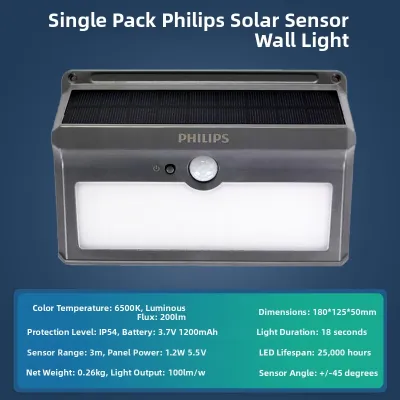
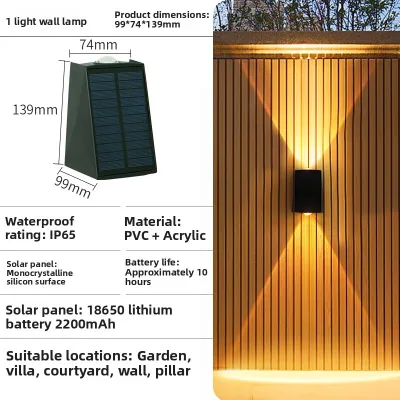
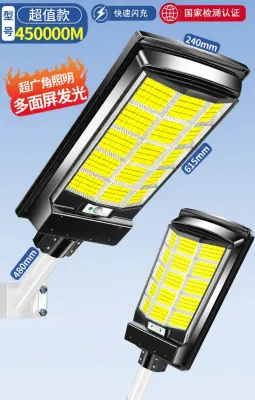
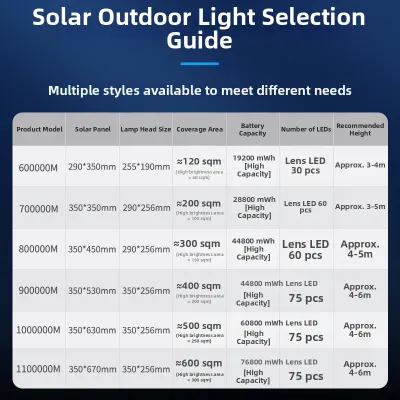
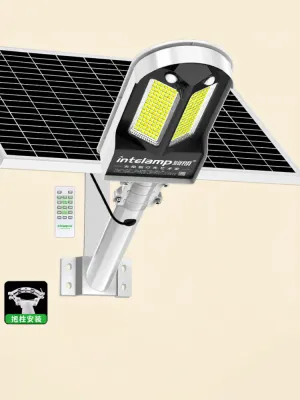
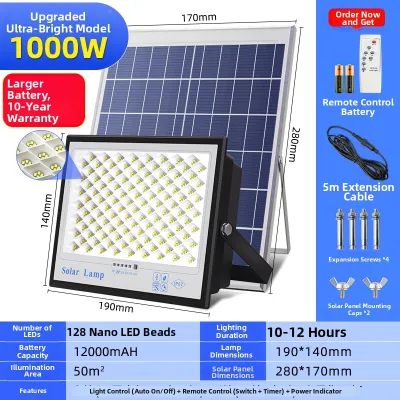
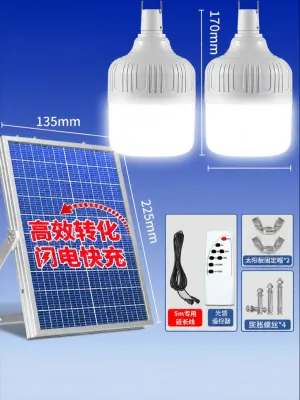
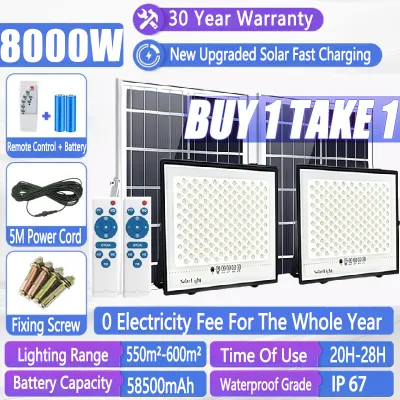
Prices are valid at publication and may change. Please refer to the product page for the latest price.
Key Features to Evaluate for Tropical Weather Conditions
Understanding the technical specifications of outdoor solar lamps is essential for selecting a product that will survive the Philippine climate. The combination of extreme UV exposure and heavy rainfall can quickly degrade poorly constructed fixtures.
Water and Dust Resistance (IP Ratings) The Ingress Protection (IP) rating is the standard measure of a lamp’s ability to resist moisture and solid particles. This rating consists of two digits. The first digit, ranging from 0 to 6, indicates protection against solid objects like dust and insects. The second digit, ranging from 0 to 9, measures water resistance. For outdoor fixtures exposed to the elements, a rating of IP65 is the absolute baseline. An IP65 rating means the lamp is completely dust-tight and can withstand water jets from any angle.
For areas highly exposed to severe weather, such as open gardens, perimeter walls, or coastal properties, look for IP67 or IP68 ratings. An IP67-rated fixture can survive temporary submersion in water, making it highly resilient against localized flooding or driving rain during typhoons. Avoid fixtures rated IP44 or lower for fully exposed outdoor areas, as these are only splash-proof and will likely fail during the first heavy monsoon storm.
Battery Chemistry and Heat Tolerance The battery is the heart of any solar lighting system, and its chemistry determines how well it performs in tropical heat. Most modern solar lamps use either Lithium Iron Phosphate (LiFePO4), Lithium-ion (Li-ion), or Nickel-Metal Hydride (NiMH) batteries. LiFePO4 batteries are highly recommended for tropical climates because they offer superior thermal stability, reducing the risk of overheating under direct sunlight. They also boast a significantly longer lifespan, often lasting for thousands of charge cycles before degrading.
Standard Lithium-ion batteries are also common and offer high energy density, but they are more sensitive to extreme heat. NiMH batteries are typically found in budget-friendly pathway lights; while they are safe, they have a shorter lifespan and tend to lose capacity quickly when subjected to continuous high temperatures. Always verify the battery type on the product specification sheet to ensure long-term reliability.
Solar Panel Types and Efficiency Solar panels convert sunlight into electrical energy, and their efficiency is critical during the rainy season. Monocrystalline panels are made from a single pure silicon crystal, allowing them to achieve the highest conversion efficiency. This efficiency is crucial in the Philippines, where cloud cover can persist for days. Monocrystalline panels perform better in low-light and partially shaded conditions, ensuring your battery receives a charge even on overcast afternoons.
Polycrystalline panels, recognizable by their blue, speckled appearance, are more affordable to manufacture but have lower conversion efficiency. They require more surface area and direct, unobstructed sunlight to produce the same amount of power as a monocrystalline panel. If your outdoor space has partial shade from trees or neighboring buildings, investing in monocrystalline panels is highly beneficial.
Housing Materials and Durability The outer shell of the solar lamp must withstand intense UV radiation and high humidity without cracking or rusting. Acrylonitrile Butadiene Styrene (ABS) plastic is a popular, cost-effective material. However, you must ensure the manufacturer specifies that the ABS is UV-stabilized; otherwise, the plastic will become brittle and crack under the intense tropical sun.
For premium durability, look for die-cast aluminum or high-grade stainless steel housings. Aluminum offers excellent heat dissipation, which helps keep the internal electronics cool, but it should be powder-coated to prevent oxidation. If you live near coastal areas where salt air accelerates corrosion, high-grade stainless steel or marine-grade plastics are the most reliable choices to prevent premature structural failure.
Matching Solar Lamp Designs to Your Outdoor Spaces
Different areas of your home require different lighting levels and fixture designs. Matching the right solar lamp to the specific function of your outdoor space ensures both safety and aesthetic harmony.

Pathway and Garden Lights Pathway lights are designed to guide foot traffic and highlight landscaping features. These fixtures typically emit a lower brightness level, ranging from 10 to 100 lumens, which is sufficient for safe navigation without causing harsh glare. Warm-white light (around 2700K to 3000K) is a popular choice for gardens, as it creates a cozy, inviting atmosphere and complements natural wood and foliage. Since these lights are placed close to the ground, ensure they have sturdy stakes and a high IP rating to handle wet soil and grass clippings.
Security and Flood Lights For driveways, gates, and dark perimeters, security floodlights are the ideal choice. These fixtures require high-lumen output, often ranging from 500 to over 2000 lumens, to illuminate large areas effectively. To conserve battery power, look for models equipped with passive infrared (PIR) motion sensors. These sensors keep the light at a dim energy-saving level or completely off until movement is detected, at which point they switch to full brightness. This feature is particularly useful during consecutive rainy days when solar charging is limited.
Decorative and String Lights Decorative string lights and lanterns add charm to patios, pergolas, and balconies. However, these fixtures often prioritize aesthetics over heavy-duty weatherproofing, frequently carrying lower ratings like IP44. While they can handle light splashes, they should be installed in semi-sheltered areas, such as under a roof overhang or awning. If severe weather or a typhoon is forecasted, it is best to temporarily take down these decorative lights to prevent physical damage.
Wall and Fence Lights Wall-mounted and fence lights are excellent for illuminating the perimeter of your property. Many of these designs feature downward-facing LEDs, which minimize light pollution and direct the illumination exactly where it is needed. From a practical standpoint, downward-facing designs often have angled housings that prevent rainwater from pooling on top of the fixture. This natural runoff design helps protect the seals around the solar panel and battery compartment from prolonged water exposure.
Installation and Maintenance for Maximum Lifespan
Proper installation and regular maintenance are crucial to maximizing the lifespan of your outdoor solar lamps. Even the highest-quality waterproof fixture can fail prematurely if poorly positioned or neglected.
Placement Strategy To ensure optimal charging, solar panels must receive direct, unobstructed sunlight for at least six to eight hours daily. Avoid placing panels under the shadow of trees, roof eaves, or neighboring walls. Additionally, pay close attention to the placement of the lamp’s built-in light sensor. If you position the solar lamp near artificial light sources, such as streetlights or bright indoor windows, the sensor may fail to detect darkness, preventing the lamp from turning on automatically at night.
Mounting Safety and Structural Integrity When installing wall-mounted floodlights or heavy pole lights, ensure the mounting surface is structurally sound. Heavy wind loads during monsoon season can tear loosely secured fixtures from walls or fences. Always use the mounting hardware provided by the manufacturer and ensure screws are driven into solid wood, concrete, or metal studs. For complex installations involving high-altitude work, heavy suspended loads, or integration with existing electrical systems, always isolate the power supply and consult a qualified professional to ensure safety.
Routine Cleaning and Care Over time, dust, pollen, bird droppings, and salt residue can accumulate on the surface of the solar panel. This debris blocks sunlight, drastically reducing the panel’s charging efficiency. Clean the solar panels every few months using a soft, damp microfiber cloth and clean water. Avoid using abrasive scrubbing pads, steel wool, or harsh chemical detergents, as these can scratch the protective anti-reflective coating on the glass, permanently reducing its light transmission capabilities.
Battery Replacement and Maintenance If you notice that your solar lamp’s runtime has decreased significantly, or if it fails to turn on despite sunny weather, the battery may have reached the end of its useful life. Most high-quality solar lamps allow you to replace the internal battery. Before purchasing a replacement, consult the manufacturer’s manual to verify the exact voltage, capacity, and battery chemistry required. When replacing the battery, ensure the rubber seals and gaskets around the battery compartment are properly aligned and seated to maintain the fixture’s waterproof integrity.
Building Your Shortlist: What to Check Before Buying
With numerous options available on online marketplaces and in local hardware stores, building a reliable shortlist requires careful verification of product claims.
Verifying Product Specifications Do not rely solely on eye-catching product titles or marketing claims of “100% waterproof” or “super bright.” Always look for the detailed specification sheet or the physical product label. Verify the exact IP rating, battery capacity (measured in milliampere-hours or mAh), and solar panel wattage. If a seller cannot provide these technical details, it is best to look elsewhere, as unverified products often fail to survive the first heavy rainstorm.
Warranty and Local Support A reliable warranty is a strong indicator of product quality. Look for manufacturers or reputable local distributors that offer a clear warranty period, ideally covering at least one year. Check if the seller offers replacement parts, such as compatible battery packs or mounting brackets. Having access to local customer support and spare parts ensures that you can easily repair your fixture rather than having to replace the entire unit if a single component fails.
Analyzing User Feedback When shopping on ecommerce platforms, filter user reviews to look for long-term feedback. Pay close attention to reviews written after several months of use, especially those mentioning how the lamps performed during the rainy season. Look for recurring complaints about water condensation inside the lens, rusted screws, or rapid battery degradation. Conversely, positive reviews highlighting consistent performance through heavy storms are a good indicator of reliable build quality.
Evaluating Total Cost of Ownership While budget-friendly solar lamps costing under ₱500 may seem appealing, they often feature low-quality plastics, inefficient solar panels, and non-replaceable batteries. These cheap fixtures frequently fail within a few months, forcing you to buy replacements. Investing in a higher-quality, durable fixture—even if it costs over ₱1,500 upfront—often proves more economical in the long run. A durable lamp with a replaceable battery and a robust housing will provide reliable illumination for years, offering better overall value.
Frequently Asked Questions (FAQ)
Do solar lamps work during the rainy season?
Yes, solar lamps can work during the rainy season, but their performance will be affected by cloud cover. Solar panels do not require direct sunlight to charge; they can still generate electricity from ambient daylight on overcast days. However, the charging efficiency drops significantly, meaning the battery may not fully charge.
To ensure consistent performance during low-light months, choose solar lamps with high-efficiency monocrystalline panels and large battery capacities. Additionally, utilizing energy-saving modes, such as motion-sensor settings rather than continuous dusk-to-dawn operation, will help conserve stored energy and ensure the light remains functional when needed most.
Can I leave solar lights outside during a typhoon?
While high-quality solar lamps with IP65 or IP67 ratings are designed to withstand heavy rain, they are not immune to the physical hazards of a typhoon. Strong winds, flying debris, and falling tree branches can easily crack solar panels, break mounting brackets, or dislodge fixtures.
Before a typhoon hits, it is highly recommended to temporarily detach and store lightweight pathway stakes, decorative string lights, and loosely mounted fixtures indoors. For permanently fixed security lights or heavy floodlights, ensure that all mounting brackets are tightly secured and that there are no overhanging branches nearby that could fall and damage the units.

Community discussion
Share your experience or ask a question. Comments are reviewed before publication.