
Selecting the right Bosca solar light outdoor fixtures for your garden is the key to transforming a dark backyard into a beautifully illuminated, safe, and functional outdoor living space. Rather than relying on a single, one-size-fits-all light source, a well-designed landscape utilizes a variety of specialized fixtures tailored to different zones. By matching pathway lights to walkways, wall-mounted fixtures to perimeters, and adjustable spotlights to your favorite garden features, you can create a layered lighting scheme that enhances both security and curb appeal. To achieve this, homeowners must carefully evaluate their garden’s layout, observe daily sunlight patterns, and verify product specifications on the packaging before making a purchase.
Understanding Your Garden's Lighting Needs
Designing an effective outdoor lighting plan begins with a thorough assessment of your garden’s layout and daily usage patterns. Walk through your property at dusk to identify high-traffic areas that require clear visibility for safety, such as steps, winding paths, and patio edges. At the same time, note any dark corners, blind spots near gates, or recessed entryways that could benefit from security lighting to deter intruders. Finally, look for key landscape features—such as mature trees, architectural stone walls, or water fountains—that can serve as visual focal points when highlighted with accent lights.
Once you have mapped out these zones, determine the primary goal for each area so you can select fixtures with the appropriate features. For instance, high-traffic walkways require continuous, low-glare illumination to guide footsteps safely, while perimeter walls are better suited for bright, motion-activated security lights. Additionally, you must observe the sunlight exposure in each designated zone throughout the day. Because solar lights rely entirely on photovoltaic cells to charge their internal batteries, placing them in areas blocked by deep building shadows, dense tree canopies, or neighboring structures will severely limit their runtime and brightness at night. In tropical environments like the Philippines, where sudden afternoon downpours or seasonal weather shifts can alter cloud cover, maximizing direct sunlight exposure during peak hours is essential for reliable year-round performance.
Products mentioned in this guide
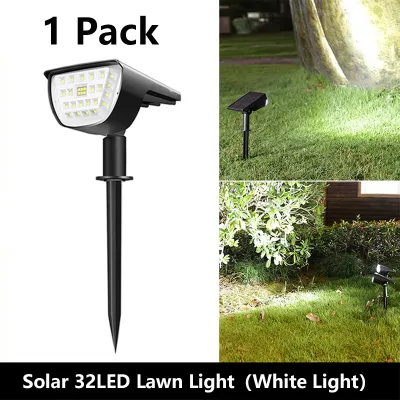
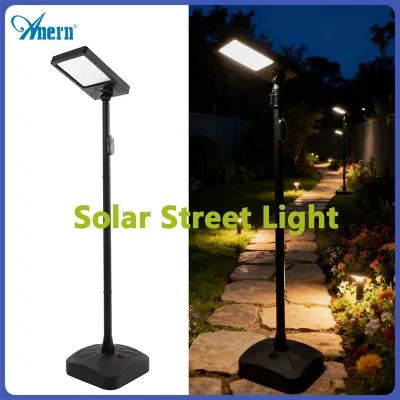
Prices are valid at publication and may change. Please refer to the product page for the latest price.
Selecting Pathway and Driveway Lights
Pathway and driveway lights are essential for guiding family members and guests safely from the street to your front door. When browsing Bosca solar light outdoor options, look for downward-facing or diffused light designs on the product packaging. Fixtures that direct their light output downward onto the ground provide excellent path visibility without shining directly into the eyes of walkers, which can cause temporary blindness and discomfort. Avoid open-bulb designs that emit light horizontally or upward along walkways, as these often contribute to light pollution and distracting glare.

To ensure a seamless and professional look, check the manufacturer’s label for specific spacing recommendations and light spread width. Spacing your pathway lights too far apart creates dark, hazardous gaps that defeat the purpose of safety lighting, while placing them too close together can make your driveway look like an airport runway. A good rule of thumb is to measure the light spread indicated on the packaging and space the fixtures so that the edges of their light pools gently overlap. Furthermore, verify the stake length and base material suitability for your specific ground conditions. In tropical gardens where soil can become highly saturated and soft during the rainy season, longer, heavy-duty stakes made of corrosion-resistant materials are necessary to keep the lights upright and stable against wind and soil erosion.
Choosing Wall and Perimeter Lights
Wall-mounted solar lights are highly effective for illuminating boundaries, fences, entryways, and garage areas. Before purchasing any wall fixture, it is crucial to match your intended mounting surface—whether it is concrete, brick, wood, or vinyl siding—with the included mounting hardware. Verify that the wall or fence structure can safely support the weight of the unit, particularly for heavy-duty models that house larger rechargeable batteries. If your installation involves fixed hybrid wiring to connect the solar system to a backup household power source, always isolate the power at the circuit breaker, follow the manufacturer’s installation instructions precisely, and consult a qualified professional to handle the electrical connections safely.
Next, review the sensor type indicated on the product packaging to align with your specific security and convenience needs. Dusk-to-dawn sensors automatically turn the light on at a low, continuous level when the sun sets, providing reliable ambient lighting throughout the night. In contrast, motion-activated sensors keep the light off or dimmed until they detect movement, at which point they flood the area with high-intensity light. This motion-activated feature is excellent for conserving battery power and alerting you to any activity near your home’s entry points. Additionally, pay close attention to the solar panel configuration; if you plan to mount a wall light under a deep roof eave or carport where sunlight is blocked, select a model that features a separate solar panel connected by a cable. This allows you to mount the light fixture exactly where you need it in the shade while positioning the solar panel on a sunny rooftop or outer wall.
Highlighting Features with Spotlights and Accents
Spotlights and accent lights allow you to add dramatic flair to your garden by drawing attention to specific architectural details, sculptures, or specimen plants. When selecting a spotlight, check the beam angle listed in the product specifications. A narrow beam angle of 15 to 30 degrees is ideal for highlighting tall, slender features like columns or palm trees, as it focuses the light in a tight, concentrated column. For broader features like wide shrubbery, retaining walls, or garden beds, look for a wider flood beam angle that distributes light over a larger surface area without creating harsh shadows.
To ensure your lighting design can adapt over time, look for spotlights that feature adjustable heads and stakes. This flexibility allows you to easily tilt and aim the light as your plants grow, or adjust the angle to accommodate seasonal landscaping changes. It is also important to treat decorative style and perceived color temperature as conditional preferences rather than universal performance facts. For example, warm white light (around 2700K to 3000K) is often preferred for creating a cozy, inviting atmosphere in seating areas, while cool white light (5000K or higher) can make green foliage look more vibrant and modern. Always verify the IP (Ingress Protection) weather-resistance rating on the label; because spotlights are placed directly in garden beds, they must have a high IP rating, such as IP65 or higher, to withstand heavy tropical rains, soil moisture, and lawn sprinklers without short-circuiting.
Installation and Maintenance Best Practices
Proper installation and routine maintenance are vital to ensuring your solar landscape lights perform reliably for years to come. Begin by clearing any overhanging branches, vines, or fallen leaves that might cast shadows on the solar panels during the day. In tropical climates, rapid plant growth can quickly shade a solar panel that was previously in full sun, so regular pruning is necessary to maintain optimal charging efficiency. When setting up your lights for the first time, follow the manufacturer’s instructions regarding initial charging times and switch configurations. Many models require being switched off and left in direct sunlight for up to 24 hours to fully condition the rechargeable battery before their first night of operation.
Once installed, establish a simple routine to protect your investment, which may represent a value of several thousand pesos ₱ depending on the number of fixtures you install. Gently wipe down the solar panels with a damp microfiber cloth every few weeks to remove accumulated dust, pollen, and bird droppings, which can block sunlight and reduce charging capacity. After heavy tropical storms or typhoons, perform a quick physical inspection of each fixture. Check for any water ingress in the battery compartments, look for signs of corrosion on the battery contacts, and ensure that ground stakes and wall mounts remain secure and level.
Frequently Asked Questions (FAQ)
Can I use Bosca solar lights in heavily shaded garden areas?
Solar lights require direct sunlight to charge their internal batteries effectively. If placed in heavily shaded areas, the lights will experience significantly reduced runtimes and lower brightness levels. To illuminate shaded zones, look for models that feature a separate solar panel connected to the light fixture by a long cable, allowing you to place the panel in a sunny spot while mounting the light in the shade.
How do I know if a specific model is bright enough for my driveway?
To determine if a light is bright enough, check the lumen output and beam spread listed on the product packaging rather than relying on the physical size of the fixture. For driveways and pathways, look for models that specify a clear lumen rating suitable for ground illumination, and verify the recommended spacing guidelines on the label to ensure continuous coverage without dark gaps.

Community discussion
Share your experience or ask a question. Comments are reviewed before publication.